United States
Kentucky, United States — Towns & Travel Guide
Kentucky is a landlocked US state bounded by the Ohio River, known for bourbon, thoroughbred horses, and the bluegrass country around Lexington.
Hotel links are affiliate links: booking through them may earn us a commission, at no extra cost to you. It never affects how places are ranked. How this works


Towns & cities in Kentucky
Pick a town or city — each links to where to stay.
 United States
Louisville
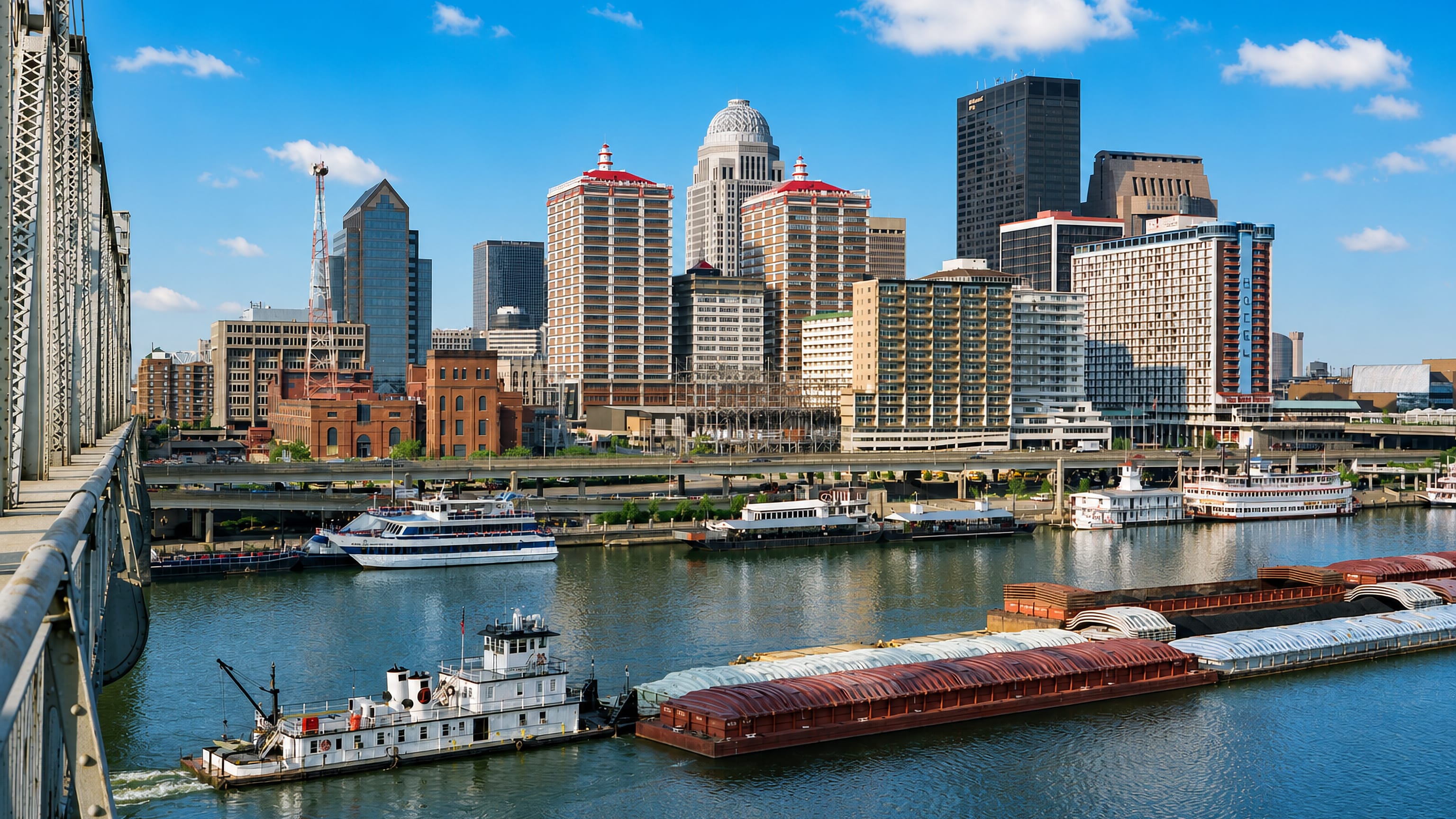
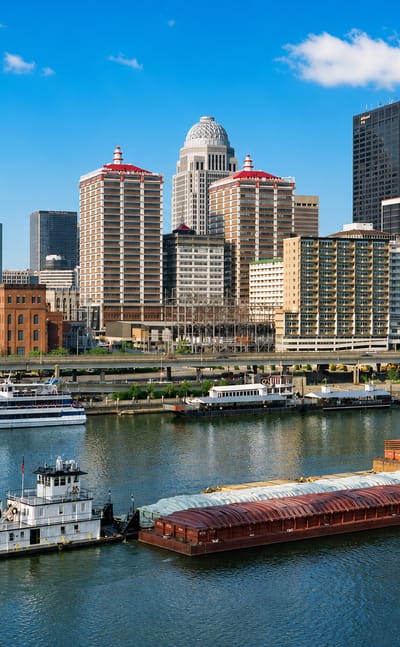
The Ohio River runs past Louisville, a river city in Kentucky known for the Muhammad Ali Center and the Louisville Slugger Museum & Factory.Where to stay →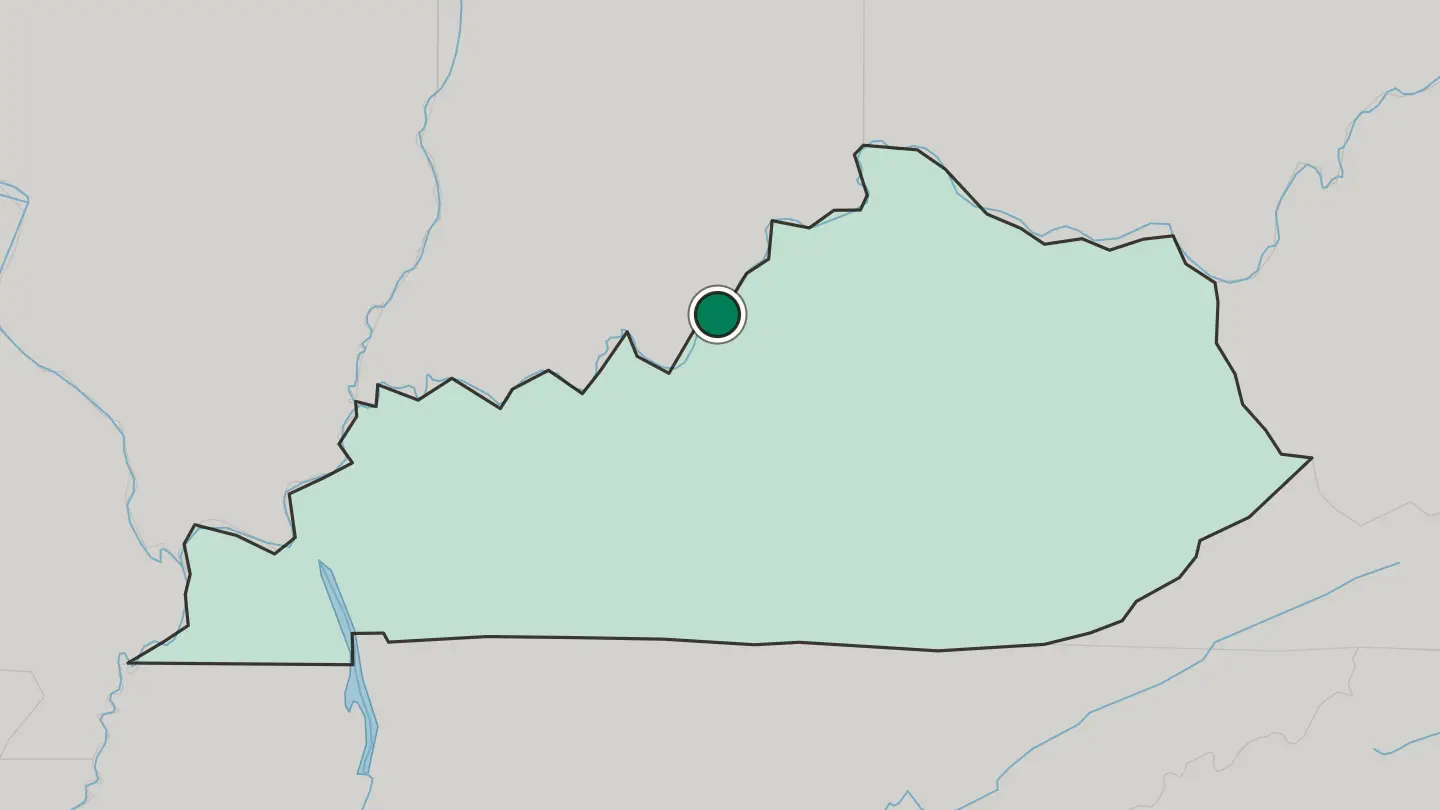
 United States
Lexington
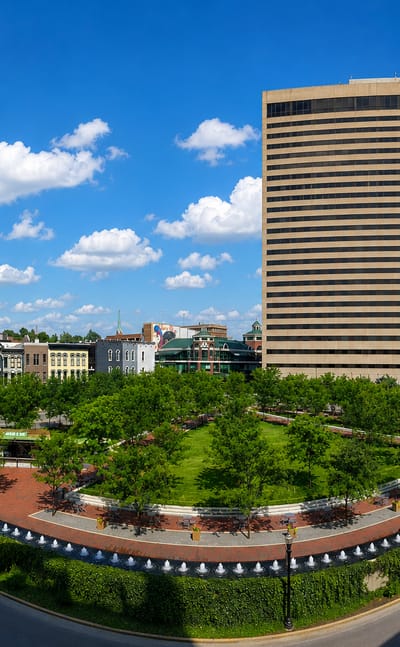
Brick townhouses and church spires mark the old streets of Lexington, a city in Kentucky, long tied to the surrounding Bluegrass country.Where to stay →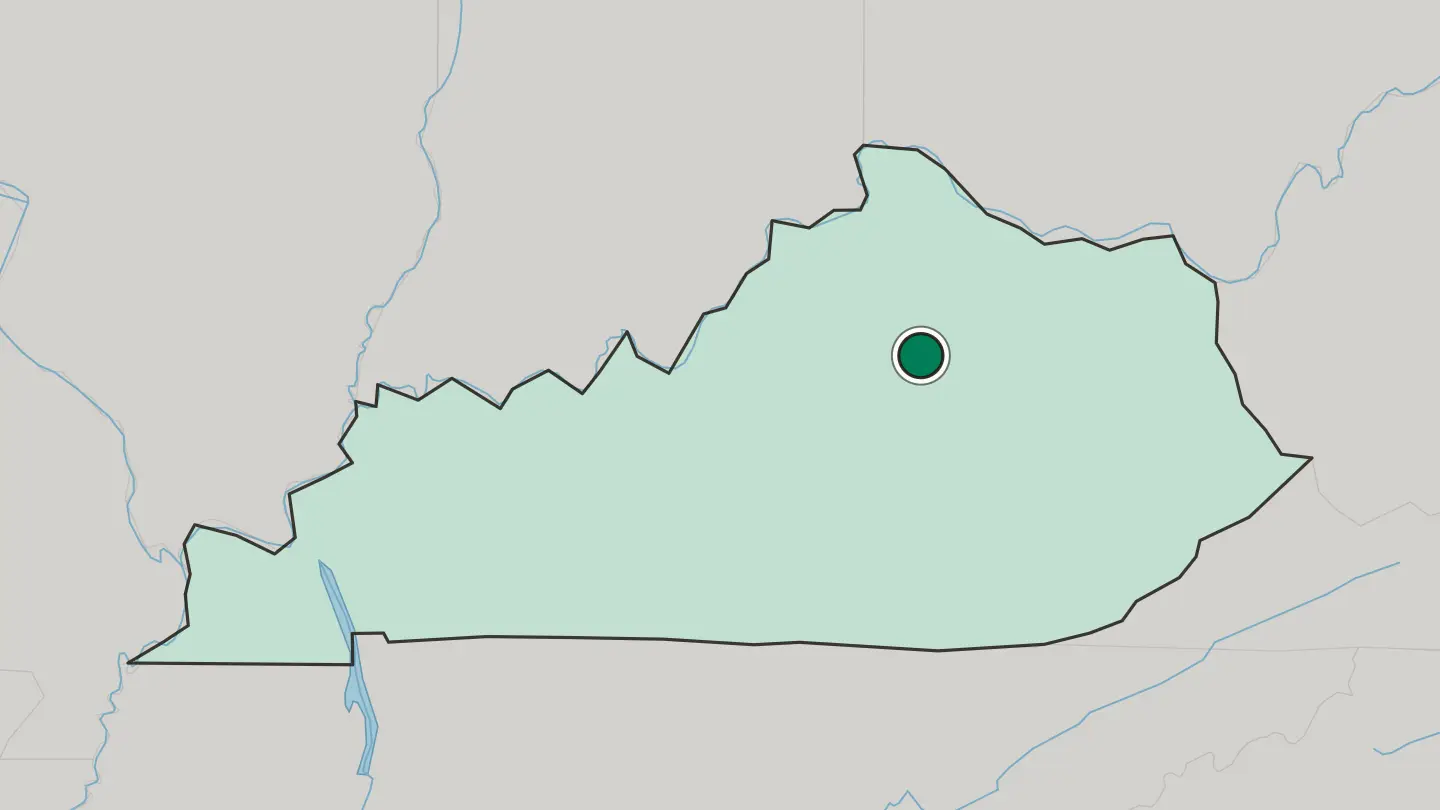 United States
Bowling Green
Bowling Green is the county seat of Warren County and the third-largest city in Kentucky, at the centre of the Caves and Lakes region.Where to stay →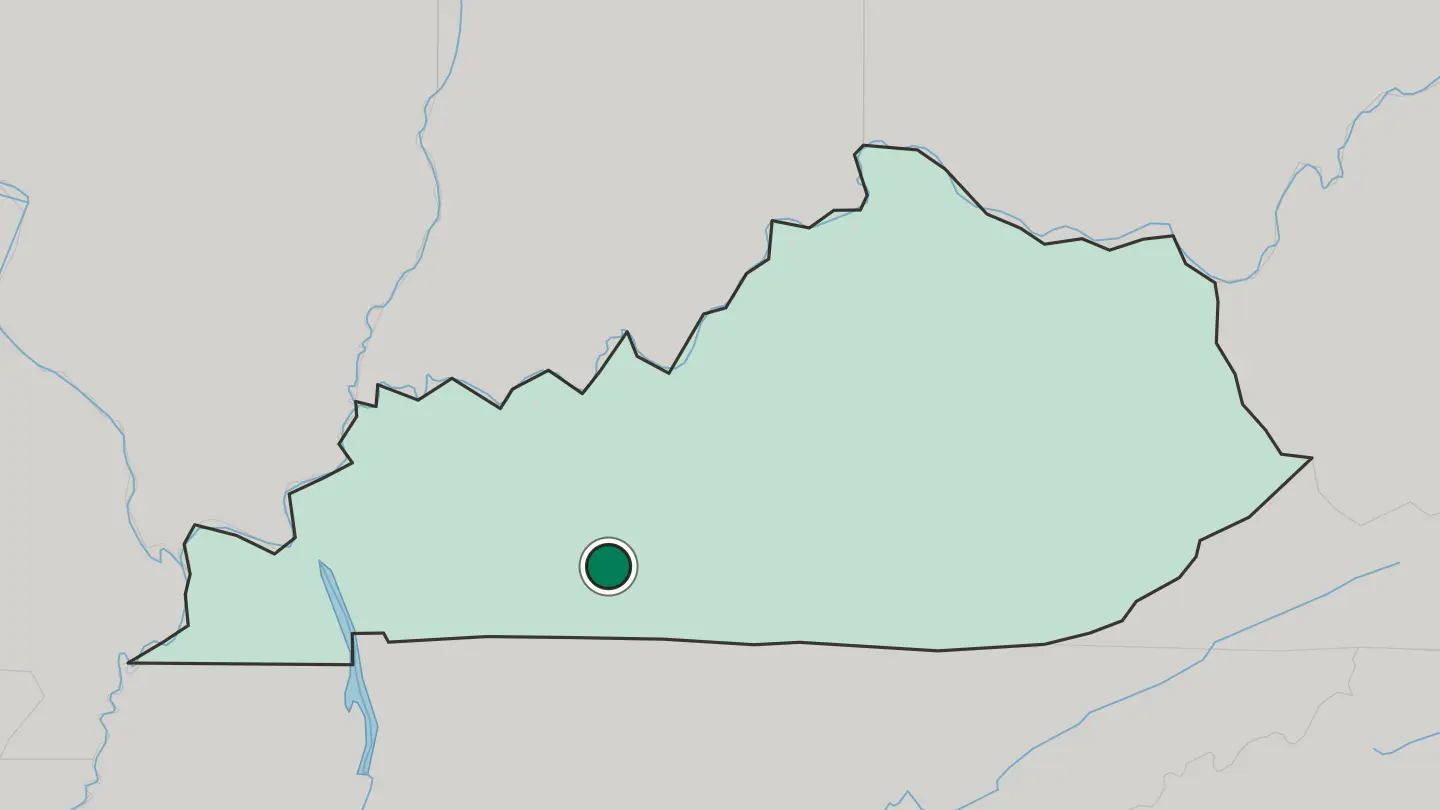
 United States
Owensboro
Owensboro stands on the Ohio River in Daviess County, the seat of that county and a self-declared Barbecue Capital of the World.Where to stay →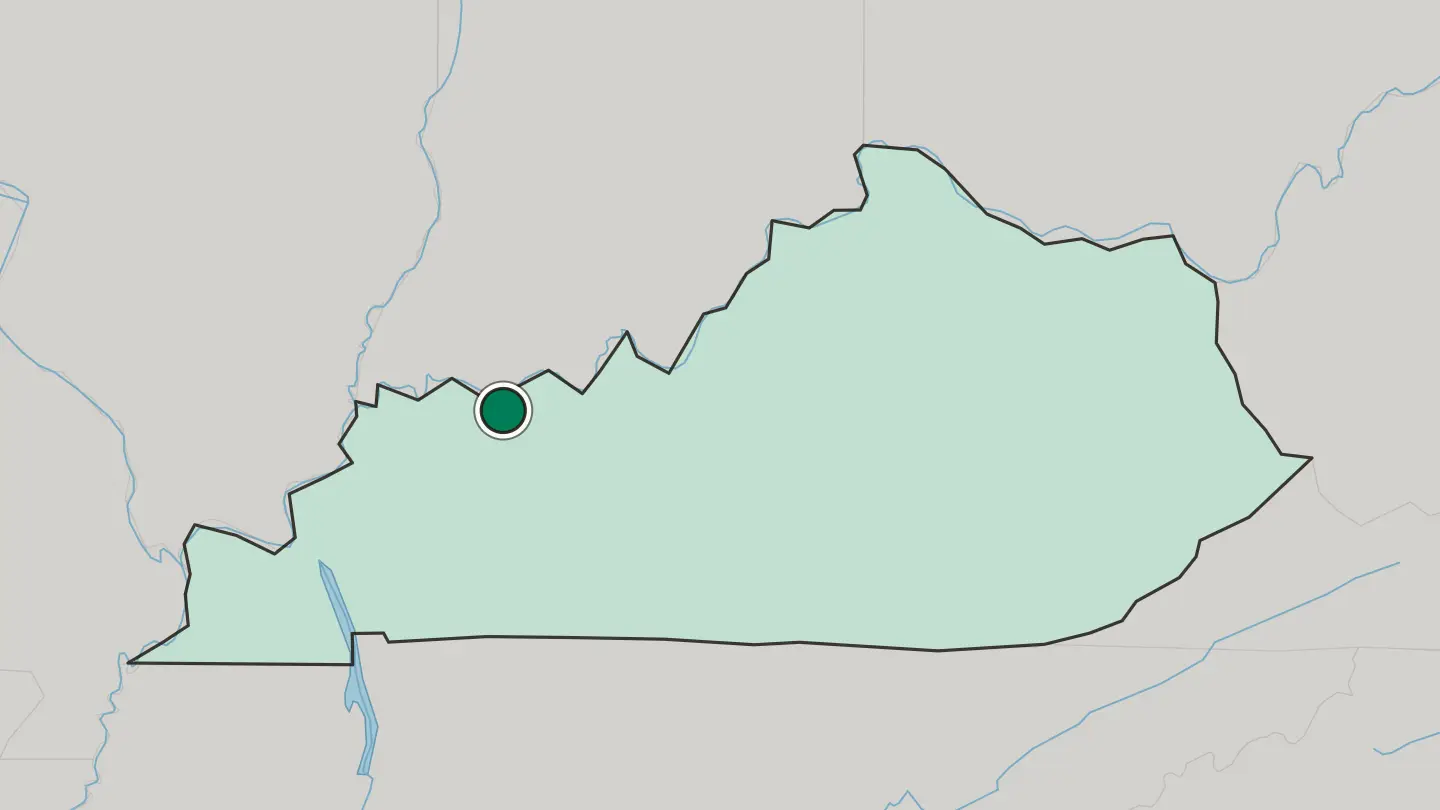
Hotel links are affiliate links: booking through them may earn us a commission, at no extra cost to you. It never affects how places are ranked. How this works
About Kentucky
What is Kentucky known for?
Three things carry Kentucky's name worldwide. Nearly all of the world's bourbon whiskey is distilled and barrel-aged here, in rickhouses scattered across the limestone country from Louisville down to Bardstown and the capital at Frankfort. The Kentucky Derby has run at Churchill Downs since 1875.
Around Lexington, white-plank horse farms raise thoroughbreds on the mineral-rich pastures that give the Bluegrass region its name. Bill Monroe's band lent bluegrass music its label. Underground, Mammoth Cave threads through more mapped passages than any other cave on Earth, a labyrinth beneath the Pennyroyal Plateau.
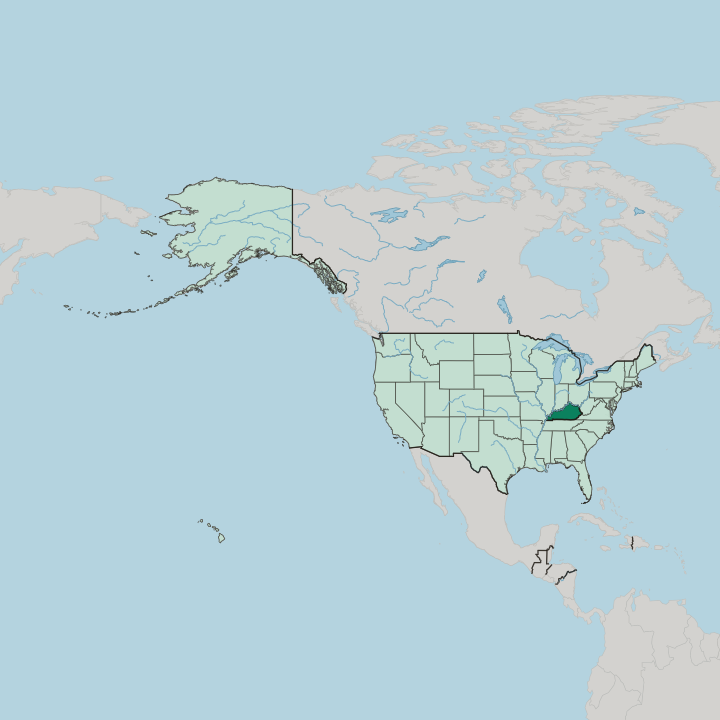
Where is Kentucky?
Kentucky is landlocked, wedged into the interior of the American South with rivers along most of its edges. The Ohio River draws the entire northern boundary, separating the state from Illinois, Indiana, and Ohio. To the west, the Mississippi River marks the line with Missouri.
Eastward the land climbs into the Appalachian Mountains, where the Big Sandy River and its Tug Fork trace the border with West Virginia. The line with Virginia is different. It follows a mountain crest, the long wall of Cumberland Mountain, and not a river at all.
Tennessee lies flat against the south along a straight survey line. The Cumberland Gap notches that mountain wall at the far south-eastern corner, the old doorway west. Within those borders the state falls into distinct regions.
The Bluegrass rolls across the north-central counties around Lexington and Frankfort, its rounded hills and pastures built on rich limestone. South and west of it spreads the Pennyroyal Plateau, a karst country of sinkholes and caverns that hides Mammoth Cave, the longest cave known anywhere. Eastern Kentucky is mountain country, the rugged Cumberland Plateau of the coalfields, cut by narrow valleys and steep hollows.
Farther west lie the Western Coalfields and, in the far corner beyond the Tennessee River, the low flat farmland of the Jackson Purchase. Water shapes the middle too. The Kentucky, Green, and Cumberland rivers thread the interior, and dammed lakes such as Lake Cumberland flood the southern valleys.
What is Kentucky like?
Kentucky's identity pours from a glass and thunders down a racetrack. The state distills and ages the overwhelming share of the world's bourbon, and the Kentucky Bourbon Trail links the distilleries strung through the limestone hills, from Woodford Reserve near Versailles to Maker's Mark in the south. Horses matter just as much.
On the first Saturday in May, the Kentucky Derby fills Churchill Downs in Louisville with a two-minute race that has run without a break since 1875. Around Lexington, thoroughbreds are bred and sold at Keeneland and on the white-fenced farms of the Bluegrass. The two trades grew up together, corn whiskey and racing stock, and both still define how the state sees itself.
Sound is the third strand. Bluegrass music takes its name from the state, pioneered by the mandolin player Bill Monroe, and its fast fiddle-and-banjo drive descends from ballads carried into the mountains by Scots-Irish settlers. That Appalachian tradition still fills festivals across the eastern hills.
Kentucky tables lean hearty. A Hot Brown, a plate of burgoo, and fried chicken all claim the state as home ground, and bourbon finds its way into the sauce and the dessert alike. English is the common language, spoken with a soft upland drawl in the mountains and a broader Southern one toward the west.
What is the history of Kentucky?
Long a hunting ground for Shawnee and Cherokee peoples, Kentucky drew its first settlers over the mountains in the years before the Revolution. Daniel Boone blazed the Wilderness Road through the Cumberland Gap, and pioneers poured west to found Boonesborough. In 1792 Kentucky entered the Union as its fifteenth state, the first American state west of the Appalachian Mountains.
It took the name Commonwealth, and lawmakers fixed the capital at Frankfort. The rest is a border story. In the Civil War the state stayed in the Union while sending sons to both armies, its loyalties split along the Ohio River and through many a family.
What is the climate of Kentucky?
Kentucky sits in the humid subtropical belt, and the calendar turns through four clear seasons. Summers run hot and sticky. Warm air pushing up the Ohio River valley brings long humid spells and afternoon thunderstorms from June into September.
Winters are milder, wetter than cold, though ice storms and the odd snowfall dust the Cumberland Plateau in the east. Rain falls fairly evenly across the year, heaviest in spring, when the same storm systems that soak the Ohio Valley can spin up tornadoes and flash floods. Autumn is the reward, cool and dry, turning the Appalachian ridges to rust and gold.
How do you get to Kentucky?
Most visitors reach Kentucky by air or by interstate. The state's busiest airport is Cincinnati/Northern Kentucky International, which despite its name sits on the Kentucky side of the Ohio River, at Hebron in Boone County. Louisville's Muhammad Ali International Airport comes next, closest to bourbon country.
Lexington's Blue Grass Airport handles horse country and the east. Three interstates stitch the state together, meeting near Louisville and running toward Nashville and the Appalachian coalfields. Bridges carry the roads over the river from Indiana and Ohio.
There is no coast to arrive by. Many travellers simply drive in.
Common questions
What is the best area to stay in Kentucky?
Louisville: a first base and Derby week at Churchill Downs. Lexington: stud farms, Keeneland, and Bluegrass drives. Bardstown: distillery tours and small-town evenings. Red River Gorge: cabins, hiking, and sandstone rock climbing.
Good for
More regions in United States
Updated September 2026