United States · Montana
Where to Stay in Billings, Montana
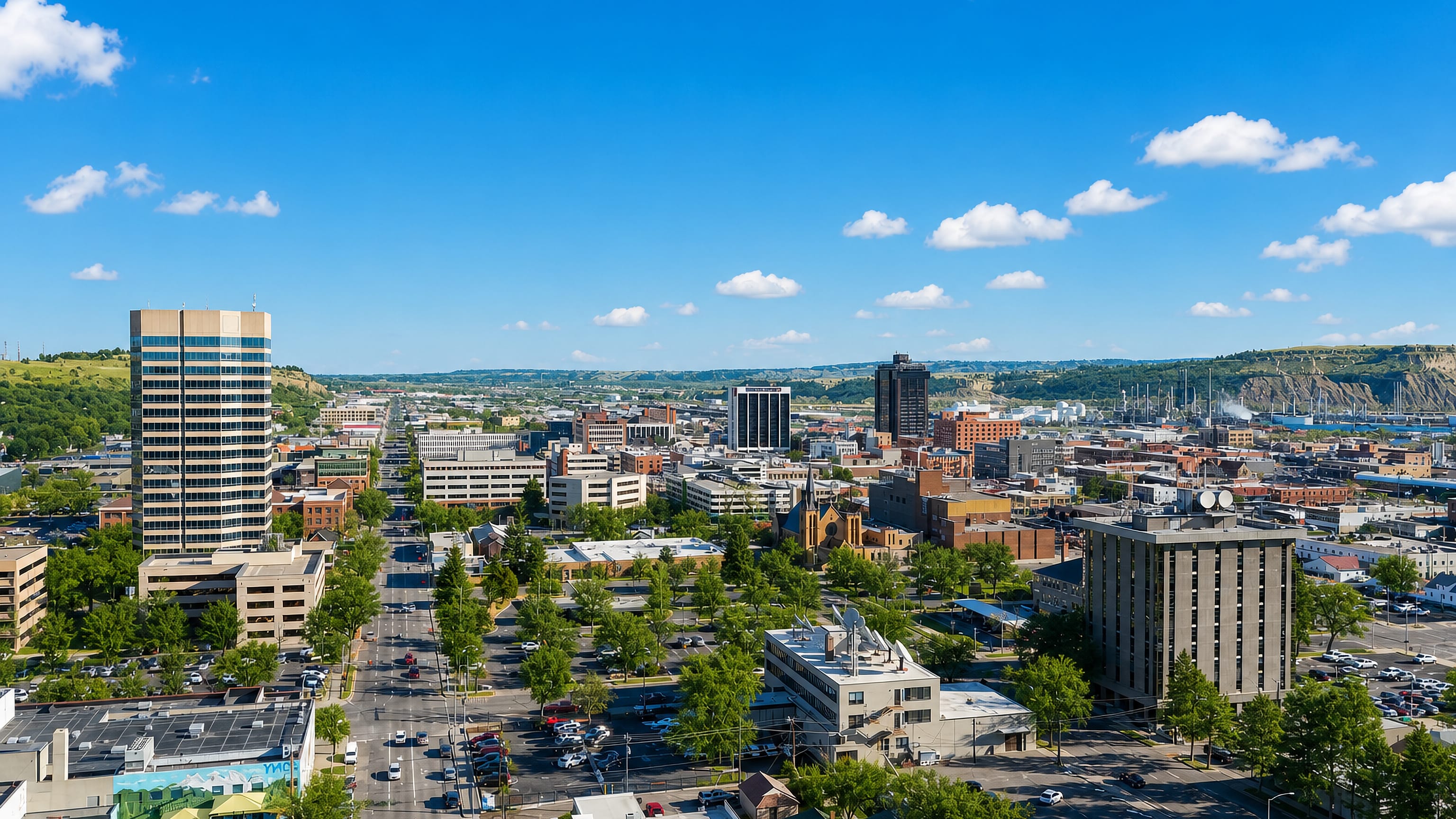
Sandstone rims edge the plains at Billings, the largest city in Montana, known for the Moss Mansion and the Yellowstone Art Museum.
Hotel links are affiliate links: booking through them may earn us a commission, at no extra cost to you. It never affects how places are ranked. How this works


Where to stay in Billings
Where visitors usually base themselves, and why.
Billings lays its lodging across a wide grid on the plains, and where you base yourself turns on what draws you to the city. The centre keeps you near the Yellowstone Art Museum and the Western Heritage Center, within an easy walk of the downtown shops and restaurants. Stay downtown for the culture.
The blocks around the Moss Mansion suit visitors drawn to the city's grand old homes, where preserved brick and quiet streets sit close to the historic heart. Sports crowds gather near Dehler Park, where summer game nights fill the surrounding streets and lodging runs close to the diamond. Families often favour the calmer edges near St. Patrick's Co-Cathedral and the residential blocks around it.
The plains make driving simple. Because Billings sits on the open ground of Yellowstone County, distances feel short and parking stays easy, so the real choice is which part of this Montana hub you want just outside your door each morning of your stay.
Find hotels in Billings
Direct booking searches for these neighbourhoods.
Downtown Billings
Walking distance to the Yellowstone Art Museum and the Western Heritage CenterFind hotels in Downtown BillingsHistory-minded travellersMoss Mansion quarter
Around the grand old brick of the Moss Mansion near the historic heartFind hotels in Moss Mansion quarterBaseball crowds at Dehler Park on summer nightsDehler Park area
Lodging close to the diamond at Dehler ParkFind hotels in Dehler Park areaHotel links are affiliate links: booking through them may earn us a commission, at no extra cost to you. It never affects how places are ranked. How this works
Things to do in Billings
Ranked by global recognition; descriptions from Wikidata (CC0).
Museums & Galleries
2- Western Heritage Center Heritage
- Yellowstone Art Museum
Churches & Religious Sites
1- St. Patrick's Co-Cathedral
Stadiums & Sports
1- Dehler Park
Landmarks & Notable Places
5- Moss Mansion Heritage
- Arnold Graf House Heritage
- Christian Yegen House Heritage
- I.D. O'Donnell House Heritage
- Peter Yegen House Heritage
worth knowingacross 4 categories in Billings
About Billings
What is Billings known for?
Billings is the largest city in Montana and the seat of Yellowstone County, known as a trade hub for a vast surrounding region. It gathers the commerce of the plains. The Yellowstone Art Museum and the Western Heritage Center hold its cultural collections, while the Moss Mansion recalls the wealth of its early merchant families.
As the chief city east of the Continental Divide, Billings draws in the trade of a territory that stretches for many miles across the northern plains.
What are the main landmarks in Billings?
Billings gathers its landmarks around history, art, and worship. The Moss Mansion leads the grand old homes, joined by the Christian Yegen House and the Peter Yegen House from the same merchant era. Museums hold the city's collections.
The Yellowstone Art Museum and the Western Heritage Center anchor its cultural life, while St. Patrick's Co-Cathedral rises among its churches and the I.D. O'Donnell House adds another preserved dwelling to the roster across Montana.
What is the history of Billings?
Billings was founded in 1877 as a railroad town on the Montana plains. The rails made the place. Named for a railway president, it grew quickly as a shipping point for the cattle and grain of the surrounding country, earning an early nickname as a town that sprang up almost overnight.
Merchant wealth followed the trade. The Moss Mansion, the Christian Yegen House, and the Peter Yegen House survive from this founding generation, grand homes raised by the families who built the young city's commerce. As the seat of Yellowstone County, Billings became the trade centre for a huge stretch of country east of the Continental Divide.
Its institutions grew with it. The Western Heritage Center and the Yellowstone Art Museum gathered the collections of the region, and St. Patrick's Co-Cathedral rose among its churches. From a railroad settlement chartered in the late nineteenth century, the town became the largest city in Montana and the commercial heart of the northern plains.
Where is Billings?
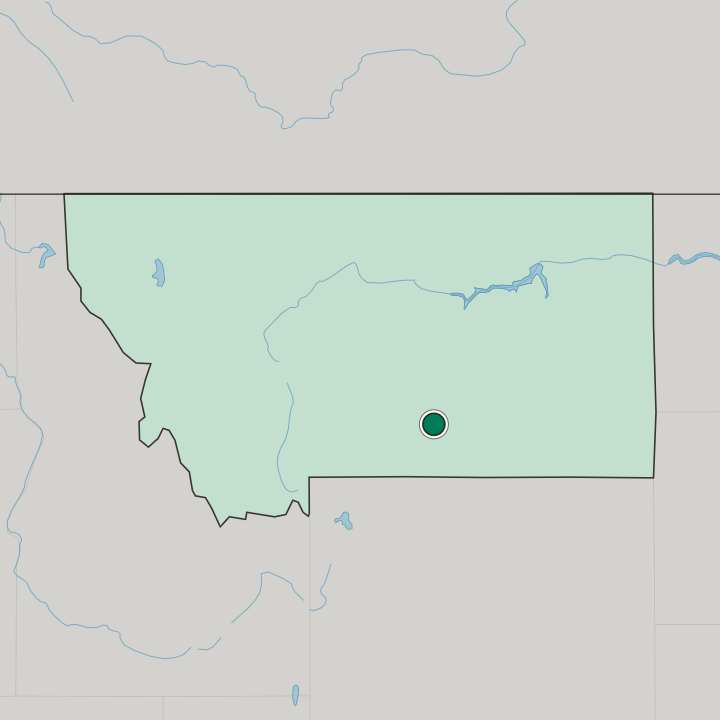
Billings sits on the open plains of Montana, the seat of Yellowstone County on broad, level ground. The land stretches wide. Low sandstone cliffs edge the northern side of the city, giving Billings a natural rim of rock above the flat streets below.
The downtown gathers near the Yellowstone Art Museum, while the plains roll outward toward the horizon in every direction. This open setting east of the Continental Divide shapes the city's grid, its trade reach, and its long views across Montana.
What is the climate of Billings?
Billings has the dry, four-season climate of the Montana plains. Its weather swings hard. Summers turn hot and dry under the wide open sky, while winters bring bitter cold, snow, and the occasional warm chinook wind that sweeps down from the mountains to the west.
Spring and autumn are brief. The high plains setting east of the Continental Divide gives Billings a semi-arid character, with sharp shifts between the seasons across the exposed Montana ground.
How do you get to Billings?
Billings is reached by road and air from across the Montana plains. The routes run long. Interstate highways cross the open ground to meet the city, linking it with the wider region east of the Continental Divide, while a regional airport serves as the busiest gateway for this part of the state.
Long roads carry the trade of the surrounding country. Once in town, the downtown grid around the Yellowstone Art Museum is easily walked, though the spread-out city rewards a car.
Common questions
What is the best area to stay in Billings?
Downtown Billings: Culture-seekers wanting museums on foot. Moss Mansion quarter: History-minded travellers. Dehler Park area: Baseball crowds at Dehler Park on summer nights.
Good for
More cities in Montana
Updated September 2026