United States · Montana
Where to Stay in Missoula, Montana
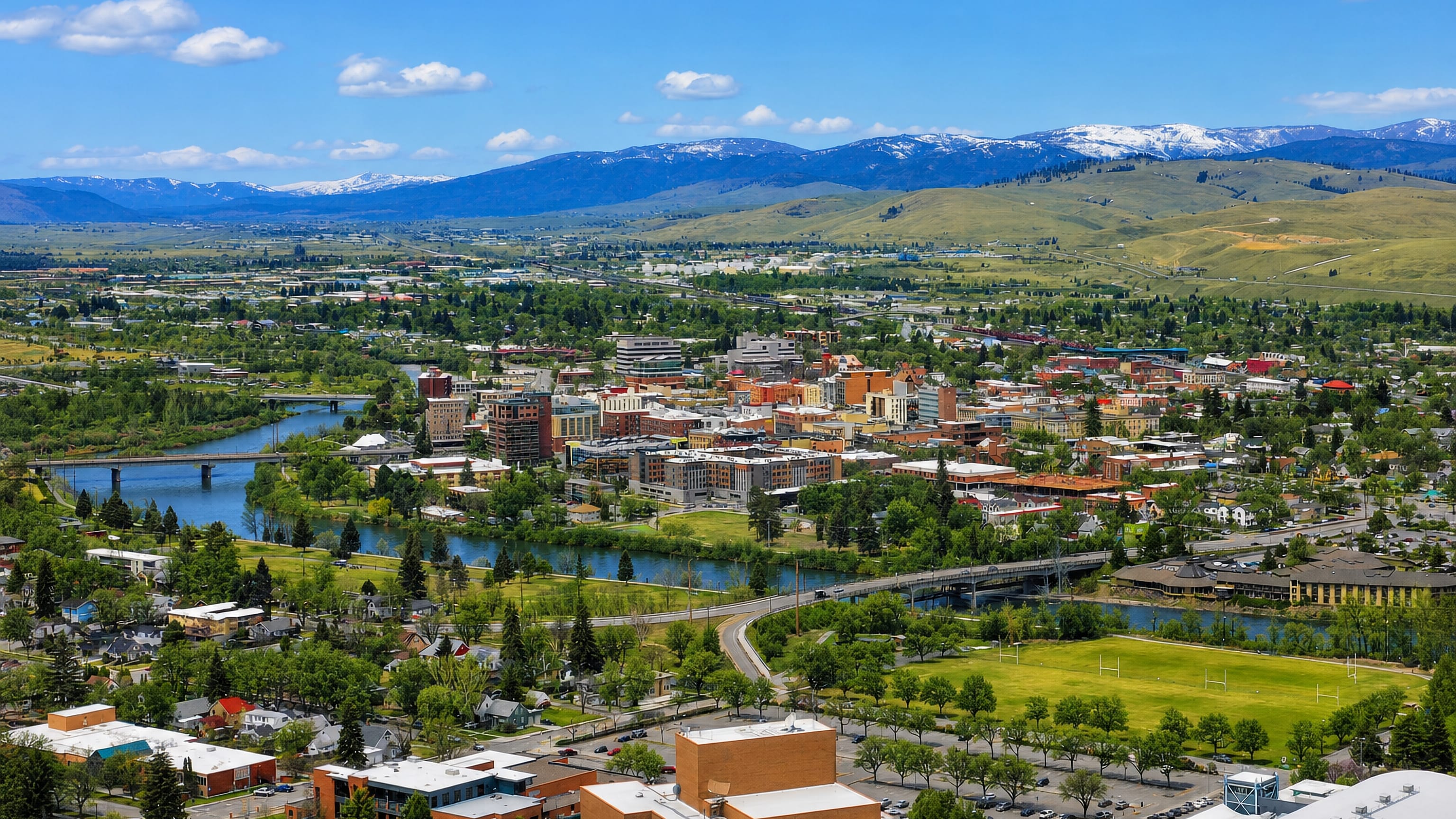
Missoula is a mountain city in western Montana, set where five valleys and three rivers meet around the University of Montana.
Hotel links are affiliate links: booking through them may earn us a commission, at no extra cost to you. It never affects how places are ranked. How this works


Where to stay in Missoula
How the choice of base plays out on the ground.
Where you stay in Missoula turns on downtown. The streets along the Clark Fork keep the shops, the museums, and the river trail within a walk, and staying downtown suits anyone here for the city and the water. The riverfront fills with walkers at dusk.
Rooms sit near the bridges and the old center. Out toward the university and the canyons, the town spreads into leafy neighborhoods below the peaks. A room near the campus trades the downtown bustle for the trails up Mount Sentinel and an easy start to the mountains.
The wild country begins at the edge. If you want the shops and the river, stay downtown; if you want the trails and the peaks, take a room by the campus. Either way, Missoula is small and easy to cross.
Find hotels in Missoula
Direct booking searches for these neighbourhoods.
Downtown
Along the Clark Fork near the museums, within a walk of the river trail and bridgesFind hotels in DowntownStays wanting the trails and the mountainsUniversity and canyons
Near the University of Montana below Mount Sentinel, an easy start to the peaksFind hotels in University and canyonsHotel links are affiliate links: booking through them may earn us a commission, at no extra cost to you. It never affects how places are ranked. How this works
Things to do in Missoula
Ranked by global recognition; descriptions from Wikidata (CC0).
Museums & Galleries
3- Montana Museum of Art & Culture
- SpectrUM Discovery Area
- Missoula Art Museum
Churches & Religious Sites
1- St. Francis Xavier Church Heritage
Stadiums & Sports
3- Ogren Park at Allegiance Field
- Glacier Ice Rink
- Lindborg-Cregg Field
Landmarks & Notable Places
8- Clarence R. Prescott House Heritage
- John M. Keith House Heritage
- John R. Toole House Heritage
- John S. Johnston House Heritage
- A.J. Gibson House Heritage
Show 3 more →
- Edgar Paxson House Heritage
- J.M. Herzog House Heritage
- Reid House Heritage
worth knowingacross 4 categories in Missoula
About Missoula
Missoula is known as the Garden City.
What is Missoula known for?
Ringed by mountains where the Clark Fork and its sister rivers meet, it grew into a green college town beneath the peaks, home to the University of Montana. The great steeple of Saint Francis Xavier Church rises over the downtown. Rivers and mountains shape the town.
What are the main landmarks in Missoula?
Mount Sentinel and its white M look down on Missoula. The steep peak above the University of Montana is climbed by all who visit, the emblem of the city, and the rivers run bright through the valley below. Downtown holds the culture.
The Missoula Art Museum and the Montana Museum of Art and Culture show the region's art, while the tall Saint Francis Xavier Church marks the old center.
What is the history of Missoula?
The Salish people knew this crossing long before the towns. Five valleys met at the river narrows, a gathering place and a war road through the mountains, and the native peoples called the canyon by a name that spoke of ambush and fear. The rivers drew the newcomers too.
Traders and the army came, and old Fort Missoula rose to guard the valley, while a town grew up at the ford of the Clark Fork. Railroads and timber built the city. The Northern Pacific line reached the valley and mills turned the mountain forests into lumber, drawing workers to the growing town.
Learning came with the rails. The University of Montana opened its doors and made Missoula a city of students and writers, famous for its love of rivers and wild country. Museums like the Missoula Art Museum and the Montana Museum of Art and Culture now fill the old streets.
The mountains still ring the Garden City on every side.
Where is Missoula?
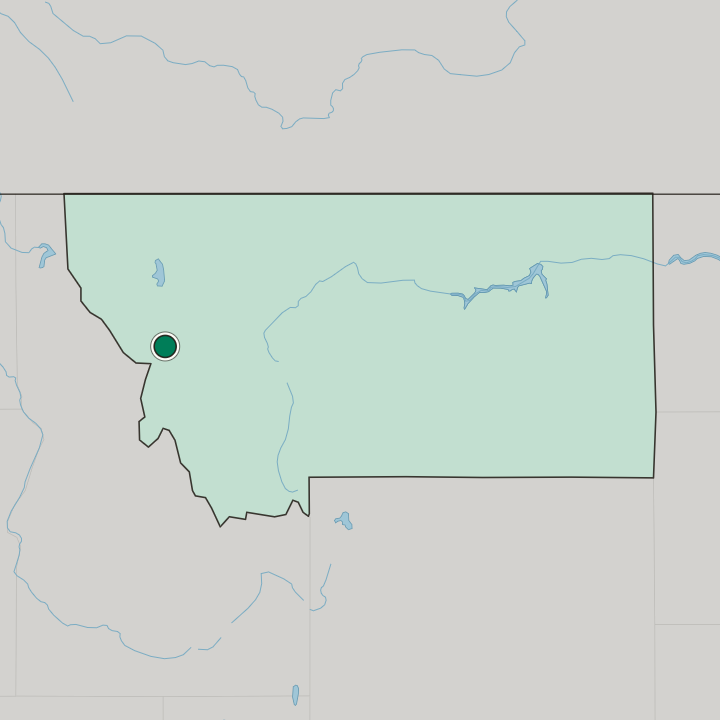
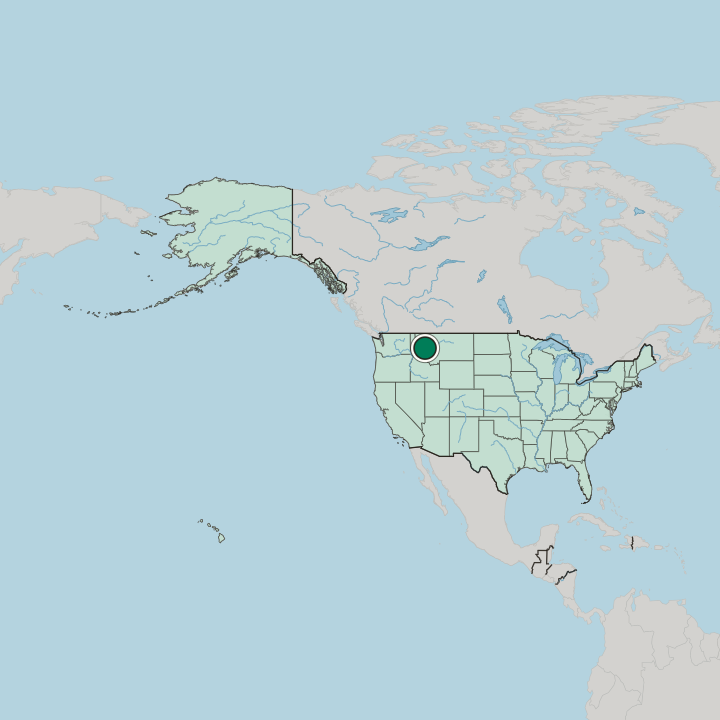
Missoula sits where five valleys meet. The city fills a broad mountain basin in western Montana, at the joining of the Clark Fork, Bitterroot, and Blackfoot rivers, ringed by high forested peaks. Mount Sentinel rises steep above the town.
The rivers and the ranges frame the whole valley.
What is the climate of Missoula?
Missoula has a dry mountain climate. Cold, snowy winters settle in the valley, and the warm summers stay dry under the western sun, though wildfire smoke can haze the late-summer skies. Frost comes early in the mountain air.
The peaks hold snow into spring.
How do you get to Missoula?
Missoula lies at a crossroads of the northern Rockies. Interstates meet in the valley from every direction, and the city's airport links it to the wider country, while roads climb out through the mountain passes. Bus lines link Missoula to the smaller towns down the valley.
Most arrive by car or by air into the mountains.
Common questions
What is the best area to stay in Missoula?
Downtown: Visitors here for the shops, museums, and river. University and canyons: Stays wanting the trails and the mountains.
Good for
More cities in Montana
Updated September 2026