United States · Montana
Where to Stay in Great Falls, Montana
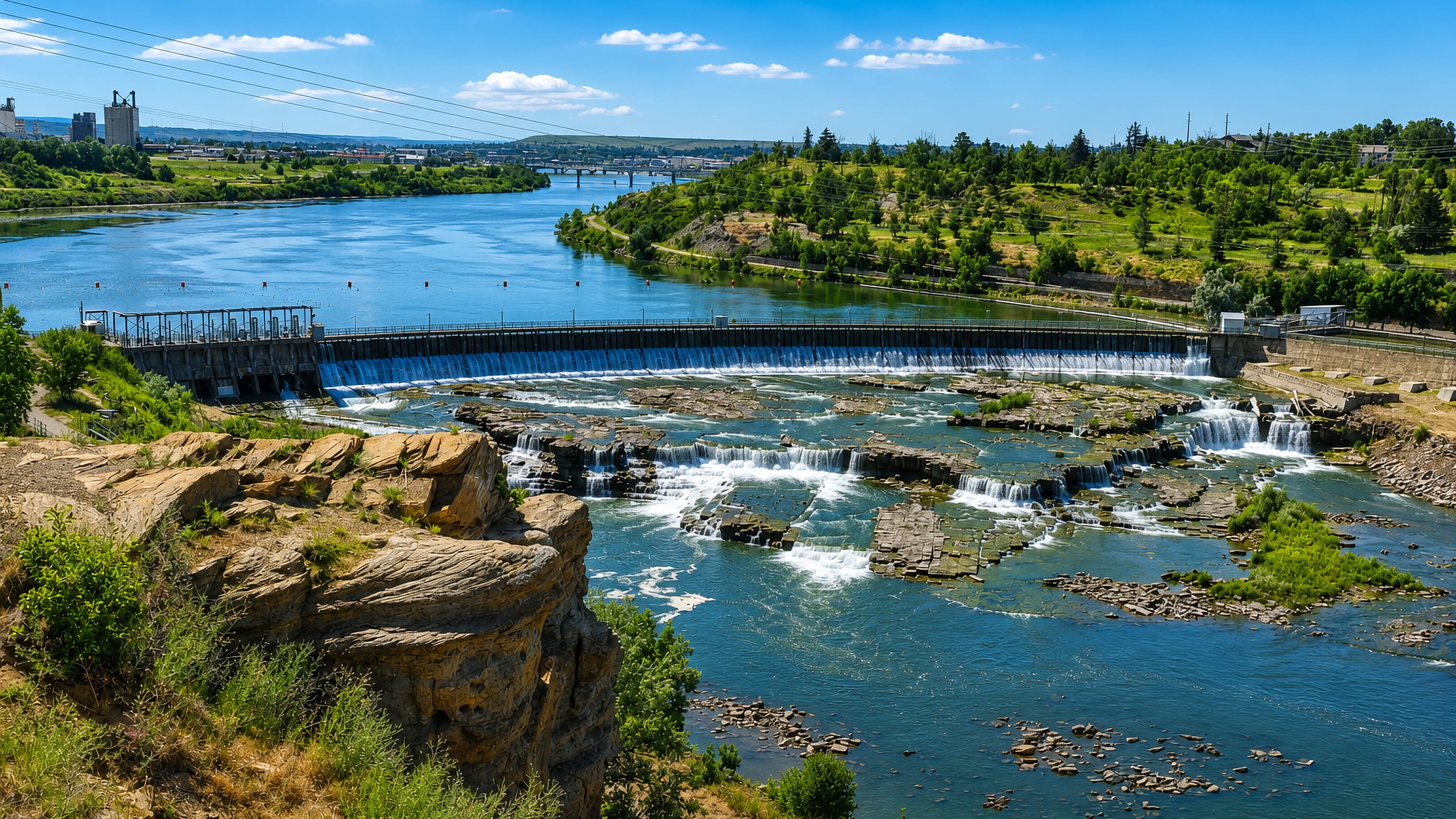
Great Falls is the third-largest city in Montana, the county seat of Cascade County and the commercial centre of Central Montana.
Hotel links are affiliate links: booking through them may earn us a commission, at no extra cost to you. It never affects how places are ranked. How this works


Where to stay in Great Falls
Where the beds are, and what that means for the visit.
Two museums pull in opposite directions, and the choice of a room in Great Falls tends to follow whichever one brought the visitor: the C. M. Russell Museum Complex on one side of the day, the Paris Gibson Square Museum of Art on the other. Both sit inside the city. St. Ann's Cathedral and the older church buildings mark the central blocks, which is where a stay on foot makes sense and where the evening options stand within reach of one another.
Union Bethel African Methodist Episcopal Church and the First English Evangelical Lutheran Church sit inside that same core, which matters to anyone who would rather not drive between one appointment and the next. Anything further out means driving. Cascade County is thin on beds outside the city.
Great Falls holds nearly all of the supply for the metropolitan area, and a traveller working across Central Montana will find the choice narrows sharply the moment the city limits are behind them. Book ahead in summer. Rooms near the Harry E. Randall House and the residential streets around Our Savior's Lutheran Church stay quiet through the night, while the blocks nearer the Kid Russell and Monte Statue and the central museums put a visitor closer to whatever the city is doing that evening.
Quiet or close, not both.
Find hotels in Great Falls
Direct booking searches for these neighbourhoods.
The central blocks by St. Ann's Cathedral
St. Ann's Cathedral and the First English Evangelical Lutheran Church stand in the one walkable core of Great FallsFind hotels in The central blocks by St. Ann's CathedralTrips built around the C. M. Russell Museum ComplexBeside the C. M. Russell Museum Complex
The C. M. Russell Museum Complex keeps its own corner of Great Falls apart from the trading streets. Beds are limited here, so book early.Find hotels in Beside the C. M. Russell Museum ComplexArt visits centred on the Paris Gibson Square Museum of ArtAround the Paris Gibson Square Museum of Art
The Paris Gibson Square Museum of Art holds the block where Great Falls keeps its second collection. Rooms are few around here — worth securing early.Find hotels in Around the Paris Gibson Square Museum of ArtLong stays wanting silence near Our Savior's Lutheran ChurchThe quiet streets by Our Savior's Lutheran Church
Our Savior's Lutheran Church and the Harry E. Randall House stand among residential streets that empty after dark. Rooms are few around here — worth securing early.Find hotels in The quiet streets by Our Savior's Lutheran ChurchHotel links are affiliate links: booking through them may earn us a commission, at no extra cost to you. It never affects how places are ranked. How this works
Things to do in Great Falls
Ranked by global recognition; descriptions from Wikidata (CC0).
Museums & Galleries
2- C. M. Russell Museum Complex Heritage
- Paris Gibson Square Museum of Art Heritage
Churches & Religious Sites
3- Union Bethel African Methodist Episcopal Church Heritage
- St. Ann's Cathedral
- Trinity Lutheran Church (Great Falls)
Castles & Historic Sites
1- Kid Russell and Monte Statue
Landmarks & Notable Places
1- Harry E. Randall House Heritage
worth knowingacross 4 categories in Great Falls
About Great Falls
Art carries the name here.
What is Great Falls known for?
The C. M. Russell Museum Complex and the Paris Gibson Square Museum of Art give Great Falls two serious collections, which is unusual in a city of this size and explains why the arts do more for its reputation than trade ever has. The Kid Russell and Monte Statue marks the same tradition out on the street. Cascade County treats the city as its centre for commerce and finance, and Central Montana sends its business here for want of anywhere closer.
What are the main landmarks in Great Falls?
Nine names hold the register. The C. M. Russell Museum Complex and the Paris Gibson Square Museum of Art take the visiting hours, and the Kid Russell and Monte Statue puts the same tradition out on the street where nobody needs a ticket to see it. Churches dominate the remainder.
St. Ann's Cathedral leads them, with Trinity Lutheran Church, Our Savior's Lutheran Church, the First English Evangelical Lutheran Church and the Union Bethel African Methodist Episcopal Church behind it, and the Harry E. Randall House the one private name on the list.
What is the history of Great Falls?
The record starts in 1883. Great Falls grew into the seat of Cascade County and the trading centre for Central Montana, and what survives from its first decades is mostly churches, which is what a young city puts up before it puts up anything else worth keeping. Congregations came in numbers.
Trinity Lutheran Church, Our Savior's Lutheran Church and the First English Evangelical Lutheran Church record one strand of that, while the Union Bethel African Methodist Episcopal Church records another and St. Ann's Cathedral a third. Art arrived and stayed. The name Paris Gibson survives on the Paris Gibson Square Museum of Art, and the C. M. Russell Museum Complex carries the other name the city trades on, with the Kid Russell and Monte Statue repeating it out of doors for anyone who never gets inside.
Domestic history is thinner. The Harry E. Randall House is the only house on the register, which says something about how much of the early city has been replaced rather than kept. Cascade County stayed rural around it.
Great Falls has held its position as the third-largest city in Montana and the principal city of a metropolitan area covering the whole county, without ever turning into a place that trades on its own past.
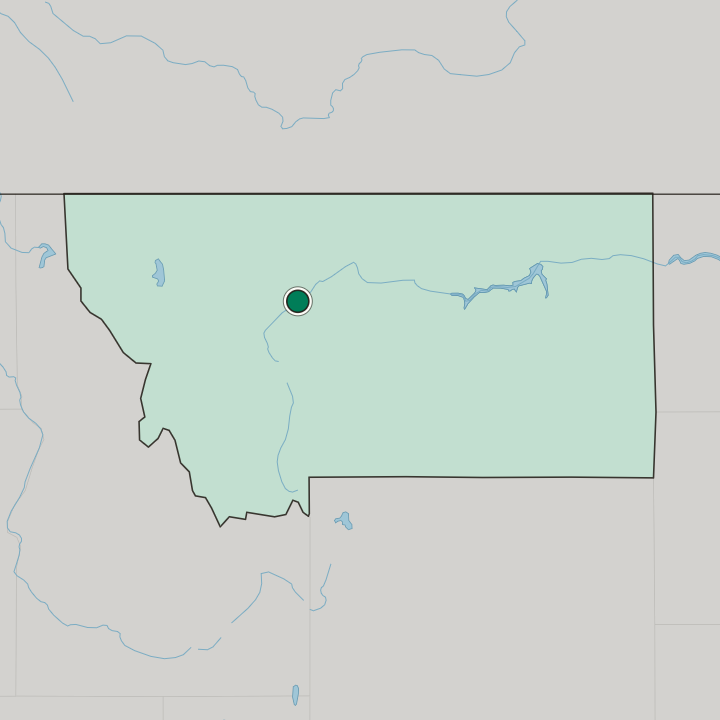
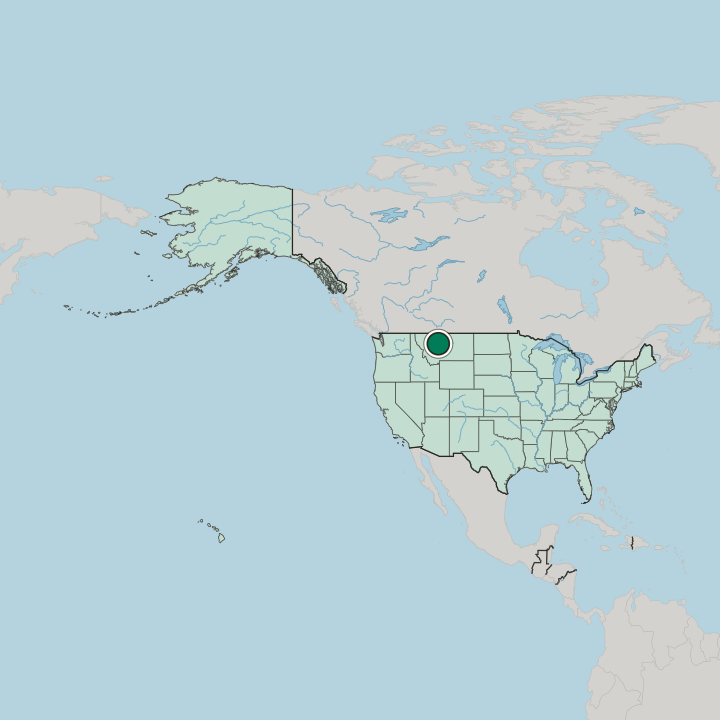
Where is Great Falls?
Cascade County surrounds it on every side. Great Falls occupies a compact stretch of open Central Montana ground, and the metropolitan area takes in the entire county, which tells a visitor how little else there is out here for the region to organise itself around. Walking ends at the centre.
The city keeps its business inside a small core and leaves the county to hold everything beyond that.
What is the climate of Great Falls?
Wind is the local fact. Central Montana runs cold and open through the winter half of the year, and nothing stands between Cascade County and the weather except distance, so a still day in Great Falls is worth noticing when it arrives. Heat, when it comes, is brief.
Indoor hours at the C. M. Russell Museum Complex answer the worst of either extreme.
How do you get to Great Falls?
Roads do everything here. Great Falls works as the commercial and financial centre for the middle of the state, so the routes across Central Montana converge on Cascade County out of necessity rather than design. Arrivals come by car.
A visitor without one will find the museums and the churches close enough together to walk between, and effectively everything past that core out of reach.
Common questions
What is the best area to stay in Great Falls?
The central blocks by St. Ann's Cathedral: Visitors who want St. Ann's Cathedral and the evening on foot. Beside the C. M. Russell Museum Complex: Trips built around the C. M. Russell Museum Complex. Around the Paris Gibson Square Museum of Art: Art visits centred on the Paris Gibson Square Museum of Art. The quiet streets by Our Savior's Lutheran Church: Long stays wanting silence near Our Savior's Lutheran Church.
Good for
More cities in Montana
Updated September 2026