United States · Oklahoma
Where to Stay in Moore, Oklahoma
Moore is a Cleveland County city inside the Oklahoma City metropolitan area, dating from 1889 and holding the Museum of Osteology.
Hotel links are affiliate links: booking through them may earn us a commission, at no extra cost to you. It never affects how places are ranked. How this works


Where to stay in Moore
The practical side of choosing where to sleep.
The choice is really about the metropolitan area. Moore holds a modest number of beds along its through routes, and they suit anyone who wants a base in Cleveland County without taking a room in the middle of Oklahoma City. Location beats character here.
The Museum of Osteology is the one fixed point a visitor is likely to plan around, and a room within a few minutes of it removes the only journey inside Moore that matters. The older streets are quieter. Around Moore Public School Building the fabric predates the subdivisions, and a stay there gives a sense of the town that existed before the Oklahoma City metropolitan area absorbed it, which the newer edges do not.
Sunday mornings are busier. Southwest Baptist Church draws its congregations onto the local roads, so a room near it trades a slow half-hour on those mornings for a short walk to the service if that is why you came. Oklahoma City is the obvious alternative.
Beds there run into far larger numbers, and the drive back out to Moore is short, so the decision comes down to whether Cleveland County or the centre of the metropolitan area suits the trip better.
Find hotels in Moore
Direct booking searches for these neighbourhoods.
The Museum of Osteology side
The Museum of Osteology is the one address in Moore people travel for, and a room beside it removes the only drive inside the city that matters.Find hotels in The Museum of Osteology sideStays drawn to the pre-suburban blocks by the old schoolAround Moore Public School Building
Moore Public School Building stands among the few blocks that predate the subdivisions, which gives that corner a scale the newer edges lost.Find hotels in Around Moore Public School BuildingGuests attending a service at Southwest Baptist ChurchThe Southwest Baptist Church roads
Southwest Baptist Church puts its congregations on the surrounding roads, so a room nearby saves the slow approach and leaves the walk short.Find hotels in The Southwest Baptist Church roadsHotel links are affiliate links: booking through them may earn us a commission, at no extra cost to you. It never affects how places are ranked. How this works
About Moore
One museum makes the city unusual.
What is Moore known for?
The Museum of Osteology keeps a collection of skeletons that draws visitors from well beyond Cleveland County, and it is the reason most people outside the metropolitan area can place Moore at all. The rest is suburban. Moore Public School Building carries what remains of the independent town, and Southwest Baptist Church stands among the newer streets that filled in as the Oklahoma City metropolitan area spread.
What are the main landmarks in Moore?
Three buildings carry the list. The Museum of Osteology is the draw that reaches beyond Cleveland County, its collection built on skeletons rather than on anything local to Moore, which makes it the address visitors ask for first. Moore Public School Building is the older one.
It stands from the independent town, and Southwest Baptist Church completes a short register for a city whose growth came after the era that produced monuments elsewhere in the Oklahoma City metropolitan area.
What is the history of Moore?
Moore dates from 1889. The settlement began on the flat ground of Cleveland County, and for decades it stayed a farm town with a school, a few churches and little else to mark it out. Moore Public School Building survives from that town.
It is the clearest physical link to the period before the suburb, when the town was small enough for one school building to serve as a civic centre. Oklahoma City did the rest. Suburban growth after the middle of the twentieth century turned Moore into a continuous part of the Oklahoma City metropolitan area, and the farm town disappeared into subdivisions without leaving much of its street pattern behind.
It grew into one of the state's larger cities. Ranking seventh in the state, Moore holds that position while covering less ground than most of the cities above it, which is the clearest measure of how densely the suburb filled in. Later arrivals gave it landmarks.
The Museum of Osteology brought an attraction of its own to Cleveland County, and Southwest Baptist Church stands with the school building on the short list of structures anyone names when describing Moore.
Where is Moore?
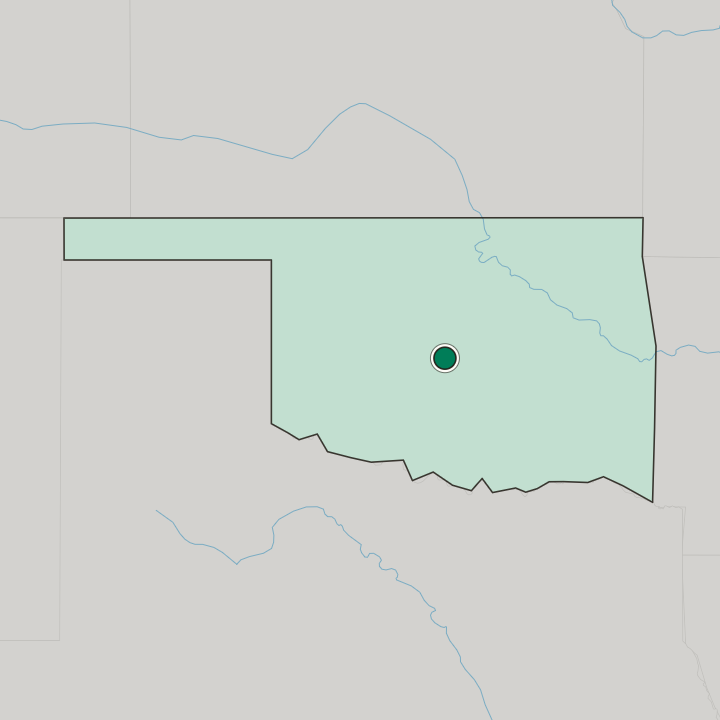
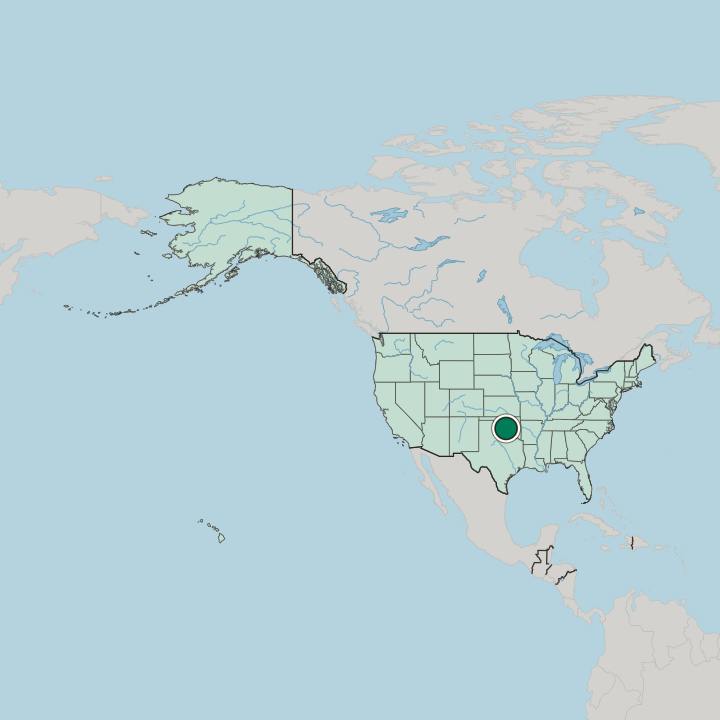
The Museum of Osteology and the Moore Public School Building sit minutes apart. Moore covers roughly 57 square kilometres, a small footprint beside its neighbours, and the built ground runs on without a break into the Oklahoma City metropolitan area. Cleveland County holds it.
Frontier Country is the regional label used for this belt of the state, and within it Moore functions as one continuous piece of the built-up area rather than a town with a hinterland of its own.
What is the climate of Moore?
The seasons here are the metropolitan ones. Moore sits in the temperate band and shares its weather with the whole Oklahoma City metropolitan area, so nothing about the calendar separates a stay here from one across the county line. Shelter is indoors.
The Museum of Osteology fills a wet or cold afternoon better than anything outdoors in Cleveland County, while the warm months move activity to the parks and the roads out of the city.
How do you get to Moore?
The metropolitan roads do the work. Moore sits on the corridor through Cleveland County that carries traffic into Oklahoma City, and the drive from the centre of the larger city is short enough that many visitors treat the two as one destination. Nothing else is needed.
Arrivals into the Oklahoma City metropolitan area put the Museum of Osteology within a straightforward drive, and inside Moore the distances between the older streets and the newer ones are small.
Common questions
What is the best area to stay in Moore?
The Museum of Osteology side: Visitors whose plan begins at the Museum of Osteology. Around Moore Public School Building: Stays drawn to the pre-suburban blocks by the old school. The Southwest Baptist Church roads: Guests attending a service at Southwest Baptist Church.
More cities in Oklahoma
Updated September 2026