United States · Oklahoma
Where to Stay in Oklahoma City, Oklahoma
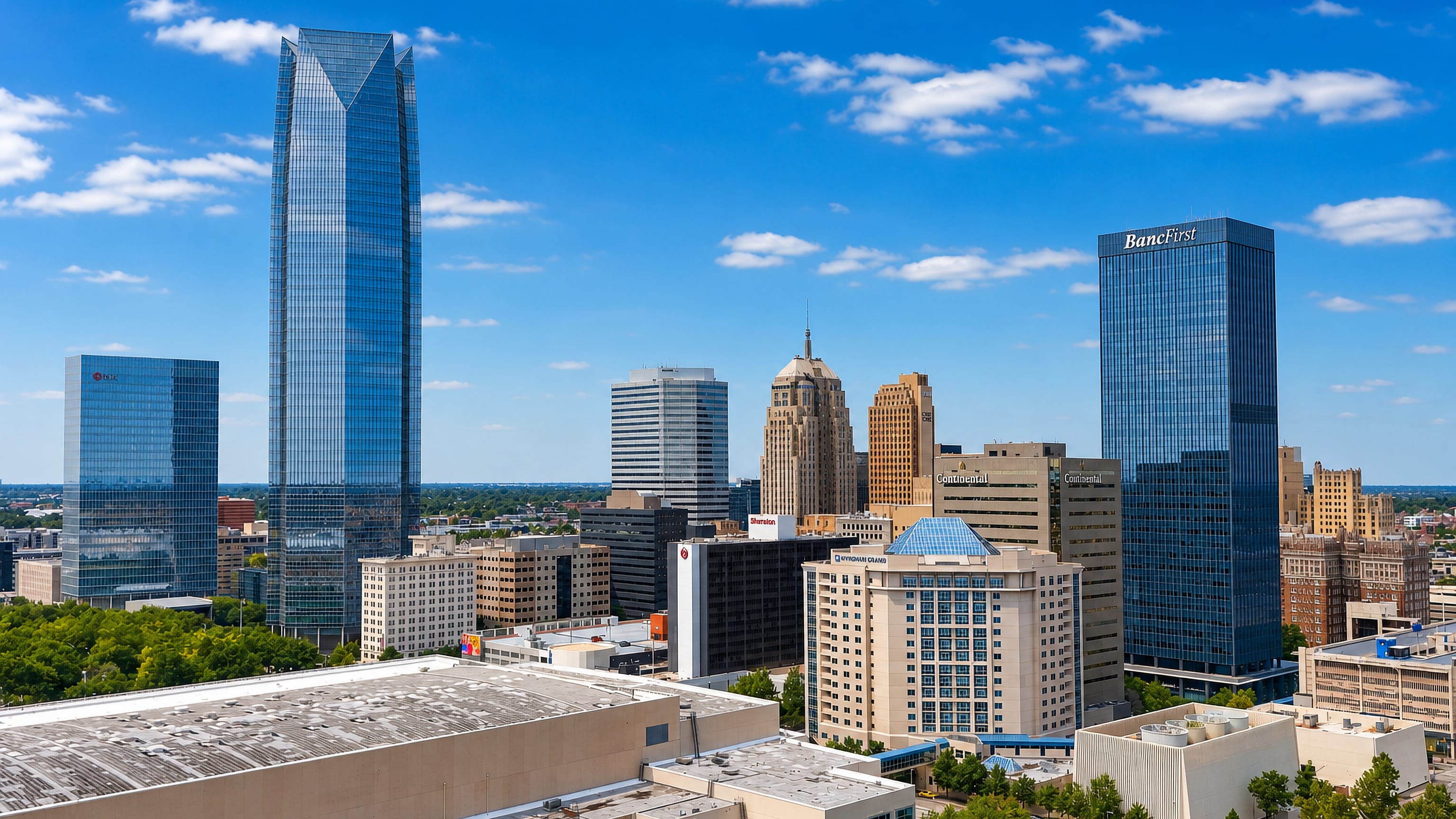
Oklahoma City is the capital of Oklahoma, a sprawling plains city known for the Oklahoma City National Memorial and the Bricktown canal district.
Hotel links are affiliate links: booking through them may earn us a commission, at no extra cost to you. It never affects how places are ranked. How this works


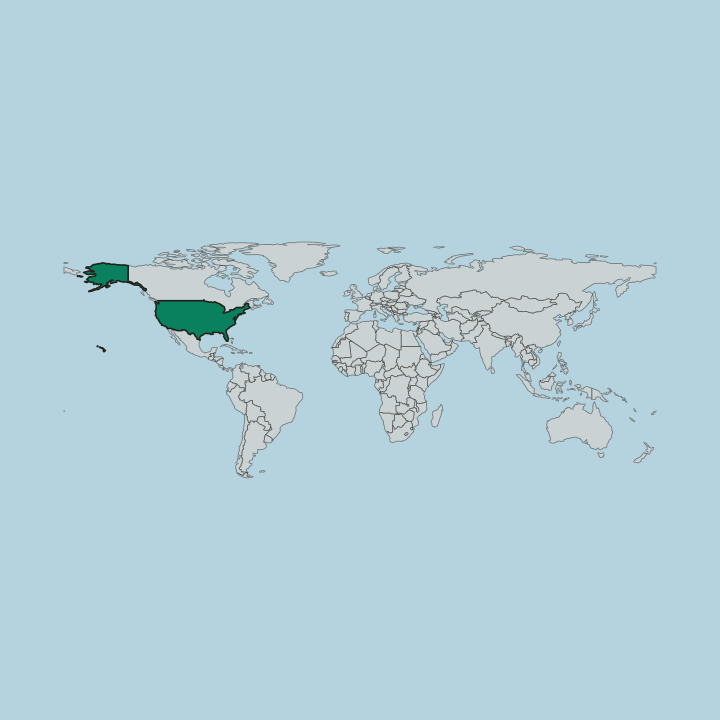
Where to stay in Oklahoma City
Where visitors usually base themselves, and why.
Where to stay in Oklahoma City follows the city's compact core and its spread of plains suburbs. Bricktown is the obvious first base. The district wraps a canal with the Chickasaw Bricktown Ballpark, warehouse restaurants, and easy walking to the Oklahoma City National Memorial, so first-time visitors who want to move on foot settle here.
Downtown proper sits just west, closer to the Oklahoma City Museum of Art and the business towers, and it suits travelers who prefer a quieter block after dark. If you want museums and heritage rather than nightlife, the corridor near the Gaylord-Pickens Oklahoma Heritage Museum and the Oklahoma History Center trades canal buzz for parkland and institutions. Beyond the center, the city sprawls across Oklahoma County into suburban grids, where highway-side stays give drivers space and parking.
Choose Bricktown for atmosphere and the ballpark, downtown for a calmer walk, and the museum corridor for culture without the crowds.
Find hotels in Oklahoma City
Direct booking searches for these neighbourhoods.
Bricktown
Warehouse restaurants and the ballpark ring the Bricktown canal, a short walk from the Oklahoma City National Memorial.Find hotels in BricktownA calmer base near the Oklahoma City Museum of ArtDowntown
Business towers and the Oklahoma City Museum of Art sit just west of Bricktown, quiet once the offices empty.Find hotels in DowntownHeritage stays near the Oklahoma History CenterMuseum corridor
The Gaylord-Pickens Oklahoma Heritage Museum and the Oklahoma History Center anchor a parkland strip away from the canal crowds.Find hotels in Museum corridorHotel links are affiliate links: booking through them may earn us a commission, at no extra cost to you. It never affects how places are ranked. How this works
Things to do in Oklahoma City
Ranked by global recognition; descriptions from Wikidata (CC0).
Museums & Galleries
3- Oklahoma City National Memorial Heritage
- American Banjo Museum
- Oklahoma City Museum of Art
Churches & Religious Sites
4- St. Joseph Old Cathedral Heritage
- First Christian Church Heritage
- First Church of Christ, Scientist Heritage
- Pilgrim Congregational Church Heritage
Castles & Historic Sites
3- Ten Commandments Monument
- Beacon of Hope
- Air Force Monument
Stadiums & Sports
1- Chickasaw Bricktown Ballpark
Landmarks & Notable Places
2- Harn House Heritage
- Melvin F. Luster House Heritage
worth knowingacross 5 categories in Oklahoma City
About Oklahoma City
What is Oklahoma City known for?
Oklahoma City is known as the capital of Oklahoma and a hub of the state's Frontier Country. The Oklahoma City National Memorial anchors its downtown, and the Bricktown district lines a canal with ballpark and warehouse blocks. Its culture blends Native American and cowboy heritage.
Museums carry that mix. The Oklahoma City Museum of Art and the Gaylord-Pickens Oklahoma Heritage Museum both draw visitors, while the American Banjo Museum keeps an unusual collection near the water.
What are the main landmarks in Oklahoma City?
The main landmarks in Oklahoma City span memorial, museum, and church: the Oklahoma City National Memorial marks the site of the 1995 bombing, its reflecting pool flanked by the Beacon of Hope. Nearby, the Chickasaw Bricktown Ballpark and the Oklahoma City Museum of Art draw crowds downtown. St. Joseph Old Cathedral and the Cathedral of Our Lady of Perpetual Help add older stone to the skyline.
First Christian Church rounds out the built landmarks.
What is the history of Oklahoma City?
Oklahoma City was founded in 1889, born in a single day when the Land Run opened the surrounding country to settlement. Thousands staked claims at once. The instant town grew on the plains around the North Canadian River, and within two decades it had pulled the state capital away from Guthrie.
Oil changed the trajectory next, as derricks rose within the city itself and drilling reached the grounds of the state capitol. The city carried that boom-town energy through the twentieth century. It spread across Oklahoma County in a wide, low grid.
On April 19, 1995, a truck bomb destroyed the Alfred P. Murrah Federal Building downtown, an attack now marked by the Oklahoma City National Memorial. The Gaylord-Pickens Oklahoma Heritage Museum and the Oklahoma History Center preserve the longer story, from the Land Run through the oil years to the modern capital.
Where is Oklahoma City?
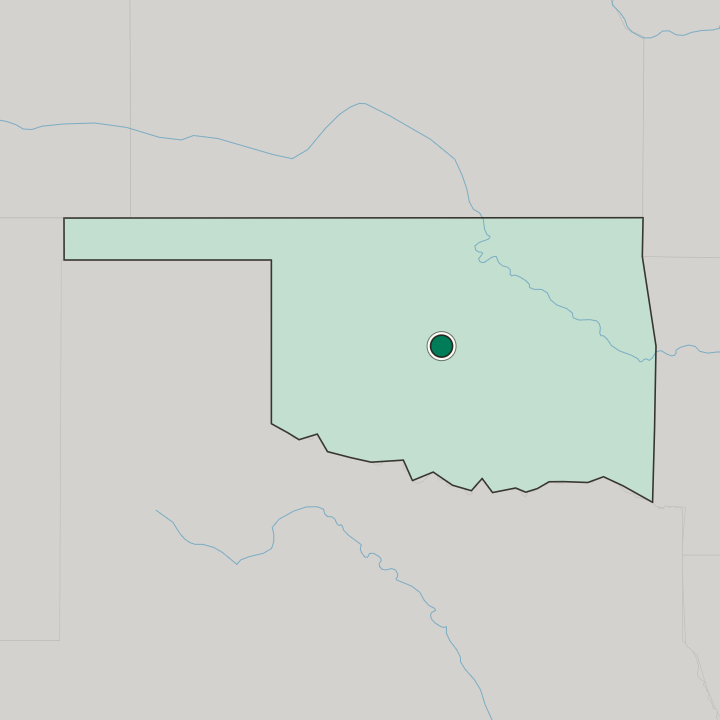
Oklahoma City sits on the rolling plains of central Oklahoma, spread along the North Canadian River. It is one of the largest cities by land area in the country, its grid running far past the core into Oklahoma County and beyond. The terrain is open and gently undulating.
Cottonwood and prairie line the river bottoms, while suburban development and watershed land fill the outer limits toward Canadian and Cleveland counties.
What is the climate of Oklahoma City?
Oklahoma City has a warm, humid climate typical of the southern plains. Summer heat settles over the southern plains for months on end. Spring brings the region's signature storms, when the city sits squarely in the path of Great Plains supercells and the occasional tornado.
Winters are short and mild by comparison, though cold snaps and ice can sweep down across Oklahoma from the north. Wind is a constant across the open prairie.
How do you get to Oklahoma City?
Oklahoma City sits at the crossing of Interstate 35 and Interstate 40, the two main highways that carry traffic across Oklahoma toward Texas, Kansas, and the rest of the southern plains. Will Rogers World Airport handles flights on the southwest side. Trains stop downtown near Bricktown.
From the airport it is a short run into the core and the Oklahoma City National Memorial, though the wide highway grid makes driving the default way in and around town.
Common questions
What is the best area to stay in Oklahoma City?
Bricktown: Canal-side nights by the Chickasaw Bricktown Ballpark. Downtown: A calmer base near the Oklahoma City Museum of Art. Museum corridor: Heritage stays near the Oklahoma History Center.
Good for
More cities in Oklahoma
Updated September 2026