United States
Oklahoma, United States — Towns & Travel Guide
Oklahoma is a landlocked state on the southern Great Plains, where Native American nations, cattle ranching and oil shaped the American West.
Hotel links are affiliate links: booking through them may earn us a commission, at no extra cost to you. It never affects how places are ranked. How this works


Towns & cities in Oklahoma
Pick a town or city — each links to where to stay.
 United States
Oklahoma City
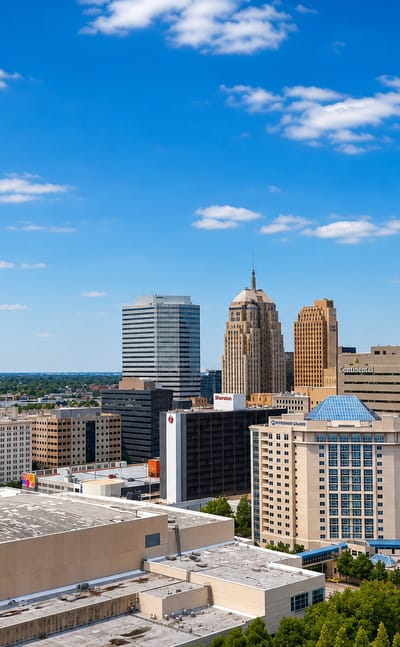
Oklahoma City is the capital of Oklahoma, a sprawling plains city known for the Oklahoma City National Memorial and the Bricktown canal district.Where to stay →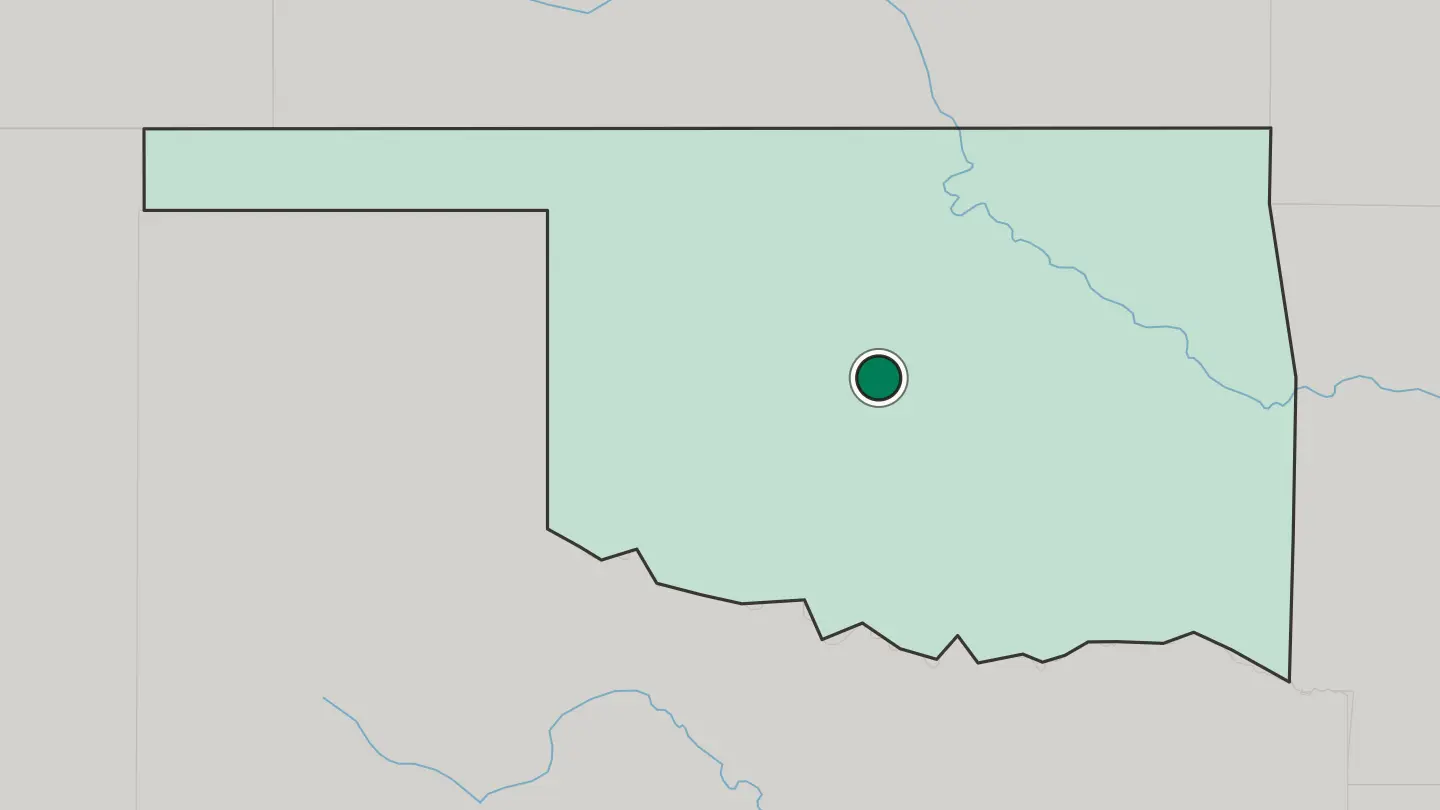
 United States
Tulsa
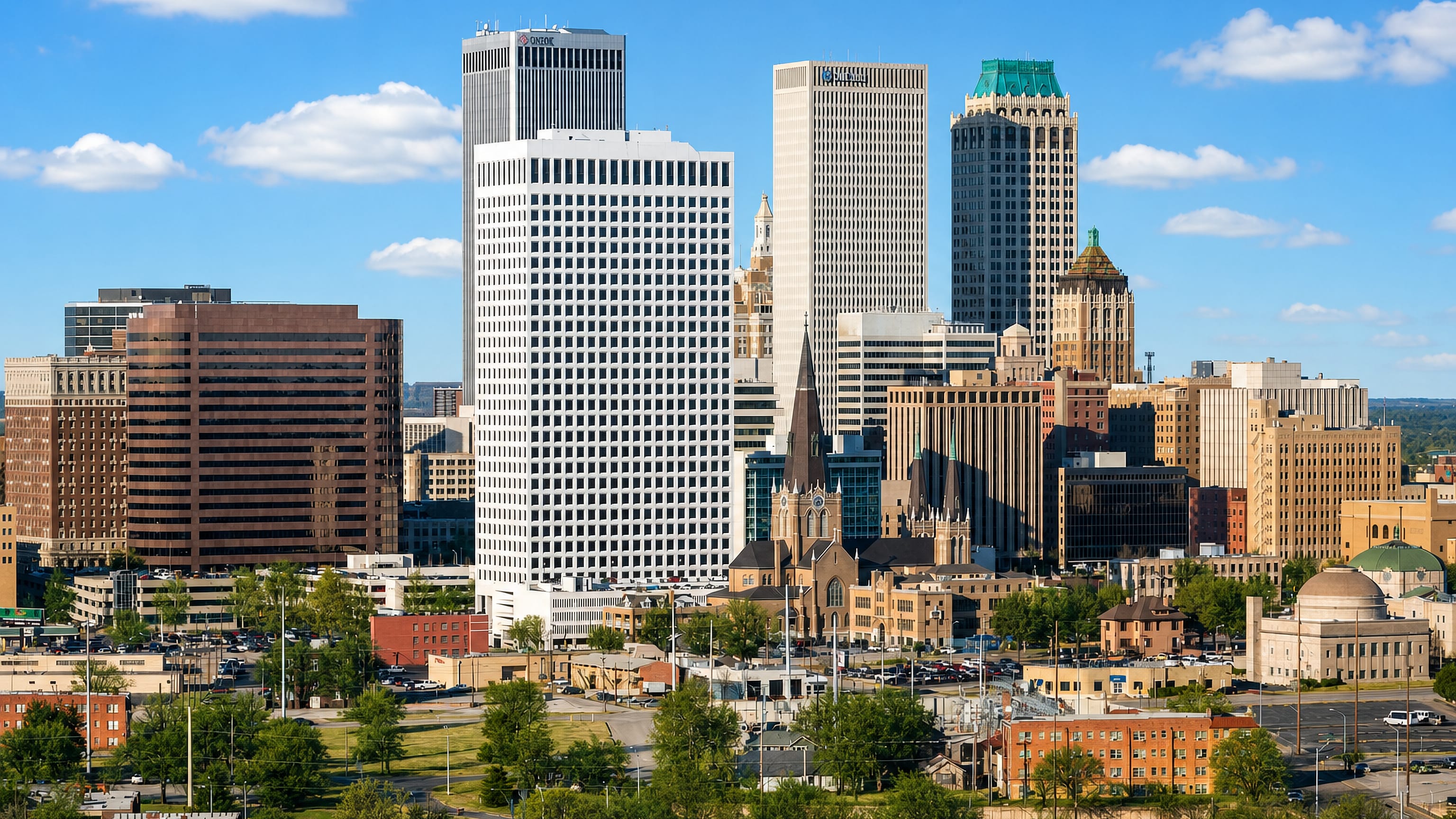
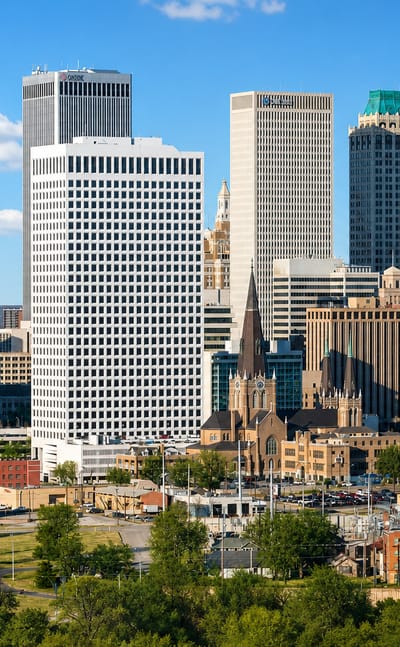
Tulsa is a city in Oklahoma known for the Philbrook Museum of Art and a downtown lined with Art Deco towers from its early oil years.Where to stay →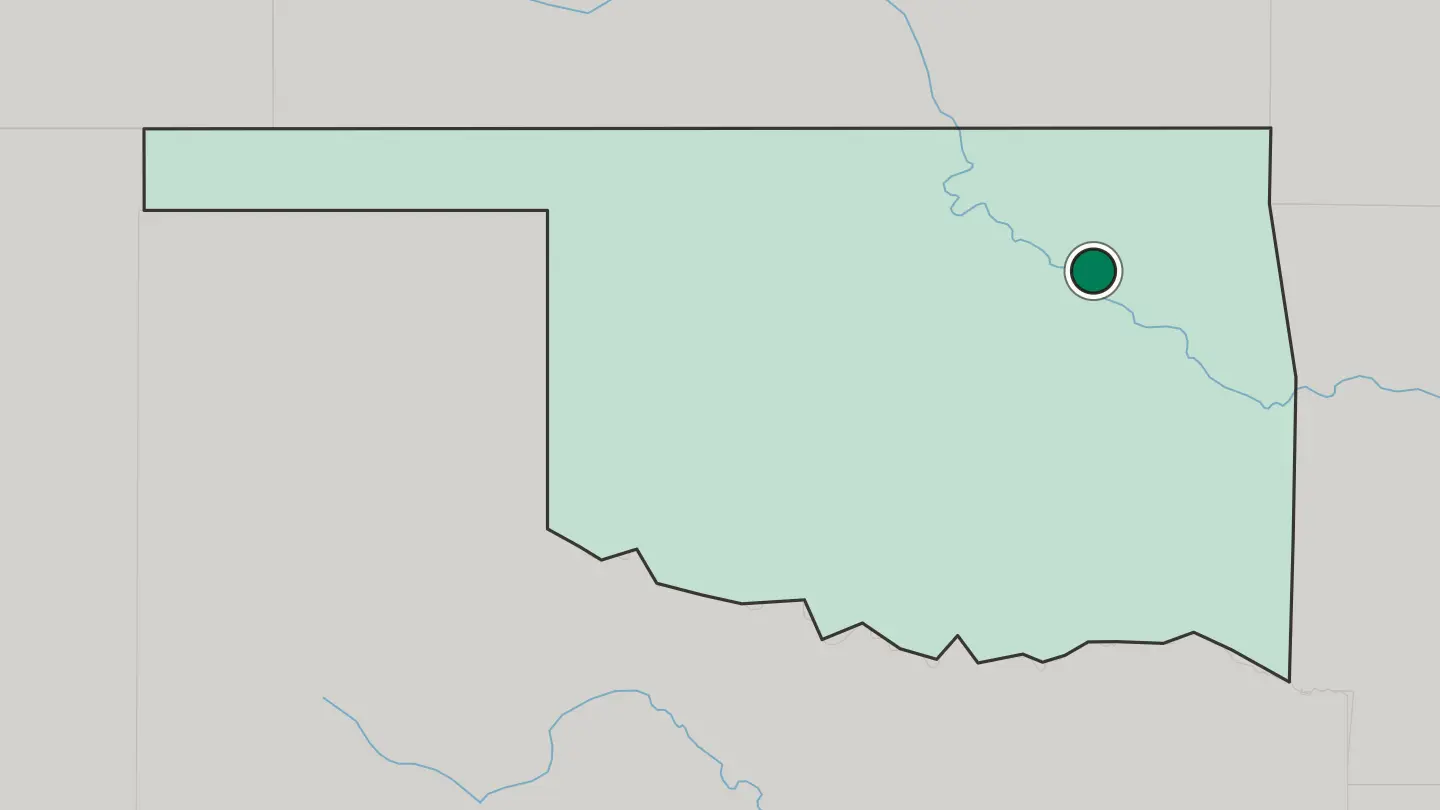
 United States
Norman
Norman anchors Cleveland County and carries the University of Oklahoma, the state's flagship, along with the Sam Noble Museum on the same campus.Where to stay →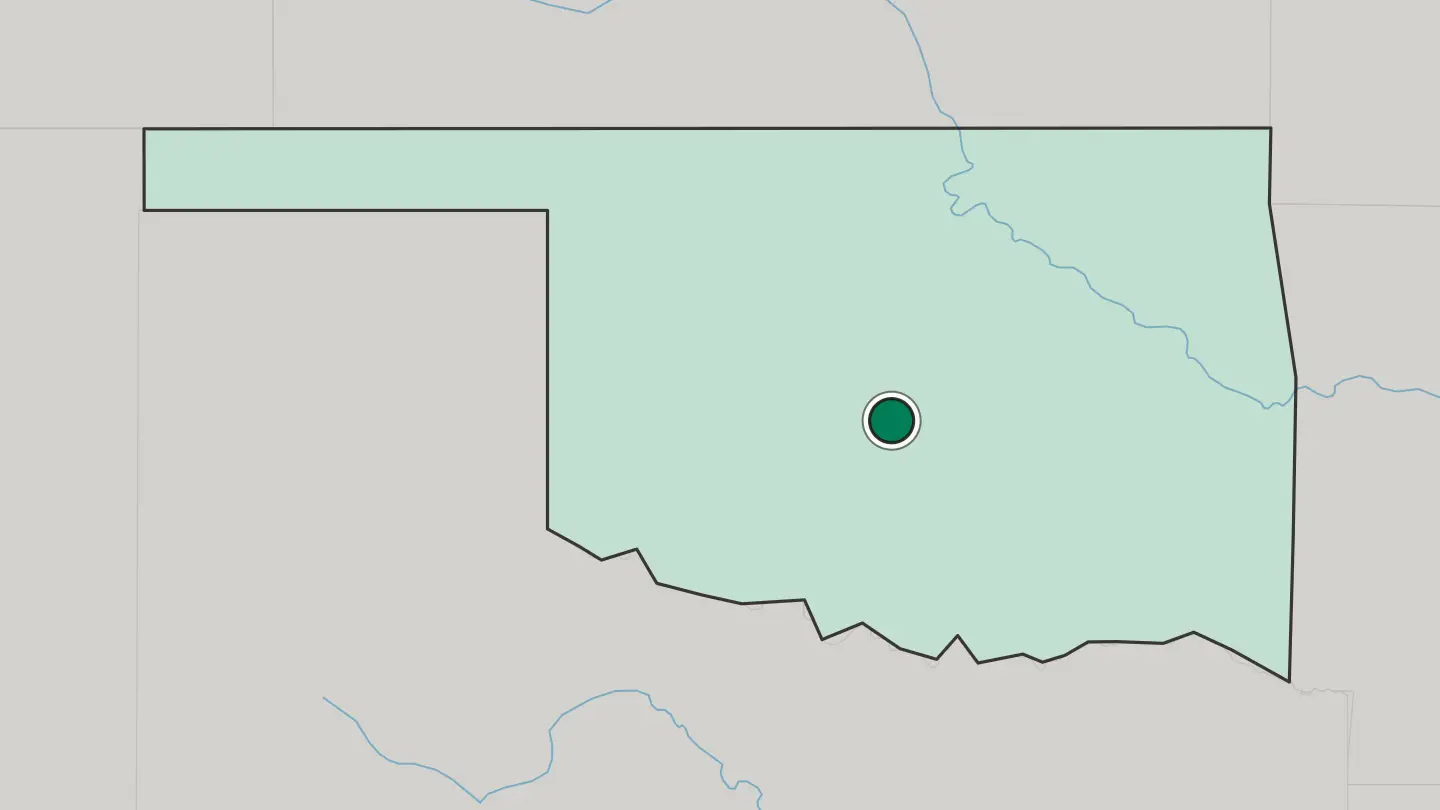
 United States
Broken Arrow
Tulsa's largest suburb, Broken Arrow goes by Tree City for the cover through its Green Country neighbourhoods.Where to stay →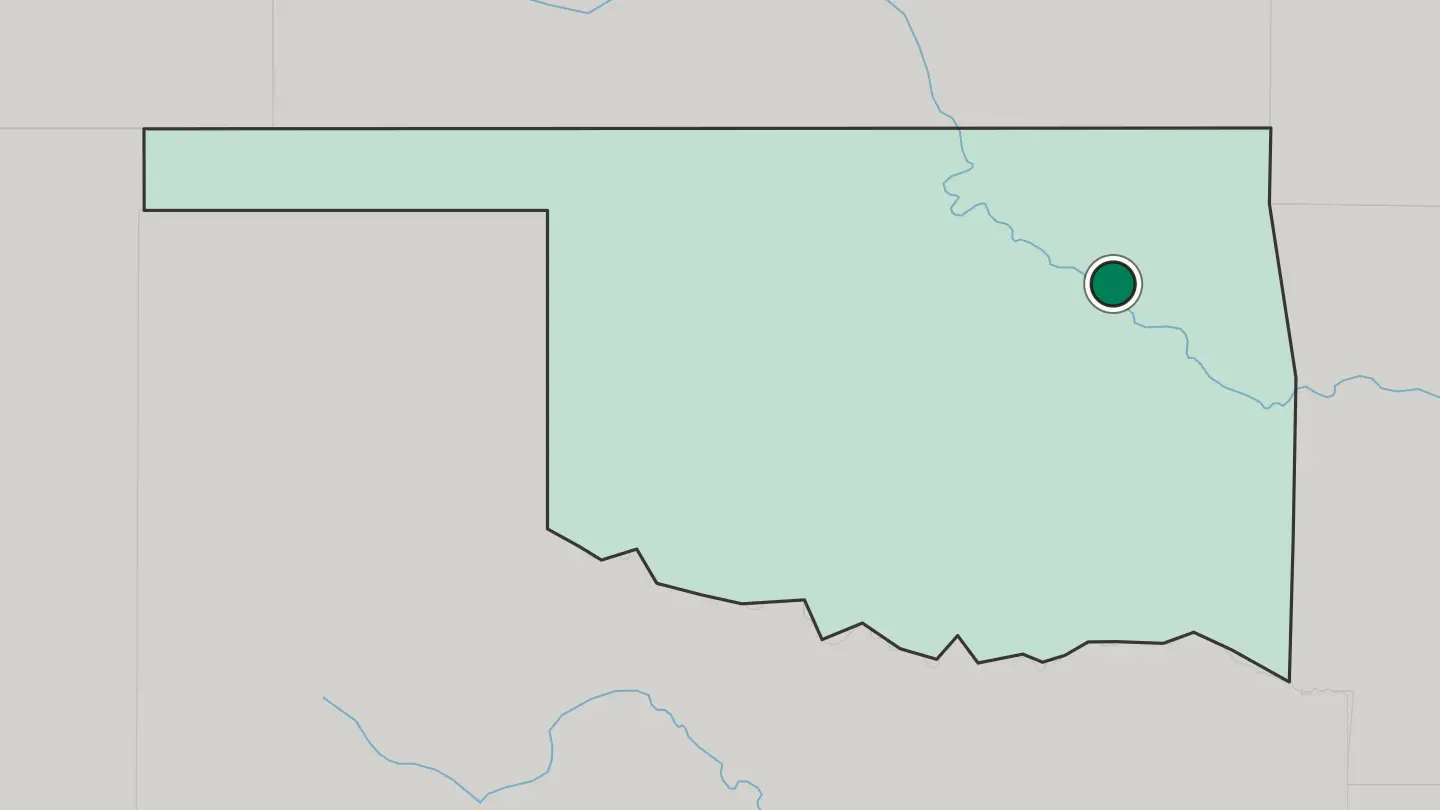 United States
Lawton
Lawton is the seat of Comanche County, a Great Plains Country city laid out in 1901 and holding the Museum of the Great Plains.Where to stay →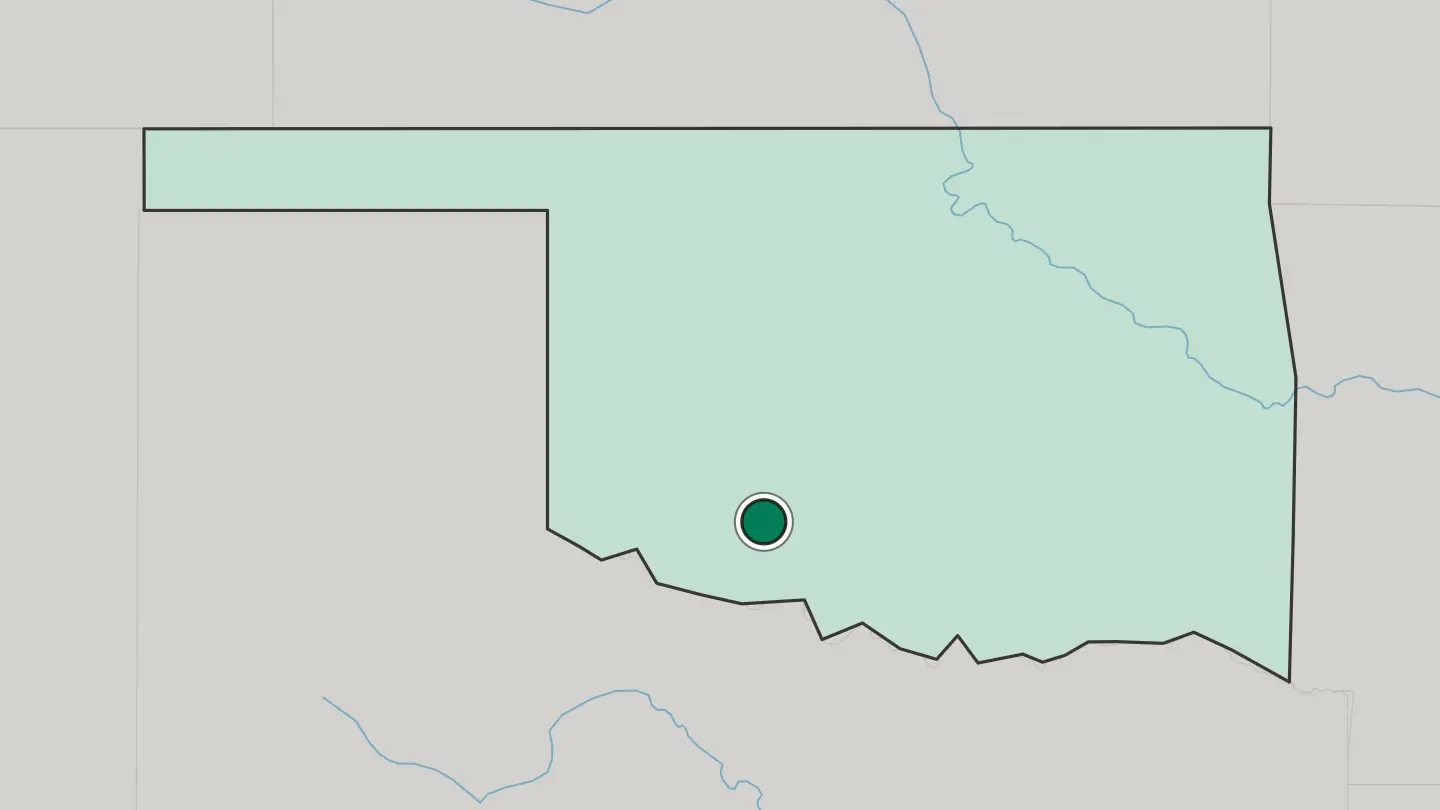 United States
Edmond
Edmond grew from an 1889 townsite on the Oklahoma City edge, and Old North Tower still marks the University of Central Oklahoma at its centre.Where to stay →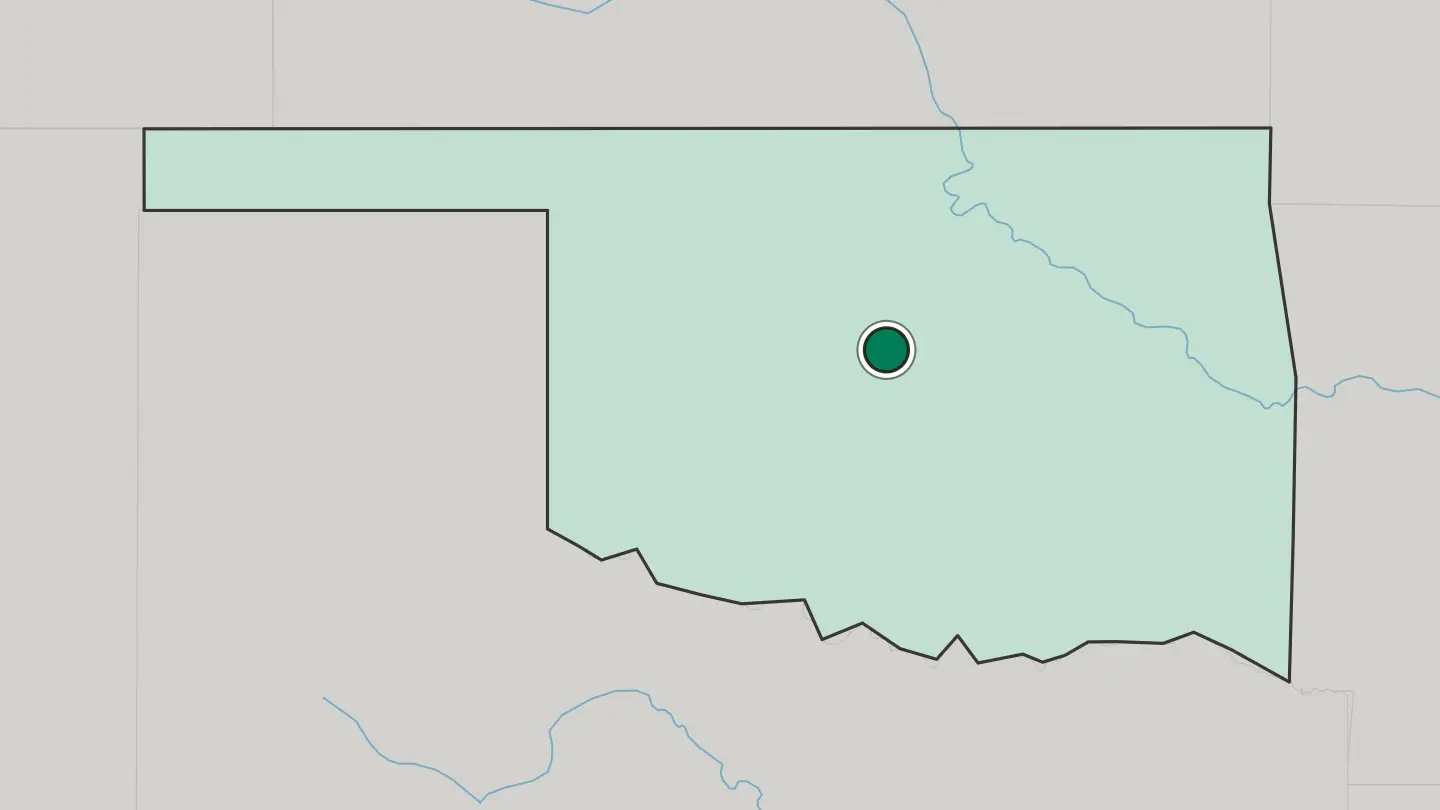 United States
Moore
Moore is a Cleveland County city inside the Oklahoma City metropolitan area, dating from 1889 and holding the Museum of Osteology.Where to stay →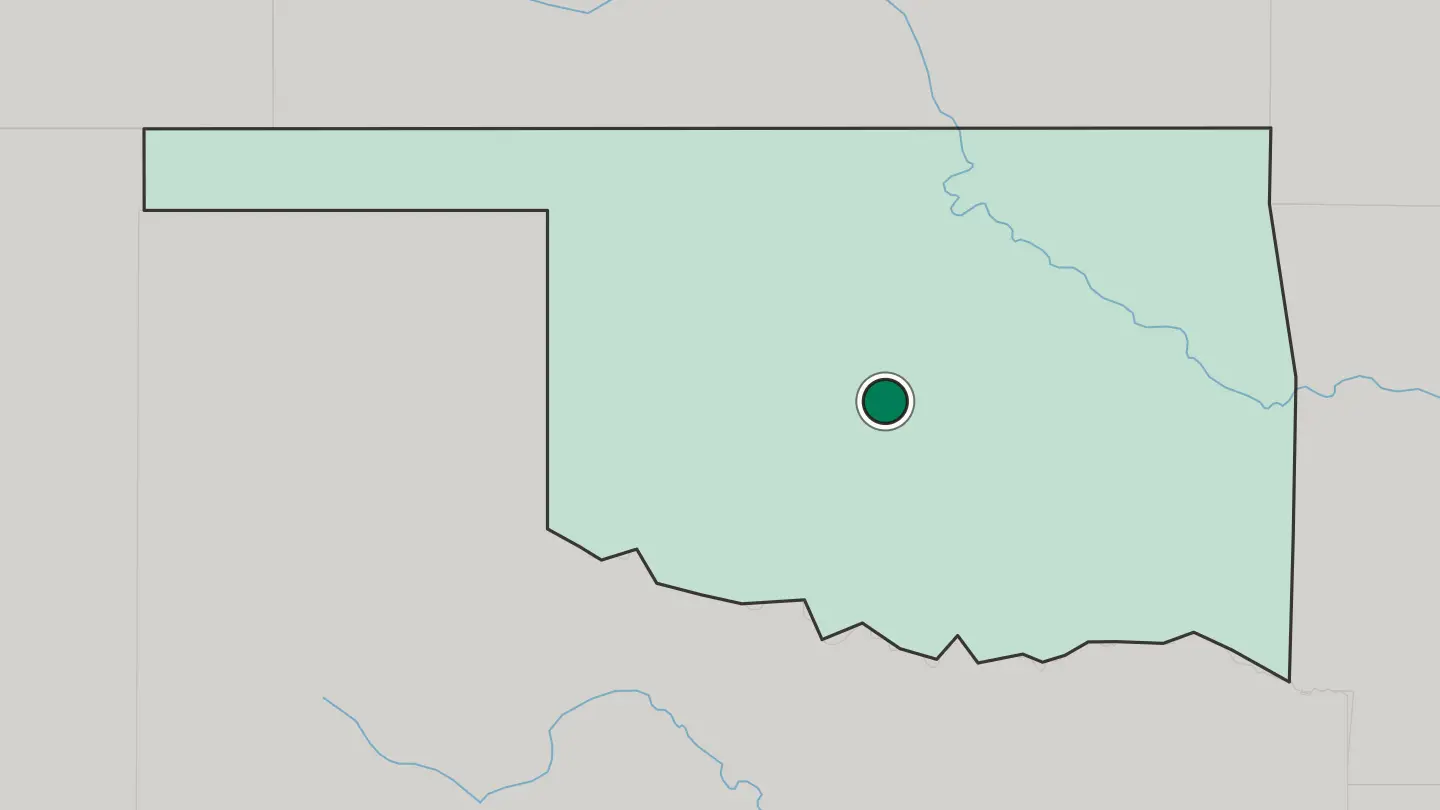
 United States
Enid
Enid is the seat of Garfield County, a wheat town laid out in the 1893 opening of the Cherokee Outlet, with grain storage of rare scale.Where to stay →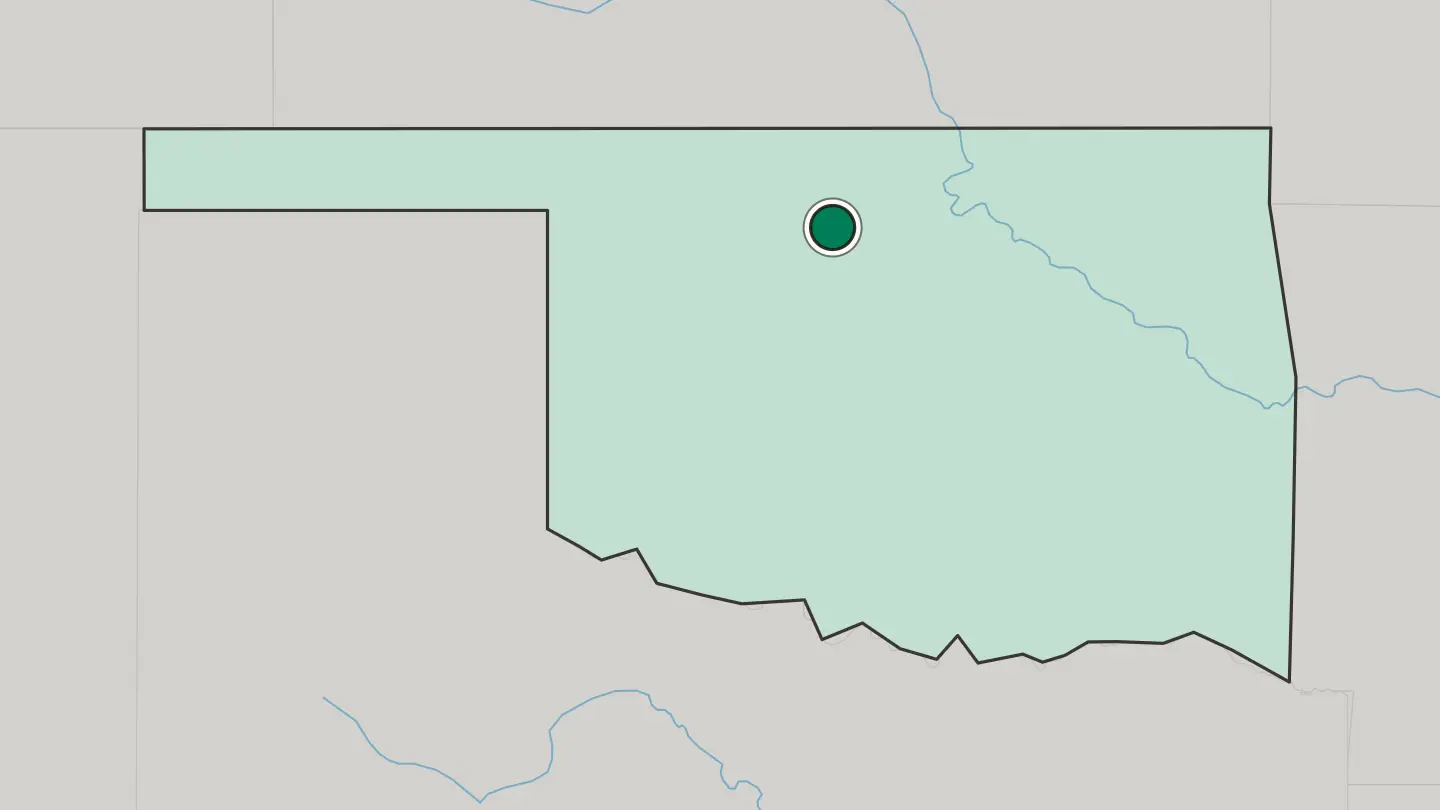
Hotel links are affiliate links: booking through them may earn us a commission, at no extra cost to you. It never affects how places are ranked. How this works
About Oklahoma
What is Oklahoma known for?
Oklahoma carries the deepest Native American imprint of any American state. Nearly forty tribal nations govern land here, many removed west along the Trail of Tears. Oil made the rest of its name, and the Glenn Pool strike near Tulsa turned that city into the self-styled Oil Capital of the World while derricks pumped on the Oklahoma City capitol lawn.
Route 66 runs clear across it. Cattle ranches and wheat fill the plains between the cities.
Where is Oklahoma?
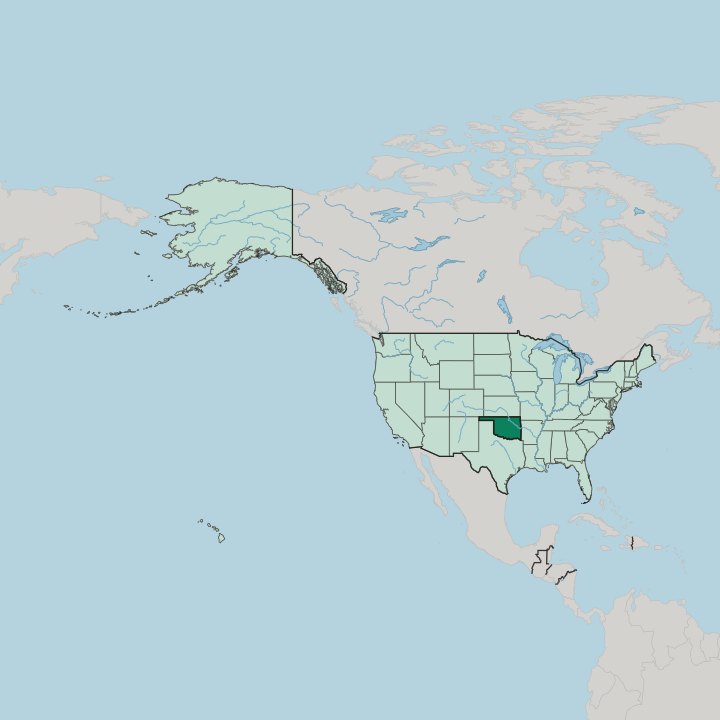
Oklahoma is landlocked, set on the southern Great Plains with no coast anywhere near. Six states ring it. Texas runs along the south and southwest, the Red River marking most of that line; Kansas lies across the north, Missouri and Arkansas to the east, and New Mexico and Colorado meet the far western tip. That tip is the Panhandle, a narrow rectangle of high plains reaching west between Texas and Kansas.
Black Mesa rises at its far corner, the highest ground in the state, closer to the Rockies than to Tulsa. The land tilts downward as it runs east, from dry short-grass plains toward wetter, greener country. Inside those borders the terrain changes more than in any comparable stretch of the plains.
The northeast climbs into the wooded Ozark Plateau, a karst country of springs, sinkholes and rounded green hills. Southeast of there the Ouachita Mountains fold into long parallel ridges of pine. Between them, the Cross Timbers belt of scrubby oak divides the eastern woods from the western prairie, and the tallgrass of the old bison range still stands in the north-central counties.
Ancient granite breaks the surface in the southwest, where the Wichita Mountains hold a bison and longhorn refuge. Two great river systems drain almost all of it. The Arkansas gathers the north and the Red River the south, their waters caught behind more man-made lakes than most states can count.
What is Oklahoma like?
No state is more Native than Oklahoma. Its very name is Choctaw, from words meaning red people, and nearly forty tribal nations govern territory inside its borders. The Five Tribes rebuilt their governments here after removal from the southeast, and their capitals still stand: the Cherokee at Tahlequah, the Muscogee at Okmulgee, the Chickasaw at Tishomingo.
Tulsa itself took its name from a Muscogee town in Alabama. Powwows, stomp dances and stickball keep the older cultures alive, and the First Americans Museum in Oklahoma City gathers all of them under one roof. The other Oklahoma is cowboy country.
Cattle drives once crossed it on the Chisholm Trail, rodeo remains a serious sport, and the National Cowboy and Western Heritage Museum guards the whole mythology in Oklahoma City. Route 66 laid down a second layer of Americana, its diners and neon strung from Tulsa toward the Texas line. The state sings, too.
Woody Guthrie grew up at Okemah, Will Rogers came off a Cherokee ranch near Claremore, and the red dirt music scene still traces back to a farmhouse near Stillwater. Oil money left its own mark, funding the Art Deco towers and the Philbrook mansion that make Tulsa worth the detour. English is the common tongue, though Cherokee is still taught and spoken.
What is the history of Oklahoma?
For most of the nineteenth century this was Indian Territory, the ground set aside for tribes driven west along the Trail of Tears. Then the land runs opened it to settlers. At noon on an April day in 1889 tens of thousands raced to stake claims, and those who slipped across the line early gave Oklahoma its nickname, the Sooner State.
The Oklahoma and Indian territories joined as the 46th state in 1907. Oil boomed, then the plains blew away. The Dust Bowl of the 1930s emptied whole counties, sending families west toward California.
What is the climate of Oklahoma?
Oklahoma's weather splits from east to west. Warm, wet air off the Gulf of Mexico keeps the eastern hills humid subtropical, while the western plains and the Panhandle dry into near-desert. Summers are long and hard, with weeks of heat pushing past the hundreds.
The real signature is the sky. Where that Gulf moisture collides with cold air spilling south off the Rockies, spring turns violent, and Oklahoma sits squarely in Tornado Alley, its worst storms clustered in May. Winters are short but can snap bitterly cold on a north wind.
How do you get to Oklahoma?
Oklahoma has no coast, so nearly every visitor arrives overland or by air. Two airports carry most of the traffic. Will Rogers World Airport serves Oklahoma City and the busier Tulsa International handles the northeast.
Interstate 35 crosses the state north to south, linking Kansas with Texas, while Interstate 40 runs east to west along the old Route 66 corridor and the Turner Turnpike ties Oklahoma City to Tulsa. A single passenger train, the Heartland Flyer, still runs south toward Fort Worth. Everything else is highway.
Common questions
What is the best area to stay in Oklahoma?
Oklahoma City: a fitting start to an Oklahoma trip. Tulsa: Art Deco downtown and Route 66. Norman: a college town south of the capital. Lawton and the Wichita Mountains: granite peaks and a bison refuge.
Good for
More regions in United States
Updated September 2026