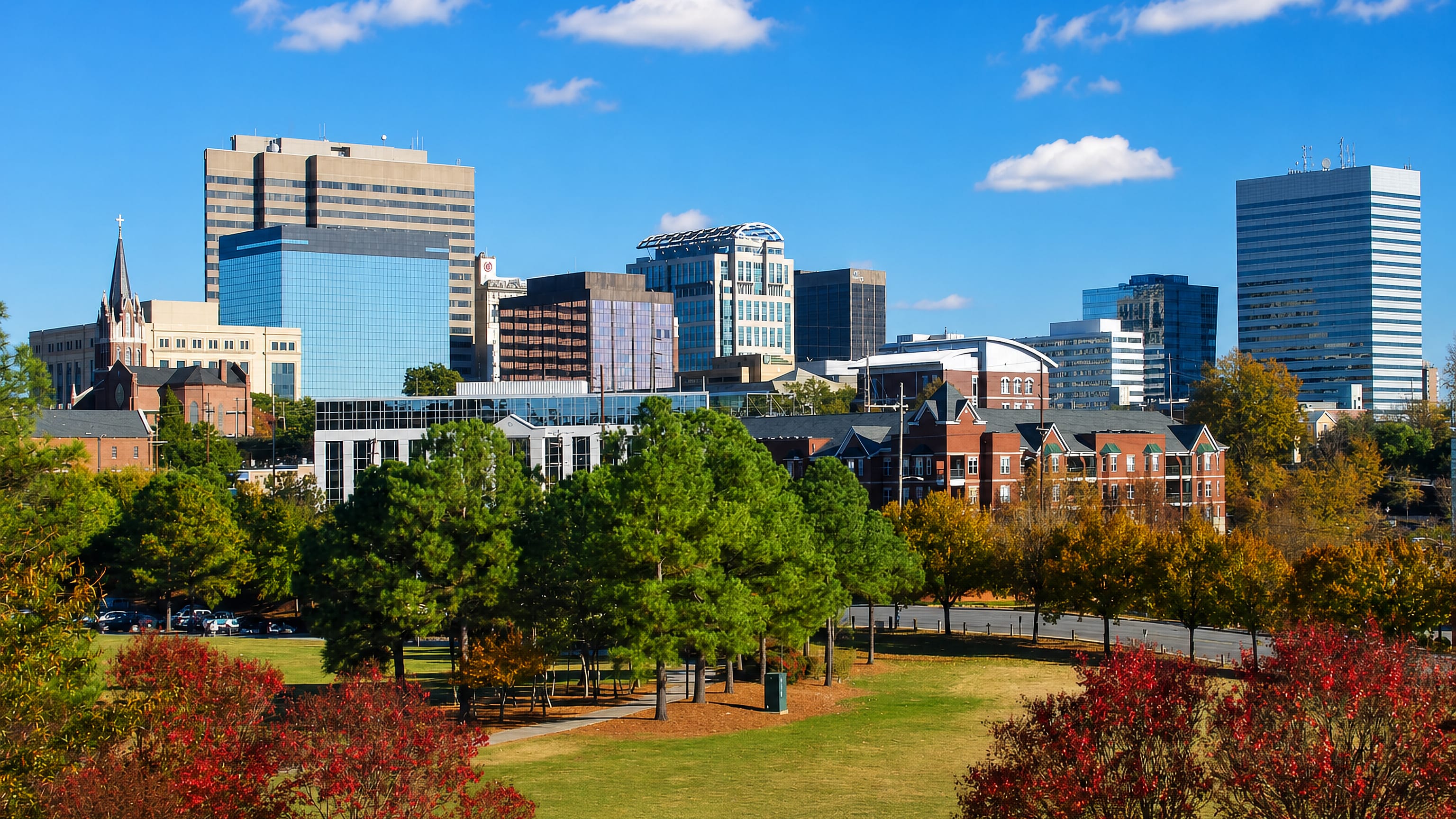
United States · South Carolina
Where to Stay in Columbia, South Carolina
Columbia is the capital of South Carolina, a planned inland city known for the Columbia Museum of Art and the Riverbanks Zoo.
Hotel links are affiliate links: booking through them may earn us a commission, at no extra cost to you. It never affects how places are ranked. How this works


Where to stay in Columbia
How the choice of base plays out on the ground.
Where to stay in Columbia turns on how close a visitor wants to sit to the museums of the capital and to the river edge of South Carolina's largest inland city. The central district gathers the civic and cultural sites in a walkable grid. The central grid keeps everything within a short walk.
Around the Columbia Museum of Art and the McKissick Museum, hotels stand within easy reach of the historic houses and the founding-era streets laid out after 1787, and the Mann-Simons Cottage lies close among the older blocks. A bed here keeps the galleries and heritage sites on the doorstep. The riverside quarter sits toward the western edge, drawn around the Riverbanks Zoo and the ground above the Saluda, where lodging trades the busy central grid for greener blocks near the water and the gardens.
Each of these quarters reads a little differently. Along the stadium district, Segra Park and Carolina Stadium mark a quarter built around sport and student crowds, where rooms suit visitors who come for a game rather than the capital's museums. A short ride ties these quarters across the city, so a hotel away from the central grid is rarely far from the Museum of Art, the zoo, or the historic streets that record the founding of Columbia.
Water shapes the western edge.
Find hotels in Columbia
Direct booking searches for these neighbourhoods.
Capital core
The central district gathers hotels within a few blocks of the Columbia Museum of Art, the McKissick Museum, and the Mann-Simons Cottage among the streets laid out after 1787.Find hotels in Capital coreBest if you want the zoo and the greener blocks above the Saluda on the doorstep, with the capital's museums a short ride east.Riverbanks edge
The western riverside quarter draws around the Riverbanks Zoo and the gardens above the Saluda, setting lodging beside the water rather than the civic grid of the capital.Find hotels in Riverbanks edgeHotel links are affiliate links: booking through them may earn us a commission, at no extra cost to you. It never affects how places are ranked. How this works
Things to do in Columbia
Ranked by global recognition; descriptions from Wikidata (CC0).
Museums & Galleries
2- Columbia Museum of Art
- McKissick Museum
Churches & Religious Sites
5- First Presbyterian Church (Columbia) Heritage
- Bethel A.M.E. Church Heritage
- Ladson Presbyterian Church Heritage
- Sidney Park Colored Methodist Episcopal Church Heritage
- Woodrow Memorial Presbyterian Church Heritage
Castles & Historic Sites
3- Saluda Factory Historic District Heritage
- Maxcy Monument Heritage
- Palmetto Regiment Mexican War Monument (Columbia)
Stadiums & Sports
3- Carolina Stadium
- Capital City Stadium
- Eugene E. Stone III Stadium
Parks & Gardens
1- Riverbanks Zoo
Landmarks & Notable Places
6- Hampton-Preston House Heritage
- Modjeska Monteith Simkins House Heritage
- Alston House Heritage
- Debruhl-Marshall House Heritage
- William J. Cayce House Heritage
Show 1 more →
- Harriet M. Cornwell Tourist House Heritage
worth knowingacross 6 categories in Columbia
About Columbia
What is Columbia known for?
Columbia is known as the seat of government for South Carolina and as a center of museums and heritage sites. The Columbia Museum of Art holds its visual-arts collections, and the McKissick Museum gathers regional history and folk collections. Families come for the zoo.
The Riverbanks Zoo sits on the western edge of the city, while the historic Mann-Simons Cottage and the Modjeska Monteith Simkins House preserve stories of the people who shaped the capital across two centuries.
What are the main landmarks in Columbia?
Landmarks in Columbia range from museums to historic houses and the riverside zoo. The Columbia Museum of Art anchors the cultural sites, drawing visitors to the capital's central grid. Older houses reward a closer look.
The Mann-Simons Cottage and the Hampton-Preston House carry the city's nineteenth-century story, while the Riverbanks Zoo spreads along the western edge above the Saluda and the McKissick Museum holds regional folk collections.
What is the history of Columbia?
Columbia was founded in 1787 as the planned capital of South Carolina, laid out on a grid on high ground near the river. Its founders chose an inland site for a new seat of government. Planning came first.
The wide streets and civic lots set out at the founding still shape the central district, and the Hampton-Preston House and the First Presbyterian Church survive from the decades when the young capital filled its blocks with houses and congregations. The Mann-Simons Cottage and the Bethel A.M.E. Church trace the story of the city's Black community through the nineteenth century, and later the Modjeska Monteith Simkins House marked a center of civic-rights work carried on within the capital.
Institutions gathered over time. The Columbia Museum of Art and the McKissick Museum added cultural anchors to a city that began as an act of deliberate planning, so the modern capital carries both its founding-era street plan from 1787 and the museums and historic houses that record two centuries of South Carolina life.
Where is Columbia?
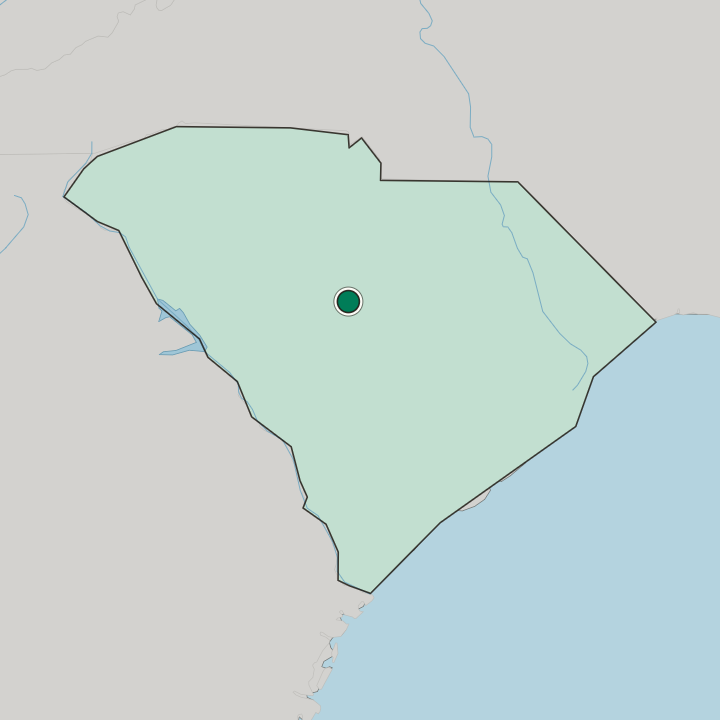
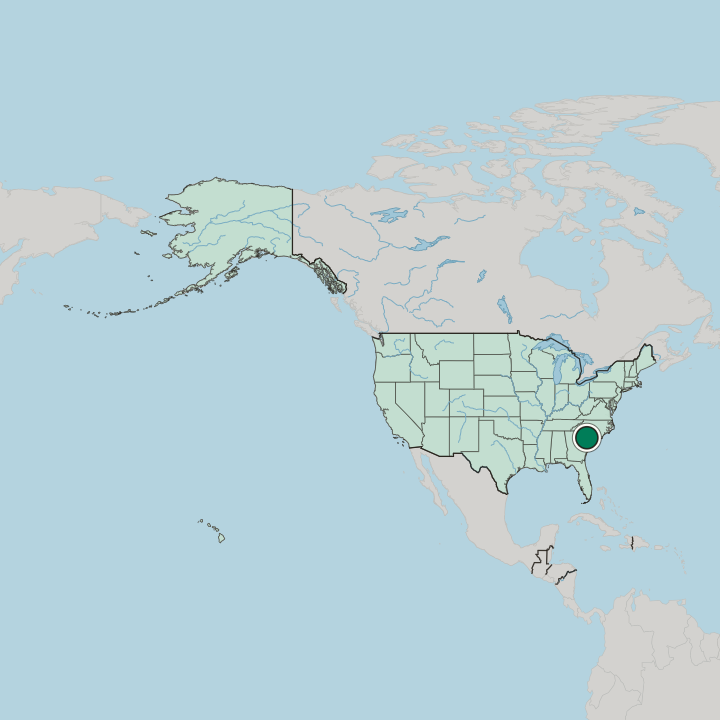
Columbia sits inland in South Carolina, on high ground near where the Saluda joins the wider river system of the state's central plain. The city spreads across a low, rolling landscape. The Saluda runs along its western edge.
That river ground carries the Riverbanks Zoo and the gardens, while the central grid stands on the higher terrace where the planned capital was first laid out well back from the coast.
What is the climate of Columbia?
Columbia has a warm, humid climate typical of the inland South Carolina plain near the Saluda. Summers run long, hot, and humid. Winters stay short and mild.
The inland setting keeps the heat sharper than on the coast, and the surrounding low terrain around the river gives the city warm, sticky summer afternoons broken by heavy thunderstorms before the cooler, drier air of the shorter winter months.
How do you get to Columbia?
Columbia is reached by road and air across South Carolina, sitting inland near the Saluda. Interstate 20 and Interstate 26 cross at the city, tying it to the coast and the upstate. Its own airport serves the capital directly.
Highways carry most arrivals from the surrounding plain and from the larger cities along the corridors, and the road network fans out from the central grid toward the zoo, the stadiums, and the historic districts spread across the city.
Common questions
What is the best area to stay in Columbia?
Capital core: Best if you want the Columbia Museum of Art and the founding-era houses a short walk from bed and accept a busy central grid in return.. Riverbanks edge: Best if you want the zoo and the greener blocks above the Saluda on the doorstep, with the capital's museums a short ride east..
Good for
More cities in South Carolina
Updated September 2026