United States
South Carolina, United States — Towns & Travel Guide
South Carolina is a Southern US state on the Atlantic, its land climbing from Lowcountry salt marsh to the Blue Ridge foothills of the Upstate.
Hotel links are affiliate links: booking through them may earn us a commission, at no extra cost to you. It never affects how places are ranked. How this works


Towns & cities in South Carolina
Pick a town or city — each links to where to stay.
 United States
Columbia
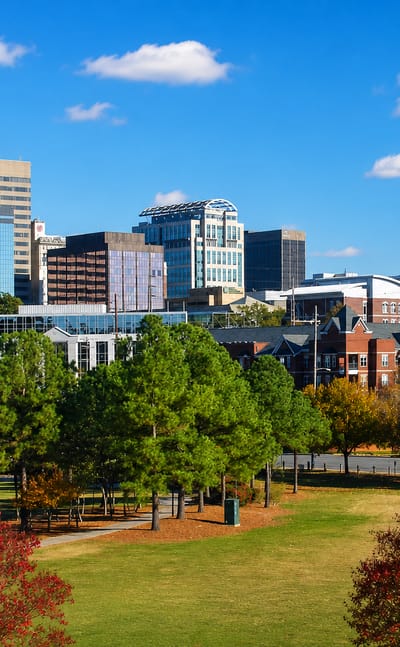
Columbia is the capital of South Carolina, a planned inland city known for the Columbia Museum of Art and the Riverbanks Zoo.Where to stay →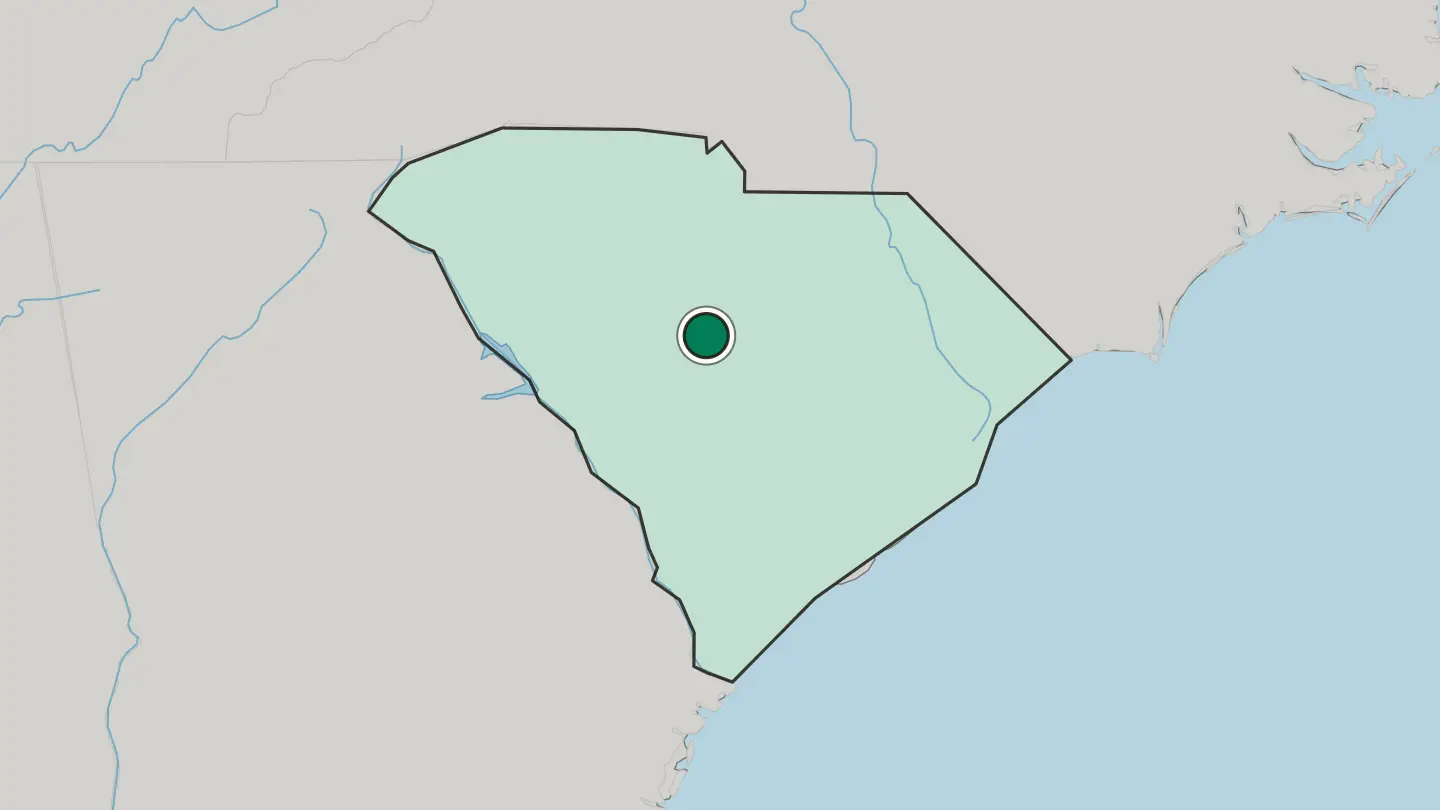
 United States
Charleston
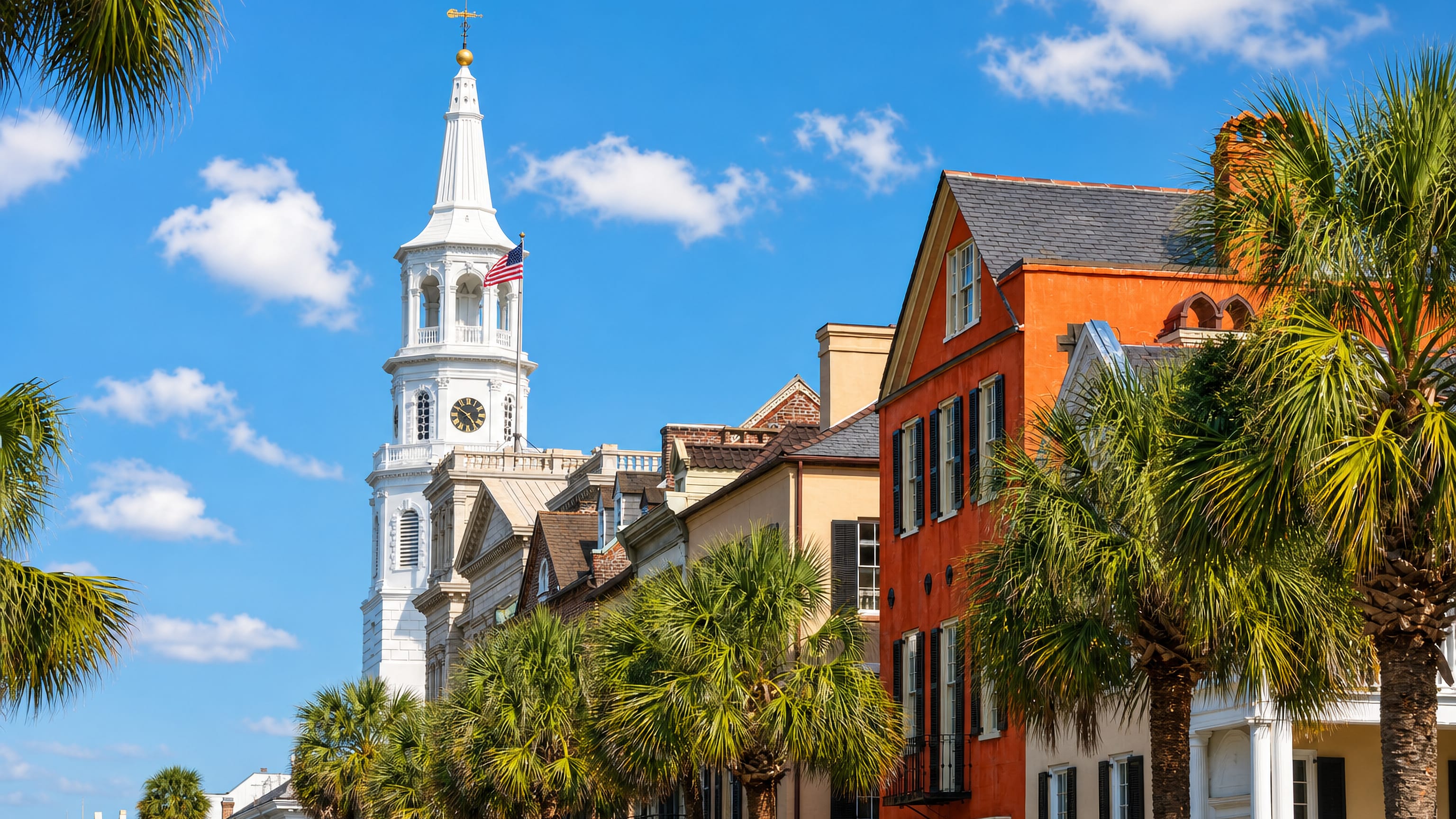
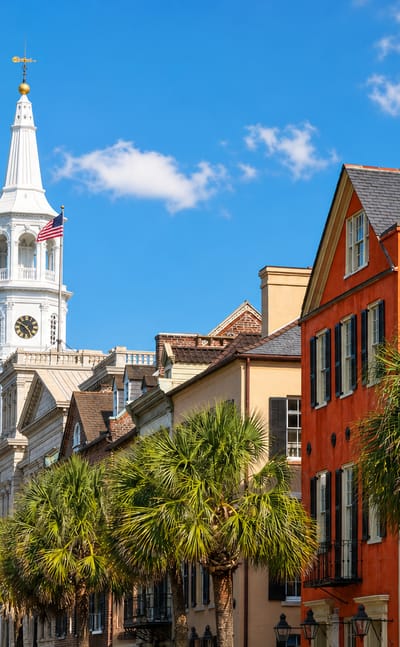
Charleston is a historic port city in South Carolina, known for the Huguenot Church, its cobbled peninsula streets, and a harbor guarded by old forts.Where to stay →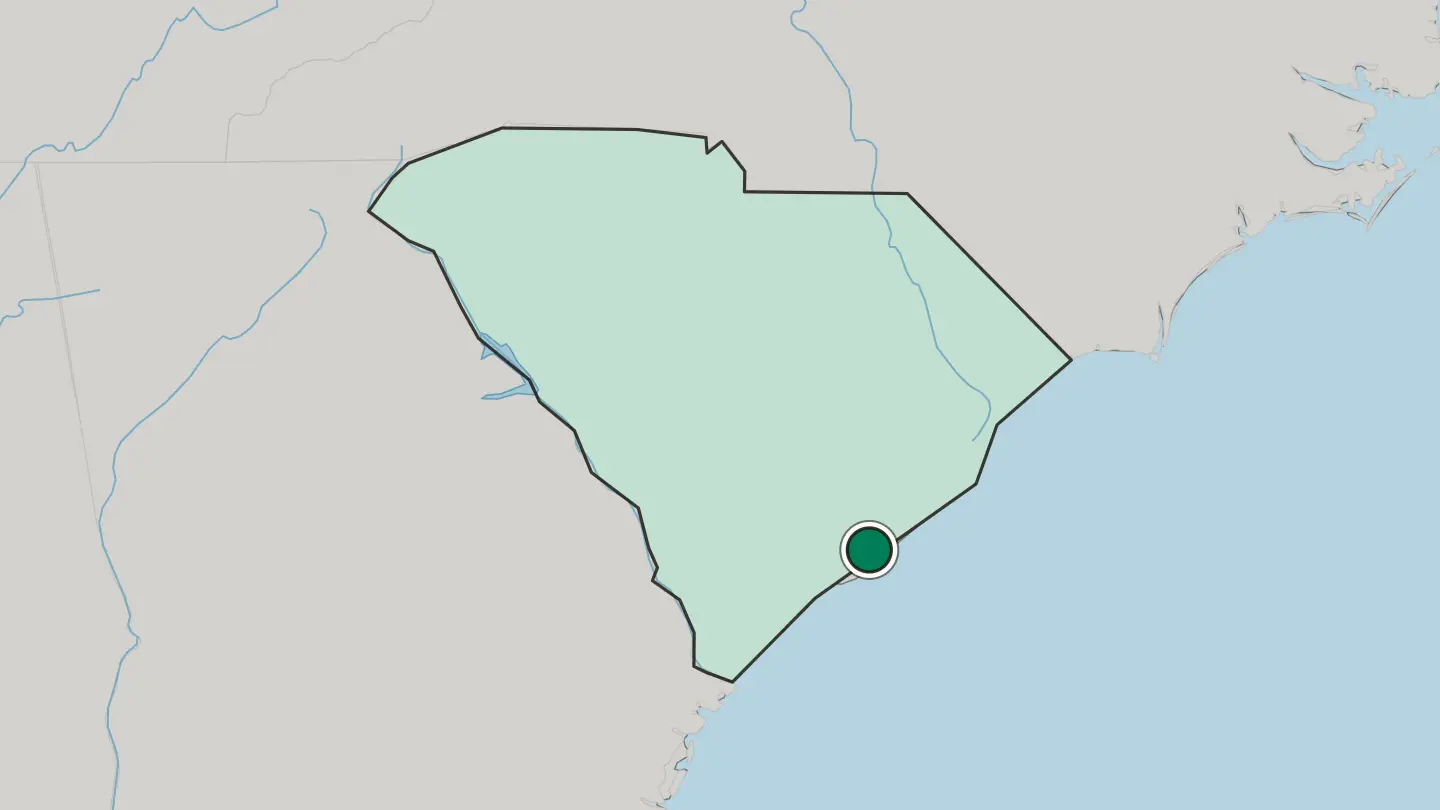
 United States
North Charleston
North Charleston is South Carolina's third-largest city, built around the Charleston Naval Shipyard and keeper of the H. L. Hunley.Where to stay →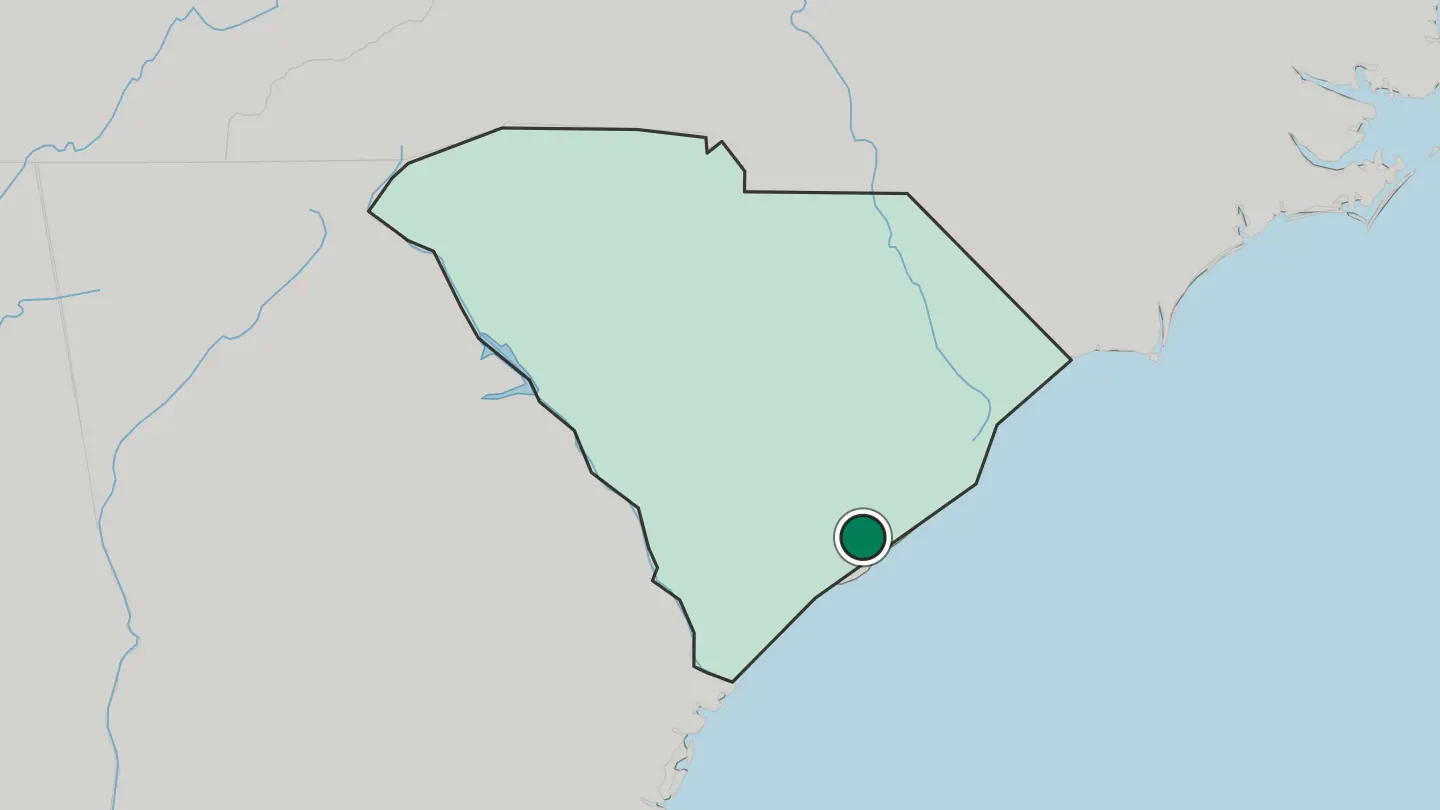 United States
Mount Pleasant
Mount Pleasant is a Lowcountry town in Charleston County, South Carolina, known for the USS Yorktown and the Charles Pinckney National Historic Site.Where to stay →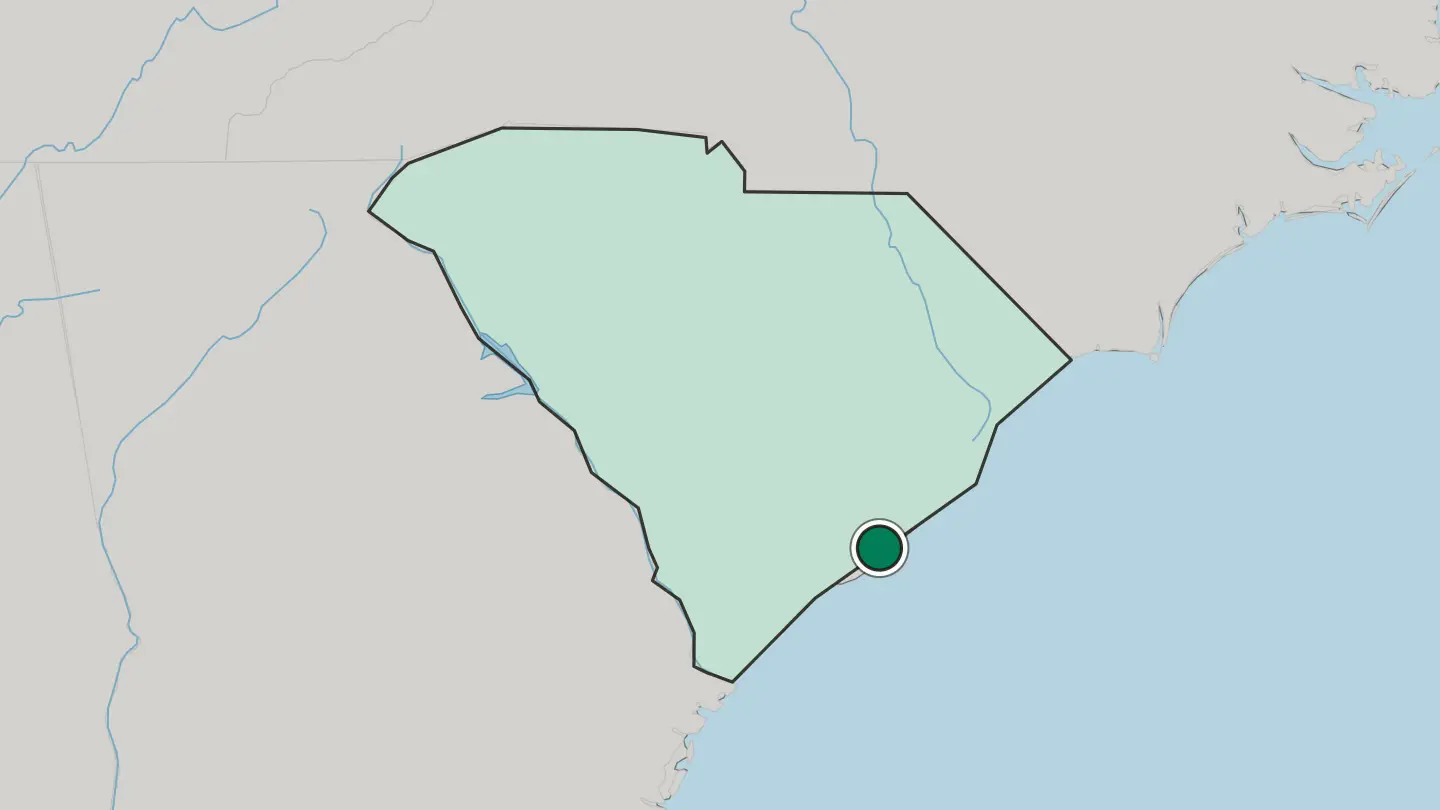
 United States
Rock Hill
Rock Hill, dating from 1852, is the largest city in York County, South Carolina, standing in the Olde English District south of Charlotte.Where to stay →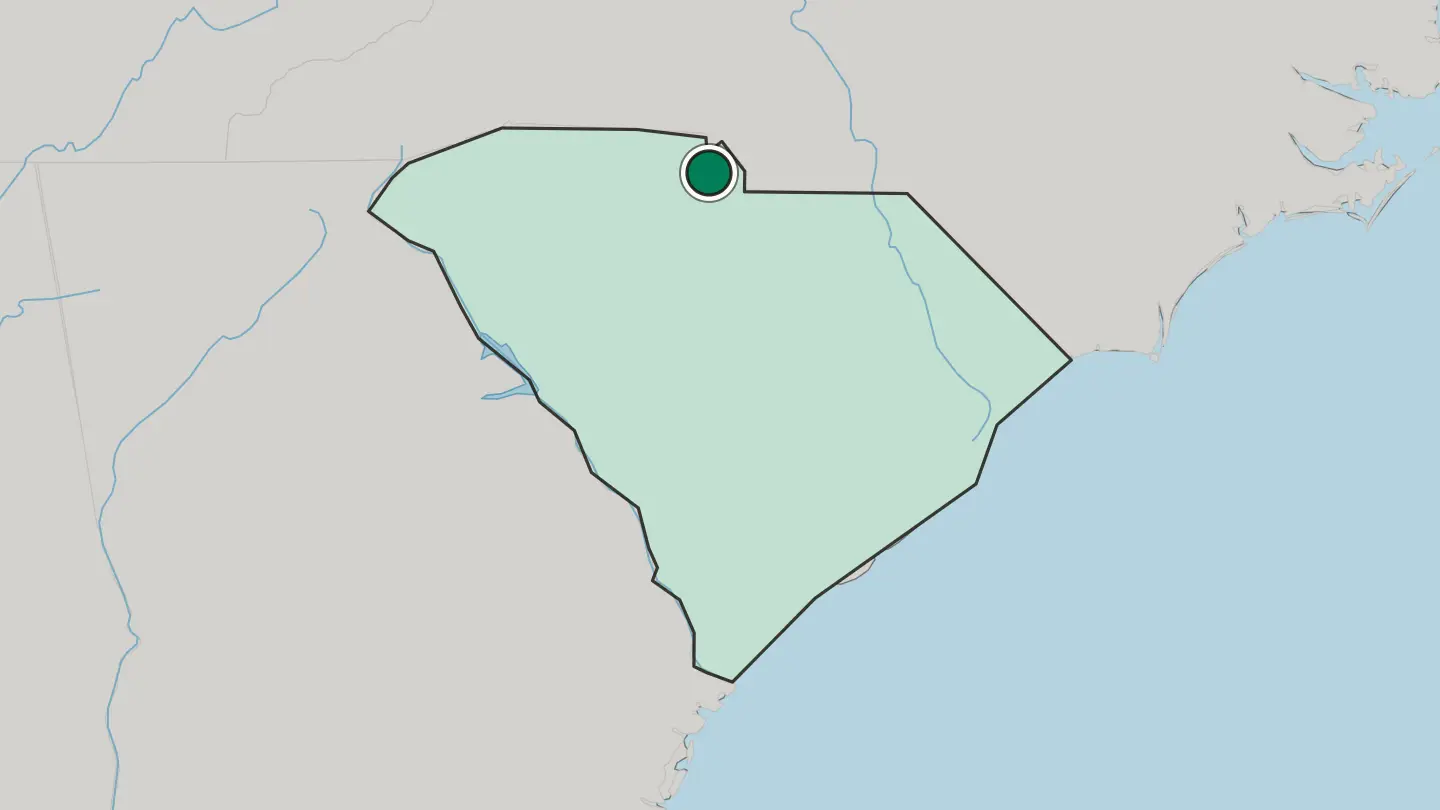
 United States
Greenville
Brick mills and a ballpark mark Greenville, a city in South Carolina known for Fluor Field at the West End and the Greenville County Museum of Art.Where to stay →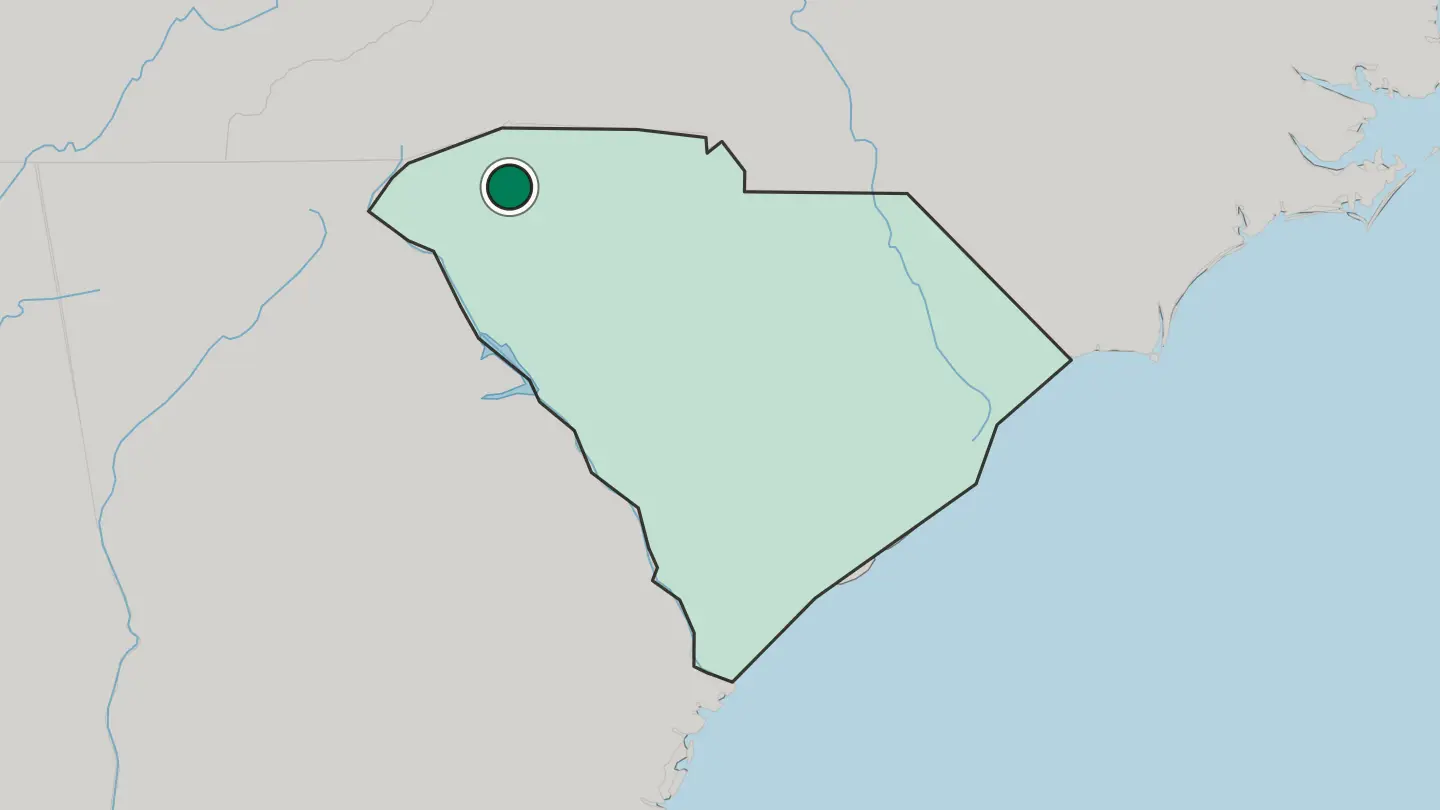
Hotel links are affiliate links: booking through them may earn us a commission, at no extra cost to you. It never affects how places are ranked. How this works
About South Carolina
What is South Carolina known for?
Charleston carries the state's reputation. Its harbour holds Fort Sumter, where the first shots of the American Civil War were fired in 1861, and its old streets keep block after block of antebellum houses behind wrought-iron gates. Beyond the city the draw splits between shore and mountains: the long beaches of the Grand Strand around Myrtle Beach, the Gullah Geechee villages of the Sea Islands, and the Blue Ridge foothills rising in the Upstate.
Food matters here too. Shrimp and grits, she-crab soup, and mustard-based barbecue all trace back to the Lowcountry kitchen.
Where is South Carolina?
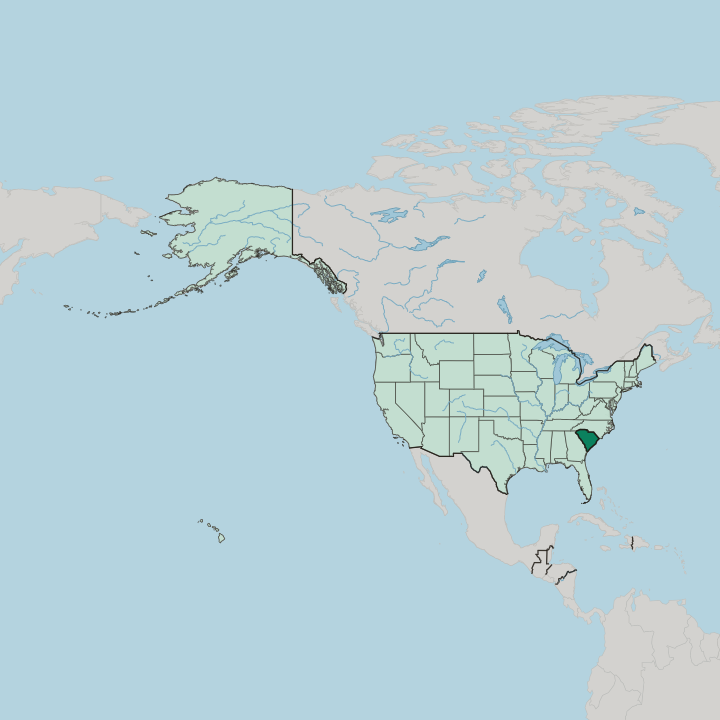
South Carolina sits in the Southeastern United States, a wedge of land tilted from the mountains down to the sea. Three bands cross it. North Carolina wraps the northern and north-eastern edge, the Atlantic Ocean fills the south-east, and the Savannah River draws the western and southern line against Georgia. In the far north-west the Blue Ridge Mountains, the local edge of the Appalachian Mountains, raise the Upstate's ridges and waterfalls, and Sassafras Mountain stands as the highest ground in the state.
Below them the Piedmont rolls out in red-clay hills toward the Sandhills, a belt of ancient dunes that traces an old shoreline across the middle of the state. From there the Atlantic Coastal Plain runs flat and wide to the ocean. This is the Lowcountry.
Its edge dissolves into the Sea Islands, a maze of barrier islands, tidal creeks, and salt marsh strung the length of the coast. Its major rivers all run the same way, the Savannah, the Santee, the Pee Dee, and the blackwater Edisto among them, each gathering into broad swamps before it reaches salt water. One floodplain tells the story best.
Along the Congaree River south-east of Columbia, Congaree National Park protects the tallest stand of old-growth hardwood forest left in the region.
What is South Carolina like?
The Lowcountry keeps the state's most distinct culture. On the Sea Islands, the Gullah Geechee, descendants of enslaved West Africans brought to work the rice and cotton fields, held onto their own creole speech, foodways, and crafts through long isolation from the mainland. Their hands still coil sweetgrass into baskets, the official state craft, using a marsh-grass technique carried over from West Africa.
Their kitchen shaped how the whole state eats. Rice sits at the centre of it, in Hoppin' John and red rice, beside okra, boiled peanuts, and creek shrimp, and the wider Lowcountry table added shrimp and grits and she-crab soup. Even the barbecue is regional, dressed in a mustard-gold sauce found almost nowhere else.
Charleston gathers the state's older culture into one walkable port. Pastel single houses line the Battery and Rainbow Row, and each spring the Spoleto Festival USA fills the churches and theatres with opera, dance, and chamber music. Beaufort keeps a smaller version of the same antebellum grace down the coast.
English is the common language across the state, though the Gullah tongue still colours speech on the islands. The Upstate around Greenville leans a different way, its mill-town past and mountain edge closer to the Appalachian South than to the tidewater. Coast and mountains barely rhyme.
That gap is the point.
What is the history of South Carolina?
The land began as part of the Province of Carolina, an English colony named for King Charles, before Carolina split in two. It was one of the original Thirteen Colonies. Rice and indigo plantations built Charleston into a leading colonial port, and the state ratified the United States Constitution as the eighth member in 1788.
Its later history turned darker. South Carolina was the first state to leave the Union in 1860, and the opening shots of the American Civil War struck Fort Sumter in Charleston harbour the next spring. The capital had by then moved inland from Charleston to Columbia.
What is the climate of South Carolina?
South Carolina runs humid subtropical almost everywhere. Summers are long, hot, and heavy with afternoon thunderstorms, while winters stay mild near the coast and only briefly cold inland. Rain falls through the year rather than in one wet season.
The Atlantic drives the real hazard: the hurricane season brings storms up the coast, and Hurricane Hugo tore into Charleston in 1989. Weather softens with height. The Blue Ridge corner of the Upstate stays cooler than the Lowcountry, and its highest ridges see the occasional winter snow that the coast almost never does.
How do you get to South Carolina?
Air is how most people arrive in South Carolina. Charleston International Airport is the state's busiest, with Greenville-Spartanburg International serving the Upstate and smaller fields at Myrtle Beach and Columbia. On the ground, three interstate corridors carry most traffic: Interstate 95 runs down the coastal plain a short way inland, Interstate 26 links Charleston through Columbia to the Upstate, and Interstate 85 sweeps the northern hills between Atlanta and Charlotte.
Trains stop too. Amtrak threads the coast and the Midlands, and the beaches of the Grand Strand lie within an easy drive of every one of these arrival points.
Common questions
What is the best area to stay in South Carolina?
Charleston: a first visit and walkable history. Myrtle Beach: wide Atlantic beaches and the boardwalk. Hilton Head Island: golf, cycling paths, and calm sea-island beaches. Greenville: the Upstate and mountain access. Beaufort: antebellum streets and Gullah Sea Islands.
Good for
More regions in United States
Updated September 2026