United States · South Carolina
Where to Stay in Greenville, South Carolina
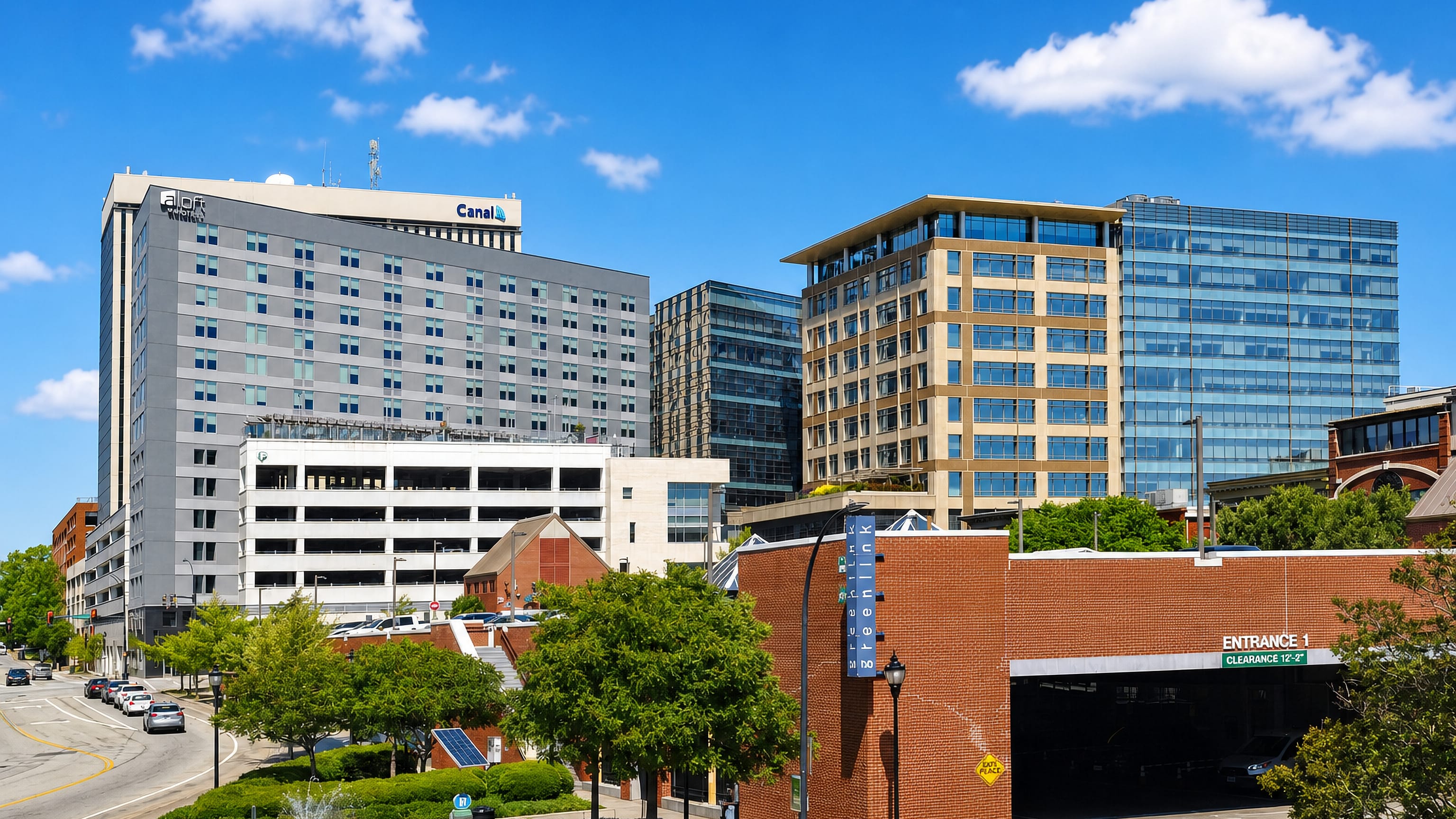
Brick mills and a ballpark mark Greenville, a city in South Carolina known for Fluor Field at the West End and the Greenville County Museum of Art.
Hotel links are affiliate links: booking through them may earn us a commission, at no extra cost to you. It never affects how places are ranked. How this works


Where to stay in Greenville
Where visitors usually base themselves, and why.
Where you stay in Greenville turns on the West End. The blocks around Fluor Field at the West End and the Shoeless Joe Jackson Museum suit visitors who come for baseball and the old mill district reborn as a walkable quarter. Sport and history overlap there.
Nearer the centre the Greenville County Museum of Art and the Sigal Music Museum draw a different crowd, a good base for anyone planning days around galleries and music. Older streets sit apart again. Around the Earle Town House and the Fountain Fox Beattie House the character turns residential and historic, quieter than the mill-district core across this part of South Carolina.
Pick your corner of Greenville. Each quarter keeps its own texture in the Upcountry, so the address you choose shapes the morning more than any single distance.
Find hotels in Greenville
Direct booking searches for these neighbourhoods.
The West End
Around Fluor Field at the West End and the Shoeless Joe Jackson Museum in the reborn mill quarter.Find hotels in The West EndGalleries and musicThe museum centre
Near the Greenville County Museum of Art and the Sigal Music Museum in the city core.Find hotels in The museum centreHistoric residential quietThe Beattie House streets
The older character around the Earle Town House and the Fountain Fox Beattie House.Find hotels in The Beattie House streetsHotel links are affiliate links: booking through them may earn us a commission, at no extra cost to you. It never affects how places are ranked. How this works
Things to do in Greenville
Ranked by global recognition; descriptions from Wikidata (CC0).
Museums & Galleries
3- Greenville County Museum of Art
- Upcountry History Museum
- Sigal Music Museum
Churches & Religious Sites
2- Christ Church Heritage
- Saint George Cathedral
Castles & Historic Sites
2- Confederate Monument
- Prospect Hill Park Monument
Stadiums & Sports
1- Fluor Field at the West End
Landmarks & Notable Places
5- Earle Town House Heritage
- Whitehall Heritage
- Fountain Fox Beattie House Heritage
- Hugh Aiken House Heritage
- T.Q. Donaldson House Heritage
worth knowingacross 5 categories in Greenville
About Greenville
What is Greenville known for?
Greenville is known for baseball, art, and its Upcountry heritage. Fluor Field at the West End brings crowds to the old mill district, and the Greenville County Museum of Art anchors the city's cultural life. Music and history sit close by.
The Sigal Music Museum and the Upcountry History Museum draw visitors into the wider story of Greenville and this corner of South Carolina.
What are the main landmarks in Greenville?
Greenville gathers museums, a ballpark, and old churches. The Greenville County Museum of Art, the Sigal Music Museum, and the Upcountry History Museum lead the cultural list. Sport and faith round it out.
Fluor Field at the West End and the Shoeless Joe Jackson Museum honour the city's baseball name, while Christ Church and the Saint George Cathedral rise among the older streets of South Carolina.
What is the history of Greenville?
Greenville grew into a town after 1831 in the Upcountry of South Carolina. Its early families settled the hills where the streams could turn a mill wheel, and the water that powered those first works drew the textile trade that would define the city for generations. Cotton and cloth built it.
The Earle Town House and the Fountain Fox Beattie House survive from the town that rose with the mills, and Whitehall and the Hugh Aiken House record the wealthier households of that era. Faith kept pace with the growth. Christ Church and the Saint George Cathedral rose as congregations spread through the growing town.
Mills gave the city its lasting shape. The brick works of the West End that now hold Fluor Field at the West End and the Shoeless Joe Jackson Museum stand where the textile industry once ran, and the Upcountry History Museum tells that industrial story in full. The old fabric was kept, not cleared.
Preserved rather than replaced, the mills and houses carry the story of Greenville from the first settlement to the reborn district on the same ground.
Where is Greenville?
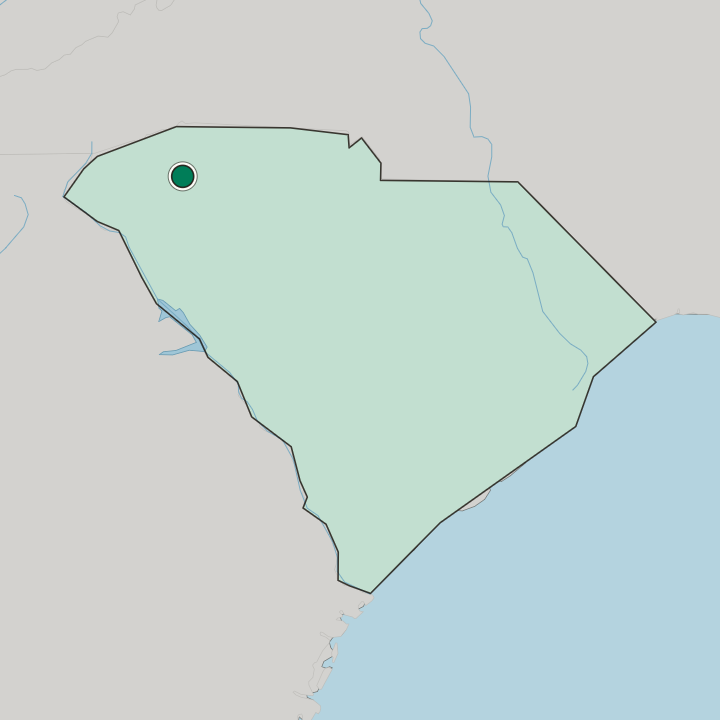
Greenville sits in the rolling Upcountry hills of South Carolina. The land rises and falls in low ridges cut by streams, and the fall of that water once turned the mills that built the city. Higher ground lies to the interior.
The West End around Fluor Field at the West End fills the lower streets by the water, while the older residential blocks climb the gentle rises above it across this part of South Carolina.
What is the climate of Greenville?
The climate in Greenville is subtropical: warm air, heavy humidity. Summers are long, hot, and wet, with afternoon storms building over the Upcountry hills through much of the year. Greenville's winters keep mild.
Frost comes but rarely lingers, and the streets around Fluor Field at the West End stay walkable across most of the cooler season in South Carolina.
How do you get to Greenville?
Greenville is reached overland in the Upcountry of South Carolina. The city lies among the interior hills, so most visitors arrive by road across the rolling country of the state. Its centre is compact.
From the main roads the West End around Fluor Field at the West End and the Greenville County Museum of Art lie within a short reach of one another.
Common questions
What is the best area to stay in Greenville?
The West End: Baseball and the mill district. The museum centre: Galleries and music. The Beattie House streets: Historic residential quiet.
Good for
More cities in South Carolina
Updated September 2026