United States · Washington
Where to Stay in Tri-Cities, Washington
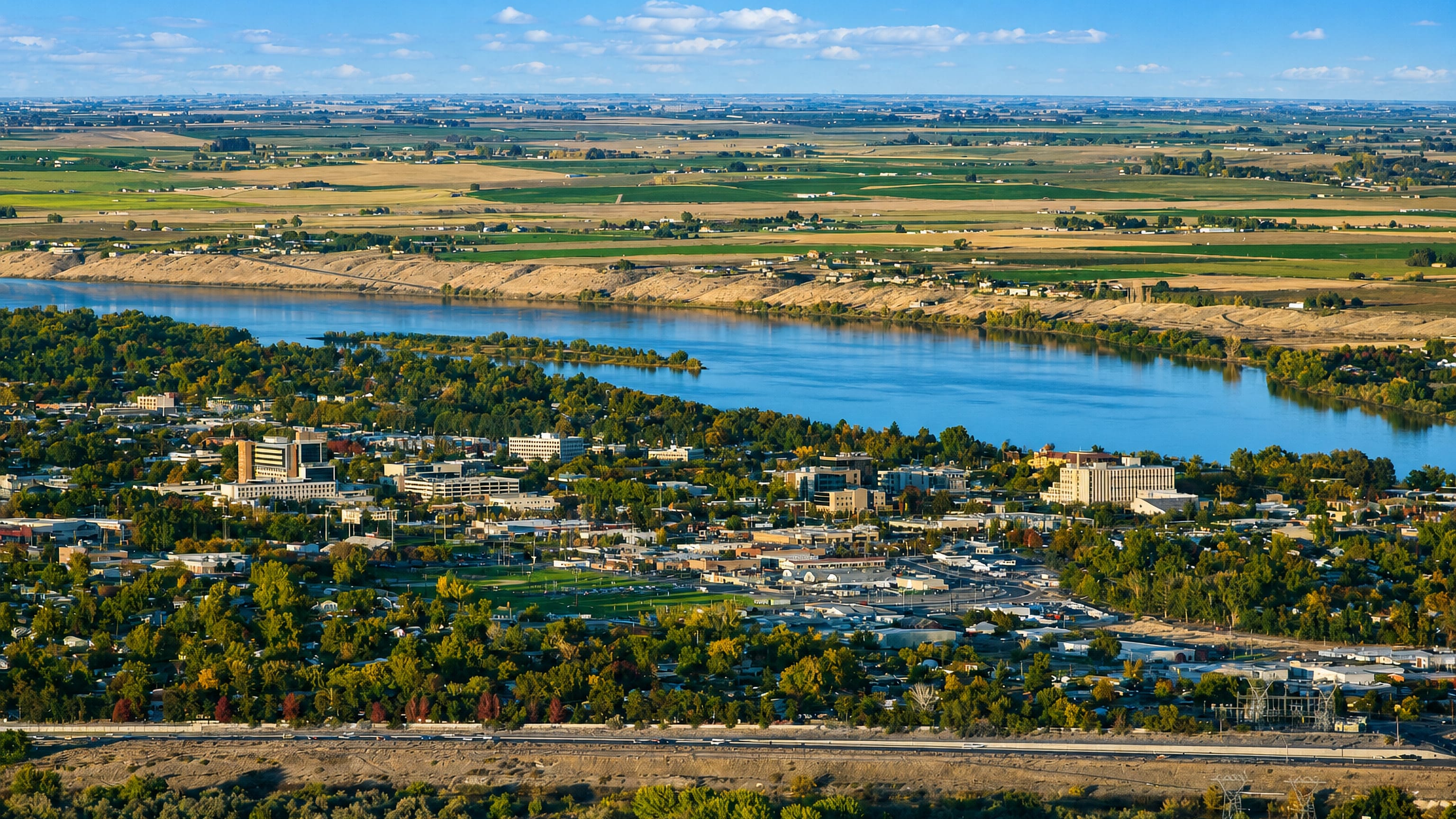
The Tri-Cities are three linked cities on the Columbia River, in the Columbia Basin of Washington, where the Yakima River and the Snake River arrive.
Hotel links are affiliate links: booking through them may earn us a commission, at no extra cost to you. It never affects how places are ranked. How this works


Where to stay in Tri-Cities
Where the beds are, and what that means for the visit.
The rivers split the choice. Three city centres adjoin here without a break, and a bed in any one of them sits within the same continuous urban area, so the decision is less about distance than about which frontage, Columbia River, Snake River, or Yakima River, a traveller wants at the end of the day. Benton County holds part of it; Franklin County holds the rest.
Hanford Reach Interpretive Center rewards anyone staying toward the Columbia River. Older ground reads differently. James Moore House stands as the one listed dwelling among the landmarks, and a stay near that older fabric puts a visitor in the settled part rather than in the newer spread toward West Richland and West Pasco.
Neil F. Lampson Stadium anchors a third option. Finley and Burbank sit at the edges of the urban area, the latter in Walla Walla County rather than in Benton or Franklin, and rooms out there suit drivers more than walkers. The museum side sits in the middle.
Columbia River Exhibition of History, Science, and Technology can be reached from any of the three centres, and it becomes the indoor option on days when the Columbia Basin heat or the winter wind rules out a walk along the water. Short hops link the three centres. A room chosen for parking rather than for position rarely costs a visitor much here, though the river frontage a hotel faces does change the shape of an evening.
Find hotels in Tri-Cities
Direct booking searches for these neighbourhoods.
The Columbia River frontage
The Columbia River carries past the door the exact stretch of country the Interpretive Center exists to explain.Find hotels in The Columbia River frontageTravellers wanting the older Tri-Cities fabric rather than the newer edge.Around James Moore House
James Moore House marks the settled ground, well back from the spread toward West Richland and West Pasco. Lodging is scarce in this area; reserve in advance.Find hotels in Around James Moore HouseAnyone here for a fixture at Neil F. Lampson Stadium.The Neil F. Lampson Stadium side
Rooms on this side keep the stadium walk short and leave the Snake River end of the urban area for another day. Lodging is scarce in this area; reserve in advance.Find hotels in The Neil F. Lampson Stadium sideDrivers trading a central room for space at the urban margin.Burbank and the Finley edge
Burbank falls into Walla Walla County rather than Benton or Franklin, and Finley sits at the opposite outer edge. Beds are limited here, so book early.Find hotels in Burbank and the Finley edgeHotel links are affiliate links: booking through them may earn us a commission, at no extra cost to you. It never affects how places are ranked. How this works
About Tri-Cities
Three cities read as one.
What is Tri-Cities known for?
The Tri-Cities form the centre of a metropolitan area covering Benton County and Franklin County, and the built-up ground runs on without a visible break from one city into the next. Hanford Reach Interpretive Center and the Columbia River Exhibition of History, Science, and Technology both work the same subject matter: the river, the basin, and what was made here. West Richland, West Pasco, and Finley belong to the same urban area.
What are the main landmarks in Tri-Cities?
Tri-Cities enters four landmarks in the record. Hanford Reach Interpretive Center explains the reach of the Columbia River that gives it a name, and the Columbia River Exhibition of History, Science, and Technology handles the same country through history and applied science. James Moore House is the domestic entry.
Neil F. Lampson Stadium supplies the sporting one, and between them the four cover science, the past, a dwelling, and a playing field rather than any single monument.
What is the history of Tri-Cities?
The date on record is 1891. Settlement began at a river junction rather than at one townsite, and the three cities that grew out of it kept separate names while their streets ran together without a visible seam. Water decided the site.
The Yakima River and the Snake River both reach the Columbia River within a short span, and that junction is the reason anything was built on this ground in the first place. County lines came later and cut across the result. Benton County and Franklin County divide the built-up area between them, while Burbank, part of the same urban fabric, falls instead into Walla Walla County.
West Richland grew as its own city. West Pasco and Finley were counted as census-designated places rather than as incorporated towns, which is how a single continuous settlement ended up carrying several distinct legal identities. James Moore House survives from the older building stock.
The Columbia River Exhibition of History, Science, and Technology keeps the record of what the basin produced, and Hanford Reach Interpretive Center reads the river corridor itself. Nothing here predates the river. Neil F. Lampson Stadium belongs to a much later civic layer, and its presence marks the point at which the three cities were large enough together to support facilities none of them would have built alone.
Where is Tri-Cities?
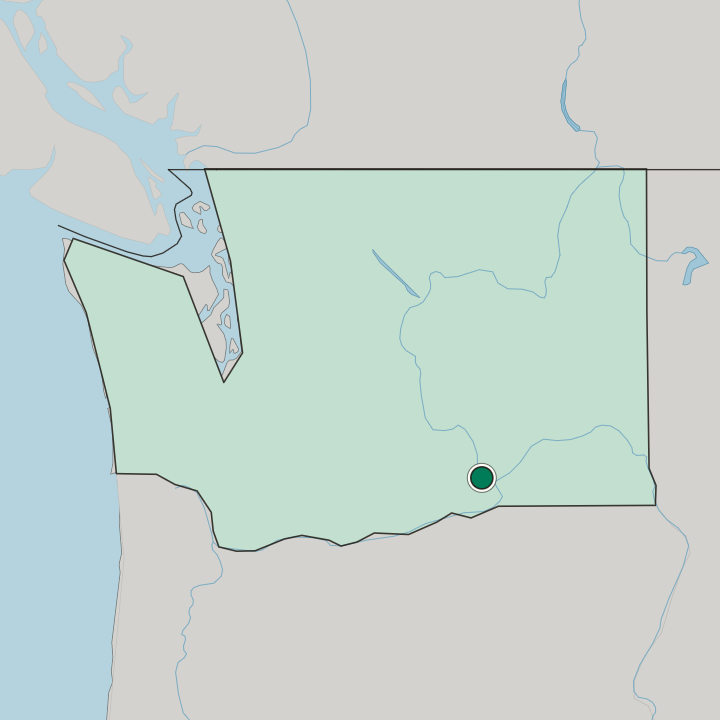
Three rivers set the frame. The Columbia River runs past the whole of the built-up area, the Snake River comes in from one side and the Yakima River from another, and the Columbia Basin spreads out around all three. Benton County lies on one bank, Franklin County on the other.
West Richland, West Pasco, Finley, and Burbank fill out the urban area beyond the three city cores, the last of them across the line in Walla Walla County.
What is the climate of Tri-Cities?
The Columbia Basin sets the terms. Inland ground on the temperate band gives the Tri-Cities a clear split between a warm middle of the year and a cold one at its ends, and the three rivers run through both without changing the pattern much. Northern-hemisphere timing applies.
July sits in the warm half and January in the cold, which is what decides whether a visitor walks the Columbia River bank or spends the afternoon inside Hanford Reach Interpretive Center.
How do you get to Tri-Cities?
Three centres, one approach. The Tri-Cities adjoin closely enough that a route into any one of them puts a traveller within reach of the other two, which is the practical consequence of an urban area that reads as a single mid-sized city rather than as three towns. Benton County and Franklin County split it administratively.
West Richland, West Pasco, Finley, and Burbank lie further out, the last of them across the line in Walla Walla County, so reaching those edges means leaving the continuous built-up ground.
Common questions
What is the best area to stay in Tri-Cities?
The Columbia River frontage: Visitors building a day around Hanford Reach Interpretive Center and the water.. Around James Moore House: Travellers wanting the older Tri-Cities fabric rather than the newer edge.. The Neil F. Lampson Stadium side: Anyone here for a fixture at Neil F. Lampson Stadium.. Burbank and the Finley edge: Drivers trading a central room for space at the urban margin..
Good for
More cities in Washington
Updated September 2026