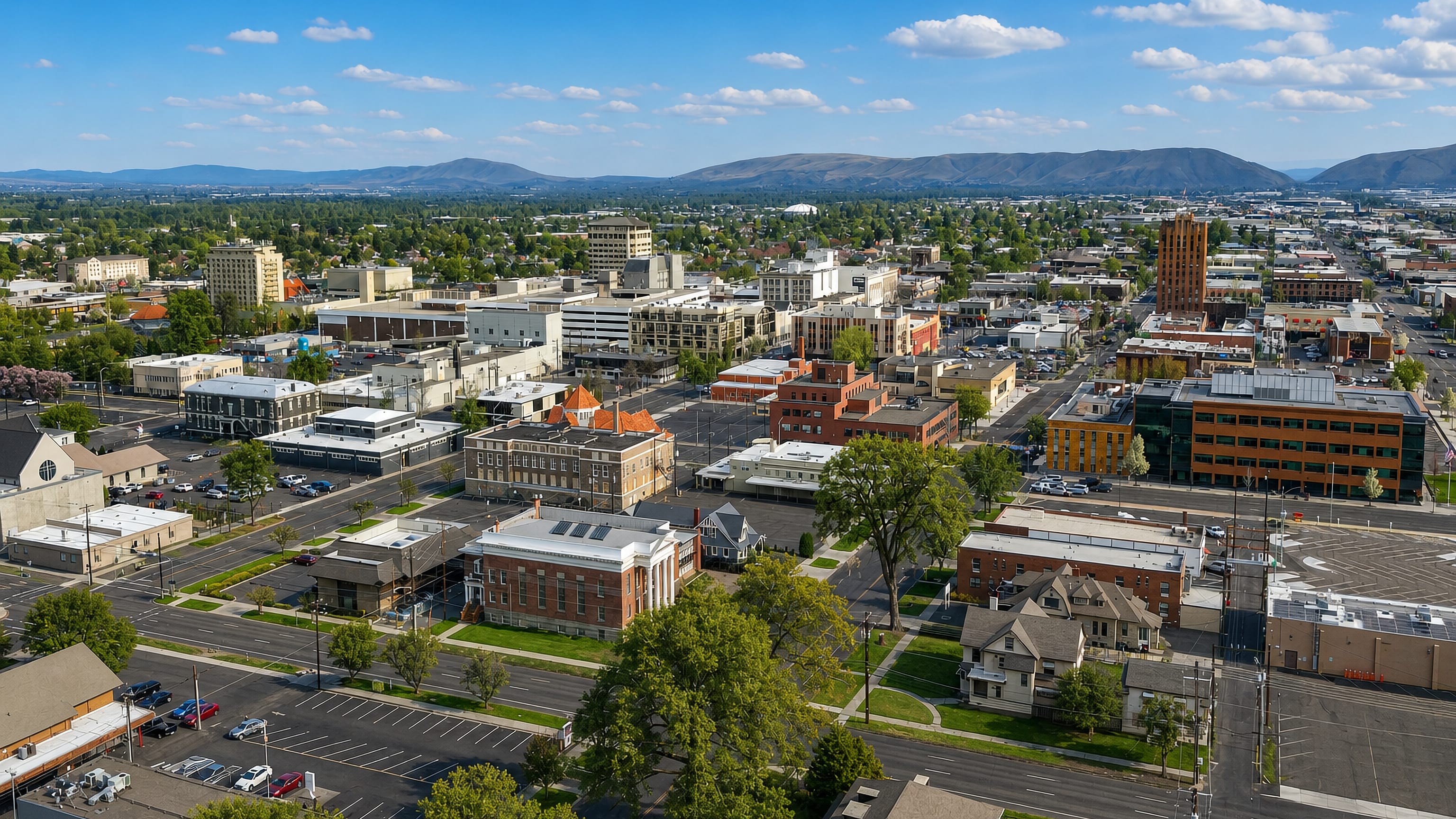
United States · Washington
Where to Stay in Yakima, Washington
Yakima is the county seat of Yakima County and the principal city of the Yakima Valley, an apple, wine, and hop region of Washington.
Hotel links are affiliate links: booking through them may earn us a commission, at no extra cost to you. It never affects how places are ranked. How this works


Where to stay in Yakima
Where the beds are, and what that means for the visit.
The Old North Yakima Historic District settles it for most. That older grid holds the A. E. Larson Building and the Capitol Theatre, and a room inside it puts a visitor within a short walk of both, along with the streets the district itself is listed for. Downtown is compact.
The William O. Douglas Federal Building anchors the civic end of the same streets, which keeps the whole of central Yakima within an easy circuit on foot. Houses give the quieter option. Reuben Sweet House, Powell House, and the E. William Brackett House stand among the older residential streets, and beds near them trade the theatre queue for a walk that ends where the city's first families built.
West Valley lies out beyond. Terrace Heights is the other of the two, unincorporated ground counted as part of greater Yakima, where rooms come with parking and a drive back in. Museums decide a wet day.
The Yakima Valley Museum and the Yakima Electric Railway Museum are the two collections, and a central room keeps both within a manageable run rather than committing a visitor to one end of the city. Vineyard Church adds a fixed point. Anyone here for the Yakima Valley itself, the orchards, the vines, and the hop fields, will spend more time on the road than in the room, which argues for the edge rather than the historic core.
Find hotels in Yakima
Direct booking searches for these neighbourhoods.
Old North Yakima Historic District
Capitol Theatre and the A. E. Larson Building stand inside the same listed grid, minutes apart.Find hotels in Old North Yakima Historic DistrictWorking visits that keep downtown Yakima and the courts together.The federal building blocks
The William O. Douglas Federal Building fixes the civic end of the central streets. Few places to stay nearby — book ahead.Find hotels in The federal building blocksQuiet nights out near Reuben Sweet House and Powell House.The older house streets
Reuben Sweet House, Powell House, and the E. William Brackett House line the streets Yakima's first families built on. Beds are limited here, so book early.Find hotels in The older house streetsDrivers touring Yakima Valley orchards and hop fields daily.West Valley and Terrace Heights
Both are unincorporated ground counted into greater Yakima, with the valley roads starting at the door. Lodging is scarce in this area; reserve in advance.Find hotels in West Valley and Terrace HeightsHotel links are affiliate links: booking through them may earn us a commission, at no extra cost to you. It never affects how places are ranked. How this works
Things to do in Yakima
Ranked by global recognition; descriptions from Wikidata (CC0).
Museums & Galleries
2- Yakima Electric Railway Museum
- Yakima Valley Museum
Churches & Religious Sites
1- Vineyard Church, Yakima, Washington
Castles & Historic Sites
1- Old North Yakima Historic District Heritage
Landmarks & Notable Places
2- E. William Brackett House Heritage
- Reuben Sweet House Heritage
worth knowingacross 4 categories in Yakima
About Yakima
Fruit and hops define the valley.
What is Yakima known for?
Yakima is the principal city of the Yakima Valley, an agricultural region on the Columbia River Plateau noted for apples, wine, and hops, and the county seat that administers it. The Yakima Valley Museum sets that story out. Capitol Theatre and the Yakima Electric Railway Museum carry the other half, the town's own civic and transport past.
What are the main landmarks in Yakima?
The listed district holds most of it. Old North Yakima Historic District takes in the older grid, with the A. E. Larson Building and the Capitol Theatre inside it, and the William O. Douglas Federal Building standing for the civic side. Houses come next.
Reuben Sweet House, Powell House, and the E. William Brackett House are the domestic entries, while the Yakima Valley Museum, the Yakima Electric Railway Museum, and Vineyard Church complete a list without a single dominant monument.
What is the history of Yakima?
The date on the record is 1847. Settlement began here long before the buildings that now carry listings, and the name Yakima passed from the valley to the city that would come to administer Yakima County from within it. Old North Yakima explains the rest.
That name survives in the listed historic district, marking the part of the grid where the early commercial town stood rather than the ground the city later spread across. Building followed the valley's returns. The A. E. Larson Building and the Capitol Theatre belong to the built-up centre of a city whose returns came from apples, wine, and hops, and both stand inside the Old North Yakima Historic District.
Rails came with the growth. The Yakima Electric Railway Museum holds the record of the electric line the name refers to, a system that belonged to the same decades as the theatre and the office block. Houses record the same decades.
Reuben Sweet House, Powell House, and the E. William Brackett House carry family names rather than civic ones, and they mark the streets where the people behind the valley's trade lived. Federal business came later. The William O. Douglas Federal Building and the Yakima Valley Museum belong to the later city, while West Valley and Terrace Heights grew as unincorporated ground counted into greater Yakima rather than into the incorporated city itself.
Where is Yakima?
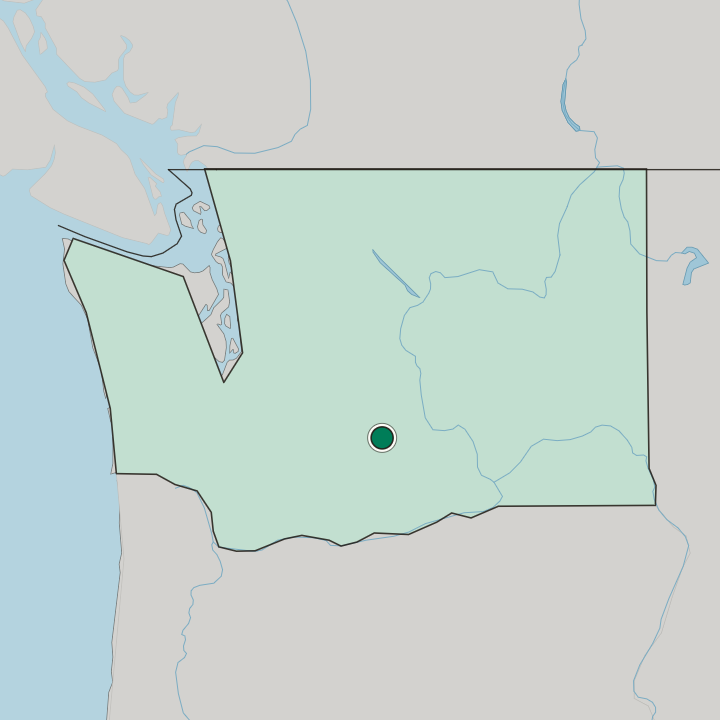
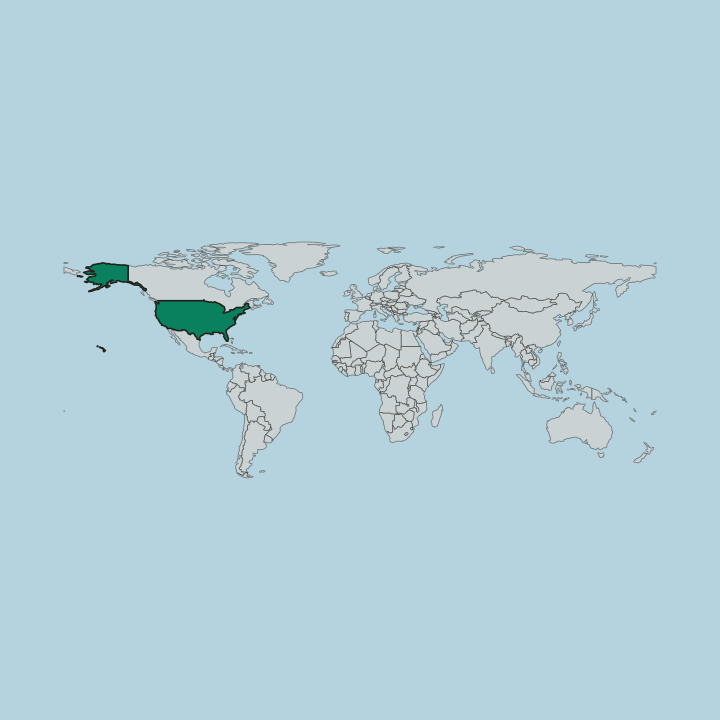
The Columbia River Plateau holds the valley. Yakima sits inside the Yakima Valley, an agricultural region on that plateau, and the orchards, vineyards, and hop fields spread around the city that serves as the valley's principal one. Two suburbs sit outside the line.
West Valley and Terrace Heights are unincorporated ground counted as part of greater Yakima, and together they hold much of what has grown beyond the old grid.
What is the climate of Yakima?
The Columbia River Plateau does the work. Inland ground on that plateau gives the Yakima Valley the dry, sunlit growing season that apples, wine grapes, and hops all need, and it is the reason the region turns on fruit rather than on anything else. Winter is the quiet half.
The Yakima Valley Museum, the Capitol Theatre, and the Yakima Electric Railway Museum fill the months when the orchards have nothing to show.
How do you get to Yakima?
Roads through the valley carry it. Yakima sits at the centre of the Yakima Valley, so approaches run along the valley floor and pass through orchard country well before the grid begins. West Valley marks one approach.
Terrace Heights marks another, and both are unincorporated ground counted into greater Yakima, which a traveller crosses before reaching the Old North Yakima Historic District at the core.
Common questions
What is the best area to stay in Yakima?
Old North Yakima Historic District: First stays wanting the Capitol Theatre on foot from the door.. The federal building blocks: Working visits that keep downtown Yakima and the courts together.. The older house streets: Quiet nights out near Reuben Sweet House and Powell House.. West Valley and Terrace Heights: Drivers touring Yakima Valley orchards and hop fields daily..
Good for
More cities in Washington
Updated September 2026