United States · Washington
Where to Stay in Vancouver, Washington
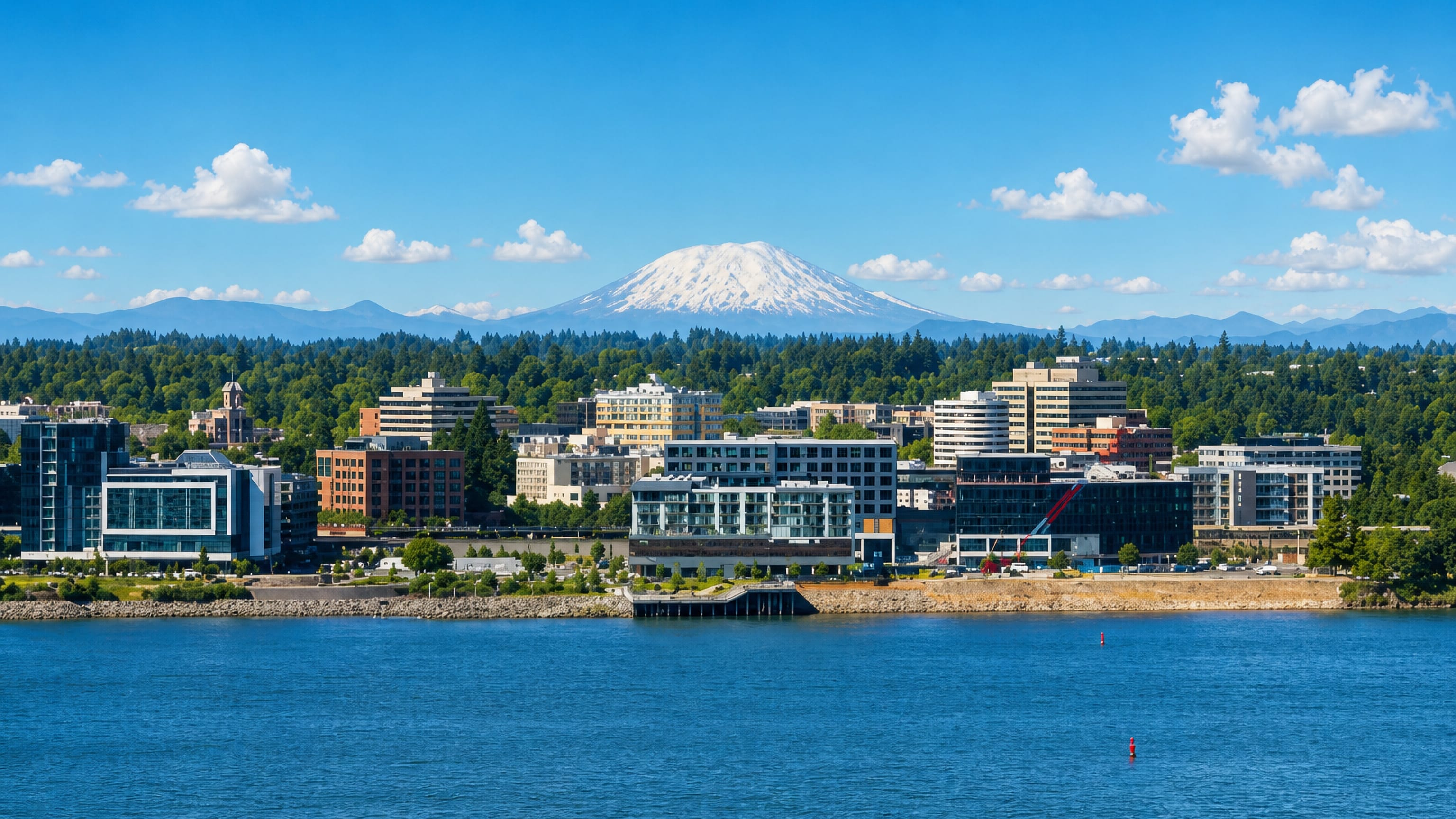
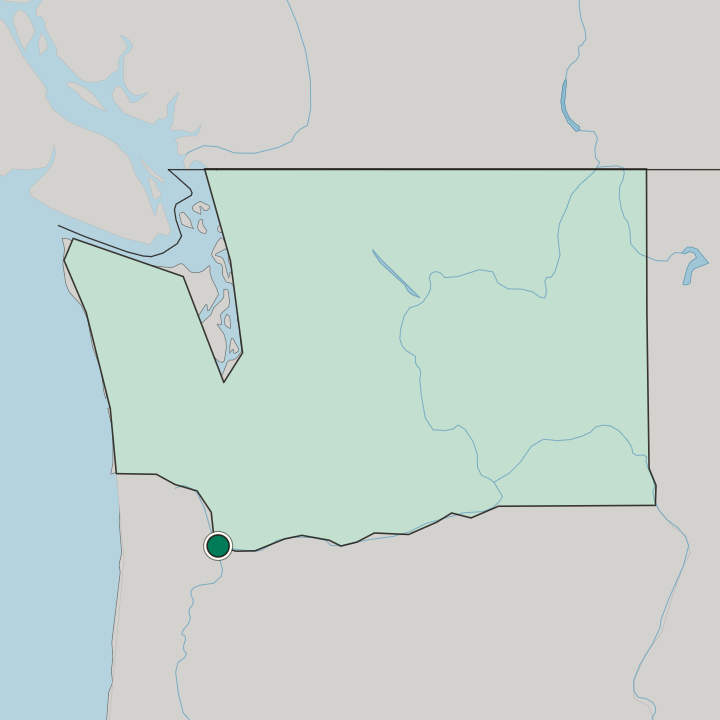
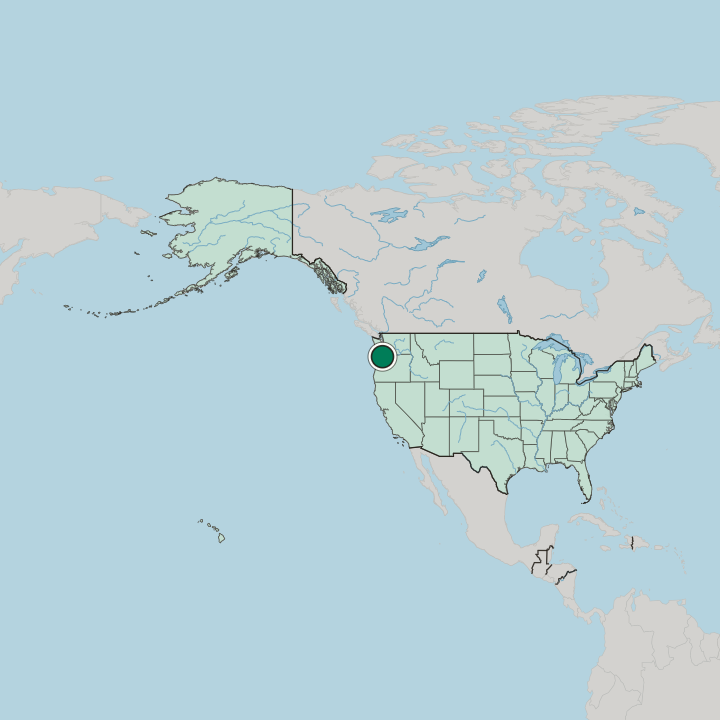
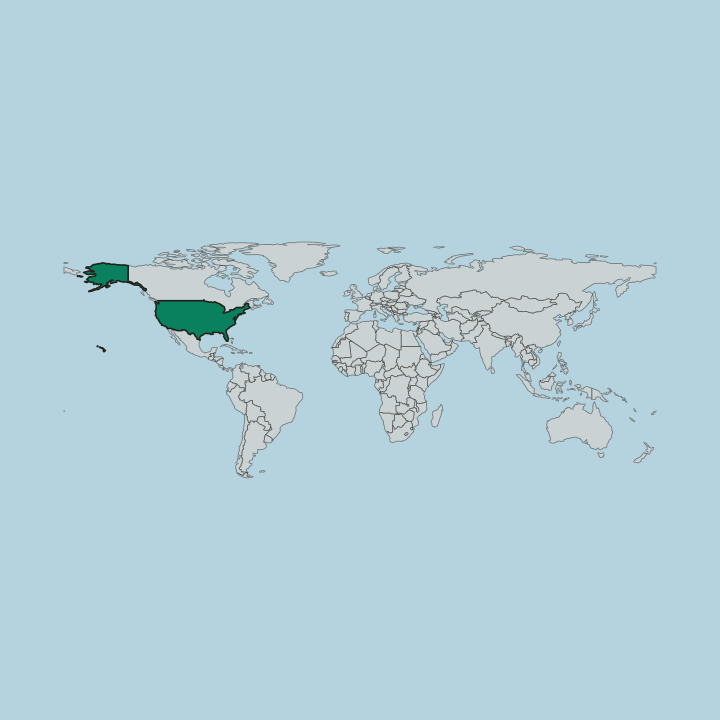
Vancouver stands on the north bank of the Columbia River in Clark County, directly across the state line from Portland, Oregon.
Hotel links are affiliate links: booking through them may earn us a commission, at no extra cost to you. It never affects how places are ranked. How this works


Where to stay in Vancouver
Where the beds are, and what that means for the visit.
Fort Vancouver decides most stays. The fur-trading ground where the city began sits close to the Clark County Historical Museum, Slocum House, and St. Luke's Episcopal Church, which puts a visitor within walking reach of much of what Vancouver kept from its first century. Portland is the other pull.
Two bridges cross the Columbia River, and a room on this bank costs a traveller only that crossing while keeping the quieter side of the metropolitan area. Jantzen Beach sits apart from the fort ground. The Jantzen Beach Carousel and Lotus Isle belong with it rather than with the museum quarter, and a bed on that side leans toward the Columbia River and the bridges to Portland instead of toward Vancouver's own older streets.
Houses fill in the rest. Slocum House, the Chumasero-Smith House, and the John P. and Mary Kiggins House mark where the city's early families built, and rooms among them sit in the older grid rather than in the newer spread inland. Aviation gives a third option.
Pearson Air Museum and the Pearson Field Education Center share a subject and a name, and a traveller arriving with that interest can take in both across a single outing rather than splitting the days. Clark County holds the whole of it. The Chkalov Transpolar Flight Monument and the Monument to the Three Kichis stand as markers a visitor comes across rather than plans a day around, which makes a central room the safe choice.
Find hotels in Vancouver
Direct booking searches for these neighbourhoods.
The Fort Vancouver side
Slocum House and St. Luke's Episcopal Church stand within the same short walk of the fur-trading ground.Find hotels in The Fort Vancouver sideWalkers drawn to the streets Vancouver's early families built on.The Kiggins and Chumasero–Smith streets
The John P. and Mary Kiggins House and the Chumasero–Smith House anchor the older grid, well back from the Columbia River bridges. Rooms are few around here — worth securing early.Find hotels in The Kiggins and Chumasero–Smith streetsTravellers crossing into Portland each day rather than staying put.Toward Jantzen Beach
Both Columbia River bridges start from this end, and the Jantzen Beach Carousel and Lotus Isle are the near names. Few places to stay nearby — book ahead.Find hotels in Toward Jantzen BeachAviation visitors here for the Pearson Field Education Center.By Pearson Air Museum
The Chkalov Transpolar Flight Monument stands with the two Pearson institutions in the same flight-minded corner of the city. Lodging is scarce in this area; reserve in advance.Find hotels in By Pearson Air MuseumHotel links are affiliate links: booking through them may earn us a commission, at no extra cost to you. It never affects how places are ranked. How this works
Things to do in Vancouver
Ranked by global recognition; descriptions from Wikidata (CC0).
Museums & Galleries
2- Clark County Historical Museum Heritage
- Pearson Field Education Center
Churches & Religious Sites
1- St. Luke's Episcopal Church
Castles & Historic Sites
1- Chkalov Transpolar Flight Monument
Landmarks & Notable Places
3- Slocum House Heritage
- John P. and Mary Kiggins House Heritage
- Chumasero–Smith House Heritage
worth knowingacross 4 categories in Vancouver
About Vancouver
Fort Vancouver came first.
What is Vancouver known for?
The fur-trading outpost dating from 1824 gave the city its name and its ground, and Vancouver grew around it as one of the oldest continuously inhabited European settlements in the Pacific Northwest. Pearson Air Museum and the Pearson Field Education Center keep the aviation side. Two monuments mark it further: the Chkalov Transpolar Flight Monument and the Monument to the Three Kichis.
What are the main landmarks in Vancouver?
Flight runs through the list. Pearson Air Museum, the Pearson Field Education Center, and the Chkalov Transpolar Flight Monument all take the same subject, which is unusual density for a city whose founding had nothing to do with aircraft. Houses carry the second group.
Slocum House, the Chumasero-Smith House, and the John P. and Mary Kiggins House stand for the built city, with the Clark County Historical Museum, St. Luke's Episcopal Church, Jantzen Beach, Lotus Isle, and the Jantzen Beach Carousel filling out a list the Monument to the Three Kichis closes.
What is the history of Vancouver?
A fur-trading post started it. Fort Vancouver dates from 1824, and the settlement that formed around it is counted among the oldest continuously inhabited European communities anywhere in the Pacific Northwest. The city's own date is 1825.
Incorporation waited until 1857, by which time the post on the north bank of the Columbia River had already fixed where the streets would run. Clark County made it the seat. Vancouver has held that role while the state line just south of it kept the city legally apart from Portland, Oregon, even as the two grew into a single metropolitan area.
Two bridges close the gap. Slocum House, the Chumasero-Smith House, the John P. and Mary Kiggins House, and St. Luke's Episcopal Church survive from the decades of building that followed incorporation, and the Clark County Historical Museum keeps the record of them. Aviation arrived later.
Pearson Air Museum and the Pearson Field Education Center record flying that reached the same ground long after the fur trade closed, and the Chkalov Transpolar Flight Monument belongs to that same later layer of the city's memory. Jantzen Beach and Lotus Isle sit apart again. The Jantzen Beach Carousel and the Monument to the Three Kichis round out a record that runs from a fur post of 1824 to a city inside the Portland metropolitan area.
Where is Vancouver?
The Columbia River draws the line. Vancouver occupies the north bank in Clark County, with the boundary between Washington and Oregon following the water and Portland standing directly opposite. Two bridges make the crossing.
The built city spreads back from the river, while Jantzen Beach, Lotus Isle, and the Jantzen Beach Carousel keep their names on the water side of it.
What is the climate of Vancouver?
The Pacific sets the terms here. Vancouver sits in the temperate band, in the part of the Pacific Northwest that takes its weather off the ocean rather than from the continent behind it, so the year turns without sharp extremes at either end. Rain belongs to the cool months.
Pearson Air Museum, the Clark County Historical Museum, and St. Luke's Episcopal Church absorb the days when the Columbia River bank and the Jantzen Beach side are no use.
How do you get to Vancouver?
Two bridges do the work. Both cross the Columbia River from Vancouver into Portland, which is how the city connects to the rest of the metropolitan area on the Oregon side of the line. Clark County lies behind it.
Arrivals from that direction reach the older centre first, near the Clark County Historical Museum and Slocum House, while the Jantzen Beach approach puts a traveller at the river before the streets.
Common questions
What is the best area to stay in Vancouver?
The Fort Vancouver side: First visits built around Fort Vancouver and the Clark County Historical Museum.. The Kiggins and Chumasero–Smith streets: Walkers drawn to the streets Vancouver's early families built on.. Toward Jantzen Beach: Travellers crossing into Portland each day rather than staying put.. By Pearson Air Museum: Aviation visitors here for the Pearson Field Education Center..
Good for
More cities in Washington
Updated October 2026