United States
Washington, United States — Towns & Travel Guide
Washington is the Pacific Northwest corner of the United States, where the Cascade Range splits a wet coast from a dry interior.
Hotel links are affiliate links: booking through them may earn us a commission, at no extra cost to you. It never affects how places are ranked. How this works


Towns & cities in Washington
Pick a town or city — each links to where to stay.
 United States
Seattle
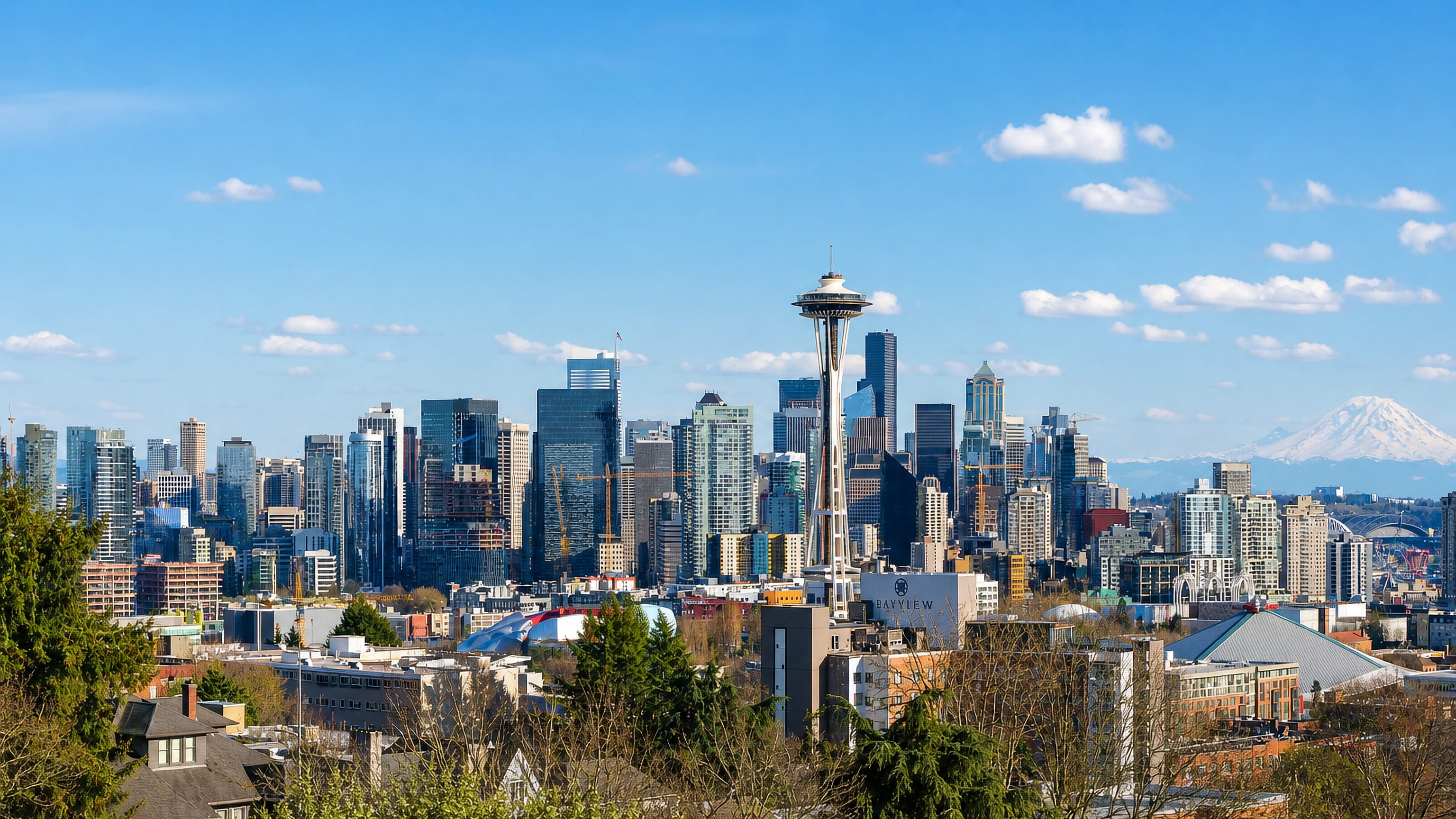
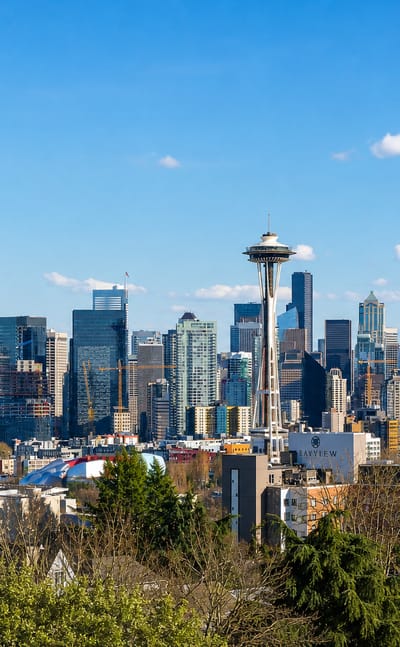
Seattle rises between Puget Sound and Lake Washington, the Emerald City of Washington, founded in 1851 and known for the Space Needle and Pike Place.Where to stay →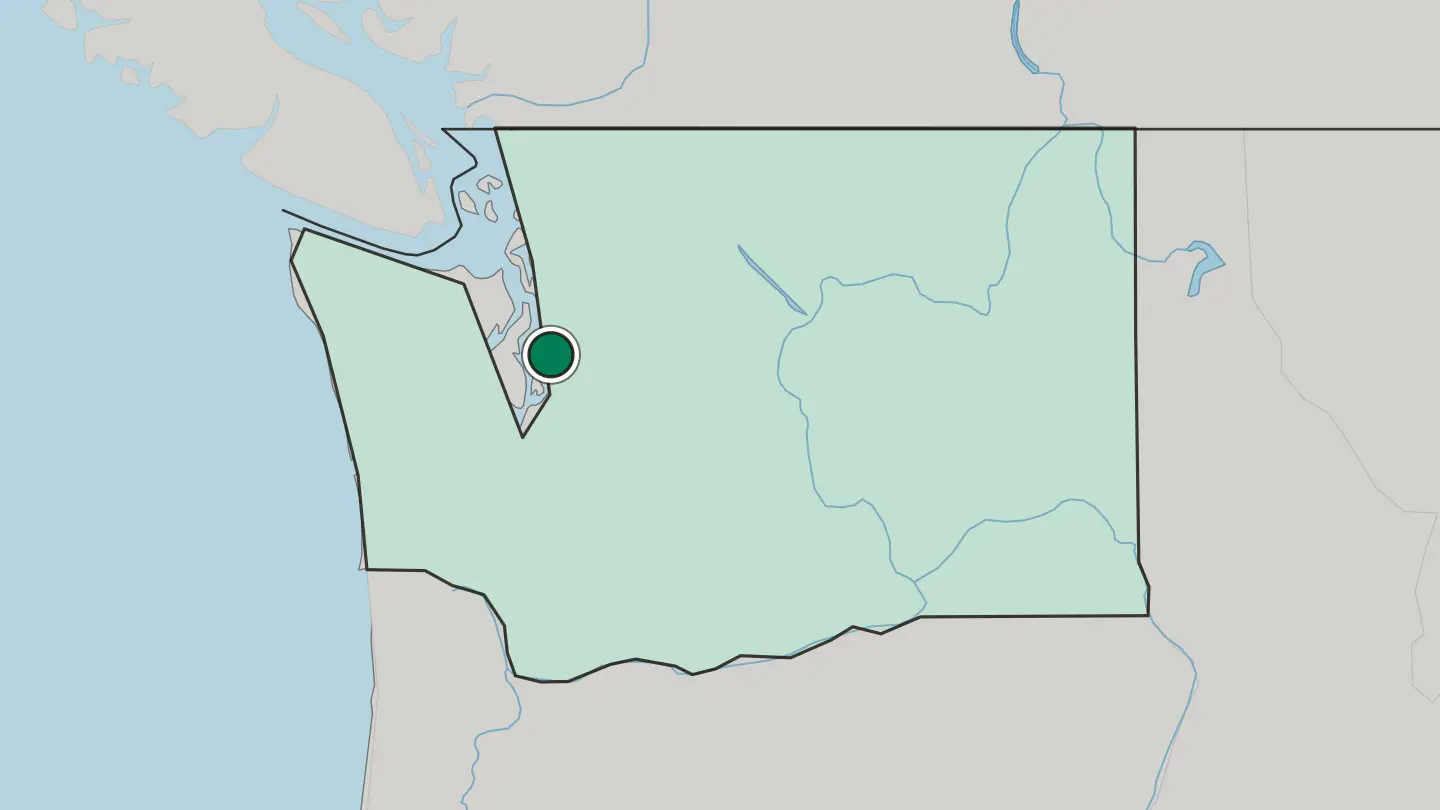
 United States
Tri-Cities
The Tri-Cities are three linked cities on the Columbia River, in the Columbia Basin of Washington, where the Yakima River and the Snake River arrive.Where to stay →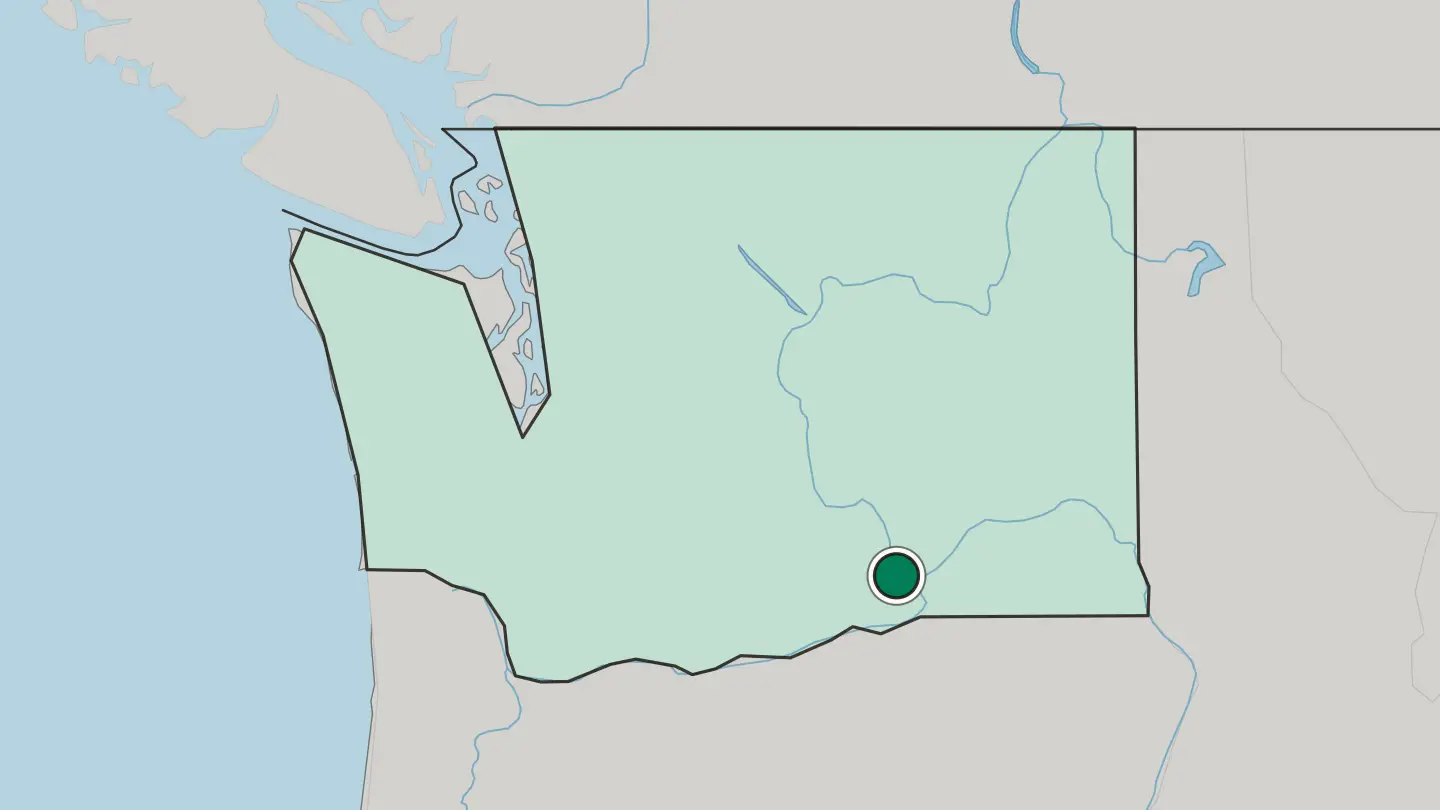
 United States
Spokane
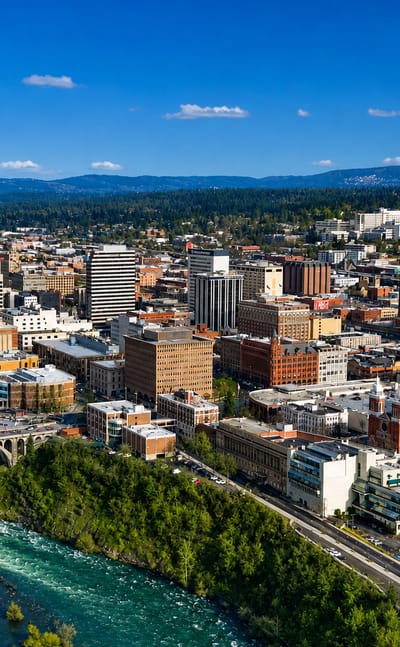
Riverfront Park spreads through the heart of Spokane, a city in Washington founded in 1871 and known for its riverside falls and downtown parkland.Where to stay →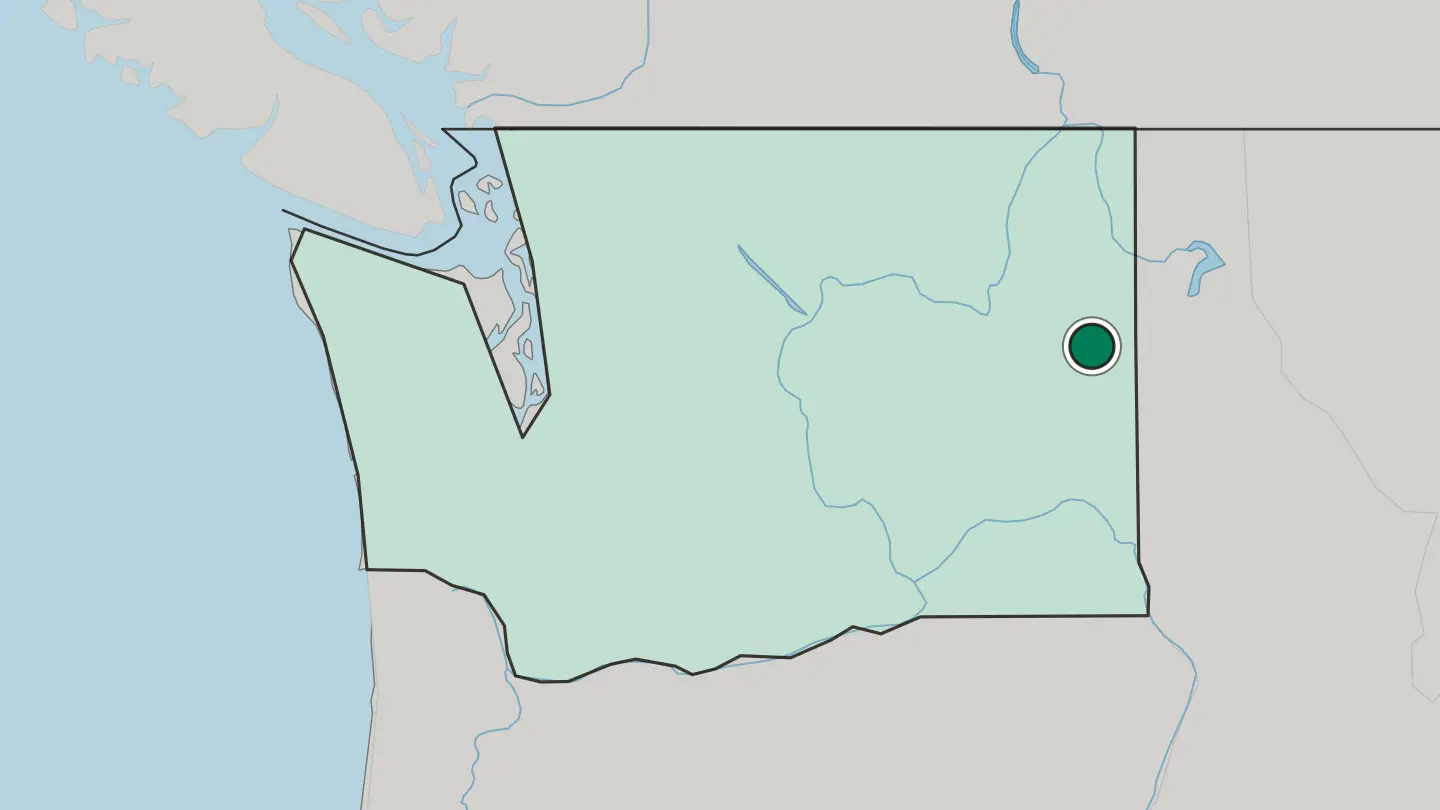
 United States
Tacoma
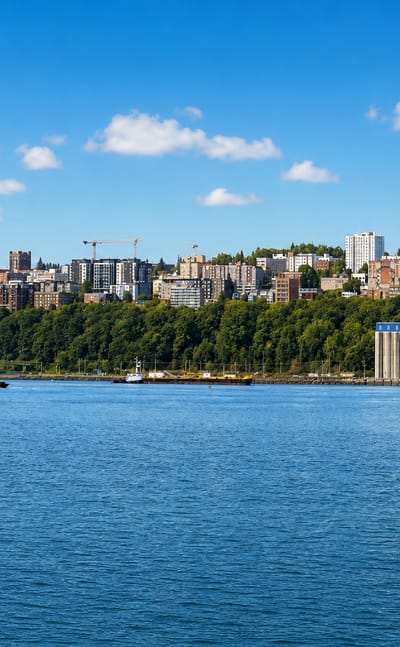
Glass and grey water mark Tacoma, a port city in Washington known for the Museum of Glass and America's Car Museum.Where to stay →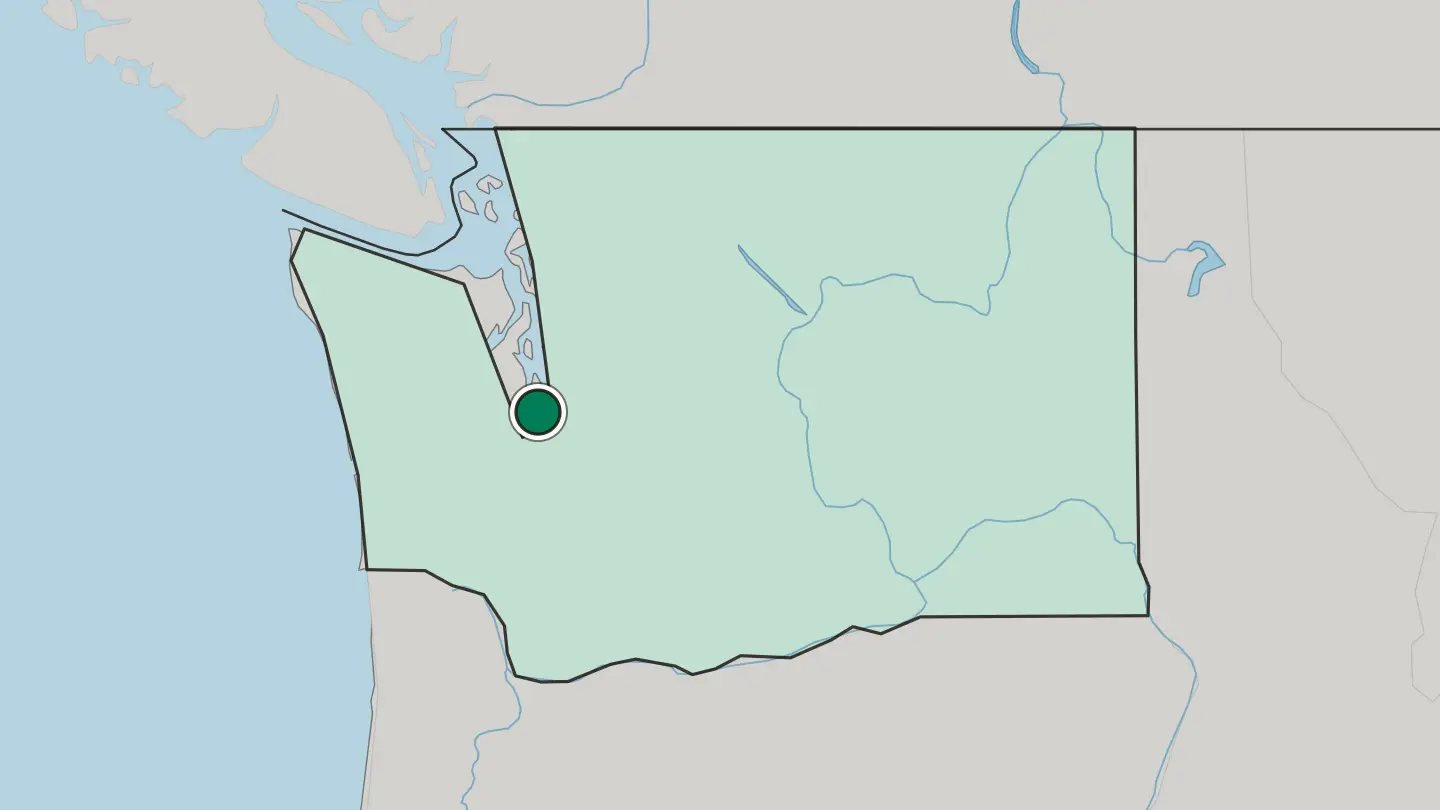
 United States
Vancouver
Vancouver stands on the north bank of the Columbia River in Clark County, directly across the state line from Portland, Oregon.Where to stay →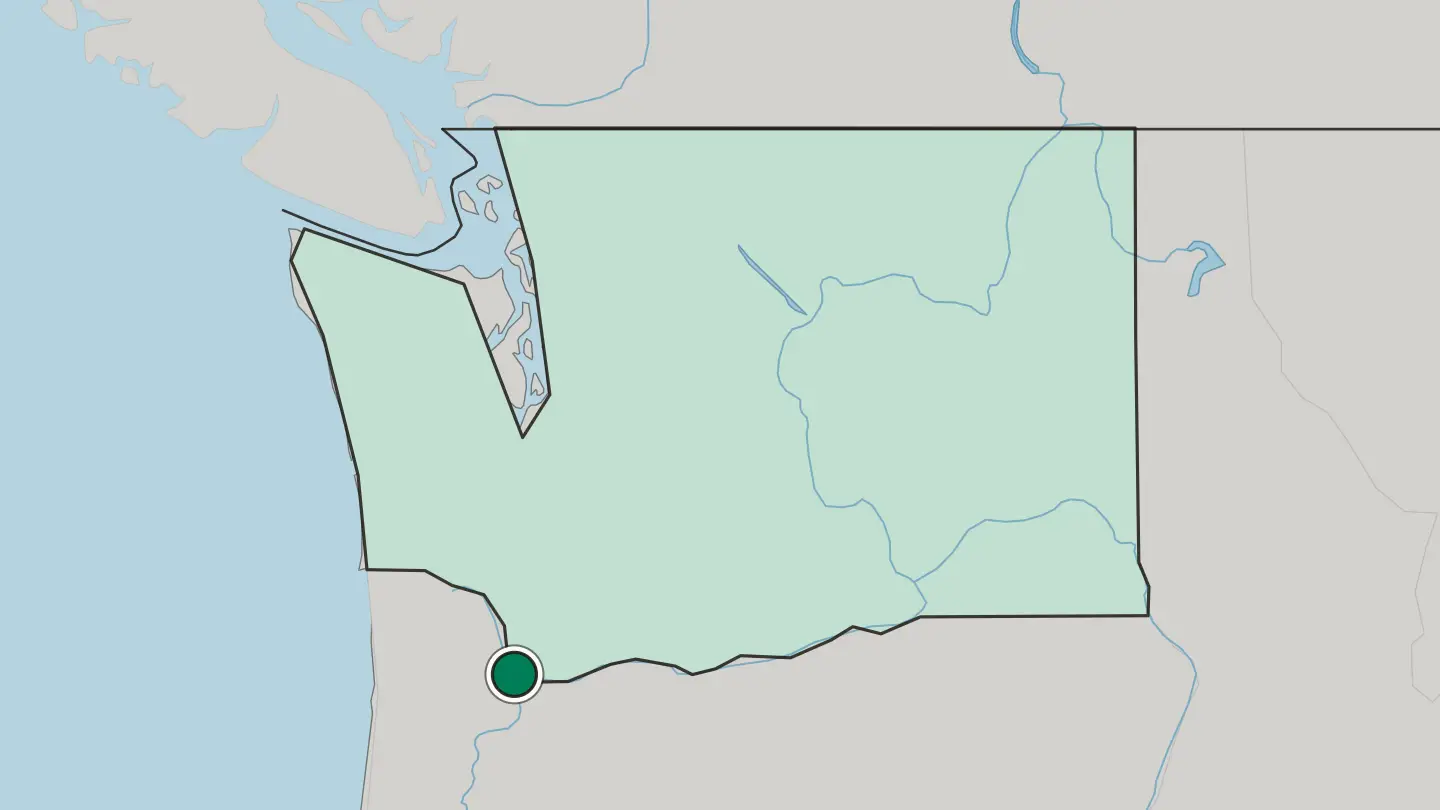
 United States
Bellevue
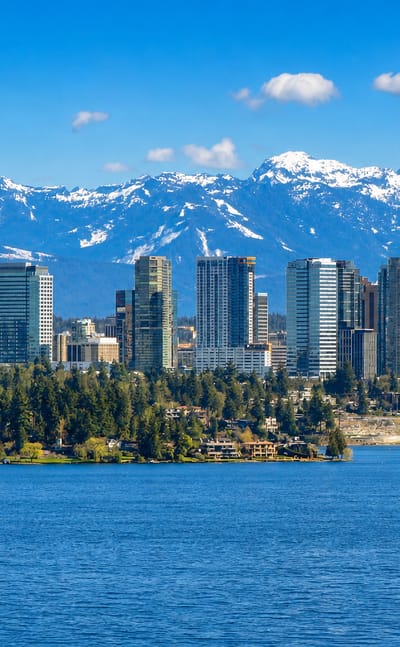
Water and glass towers rise east of Seattle in Bellevue, a city on Lake Washington in Washington, known for the Bellevue Arts Museum.Where to stay →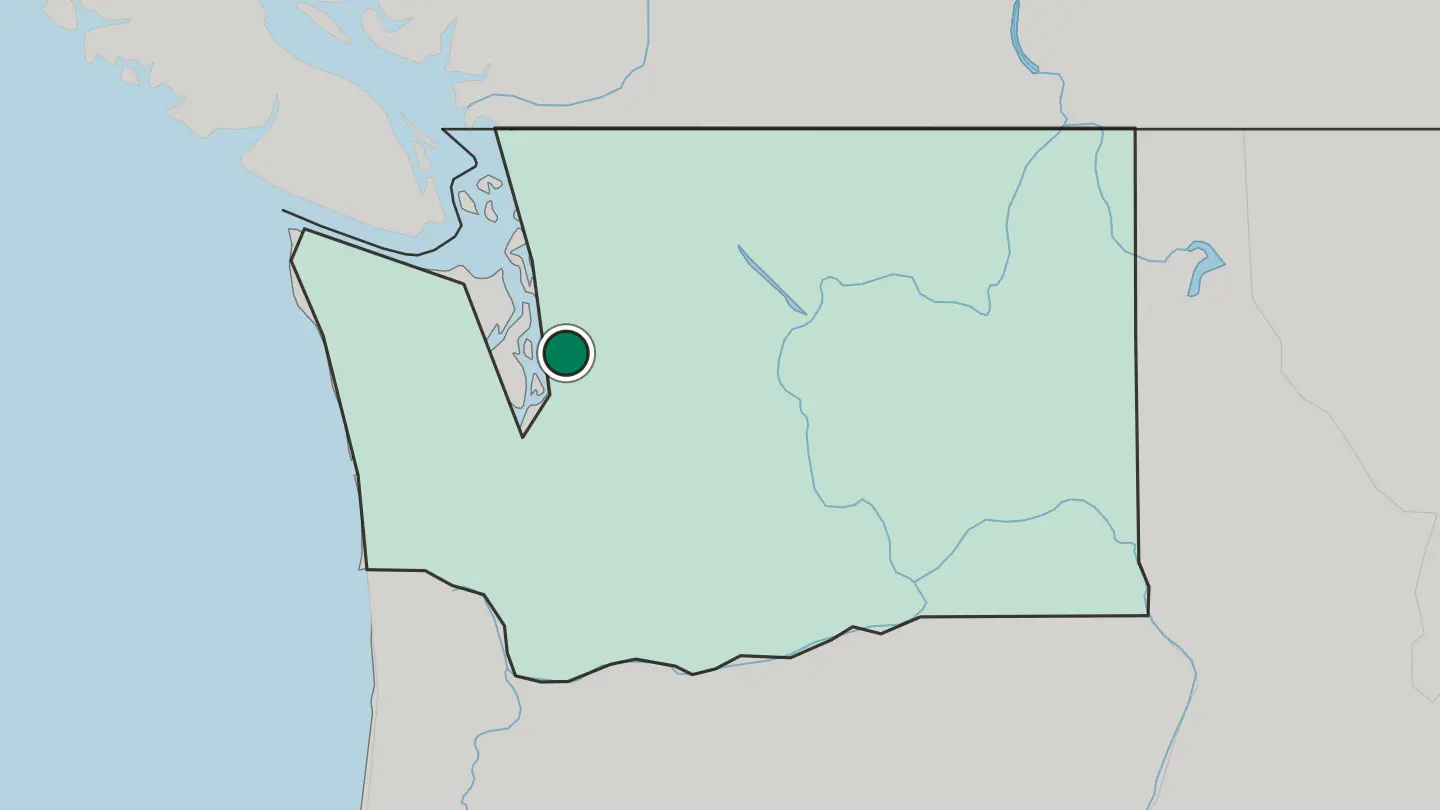
 United States
Kent
Kent lies between Seattle and Tacoma in King County, a Puget Sound city with Pacific Raceways and the Pacific Bonsai Museum.Where to stay →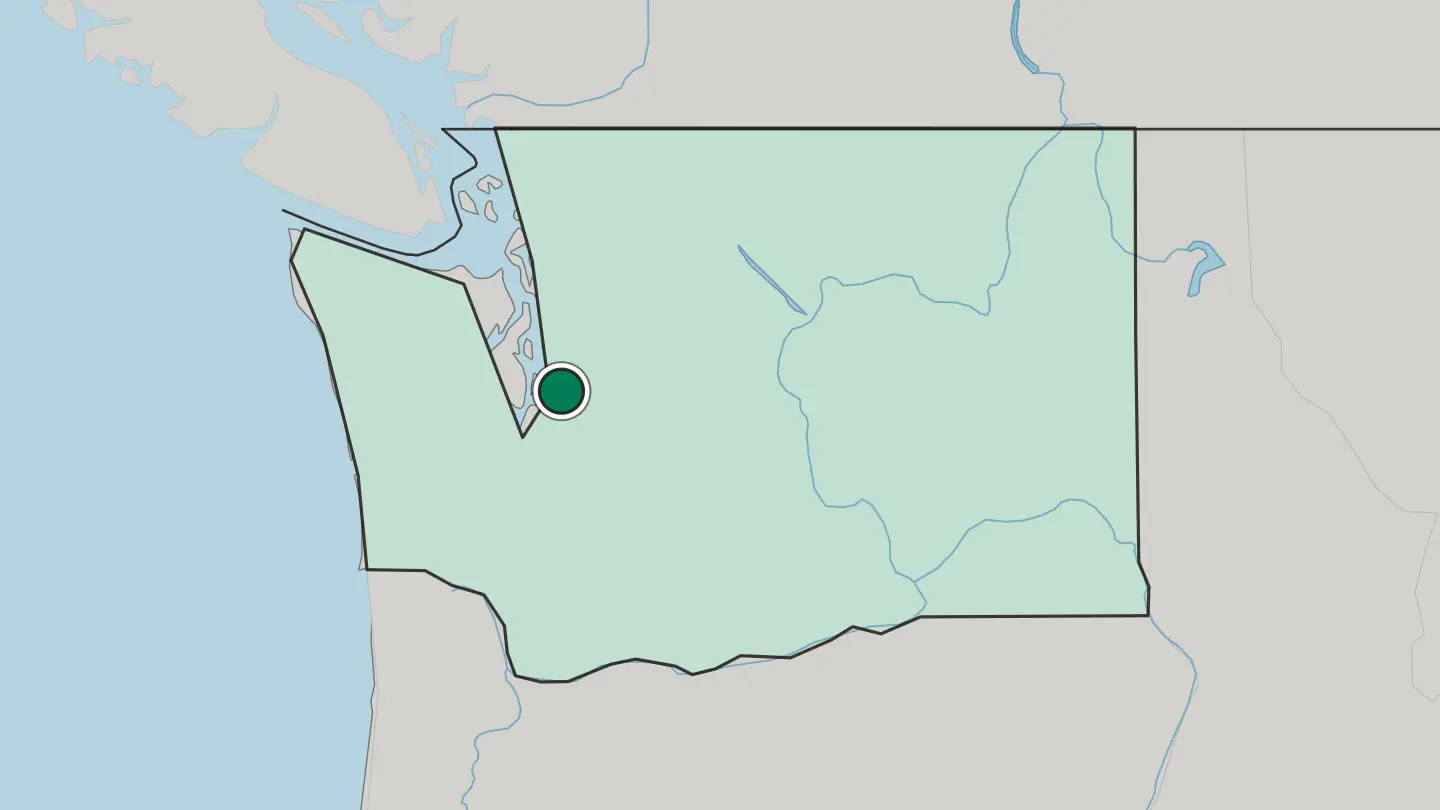
 United States
Everett
Everett spreads over a peninsula at the Snohomish River mouth north of Seattle, where Boeing works inside the largest building in the world by volume.Where to stay →
All towns & cities (21)
 United States
Renton
Renton stands at the mouth of the Cedar River on the southeast shore of Lake Washington, a King County city built around the Boeing 737 plant.Where to stay →
 United States
Federal Way
Federal Way stands on Puget Sound in King County, Washington, a Seattle suburb best known for the Pacific Bonsai Museum.Where to stay → United States
Spokane Valley
The Spokane River crosses Spokane Valley, a city in Spokane County, Washington, incorporated in 2003, known for Mirabeau Point Park and Avista Stadium.Where to stay →
 United States
Yakima
Yakima is the county seat of Yakima County and the principal city of the Yakima Valley, an apple, wine, and hop region of Washington.Where to stay →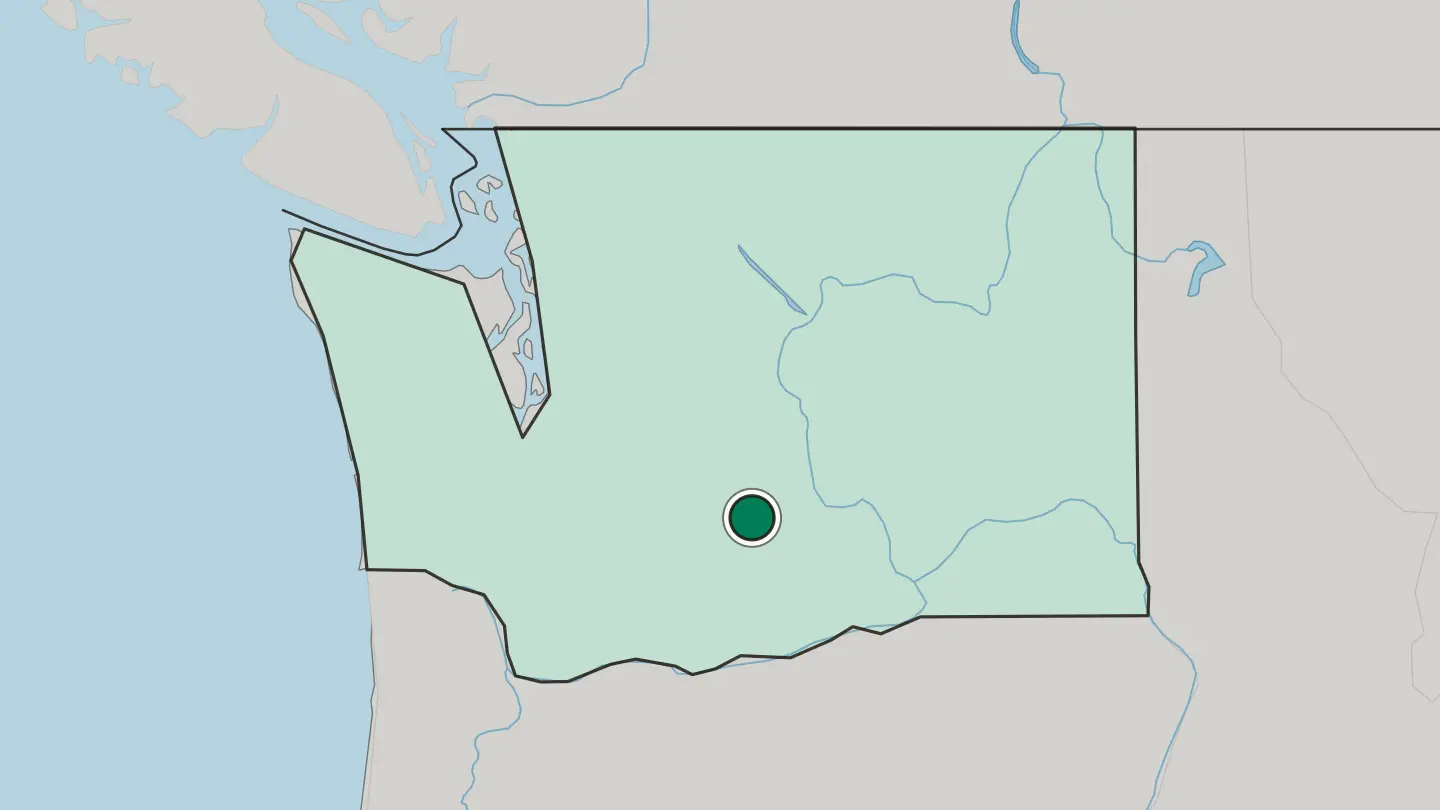
 United States
Kirkland
Kirkland faces Seattle across Lake Washington, a King County city of waterfront blocks and quiet residential streets, founded in 1888.Where to stay →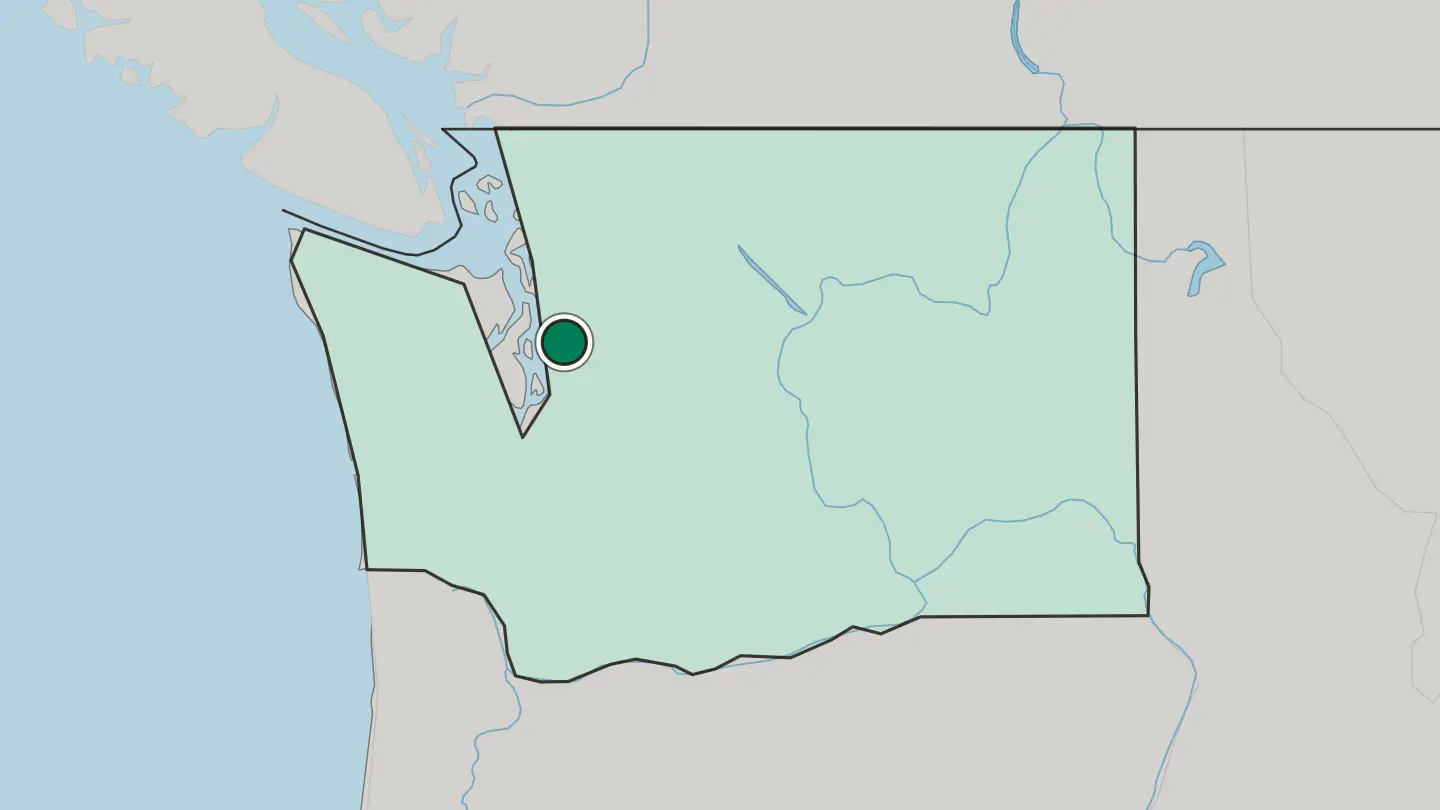
 United States
Bellingham
Bellingham, the City of Subdued Excitement, stands on Bellingham Bay in northwest Washington State, an hour from Mount Baker and the San Juan Islands.Where to stay →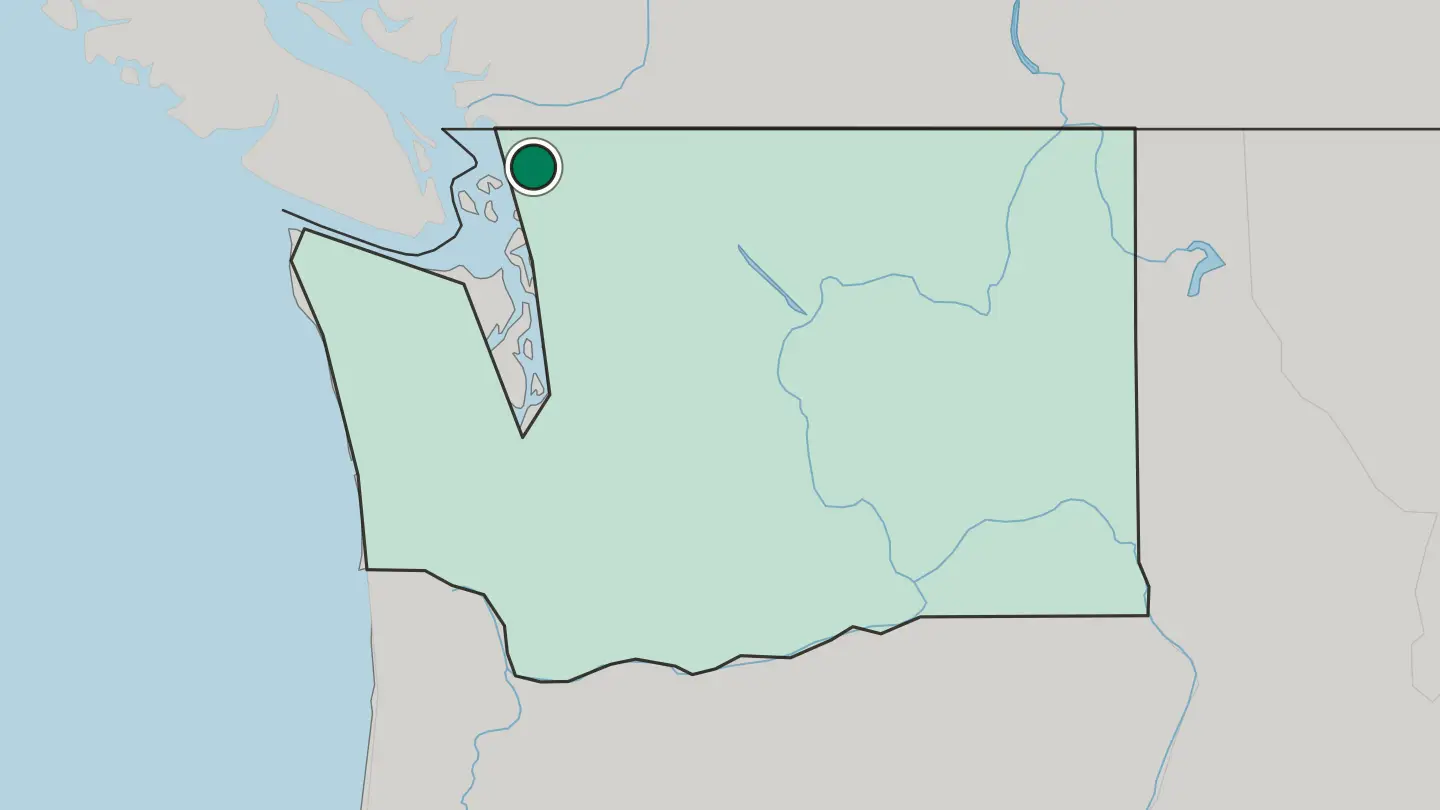
 United States
Kennewick
Kennewick lines the south bank of the Columbia River in Benton County, largest of the Tri-Cities of Washington State, and dates from 1904.Where to stay →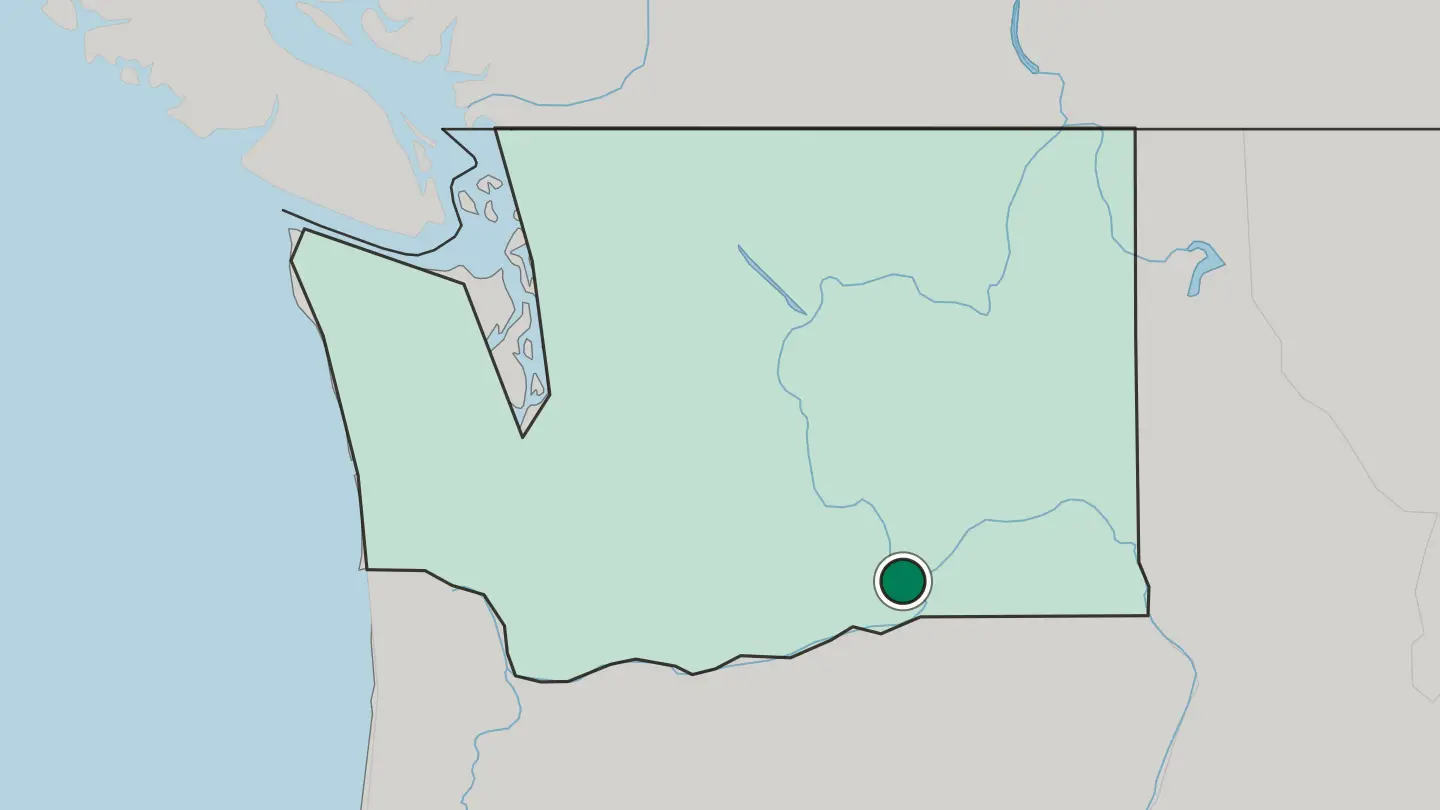
 United States
Auburn
Auburn occupies the floor of the White River valley in south King County, a Washington city of the Seattle metropolitan area.Where to stay →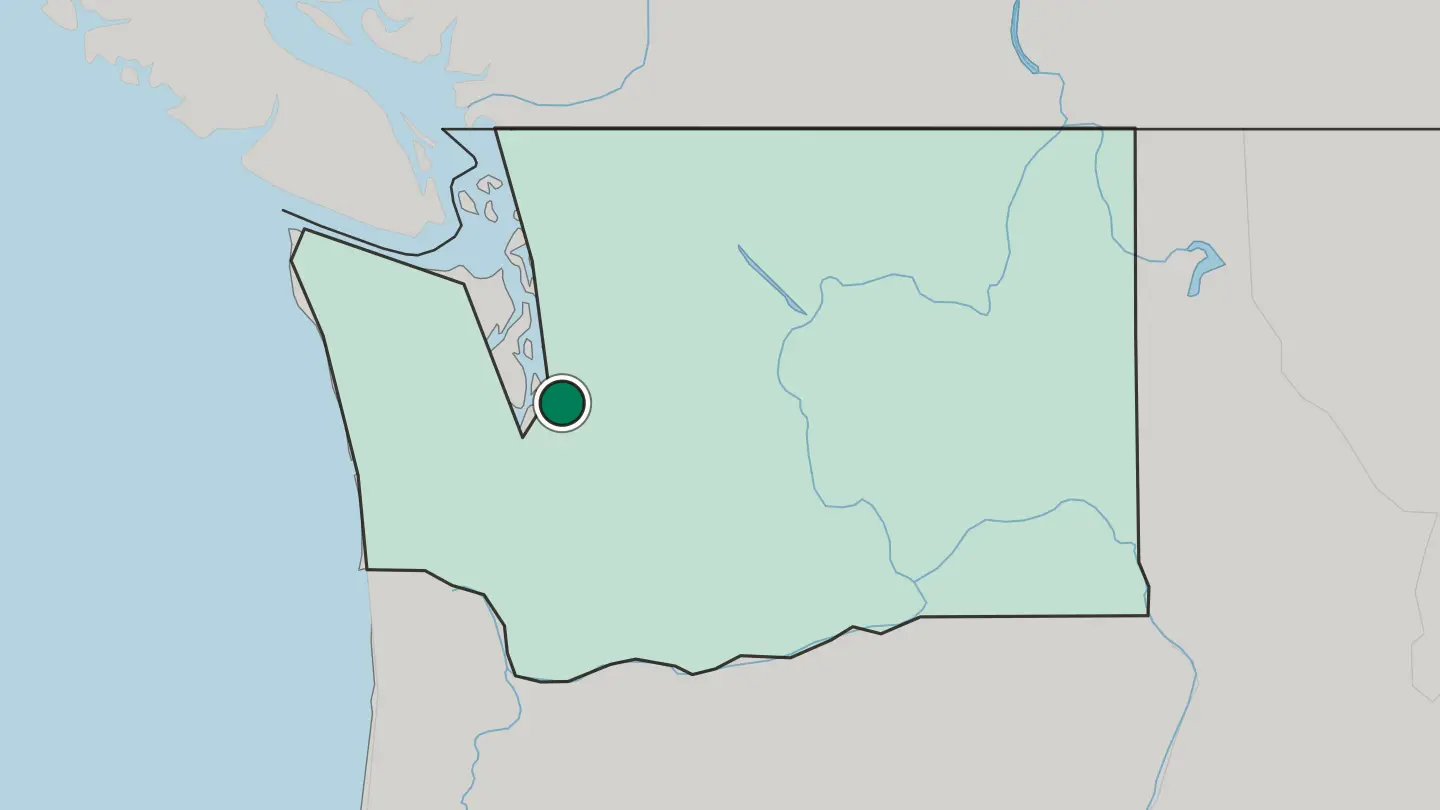
 United States
Pasco
Pasco stands on the north bank of the Columbia between the Yakima and Snake rivers, the Franklin County seat and one of the Tri-Cities, founded in 1891.Where to stay →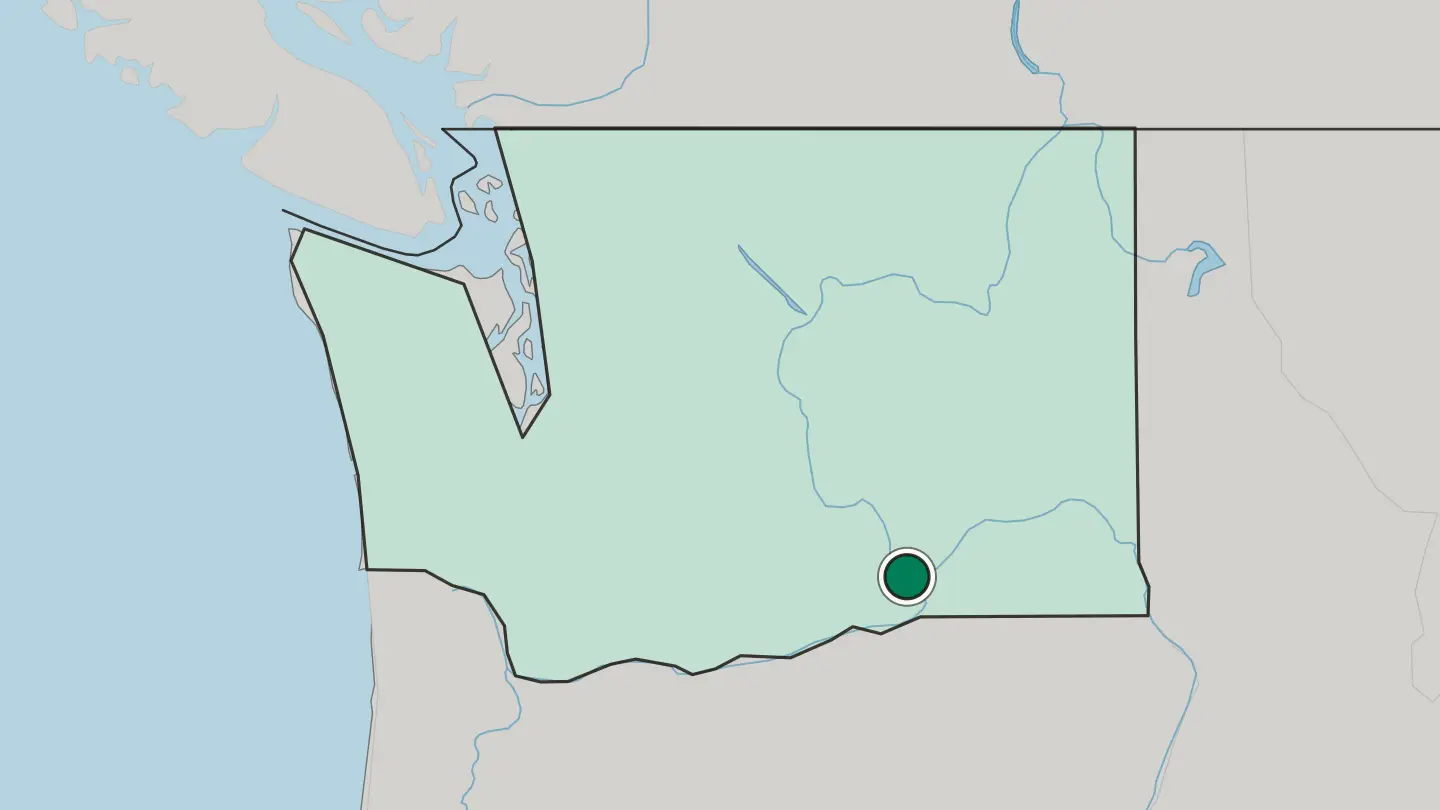
 United States
Redmond
Redmond sits on the Eastside beyond Lake Washington, fifteen miles east of Seattle, a King County city of technology campuses settled in 1870.Where to stay →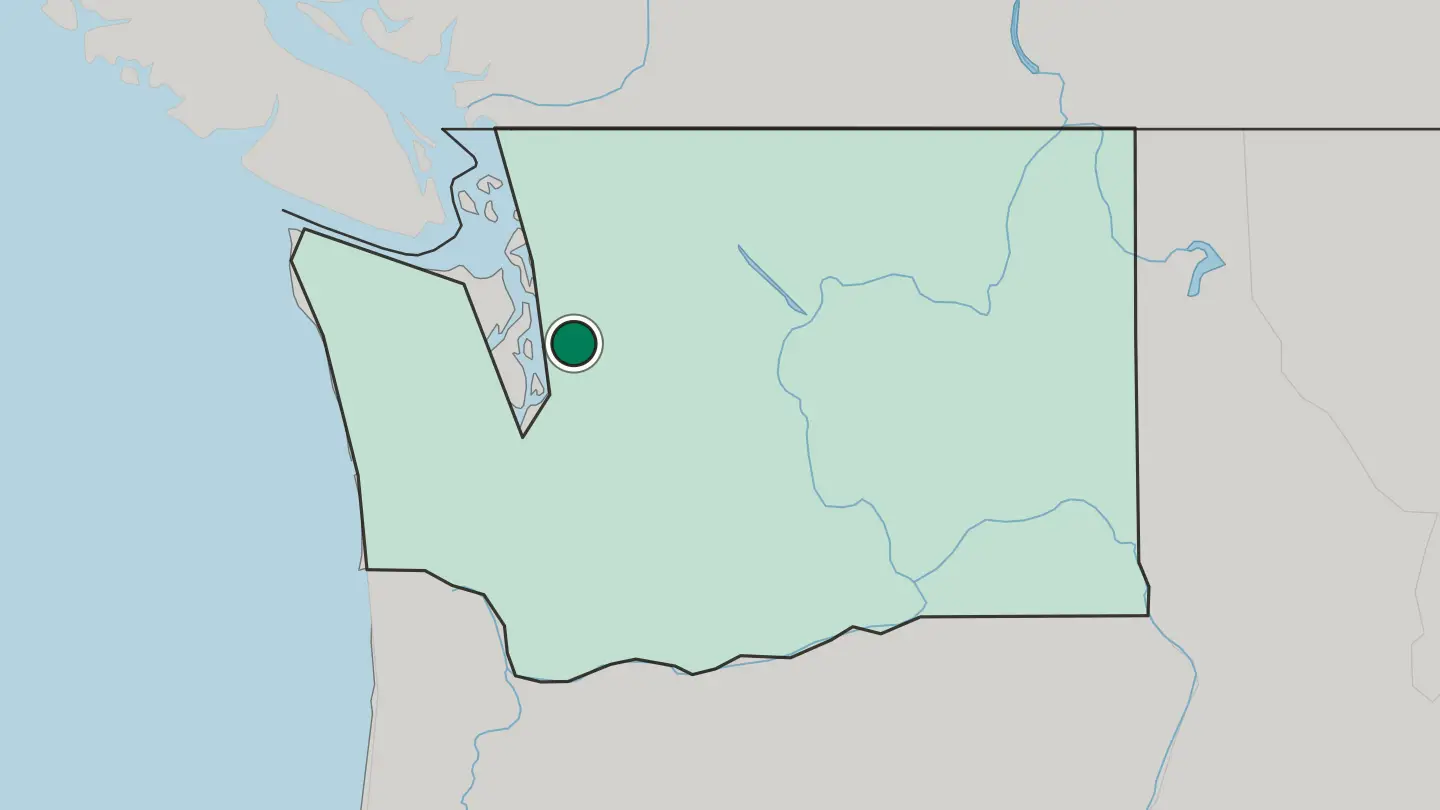
 United States
Olympia
Olympia is Washington's capital and the seat of Thurston County, a small city anchoring the South Puget Sound region, founded in 1859.Where to stay →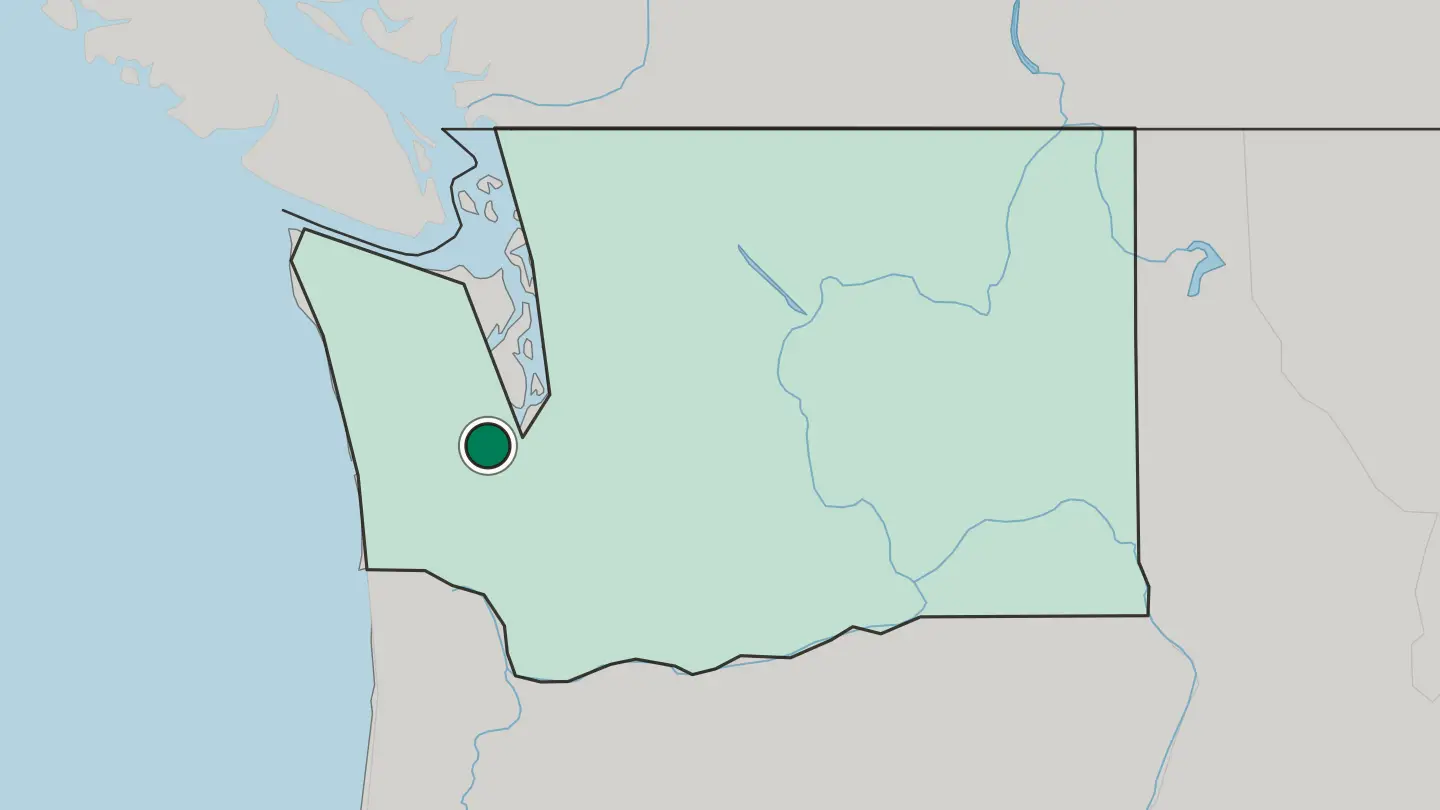 United States
Richland
Richland sits at the confluence of the Yakima and the Columbia in Benton County, the Tri-Cities neighbour closest to the Hanford Nuclear Site.Where to stay →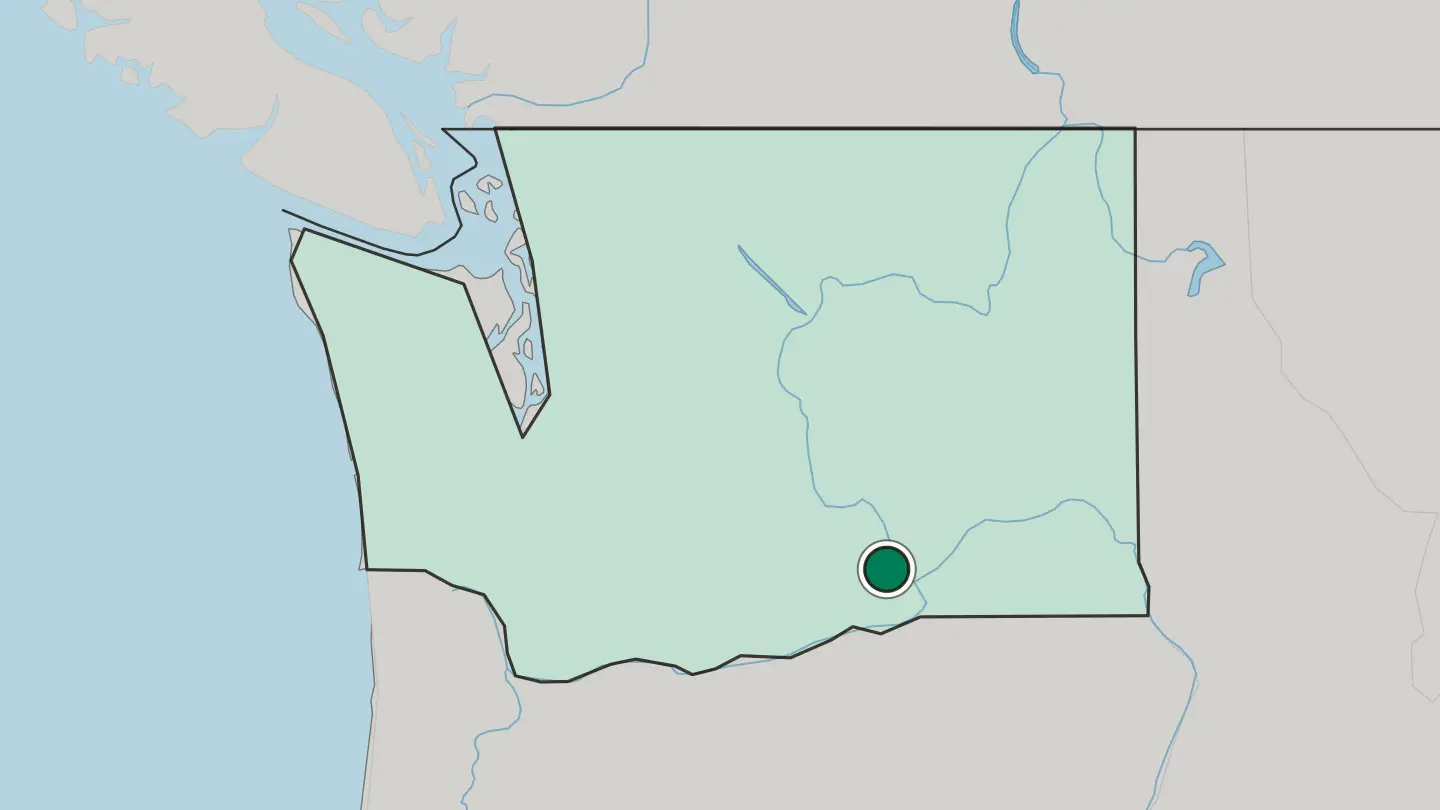
 United States
Sammamish
A plateau city in King County, Washington, Sammamish lies between Lake Sammamish and the Snoqualmie Valley, twenty miles east of Seattle.Where to stay →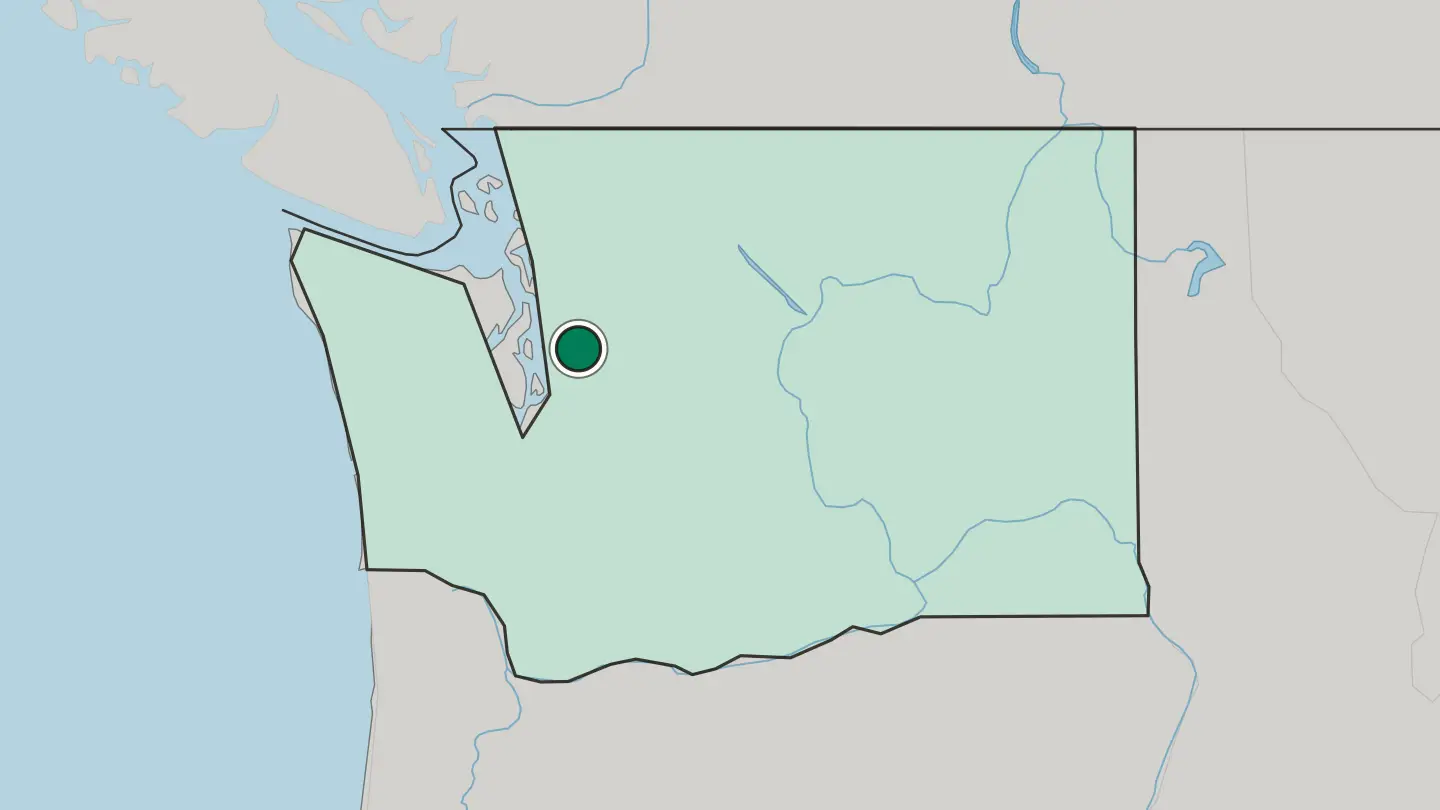
Hotel links are affiliate links: booking through them may earn us a commission, at no extra cost to you. It never affects how places are ranked. How this works
About Washington
Seattle carries the state abroad.
What is Washington known for?
It sits on Puget Sound, where Boeing builds jetliners, software campuses turned the region into a technology hub, and coffee houses sent the Seattle style around the world. Behind the skyline rises Mount Rainier, a glacier-capped volcano crowning the Cascade Range. Its evergreen forests give the state its nickname, and their timber built the early port towns along the coast.
East of the mountains, the country turns dry. There orchards and vineyards along the Columbia River yield apples and wine, and the Palouse hills roll in wheat toward the Idaho line.
Where is Washington?
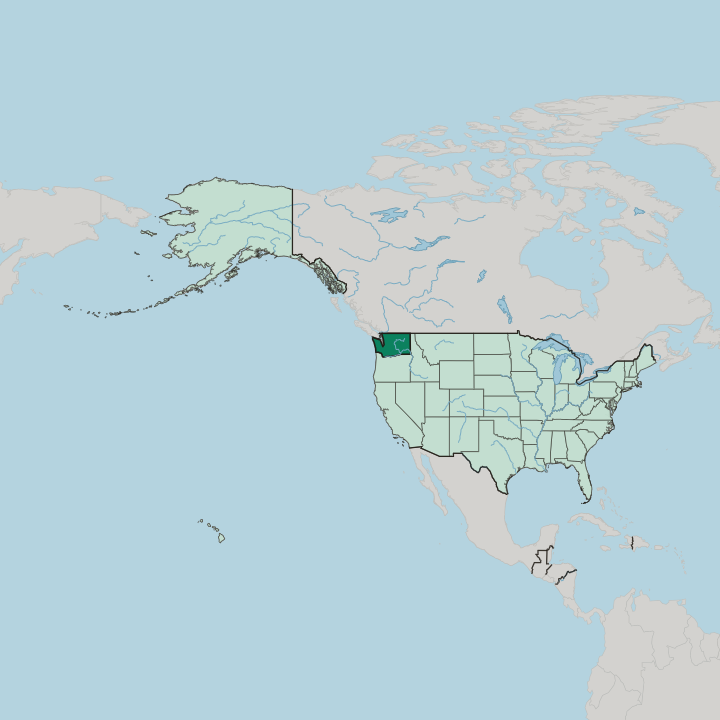
Washington sits in the far northwest of the contiguous United States, the corner where the mainland runs out at the Pacific. The ocean forms its whole western edge. To the north lies Canada, with British Columbia across the line; to the south the Columbia River marks most of the boundary with Oregon before it bends west to the sea.
Idaho closes off the eastern side. Between those edges the land is anything but uniform. The Cascade Range is the spine that splits it.
These mountains run north to south down the middle of the state, and they divide two different worlds. West of the crest, the Puget Sound lowland runs south from Canada, a trough of water and city caught between the Cascades and the Olympic Mountains. The Sound itself is a maze of inlets and islands reaching in from the Pacific Ocean, with the San Juan Islands scattered near the Canadian border.
East of the crest, the country dries out fast. The Columbia Plateau spreads in shrub-steppe and wheat, cut by the wide arc of the Columbia River and rising toward the Palouse hills and the Idaho line. Mount Rainier stands above it all, the highest point in the state and the tallest of the Cascade volcanoes.
What is Washington like?
Washington wears its weather and its water lightly, and much of its character comes from the rainy coast. Coffee is the everyday ritual here. The modern café culture spread from a single Pike Place Market storefront in Seattle before it reached the rest of the world.
That same city gave rock its grunge sound, the flannel-and-feedback music of bands out of Seattle and the mill town of Aberdeen. Aviation runs just as deep, since Boeing built the region's fortunes on the jetliner, and software and online retail later turned the Puget Sound area into one of the country's technology centres. Life leans outdoors.
Mountains, forest, and saltwater sit within an hour of most doorsteps, and the ferry is a normal way to commute. The first peoples of the coast, the Coast Salish and their neighbours, carved the cedar and fished the salmon runs long before the city rose, and Seattle itself carries the name of a Duwamish and Suquamish leader. East of the Cascades the culture shifts.
Wheat, apples, and vineyards set the rhythm there, and the wine of Walla Walla and the Yakima Valley has earned the dry interior its own name. English is the common language across both halves, with Spanish widely heard through the farm country.
What is the history of Washington?
People have lived along these shores and rivers for thousands of years, building cedar-plank towns and salmon economies long before any European sail appeared. Outsiders came late. British and Spanish ships charted the coast, George Vancouver mapped Puget Sound in 1792, and Lewis and Clark reached the Columbia River.
The region was held jointly by Britain and the United States until an 1846 treaty fixed the northern boundary. Washington Territory took the first president's name in 1853. Statehood came on the eleventh of November 1889, when Washington joined the Union as its forty-second state.
What is the climate of Washington?
The Cascade Range makes two climates out of one state. West of the crest the air comes off the Pacific, mild and damp, with grey wet winters and a dry, bright stretch in late summer. The Olympic Peninsula catches the worst of it, and its western valleys hold some of the wettest ground anywhere in the contiguous states.
East of the mountains, the rain quits. The Columbia Plateau sits in a rain shadow, hot and dry in summer and cold under clear skies in winter, closer to a high desert than a coast.
How do you get to Washington?
Most journeys begin in the air over Washington. Seattle-Tacoma International Airport is the region's main air hub, the busiest in the Pacific Northwest and a common crossing point to Asia across the Pacific. By land, Interstate 5 runs the length of the state from Oregon up to the Canadian border, and Interstate 90 climbs east over the Cascades toward Spokane and Idaho.
Trains follow the coast, cross the mountains. Ferries fan out across Puget Sound to the islands and north to British Columbia, so the water is part of the journey too.
Common questions
What is the best area to stay in Washington?
Seattle: a first sense of Washington. The Olympic Peninsula: temperate rainforest and the outer coast. The Cascades: volcano country and alpine trails. Eastern Washington: vineyards and high-desert sun.
Good for
More regions in United States
Updated September 2026