Uzbekistan · Jizzakh Region
Where to Stay in Jizzax, Jizzakh Region
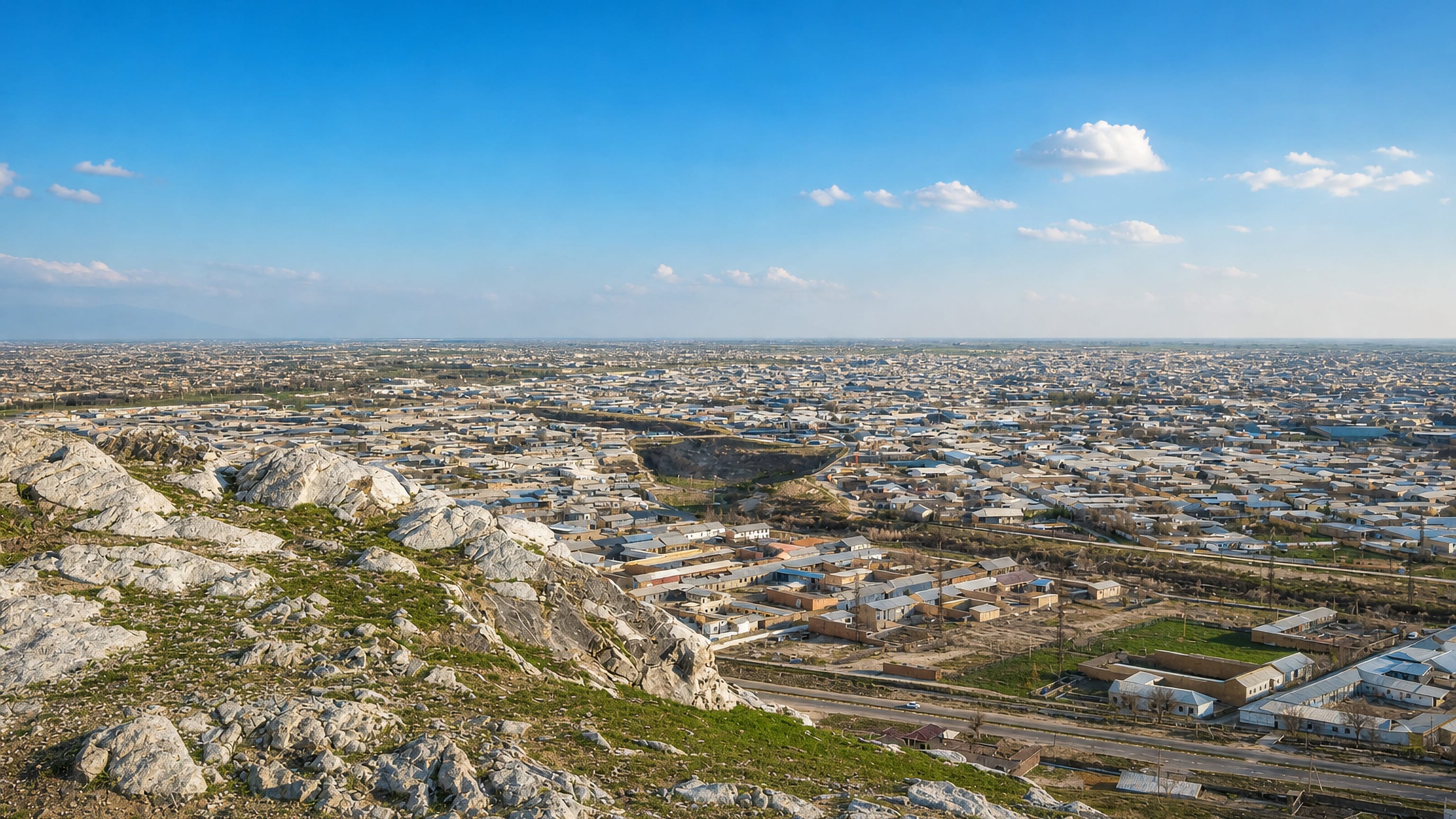
Jizzax is an ancient Silk Road town on the plains of central Uzbekistan, below the pass called the Gate of Tamerlane.
Hotel links are affiliate links: booking through them may earn us a commission, at no extra cost to you. It never affects how places are ranked. How this works


Where to stay in Jizzax
Where visitors usually base themselves, and why.
Where you stay in Jizzax turns on the town centre. The central streets keep the bazaar, the shops, and the parks within a walk, and staying downtown suits anyone here for the city. The bazaar stirs in the morning.
Rooms sit among the low town blocks. Out toward the hills and the gate, the town gives way to the mountains. A room toward the hills trades the centre for cooler air, the gorge, and the road up to the Gate of Tamerlane.
The bare ranges rise past the edge. If you want the bazaar and the shops, stay downtown; if you want the gate, take a room toward the hills. Either way, the town is close at hand.
Find hotels in Jizzax
Direct booking searches for these neighbourhoods.
The town centre
Downtown within a walk of the bazaar and parksFind hotels in The town centreStays wanting the gorge and the gateThe hills
Toward the mountains on the road up to the Gate of TamerlaneFind hotels in The hillsHotel links are affiliate links: booking through them may earn us a commission, at no extra cost to you. It never affects how places are ranked. How this works
About Jizzax
Jizzax is an old caravan town on the Silk Road.
What is Jizzax known for?
It stands on the Sangzor river between Samarkand and Tashkent, at the foot of the mountains where the road squeezes through the narrow pass of the Gate of Tamerlane, and around the town lie the mounds of settlements thousands of years old. The steppe stretches away to the north. Road and gate mark the town.
What are the main landmarks in Jizzax?
The Gate of Tamerlane cuts through the hills near Jizzax. The narrow rock gorge, carved with the words of old kings, carries the ancient road, the mark of the town, into the mountains. Old mounds ring the plain.
The tepes of vanished towns rise across the fields, while an old madrasa and the shrines of the town mark the streets of Jizzax.
What is the history of Jizzax?
Jizzax has guarded the mountain gate since ancient times. The old road from Samarkand to the east ran past the town and up through a narrow gorge in the hills, the Gate of Tamerlane, where kings and conquerors cut their names in the rock. Old mounds tell of its age.
The mounds of old towns around Jizzax hold the ruins of settlements two thousand years old and more, from the days of the Silk Road caravans. Armies and traders passed this way for ages. Persian kings, Alexander's men, Arab and Mongol hordes, all marched through the gate between the desert and the sown land, and the town rose and fell with the roads.
Later the Russians came to the steppe. In the last century Jizzax grew as a market and rail town on the edge of the Hungry Steppe, watered by new canals, and it became the seat of its own province. The old gate still stands in the hills.
Jizzax keeps its road and its tepes on the Uzbek plain.
Where is Jizzax?
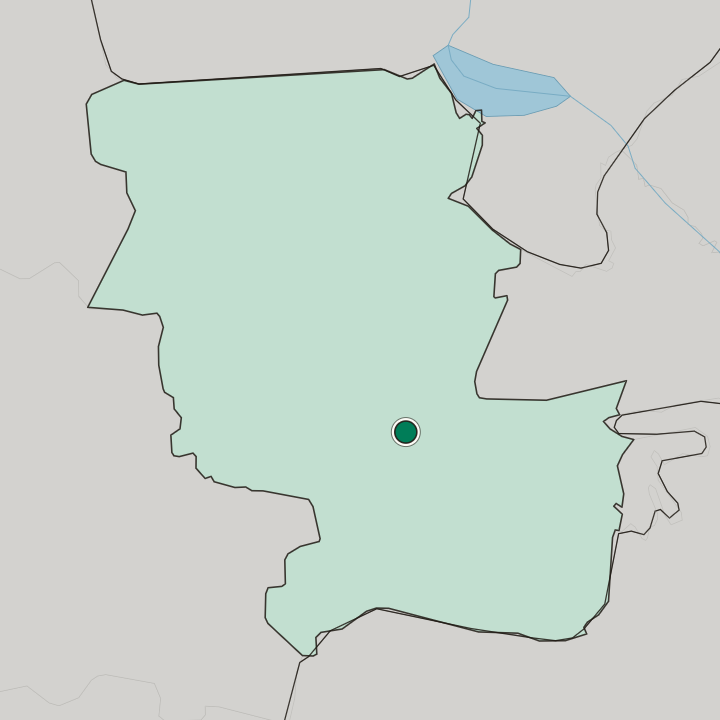
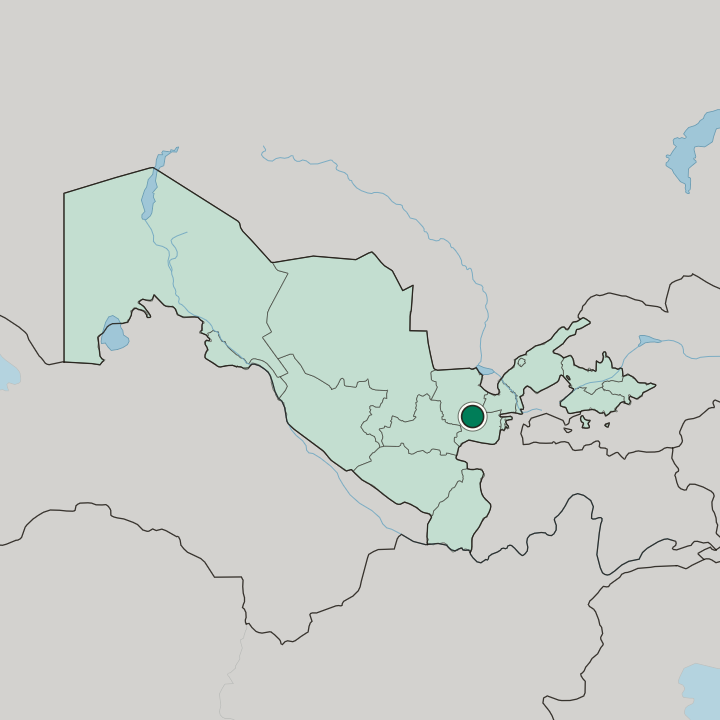
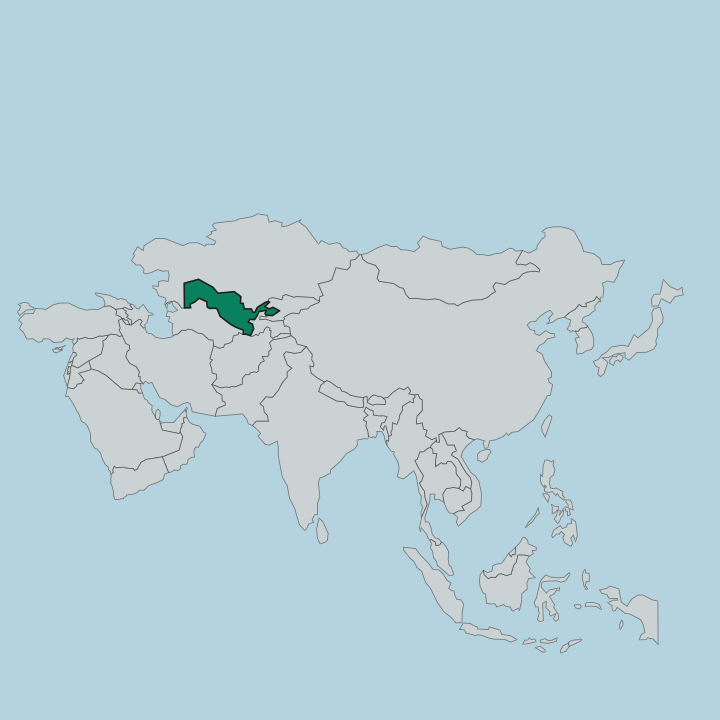
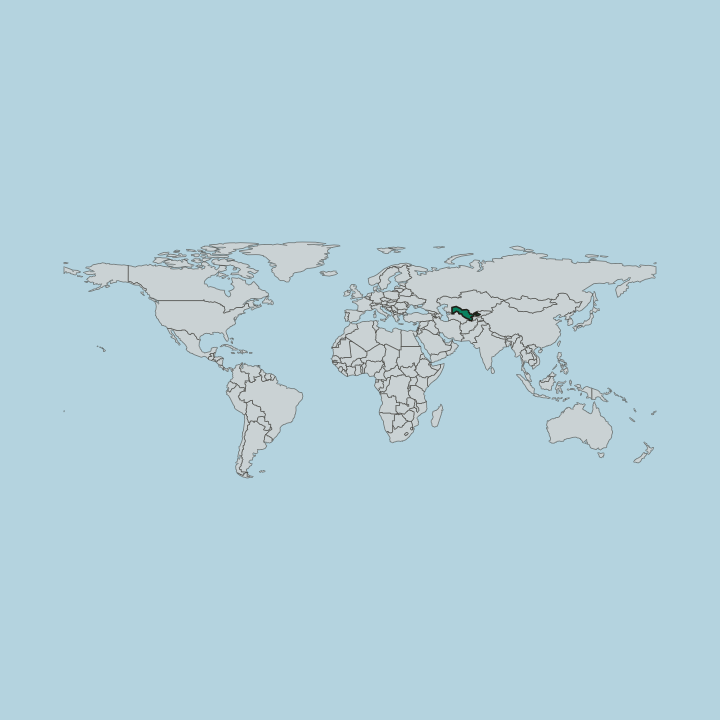
Jizzax lies on the plains of central Uzbekistan, at the foot of the Nuratau mountains. The town sits on the Sangzor river where it comes down from the hills, on the edge of the great Hungry Steppe, between the mountains and the flat dry land. Bare ranges rise to the south.
The steppe runs on to the horizon.
What is the climate of Jizzax?
Dry continental weather rules the steppe around Jizzax. Hot, dry summers bake the steppe, and the winters turn cold with frost and a little snow, with wide swings from day to night, and rain falls light in spring. Dust winds sweep the plain in summer.
The steppe air stays dry and clear.
How do you get to Jizzax?
Jizzax lies on the road from Samarkand to Tashkent in central Uzbekistan. The highway and the railway run through the town between the two great cities, and roads climb south through the Gate of Tamerlane into the hills. Buses reach the steppe towns around.
Most arrive by road or rail from Samarkand.
Common questions
What is the best area to stay in Jizzax?
The town centre: Visitors here for the bazaar, shops, and parks. The hills: Stays wanting the gorge and the gate.
Good for
Updated September 2026