Uzbekistan · Namangan Region
Where to Stay in Namangan, Namangan Region
Namangan is a city of the northern Fergana Valley in Uzbekistan, a place of old madrasas and gardens below the Tian Shan.
Hotel links are affiliate links: booking through them may earn us a commission, at no extra cost to you. It never affects how places are ranked. How this works


Where to stay in Namangan
How the choice of base plays out on the ground.
In Namangan it comes down to how near the bazaar lanes you want your room. The streets around the madrasa and the bazaar keep the shrines, the mosques, and the markets within a walk, and staying in the centre suits anyone here for the old city. The bazaar lanes fill by day.
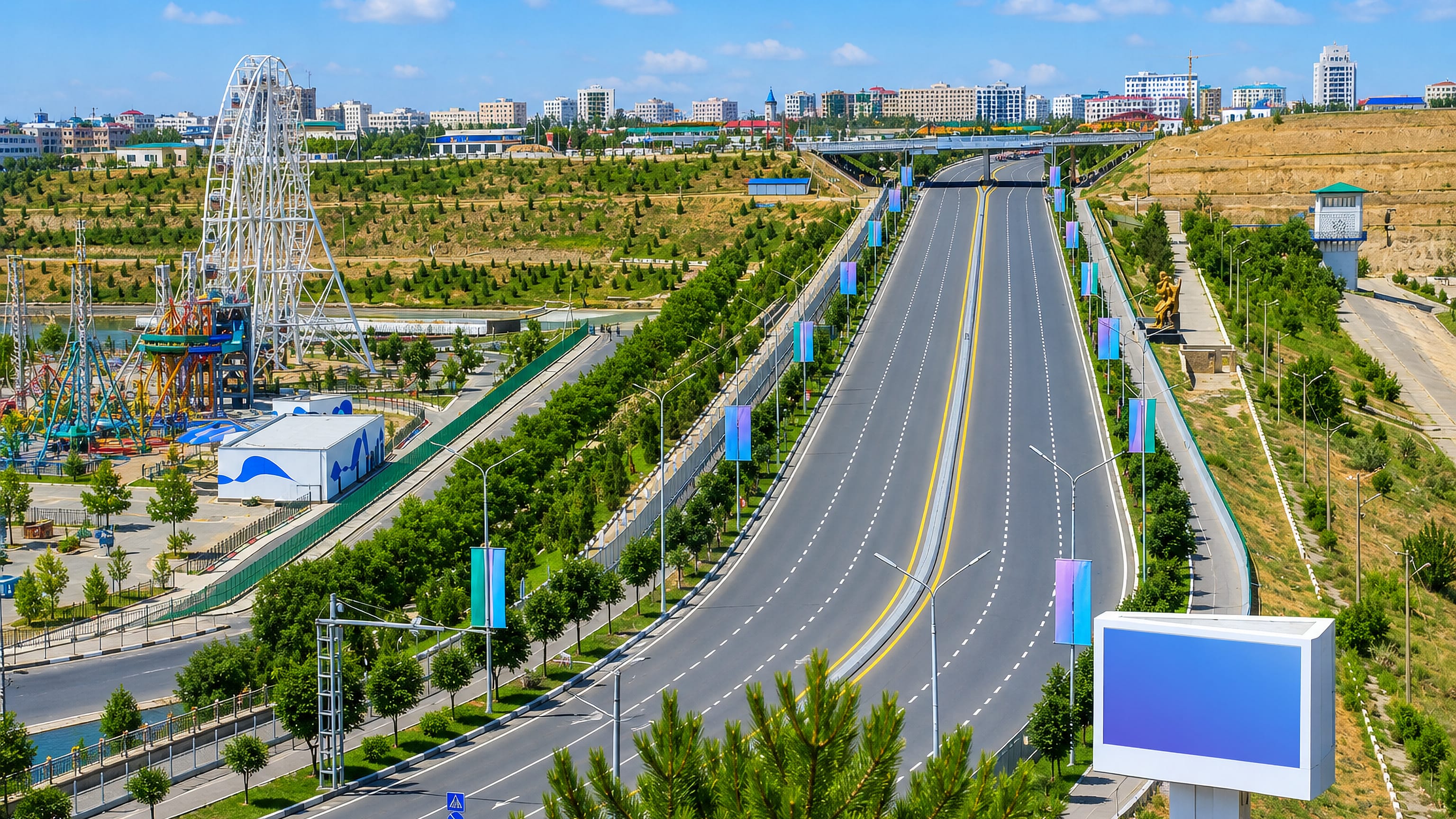
Rooms sit near the market. Out in the newer districts and the gardens, the city spreads wide and green. A room away from the centre trades the old lanes for space, the parks, and the orchards around the town.
The green valley opens past the edge. If you want the madrasa and the bazaar, stay in the centre; if you want space, take a room outside. Neither choice puts the madrasa and the bazaar far away.
Find hotels in Namangan
Direct booking searches for these neighbourhoods.
The old town
Around the madrasa within a walk of the marketFind hotels in The old townStays wanting space and the gardensThe newer districts
Toward the orchards on the edge of townFind hotels in The newer districtsHotel links are affiliate links: booking through them may earn us a commission, at no extra cost to you. It never affects how places are ranked. How this works
About Namangan
Namangan is the garden city of the northern Fergana.
What is Namangan known for?
In the fertile valley below the mountains, it grew from people who fled a ruined old town, and it keeps a fine old madrasa, the shrines and mausoleums of its holy men, the memory of the poet Mashrab, and gardens famous for their flowers. The mountains ring the valley. Madrasas and gardens mark the city.
What are the main landmarks in Namangan?
The Mulla Qirghiz madrasa is the pride of Namangan. The great brick college, with its blue-tiled portal and carved wooden pillars, stands among the old streets, the emblem of the city, near the bazaar. Old shrines lie around the town.
The mausoleums of Namangan's holy men and the tomb linked to the poet Mashrab draw pilgrims, while the bazaars, the mosques, and the flower gardens mark the city of Namangan.
What is the history of Namangan?
Namangan rose from the ruin of an older city. Nearby stood ancient Akhsikent, a great town of the Silk Road, until an earthquake threw it down, and its people moved to Namangan and made it their own in the seventeenth century. The town grew rich in the valley.
It prospered on the silk, cotton, and fruit of the northern Fergana, and its craftsmen and traders filled the bazaars. Faith and learning marked the city. Namangan became known across the valley for its many madrasas and shrines, and for the memory of Mashrab, the wandering Sufi poet whose verses are still sung.
Gardens gave the town its fame. The people of Namangan grew famous for their flowers and orchards, and held a great flower festival each year in the warm season. The old madrasa still stands by the bazaar.
Namangan keeps its shrines and its gardens in the Fergana.
Where is Namangan?
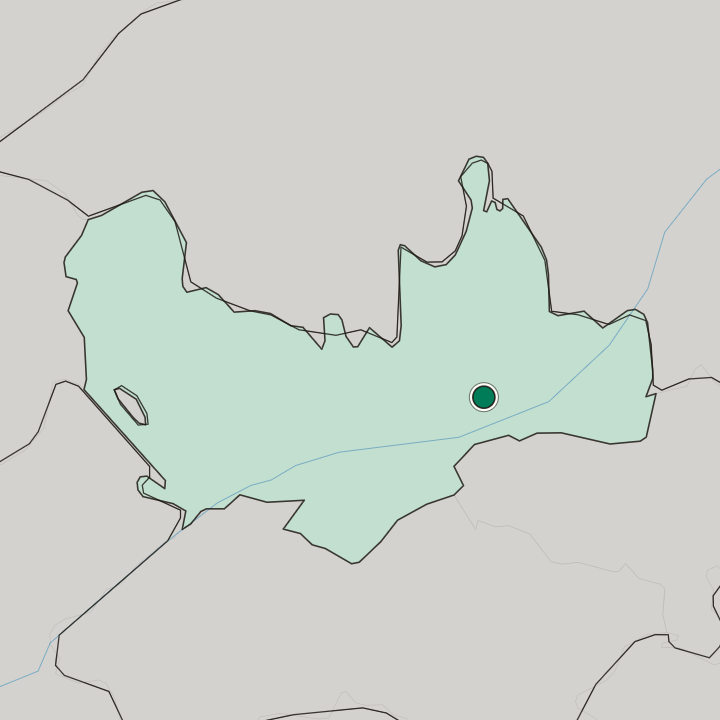
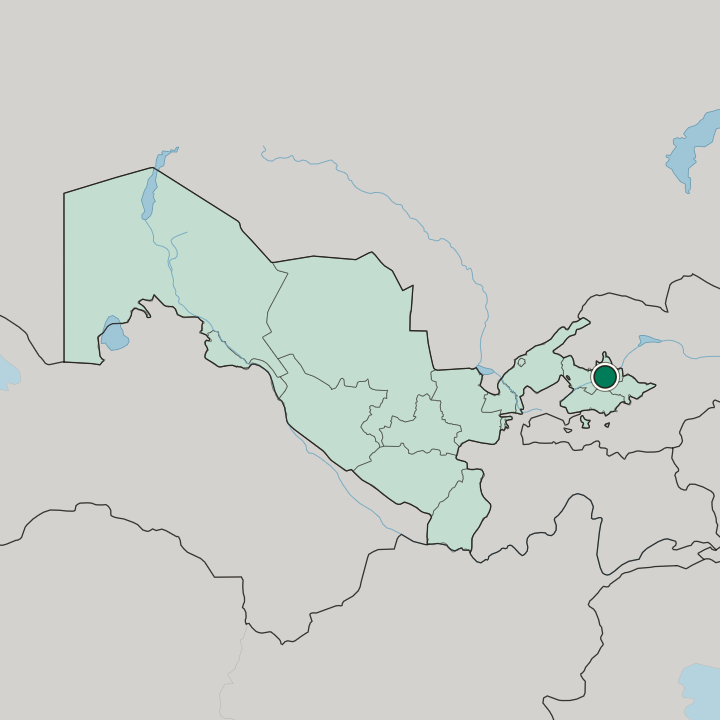
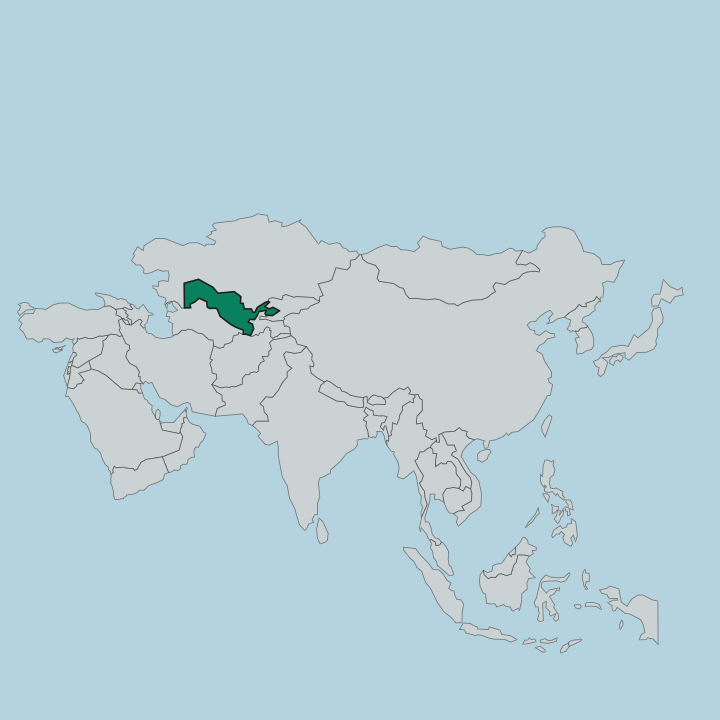
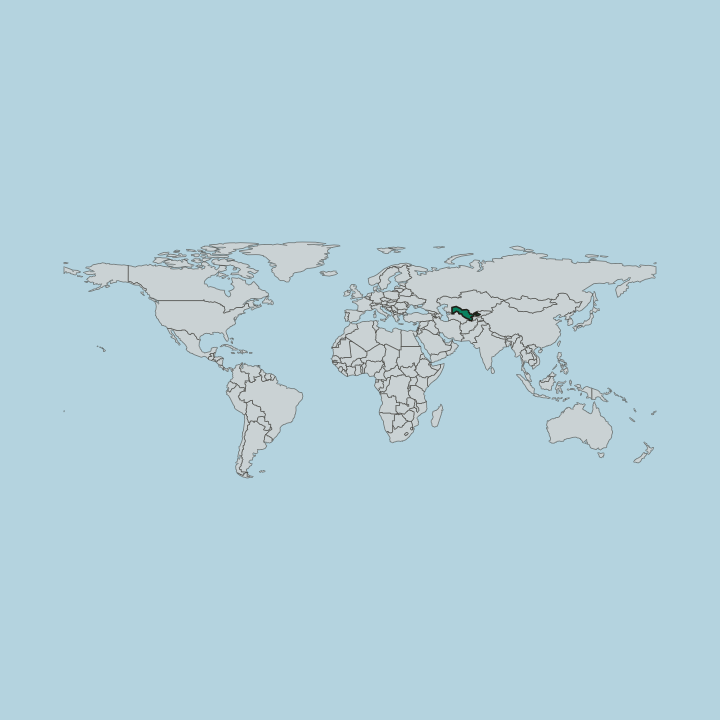
Namangan lies in the northern Fergana Valley of Uzbekistan, below the Tian Shan mountains. The city sits on the fertile plain of the valley, on the streams that run down to the Syr Darya, ringed by the high ranges, near the Kyrgyz border. Snowy peaks rise to the north.
The green valley spreads to the south.
What is the climate of Namangan?
The Fergana Valley gives Namangan a dry continental climate. Hot, dry summers bake the valley, and cold winters bring frost and some snow, tempered by the ring of mountains, with most rain in the spring. Dust hazes the plain in summer.
The valley greens with the melting snow.
How do you get to Namangan?
Namangan lies in the northern Fergana Valley, near the Kyrgyz border. Roads and rail run to it from Tashkent and Andijon around the mountains, and the valley towns lie close along the plain. Local buses run out to the other Fergana towns.
Most arrive by road from Andijon.
Common questions
What is the best area to stay in Namangan?
The old town: Visitors here for the madrasa, shrines, and bazaar. The newer districts: Stays wanting space and the gardens.
Good for
Updated September 2026