Uzbekistan
Namangan Region, Uzbekistan — Towns & Travel Guide
Namangan is a densely farmed region on the northern edge of the Fergana Valley, Uzbekistan's orchard country between the Syr Darya and the Tian Shan.
Hotel links are affiliate links: booking through them may earn us a commission, at no extra cost to you. It never affects how places are ranked. How this works


Towns & cities in Namangan Region
One town here has its own guide — it links to where to stay.

 Uzbekistan
Namangan
Namangan is a city of the northern Fergana Valley in Uzbekistan, a place of old madrasas and gardens below the Tian Shan.Where to stay →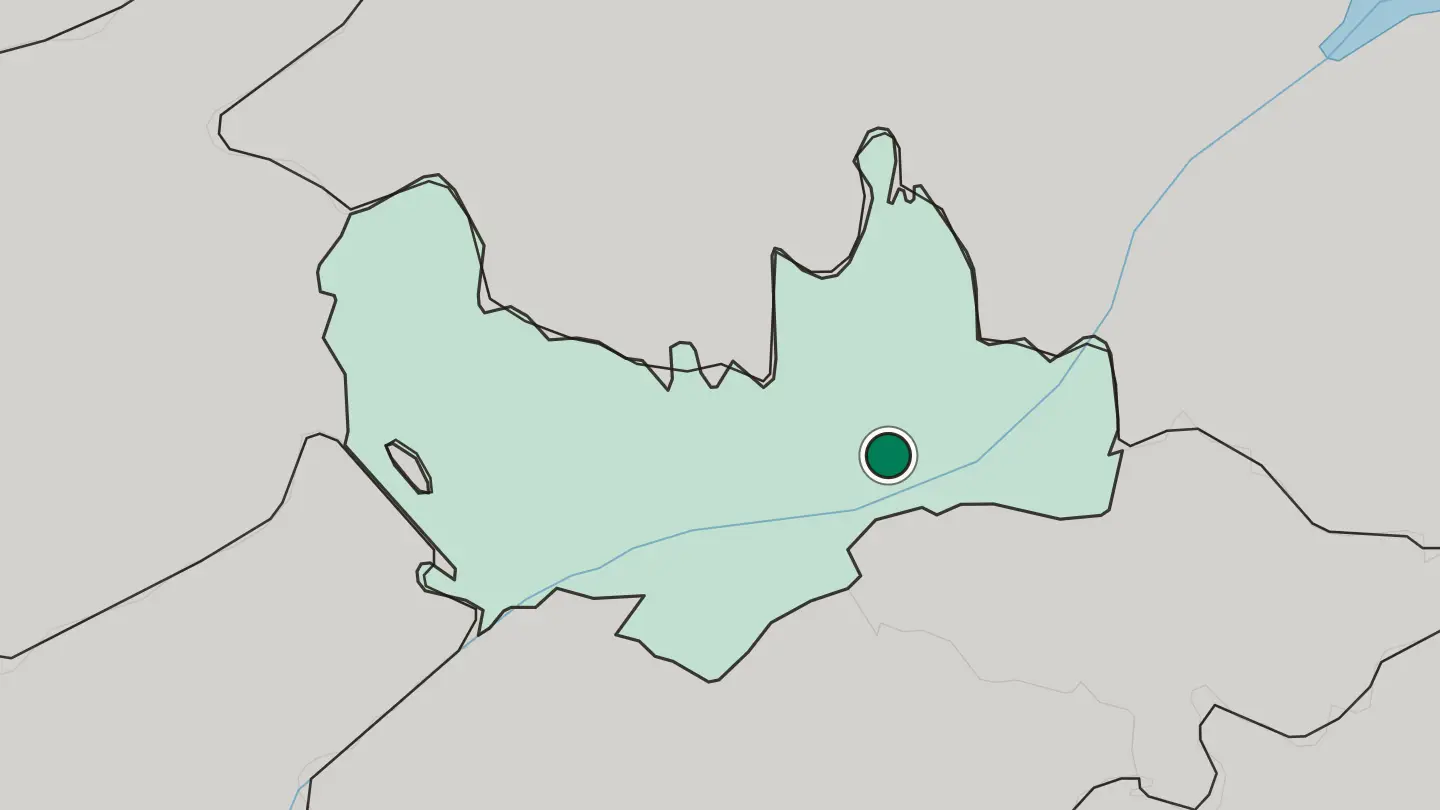
Hotel links are affiliate links: booking through them may earn us a commission, at no extra cost to you. It never affects how places are ranked. How this works
About Namangan Region
Namangan is known as a garden and a stronghold of faith.
What is Namangan Region known for?
Its fields and orchards, watered by the Syr Darya as the river gathers on the floor of the Fergana Valley, have made it one of Uzbekistan's most productive corners for fruit, cotton and flowers. Devotion marks it too. The old town keeps a conservative character, and its madrasas and bazaars draw those interested in traditional Uzbek life more than in monuments.
Nearby Chust is famous across the country for its skullcaps and knives.
Where is Namangan Region?
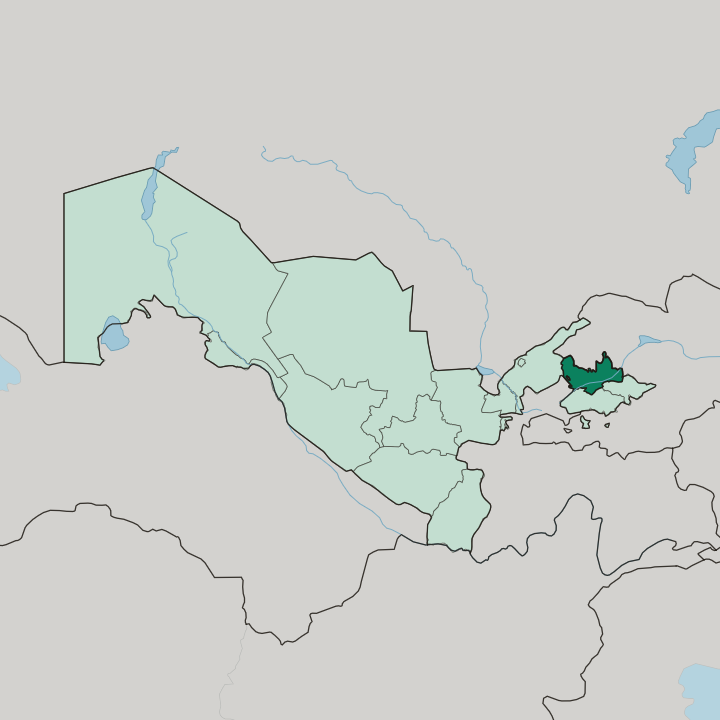
Namangan holds the northern third of the Fergana Valley, the great bowl of farmland that Uzbekistan shares with Kyrgyzstan and Tajikistan. The valley floor is its heart. Here the Naryn and the Kara Darya join to form the Syr Darya, and the river's waters, spread through a dense mesh of canals, turn the plain into an almost unbroken quilt of cotton, wheat and orchard that supports one of the most crowded rural populations in Central Asia.
Barely a field lies idle. To the north the land tilts upward. The Chatkal and Kurama ranges of the western Tian Shan wall the region off from the rest of Uzbekistan, and reservoirs like Kasansay catch their snowmelt before it reaches the fields below.
The mountains are close and abrupt. That squeeze of high peaks against intensely worked lowland, with the Syr Darya threading the middle, defines the whole province and explains why nearly everyone lives on the valley floor.
What is Namangan Region like?
Namangan has a name across Uzbekistan for piety and for craft. It is the valley's devout heart. The city was long a centre of Islamic learning, its madrasas and mosques giving it a conservative cast that still marks daily life, dress and the rhythm of the bazaar more visibly than in Tashkent or Samarkand.
Faith here is lived, not staged. The province is just as proud of what its hands make. The hill town of Chust supplies much of the country with the black doʻppi skullcap, embroidered in white almond motifs, and with hand-forged knives whose makers pass the trade down through families.
Orchards shape the calendar too. Namangan's spring flower festival and its reputation for apples, pomegranates and apricots tie the culture to the soil, so that faith, craft and fruit together give the region a character quite its own.
What is the history of Namangan Region?
Namangan grew as a valley town on the trade of the Fergana, rising as its older neighbour Aksikent silted up and faded. For centuries it lay within the Khanate of Kokand, the state that ruled the whole valley from its court to the south, before Tsarist Russia absorbed the region in the nineteenth century. Silk, cotton and fruit built its wealth.
The Soviet era ringed it with cotton monoculture and canals. Through all of it the city held to its reputation as a seat of learning.
What is the climate of Namangan Region?
Namangan has a continental climate softened a little by the enclosing valley. The summer stretch turns hot and rainless over the orchards. The surrounding ranges shelter the plain from the worst winds, so heat settles over the orchards from June to September while the rivers run low, and winters stay cold but rarely as harsh as the open steppe beyond the mountains.
Blossom in spring is the region's glory.
How do you get to Namangan Region?
Namangan has its own airport with flights from Tashkent, the quickest way in, since the mountain wall makes the overland trip a roundabout one. Roads climb over the Kamchik pass. That high crossing of the Kurama range carries the main highway and the railway from Tashkent down into the Fergana Valley, a scenic but slow haul that most travellers swap for the short hop by air.
Local roads then fan out to Chust and the foothill towns.
Common questions
What is the best area to stay in Namangan Region?
Namangan city centre: Bazaars and Fergana crafts. Chust: Skullcap and knife workshops. Kasansay: Reservoirs and foothill air.
Good for
More regions in Uzbekistan
Updated September 2026