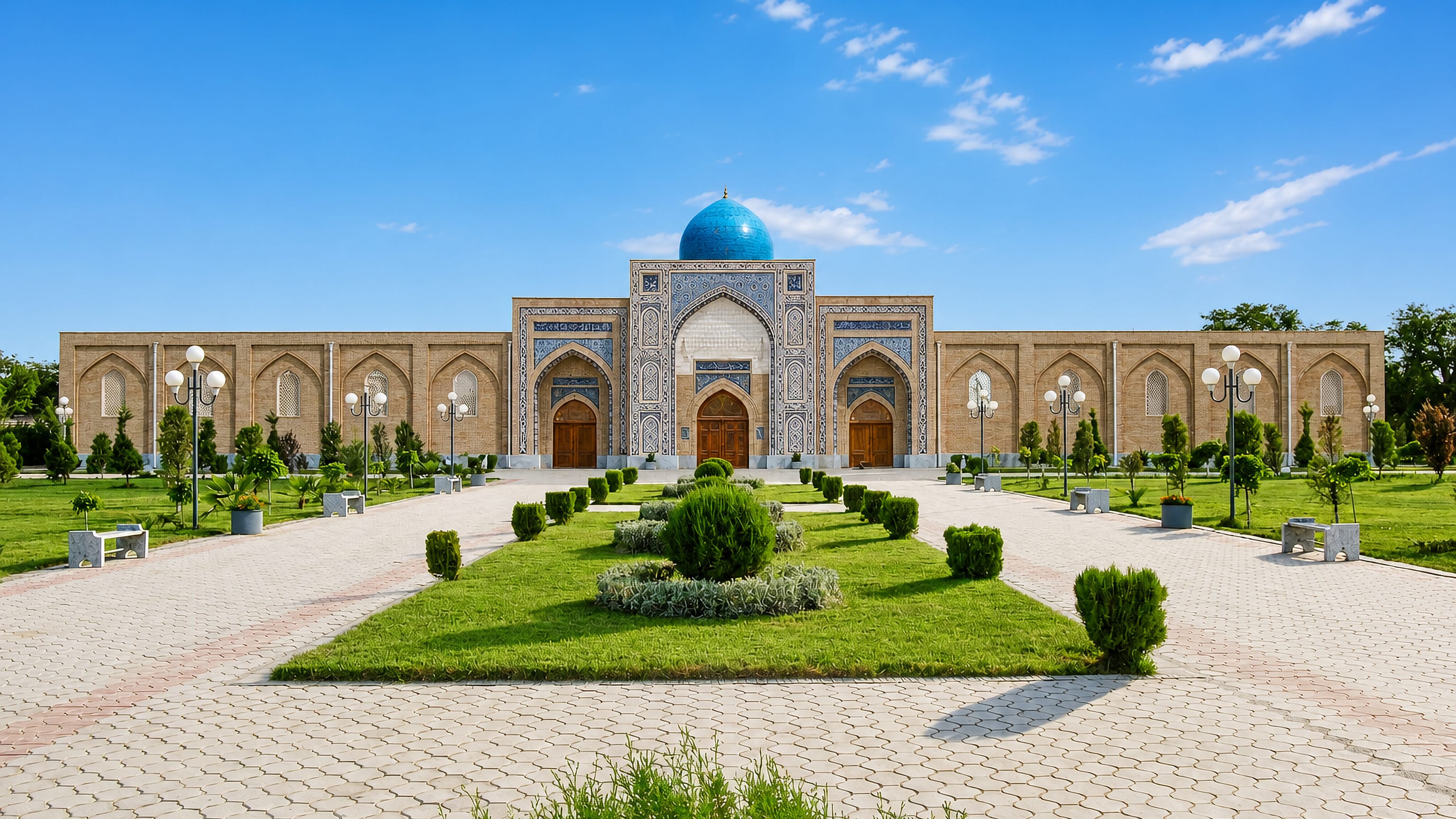
Uzbekistan · Qashqadaryo Region
Where to Stay in Qarshi, Qashqadaryo Region
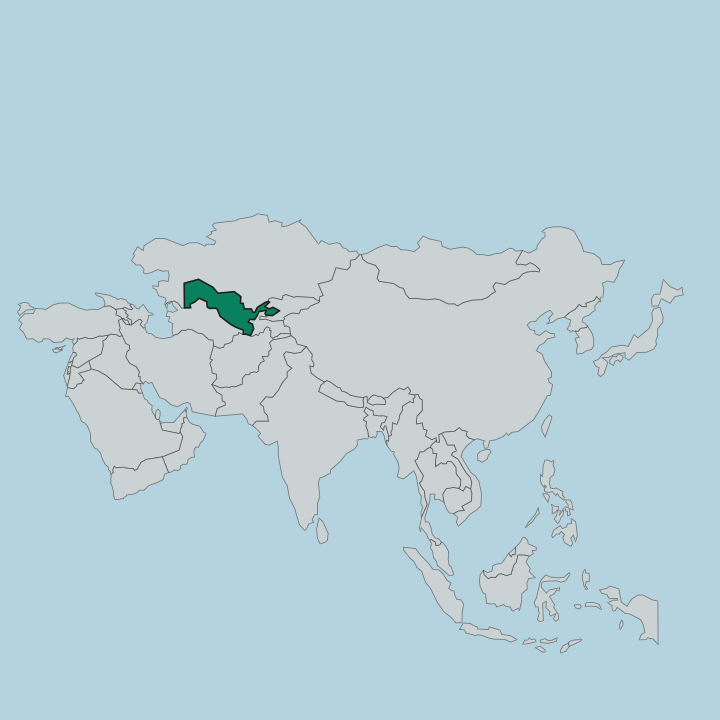
Qarshi is an old Silk Road city in southern Uzbekistan, the capital of the Qashqadaryo region on the edge of the steppe.
Hotel links are affiliate links: booking through them may earn us a commission, at no extra cost to you. It never affects how places are ranked. How this works


Where to stay in Qarshi
Where visitors usually base themselves, and why.
Qarshi sorts its rooms by distance from the old quarter. The streets around the bridge and the bazaar keep the mosques, the madrasas, and the market within a walk, and staying in the centre suits anyone here for the old Silk Road sights. The old lanes hush after dark.
Rooms sit in the guesthouses near the bridge. Out toward the newer town and the station, the streets run wider and plainer. A room away from the centre trades the old lanes for parking, space, and an easy road back to Samarkand.
The steppe opens flat past the oasis. If you want the bridge and the mosques, stay in the centre; if you want the road, take a room outside. Neither choice puts the bazaar far away.
Find hotels in Qarshi
Direct booking searches for these neighbourhoods.
The old town
Around the Qarshi Bridge and the bazaar, within a walk of the Kok Gumbaz MosqueFind hotels in The old townStays wanting parking, space, and the road outNewer town
Away from the centre near the station, an easy road back to SamarkandFind hotels in Newer townHotel links are affiliate links: booking through them may earn us a commission, at no extra cost to you. It never affects how places are ranked. How this works
Things to do in Qarshi
Ranked by global recognition; descriptions from Wikidata (CC0).
Museums & Galleries
1- Qashqadaryo viloyat oʻlkashunoslik muzeyi
Churches & Religious Sites
5- Odina Mosque Heritage
- Kuk Gumbaz Mosque (Qarshi) Heritage
- Chakar Mosque Heritage
- Mahallot Mosque Heritage
- Zogʻza masjidi Heritage
Landmarks & Notable Places
1- Qarshi Bridge Heritage
worth knowingacross 3 categories in Qarshi
About Qarshi
Qarshi is an ancient crossroads of the Silk Road.
What is Qarshi known for?
On the caravan road between Bukhara and the south, the old town keeps a famous brick bridge, blue-domed mosques, and madrasas from the days of the khans, and a great domed cistern once watered the travellers on the steppe. The Kok Gumbaz Mosque lifts its dome over the town. Trade and faith made the city.
What are the main landmarks in Qarshi?
The old brick bridge is Qarshi's landmark. The Qarshi Bridge, one of the oldest in Central Asia, still spans the river in the heart of the town, the great sight of the city, from the days of the emirs. Domes and madrasas rise nearby.
The Kok Gumbaz Mosque lifts its blue dome, the Qilichboy and Sharifboy madrasas keep their tiled fronts, and a great domed sardoba stands out on the old road.
What is the history of Qarshi?
Qarshi has guarded the desert road since ancient times. Known long ago as Nasaf, the oasis town stood on the caravan route between Bukhara, Samarkand, and the lands to the south, and it grew rich on the trade that crossed the steppe. The khans built the town in brick.
In the days of the Bukharan emirs, the rulers raised a great brick bridge over the river, blue-domed mosques, and madrasas, and set a domed cistern, the sardoba, on the dry road to shelter the travellers. The oasis fed the caravans and the courts. Its fields of grain and cotton supplied the cities, and its bazaars traded the goods of the passing trade, so that Qarshi became the chief town of the southern oasis.
Empires rose and fell around it. Bukhara, then Russia, then the modern state held the town in turn, but its old bridge and mosques survived every change. The Kok Gumbaz Mosque still lifts its blue dome over the streets.
Qarshi keeps its Silk Road past on the steppe edge.
Where is Qarshi?
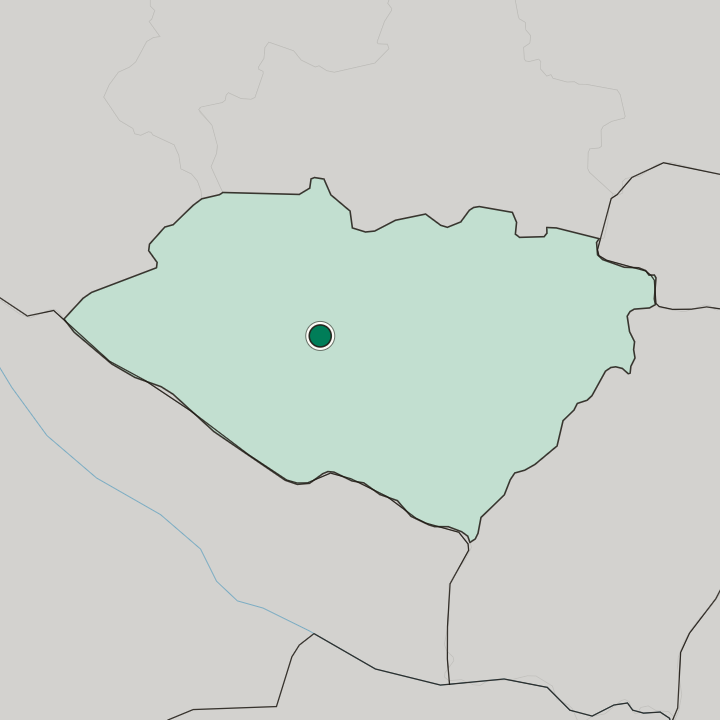
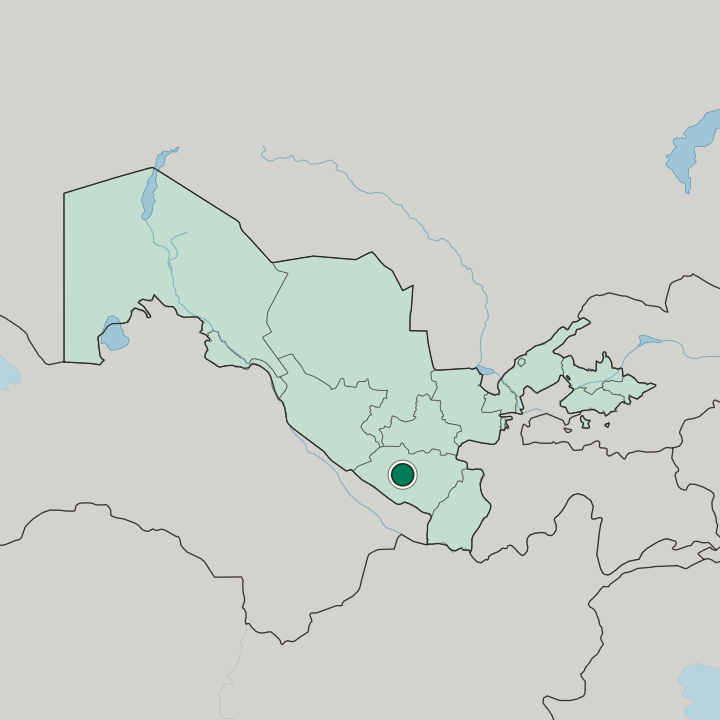
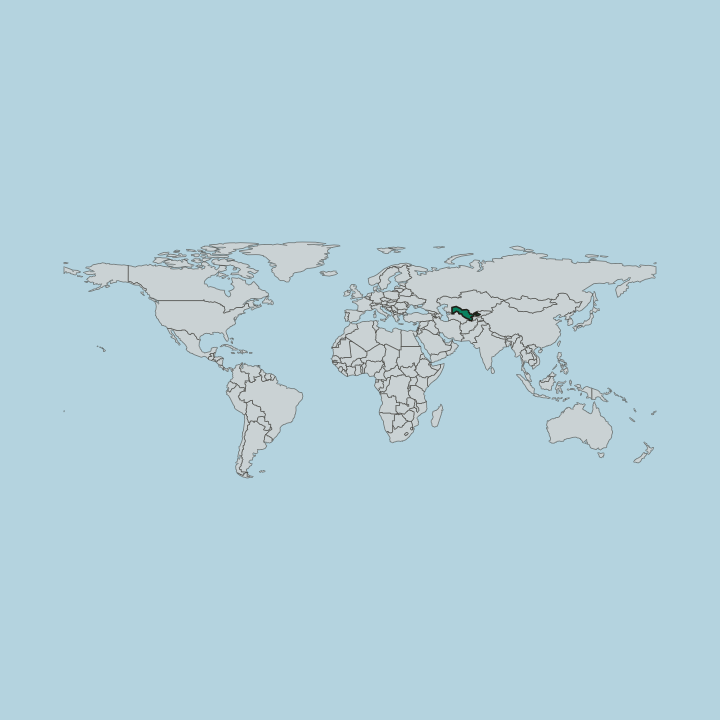
Qarshi lies on the steppe of southern Uzbekistan. The city spreads across a dry plain in the Qashqadaryo region, where the oasis fields, watered by mountain rivers, give way to the desert steppe on every side. Cotton and orchards fill the oasis.
The bare steppe stretches away beyond.
What is the climate of Qarshi?
Qarshi has a hot, dry continental climate. Fierce summers bake the steppe and the oasis, and the winters turn cold and short, with little rain outside the spring. Dust blows off the desert in the heat.
The oasis stays green on the mountain water.
How do you get to Qarshi?
Qarshi lies south of the great Silk Road cities. Rail lines and roads run to it over the hills from Samarkand and Bukhara, and roads cross the steppe to Termez and the south, while the city has its own airport. Buses reach the oasis towns around.
Most arrive by road across the steppe.
Common questions
What is the best area to stay in Qarshi?
The old town: Visitors here for the bridge, mosques, and madrasas. Newer town: Stays wanting parking, space, and the road out.
Good for
Another city in Qashqadaryo Region
Updated September 2026