Uzbekistan
Qashqadaryo Region, Uzbekistan — Towns & Travel Guide
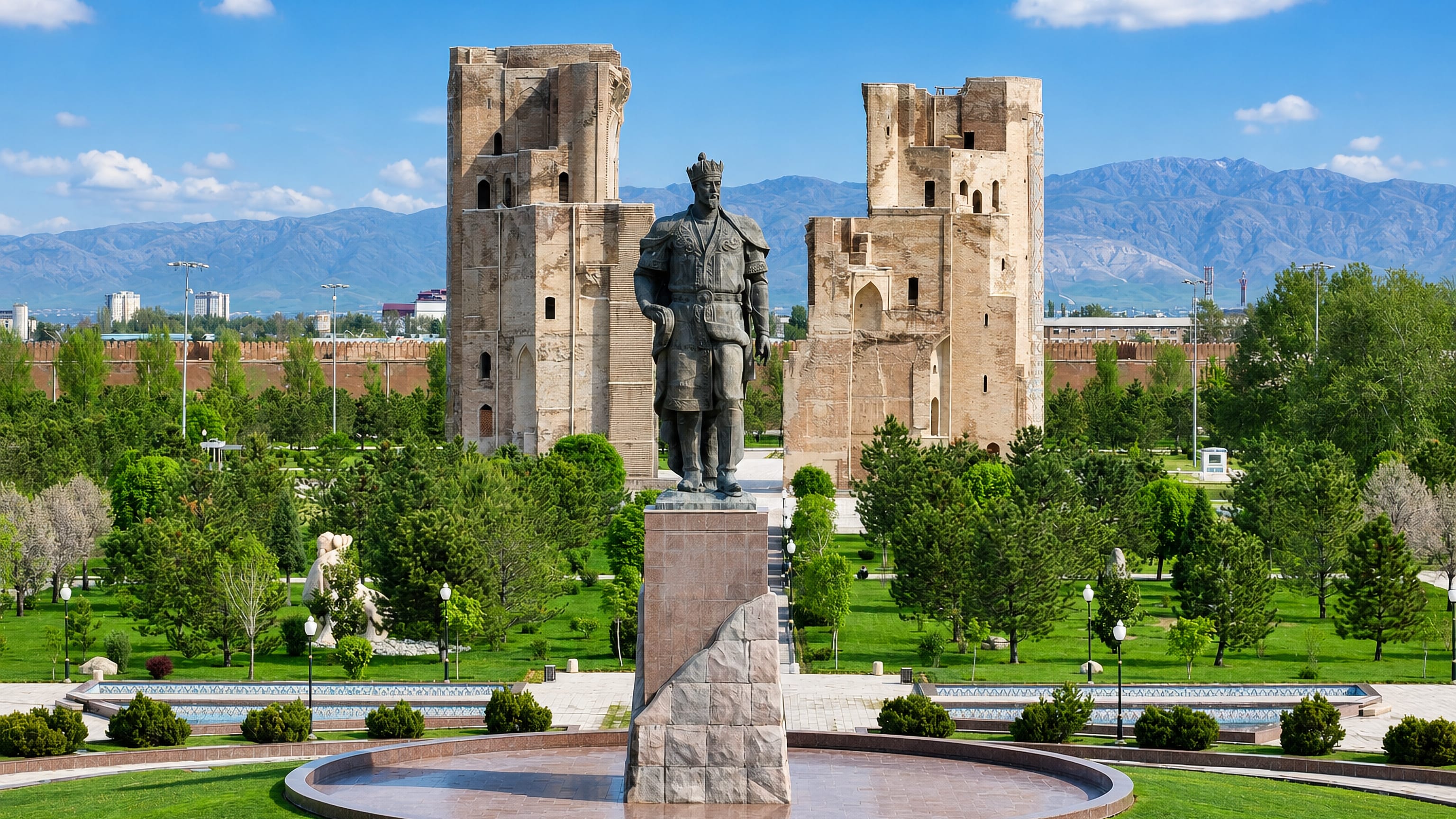
Qashqadaryo Region spreads across southern Uzbekistan, its Karshi Steppe running up to the Pamir-Alay foothills and Timur's Shahrisabz.
Hotel links are affiliate links: booking through them may earn us a commission, at no extra cost to you. It never affects how places are ranked. How this works


Towns & cities in Qashqadaryo Region
Pick a town or city — each links to where to stay.

 Uzbekistan
Qarshi
Qarshi is an old Silk Road city in southern Uzbekistan, the capital of the Qashqadaryo region on the edge of the steppe.Where to stay →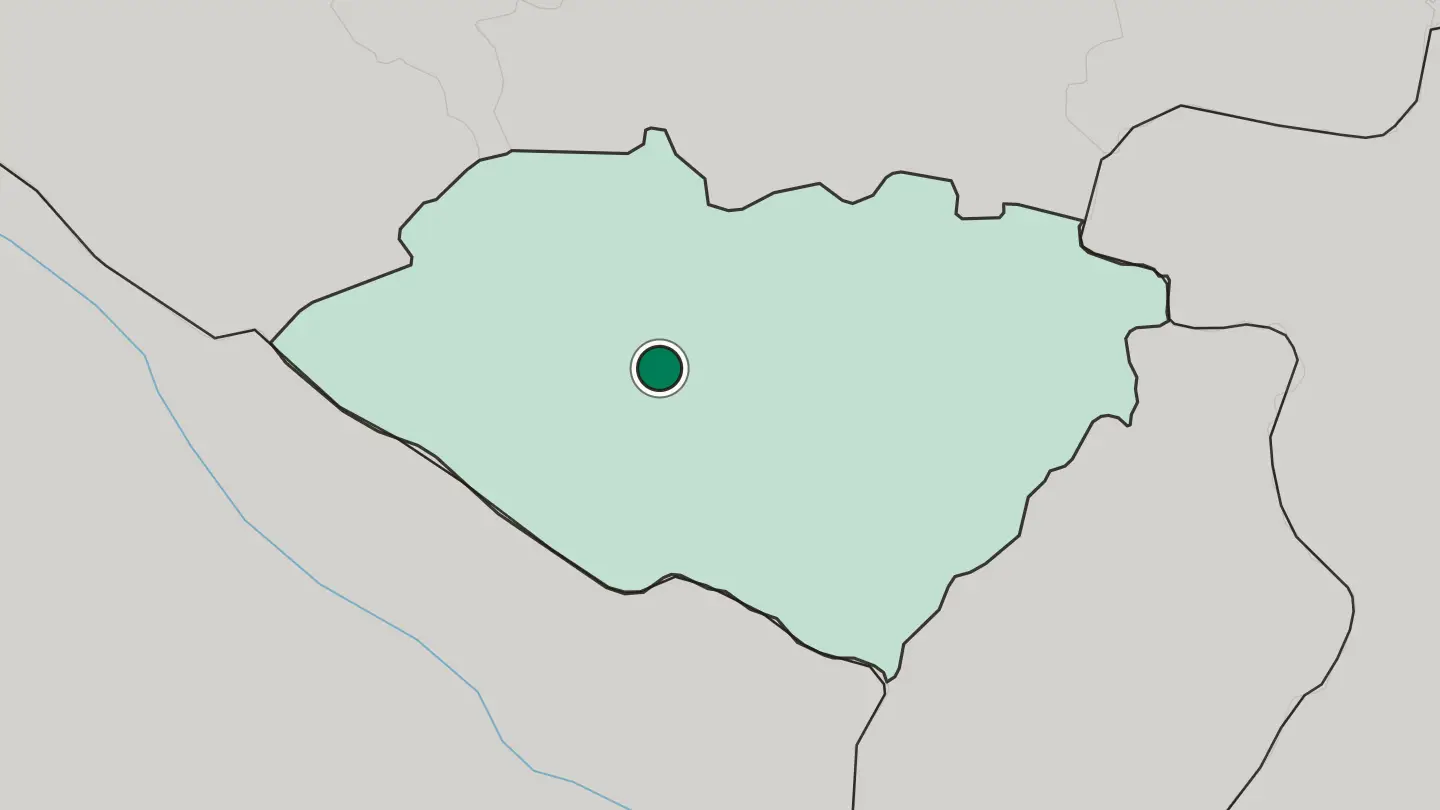
 Uzbekistan
Shahrisabz
Shahrisabz is a historic town in southern Uzbekistan, the birthplace of the conqueror Timur and a treasure of Timurid architecture.Where to stay →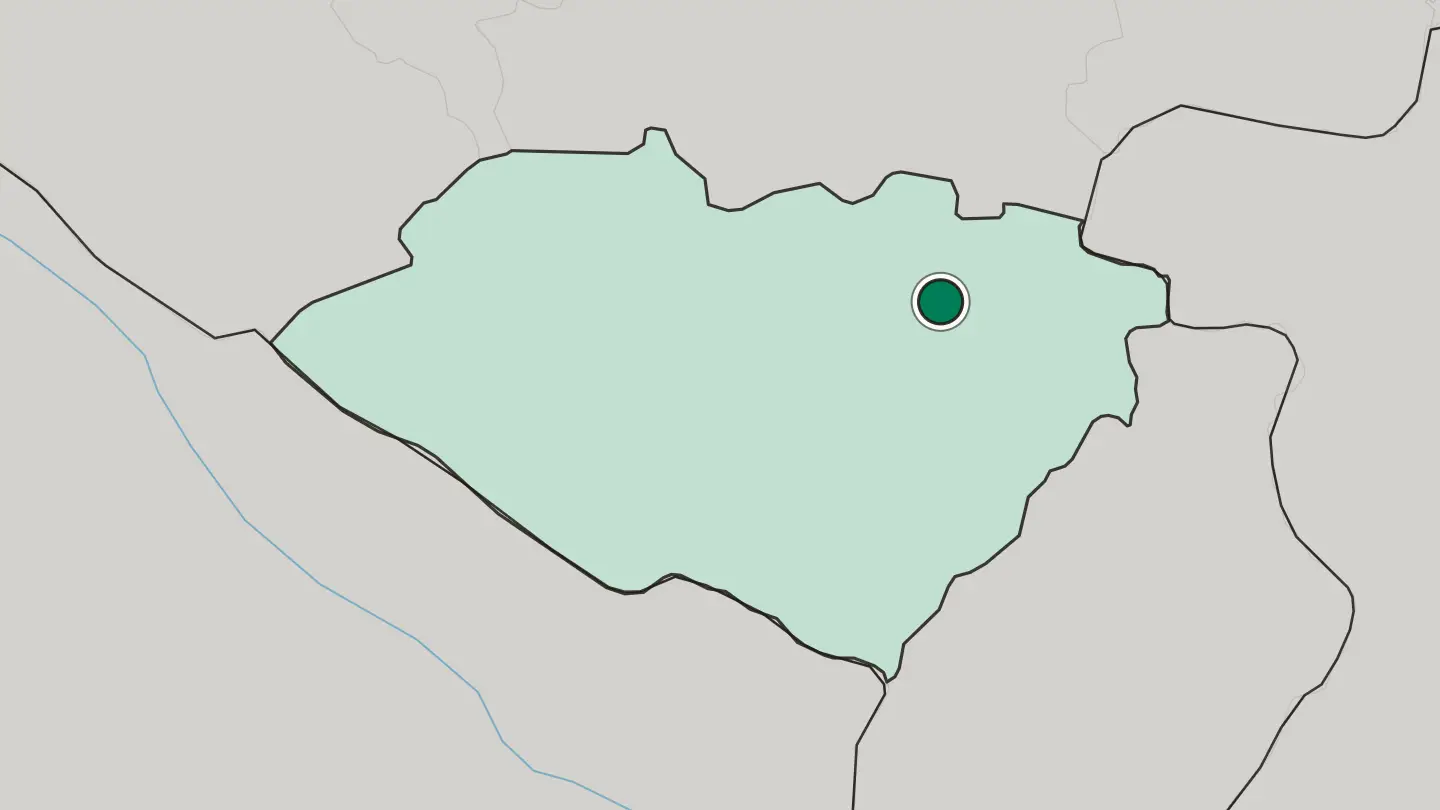
Hotel links are affiliate links: booking through them may earn us a commission, at no extra cost to you. It never affects how places are ranked. How this works
About Qashqadaryo Region
One name carries this region: Timur.
What is Qashqadaryo Region known for?
Shahrisabz, the old town of Kesh, is where the conqueror was born, and the shattered gate-towers of his Ak-Saray palace still rise over its centre. That historic core has stood on the UNESCO World Heritage list since 2000. Beyond the monuments lies working country, the Karshi Steppe stretching flat and dry toward the horizon, threaded by the Qashqadaryo river that gives the whole region its name.
Cotton fields, gas fields, and the market city of Qarshi fill the plain between the mountains and the sands.
Where is Qashqadaryo Region?
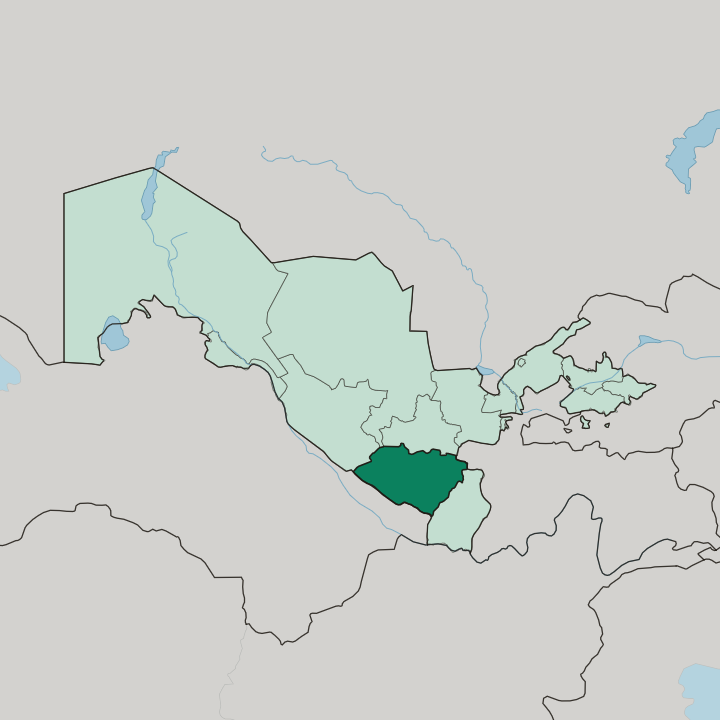
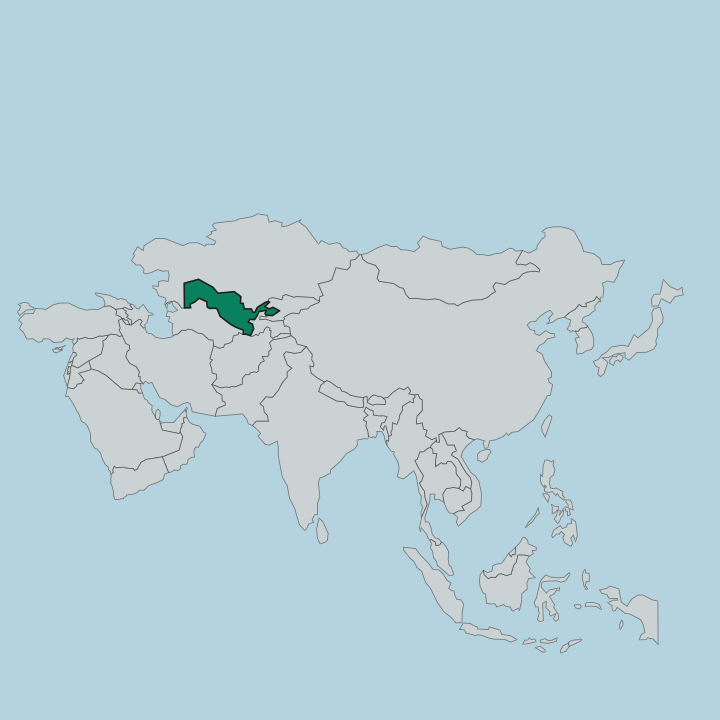
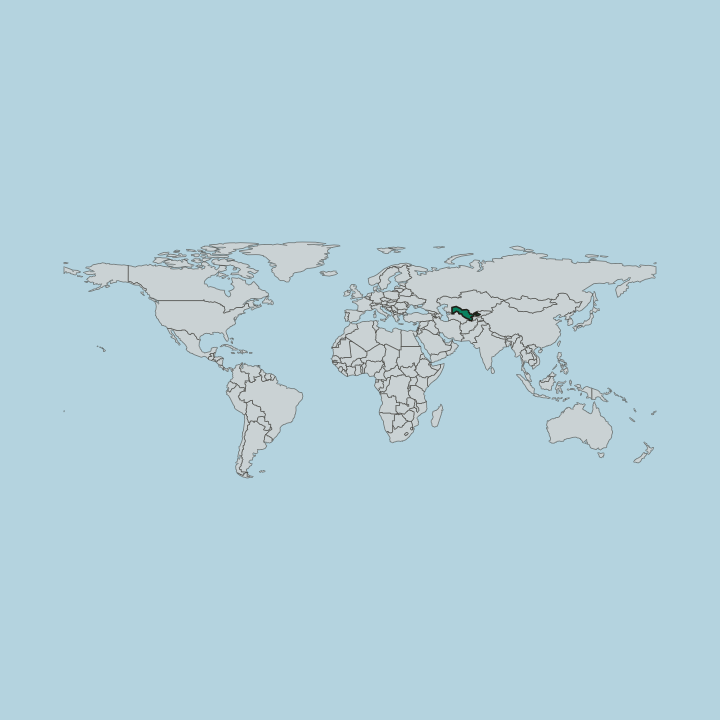
Qashqadaryo Region occupies the south of Uzbekistan, in the basin of the river it is named for. The ground slopes across the region. Its heart is the Karshi Steppe, a broad foothill plain that runs flat and open across the west and centre of the region.
In the east and south-east the ground climbs into the western spurs of the Pamir-Alay, where the Hisar Range walls the region off from Tajikistan. The Qashqadaryo river gathers in those mountains, flows west past the capital at Qarshi, and finally loses itself in the sands of the Qarshi Steppe rather than reaching any sea. Neighbours ring the plain. Samarqand Region lies to the north, Bukhara Region to the north-west, and the mountainous Surxondaryo Region across the ranges to the south-east, while two national borders close the remaining edges, with Tajikistan to the east and Turkmenistan away to the west beyond the desert.
No coast comes anywhere near. The region is landlocked and far inland, framed by high mountains on one flank and dry steppe on the other, a contrast that shapes almost everything about how people live here.
What is Qashqadaryo Region like?
Life here divides between the old towns and the open steppe. Shahrisabz carries the weight of the past, a place Timur made his own by raising palaces and shrines in the town of his birth, and its craftsmen still work the embroidery and ceramics that the Timurid court once prized. Qarshi keeps a different rhythm.
The capital grew as a caravan market on the road between Bukhara and Balkh, and it has stayed a trading town, its bazaars turning over the cotton and grain of the surrounding fields. Out on the plain the pattern is rural. More than half the region's people live in villages rather than cities, working the irrigated land or the flocks whose wool feeds the local carpet and textile trade.
Uzbek is the everyday language across the towns and the countryside alike. The food leans to the plov, kebabs, and bread of the wider region, cooked over open flame at roadside stops. Religion, craft, and the memory of the Silk Road all run through the region's sense of itself, but so does the plain hard work of a farming province.
It is a place that wears its grand history lightly and gets on with the present.
What is the history of Qashqadaryo Region?
This ground is old. Long before Uzbekistan drew its modern borders, the valley of the Qashqadaryo held Sogdian towns on the Silk Road, and the settlement beneath modern Qarshi was known as Nakhshab, later Nasaf. Its greatest moment came in the 14th century, when Timur was born at Kesh, the town now called Shahrisabz, and lavished palaces and mausoleums on it as his home city.
Later the region fell under the Emirate of Bukhara, with Qarshi standing as its second city, before the whole of it was drawn into Uzbekistan and set apart as Qashqadaryo Region in the 20th century. Empires came and went across this plain, but the towns kept their trade.
What is the climate of Qashqadaryo Region?
Heat rules here. The climate is sharply continental and dry, and summers on the Karshi Steppe run long and fierce, with weeks of hard sun and little rain over the open plain. Winters turn cold and short, and what precipitation the region gets tends to fall in spring, greening the foothills briefly before the heat burns them back to dust.
The mountains of the east, where the Qashqadaryo river rises, stay cooler and catch more of the weather than the parched lowland ever does. Spring is the season that suits a traveller best.
How do you get to Qashqadaryo Region?
Rail is the easy way in. The Afrosiyob high-speed line runs down from Tashkent through Samarkand to Qarshi, putting the regional capital a few hours from the country's main gateway. Most people bound for Shahrisabz, though, come the other way, driving the roughly 80 km south over the hills from Samarkand on a day trip and heading back the same evening.
Qarshi also has its own airport for internal flights, and shared taxis stitch the two main towns together across the steppe. From the capital the road carries on south toward the Afghan frontier.
Common questions
What is the best area to stay in Qashqadaryo Region?
Shahrisabz: seeing the Ak-Saray palace and Kesh monuments at first light. Qarshi: a rail stop or an overnight breaking the journey south.
Good for
More regions in Uzbekistan
Updated September 2026