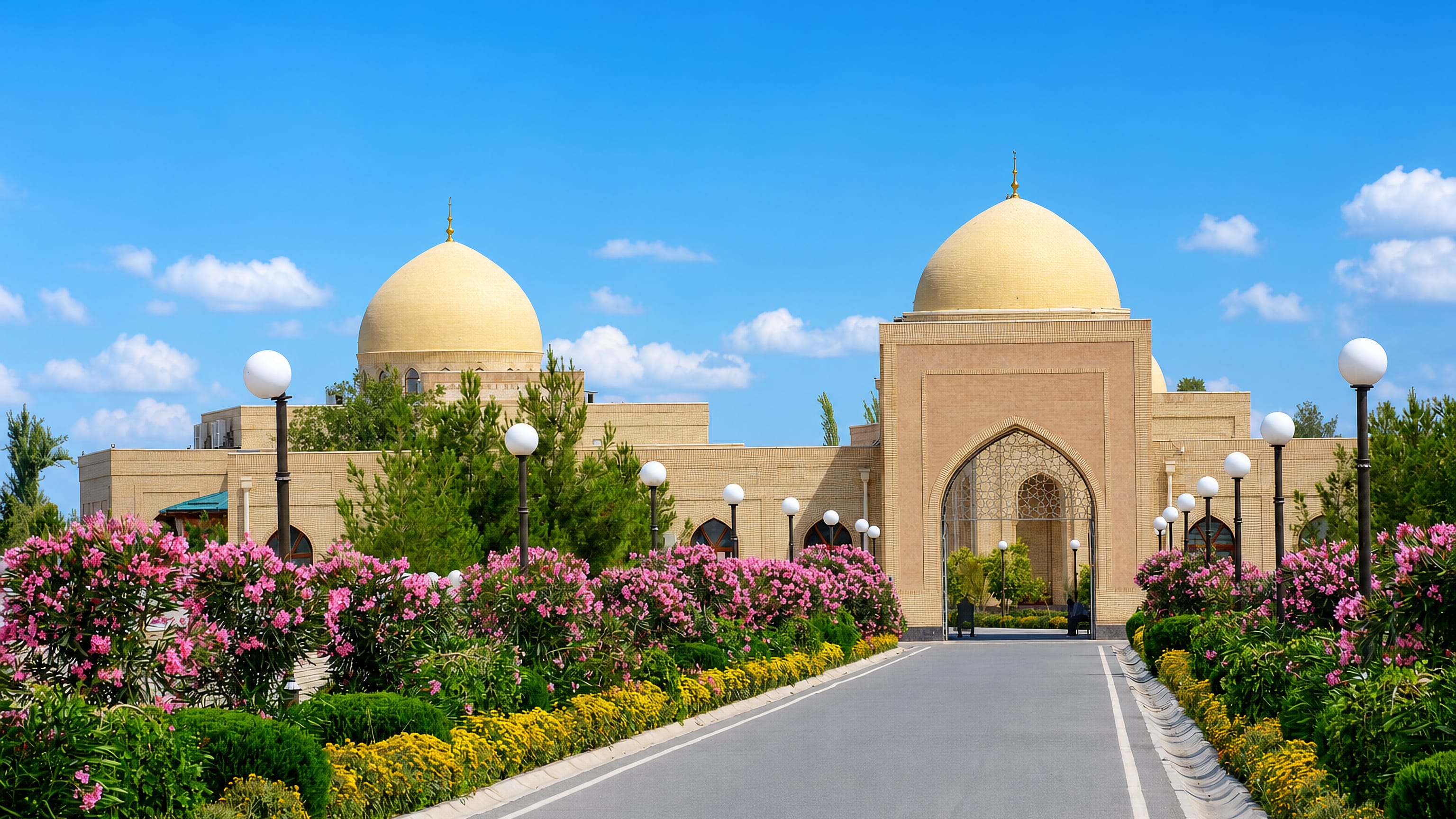
Uzbekistan · Surxondaryo Region
Where to Stay in Tirmiz, Surxondaryo Region
Termez is the southernmost city of Uzbekistan, an ancient town on the Amu Darya at the Afghan border, once a great seat of Buddhist Bactria.
Hotel links are affiliate links: booking through them may earn us a commission, at no extra cost to you. It never affects how places are ranked. How this works


Where to stay in Tirmiz
Where the beds are, and what that means for the visit.
Where you stay in Termez turns on the town or the ruins. The streets around the centre keep the museum, the parks, and the markets within a walk, and staying downtown suits anyone here for the city. Flat plain runs past the streets.
The river lies to the south. Out toward the ancient sites and the river, the town gives way to ruins, shrines, and the border plain. A room near the sites trades the town for the old monasteries, the mausolea, and the quiet of the desert.
Bare land reaches to the Oxus. Stay downtown for the museum, or by the ruins for the sites. The ruins spread a short drive out.
Find hotels in Tirmiz
Direct booking searches for these neighbourhoods.
The town centre
Around the centre within a walk of the parksFind hotels in The town centreStays wanting the ruins and shrinesThe ancient sites
Out toward the old city and the riverFind hotels in The ancient sitesHotel links are affiliate links: booking through them may earn us a commission, at no extra cost to you. It never affects how places are ranked. How this works
Things to do in Tirmiz
Ranked by global recognition; descriptions from Wikidata (CC0).
Museums & Galleries
1- Termez Archaeological Museum Heritage
Churches & Religious Sites
3- Kara Tepe Heritage
- Alexander Nevsky Church in Termiz Heritage
- Murchbobo masjidi Heritage
Castles & Historic Sites
3- Alisher Navoiy haykali Heritage
- Mourning mother statue Heritage
- Qo‘rg‘on (qal'a)
worth knowingacross 3 categories in Tirmiz
About Tirmiz
Termez is the ancient border city of the Amu Darya.
What is Tirmiz known for?
On the great river at the edge of Afghanistan, it was a crossroads of Bactria where Buddhist monks, Greek kings, and Muslim saints left their mark, and it keeps the ruined Buddhist monasteries of Kara Tepe and Fayaz Tepe, the towering Zurmala stupa, the Sufi mausoleum of Al-Hakim at-Termizi, and the mausolea of the Sultan Saodat. The wide river runs to Afghanistan. Old ruins dot the desert plain.
What are the main landmarks in Tirmiz?
The Buddhist ruins are the wonder of Termez. The cave monasteries of Kara Tepe and Fayaz Tepe, dug into the hills above the river, and the great mud stupa of Zurmala stand out on the plain, the emblem of the ancient land, near the border. A saint's tomb draws pilgrims.
The mausoleum of Al-Hakim at-Termizi rises by the river, while the Sultan Saodat mausolea, the Kyrk-Kyz fortress, and the archaeological museum mark the country around Termez.
What is the history of Tirmiz?
Termez has stood on the Oxus for well over two thousand years. A city rose here in the days of Bactria, and Alexander the Great crossed the great river near this spot on his march to the east. Then the Kushans made it Buddhist.
Under the Kushan kings Termez became a centre of Buddhism, its hills honeycombed with cave monasteries and crowned by the great stupa of Zurmala. Islam remade the city in time. Arab armies took Termez, and it grew as a Muslim town on the river, birthplace of the great scholar and saint Al-Hakim at-Termizi, whose tomb still stands by the water.
Mongols razed the old city. Genghis Khan destroyed ancient Termez, and a new town rose nearby, keeping the shrines of its saints and the mausolea of the Sultan Saodat. The river still marks the border.
Termez keeps its stupas and its shrines on the Amu Darya.
Where is Tirmiz?
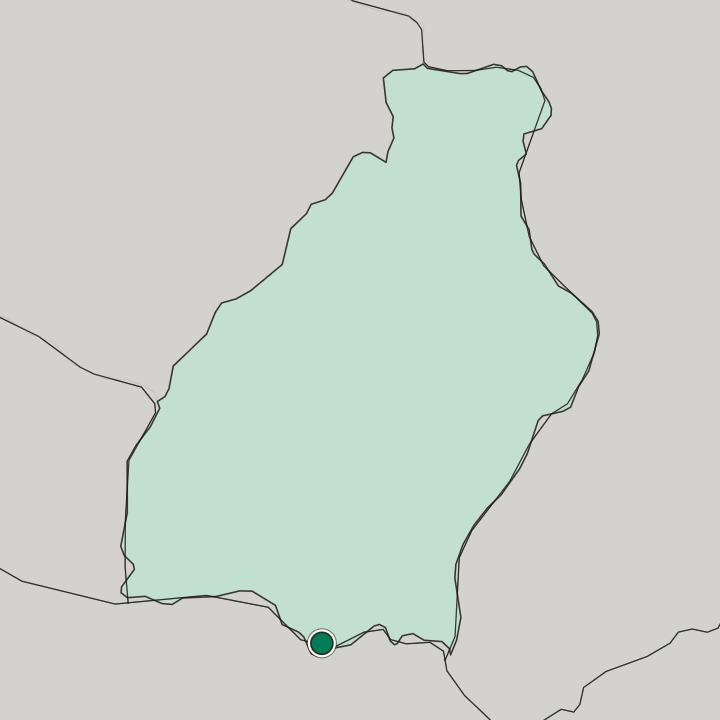
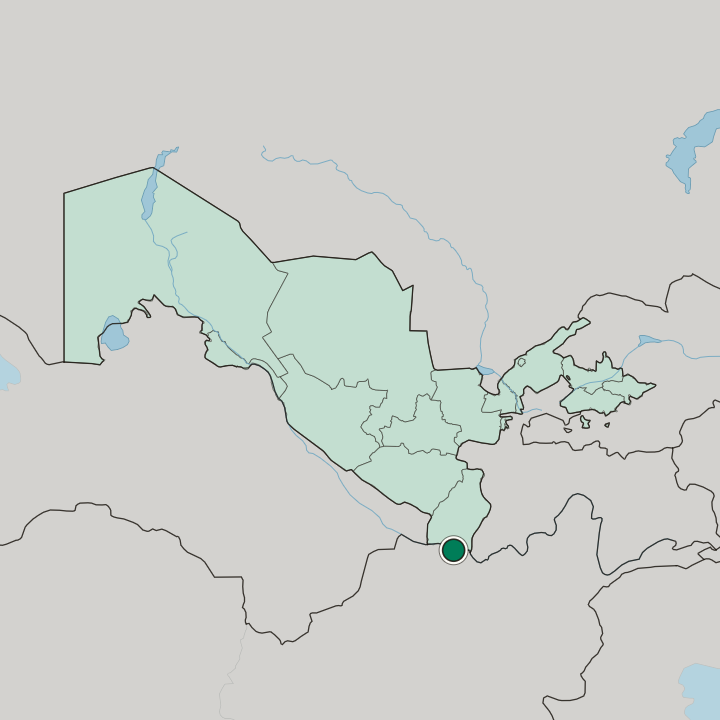
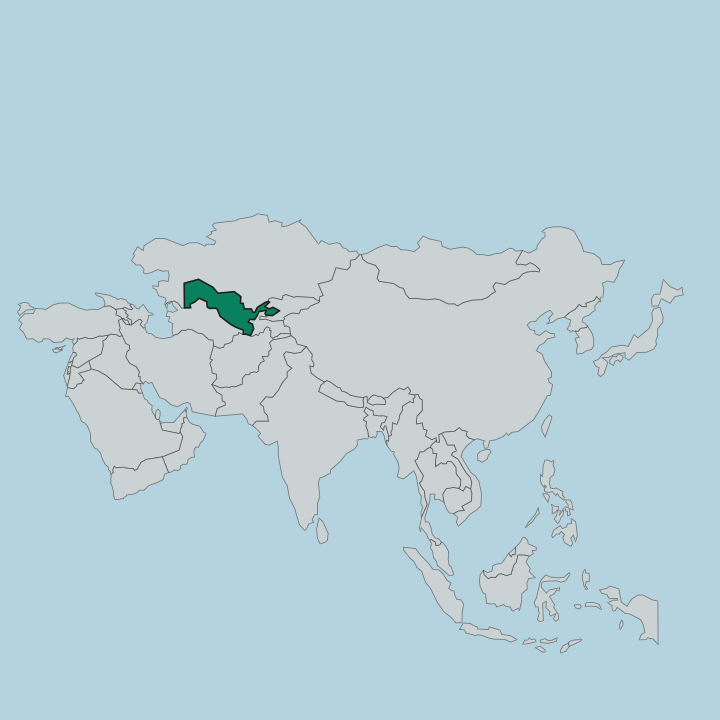
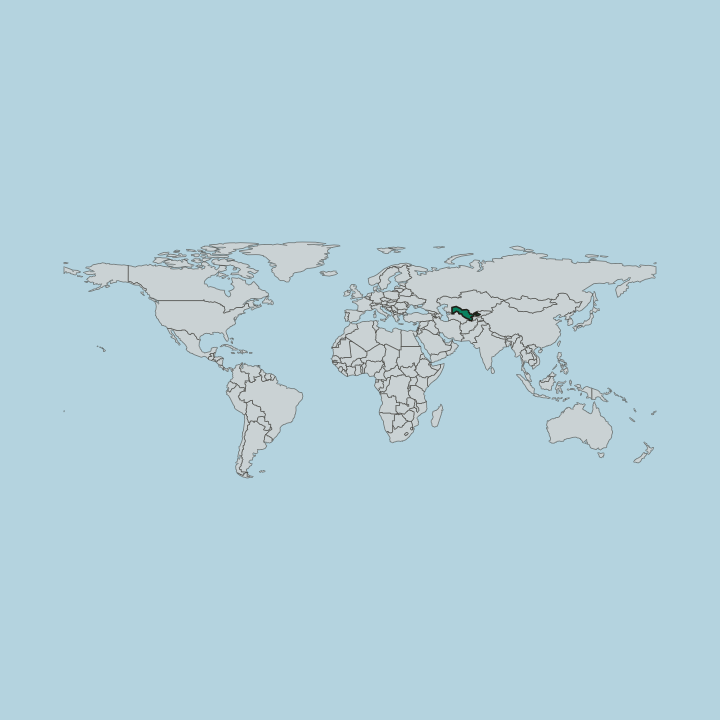
Termez lies in the far south of Uzbekistan, on the Amu Darya where it forms the border with Afghanistan. The city stands on a dry plain of the old Bactrian country, between the river and the Hisar mountains to the north, in a hot desert land of ruins and irrigated fields. Bare desert runs to the river.
The Amu Darya divides two lands.
What is the climate of Tirmiz?
Termez has one of the hottest, driest climates in the land. Scorching summers and short mild winters cross the southern plain, with fierce heat by the river through the long dry season and little rain at all. The sun bakes the desert hard.
The river runs on through the heat.
How do you get to Tirmiz?
Termez lies in the far south of Uzbekistan, at the end of the road and rail from Samarkand and the capital. Trains and roads run down to it across the mountains and desert from Tashkent, and the Friendship Bridge crosses the Amu Darya to Afghanistan. Border roads reach the crossing point.
Samarkand lies to the north over the hills.
Common questions
What is the best area to stay in Tirmiz?
The town centre: Visitors here for the museum and markets. The ancient sites: Stays wanting the ruins and shrines.
Good for
Updated October 2026