Uzbekistan · Xorazm Region
Where to Stay in Xiva, Xorazm Region
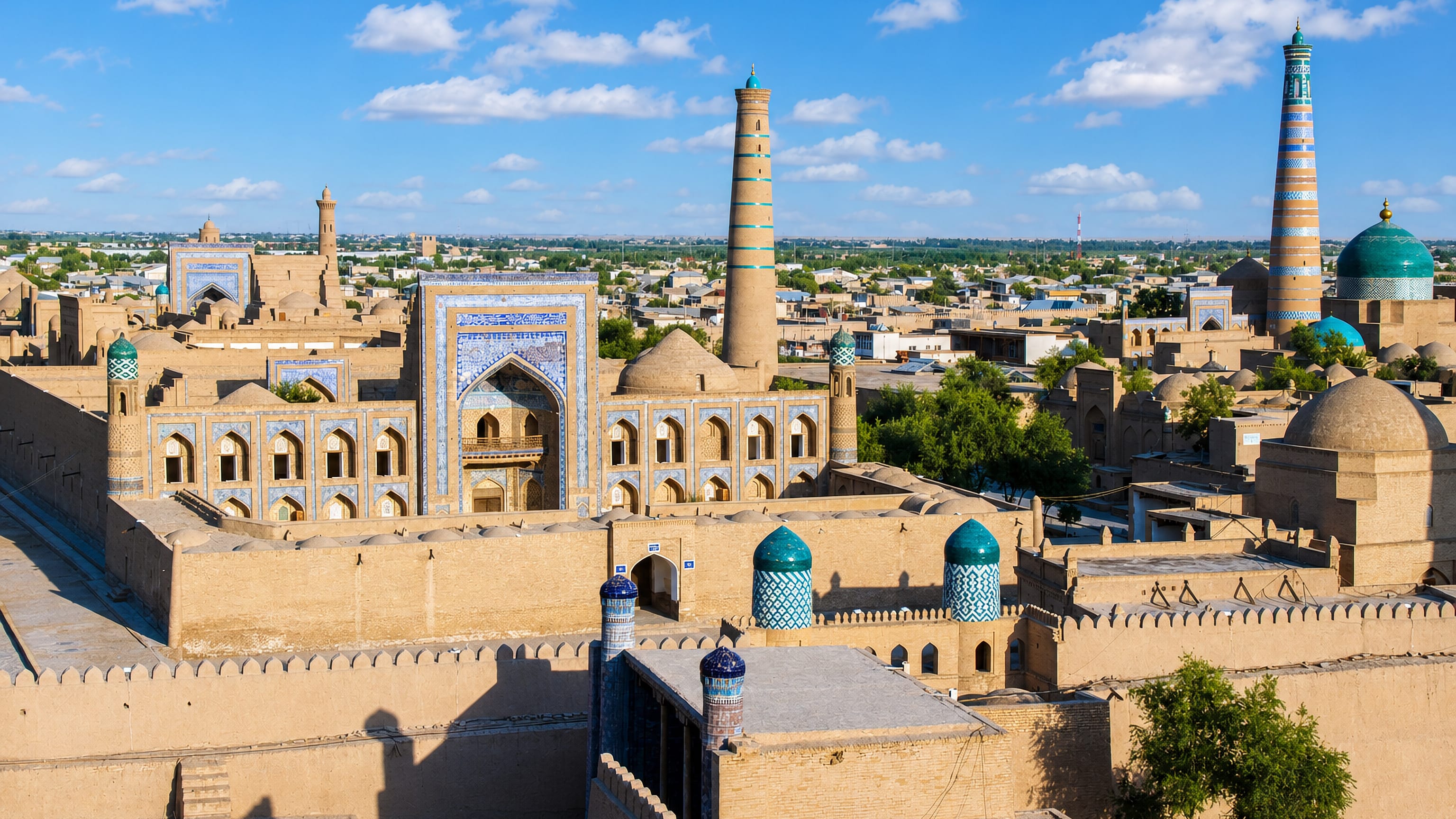
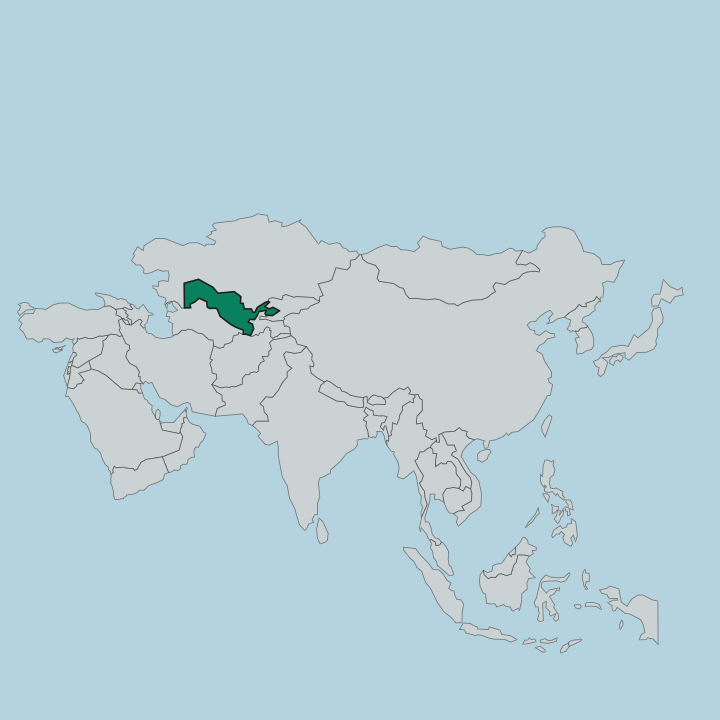
Khiva is an ancient walled city in the Khorezm region of western Uzbekistan, its old town of Itchan Kala ringed by mud-brick ramparts.
Hotel links are affiliate links: booking through them may earn us a commission, at no extra cost to you. It never affects how places are ranked. How this works


Where to stay in Xiva
The practical side of choosing where to sleep.
Where you stay in Khiva turns on the walls. Inside Itchan Kala, converted madrasas and old houses put the minarets, mosques, and gates at the door, and staying within the ramparts suits anyone here for the old city. The lanes fall silent after dark.
Rooms hide behind the mud-brick walls of the inner town. Outside the gates, the newer town spreads into ordinary streets and easier roads. A room beyond the walls trades the museum-city for space, parking, and a shorter hop to Urgench and the airport.
The modern town runs quiet and plain. If you want the minarets at your window, stay inside Itchan Kala; if you want space and the road, take a room outside the walls. Either way, the old city is a short walk away.
Find hotels in Xiva
Direct booking searches for these neighbourhoods.
Inside Itchan Kala
Within the walls of Itchan Kala among the converted madrasas and old housesFind hotels in Inside Itchan KalaStays wanting space, parking, and the road to the airportOutside the walls
In the newer town beyond the gates, a shorter hop to Urgench and the regional airportFind hotels in Outside the wallsHotel links are affiliate links: booking through them may earn us a commission, at no extra cost to you. It never affects how places are ranked. How this works
Things to do in Xiva
Ranked by global recognition; descriptions from Wikidata (CC0).
Churches & Religious Sites
3- Mohammed Rahim Khan madrasa Heritage
- Ak Mosque Heritage
- Hasanmurod Qushbegi mosque Heritage
Castles & Historic Sites
3- Nurullabay's palace Heritage
- Toshhovli Palace Heritage
- Konya Ark Heritage
Landmarks & Notable Places
1- Itchan Kala south gate Heritage
worth knowingacross 3 categories in Xiva
About Xiva
Khiva is known for Itchan Kala.
What is Xiva known for?
Inside its high mud walls rise the minarets, madrasas, and palaces of the old Khanate of Khiva, a Silk Road city preserved almost whole. The minaret of the Islam Khodja Madrasa stands tallest over it all. Few oasis towns kept so much.
What are the main landmarks in Xiva?
Itchan Kala is Khiva's treasure. Behind its walls crowd the madrasas, minarets, and mausoleums of the old khanate, the greatest sight in the city, with the Konya Ark citadel and the Toshhovli Palace among them. Faith and power stand side by side.
The Muhammad Amin Khan Madrasa and the Islam Khodja Madrasa rise in glazed brick, and the Pakhlavan Mahmoud Mausoleum keeps the town's holiest shrine.
What is the history of Xiva?
Khiva grew rich as a Silk Road oasis. Caravans crossed the deserts between Persia and the steppe, and the town on the Amu Darya took its toll in trade, water, and slaves. Water made it live.
From these walls the Khanate of Khiva ruled the whole oasis of Khorezm, and its khans raised madrasas, mosques, and palaces in glazed brick behind the ramparts of Itchan Kala. The khans built for God and for themselves. They raised the Konya Ark as their citadel and the Toshhovli Palace as their court, and scholars filled the Muhammad Amin Khan Madrasa and the Islam Khodja Madrasa.
Pilgrims came to pray. The poet and wrestler Pakhlavan Mahmoud was buried at the Pakhlavan Mahmoud Mausoleum, a domed shrine that became the holy heart of the town, and the great Ota darvoza gate guarded the western road. When the khanate fell, the whole inner city was kept as it stood.
Itchan Kala survives as a museum of the oasis age.
Where is Xiva?
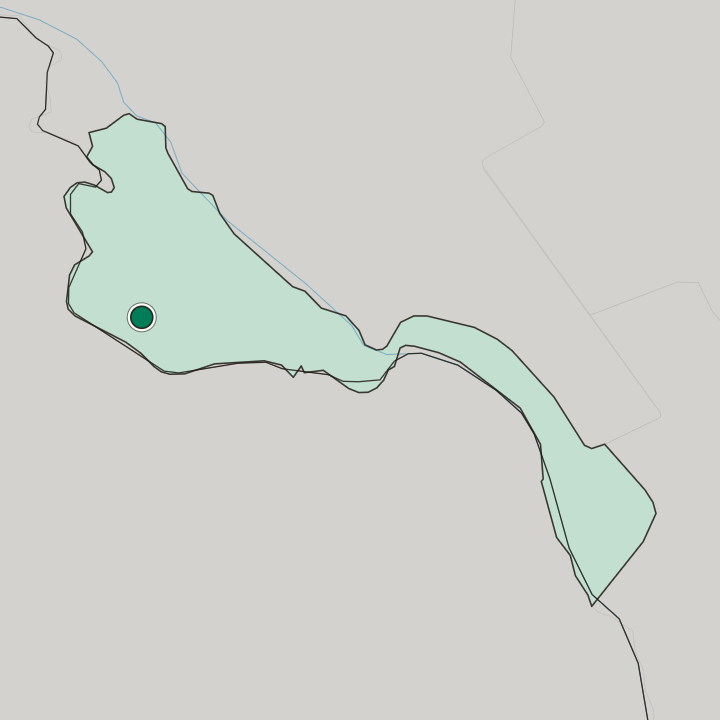
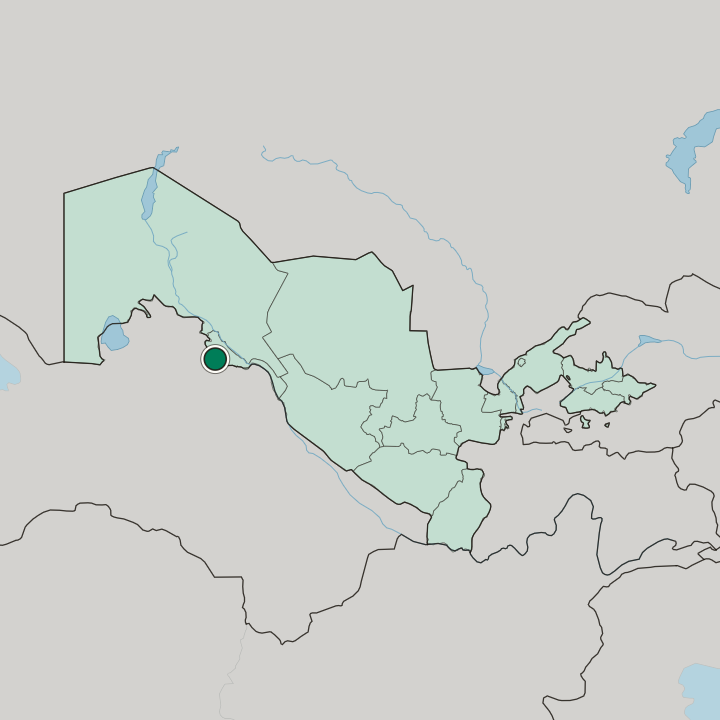
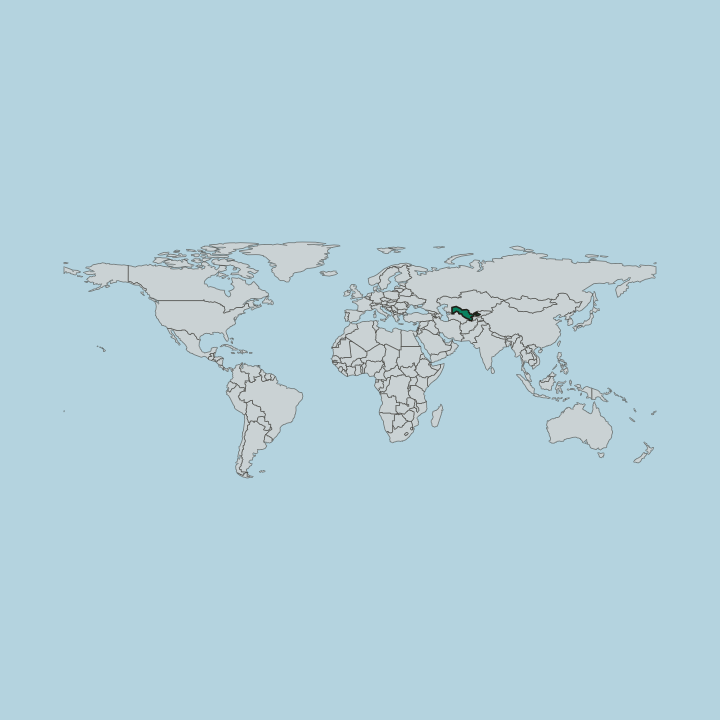
Khiva stands in a desert oasis. The city lies on the flat plain of Khorezm in western Uzbekistan, watered by the Amu Darya river, with the sands of the Kyzylkum desert stretching away to the north. Irrigated fields ring the walls.
The desert presses close on every side.
What is the climate of Xiva?
Khiva bakes under a desert sky. Fierce, dry summers scorch the oasis, while short winters turn cold on the open plain, and rain hardly falls in any season. Dust blows off the Kyzylkum in the heat.
The desert rules the year.
How do you get to Xiva?
Khiva lies deep in the west of Uzbekistan. Roads and rail run to it from Urgench nearby and across the desert from Bukhara and the Amu Darya, and a regional airport lies a short way off. Buses reach the oasis towns around.
Most arrive through Urgench, then on to the walls.
Common questions
What is the best area to stay in Xiva?
Inside Itchan Kala: Visitors wanting the minarets, madrasas, and gates at the door. Outside the walls: Stays wanting space, parking, and the road to the airport.
Good for
Another city in Xorazm Region
Updated September 2026