Uzbekistan
Xorazm Region, Uzbekistan — Towns & Travel Guide
Xorazm Region is Uzbekistan's Amu Darya oasis in the northwest, home to walled Khiva and its UNESCO old town.
Hotel links are affiliate links: booking through them may earn us a commission, at no extra cost to you. It never affects how places are ranked. How this works


Towns & cities in Xorazm Region
Pick a town or city — each links to where to stay.

 Uzbekistan
Urganch
Urgench is the capital of the Khorezm region in western Uzbekistan, a modern oasis city on the road to ancient Khiva.Where to stay →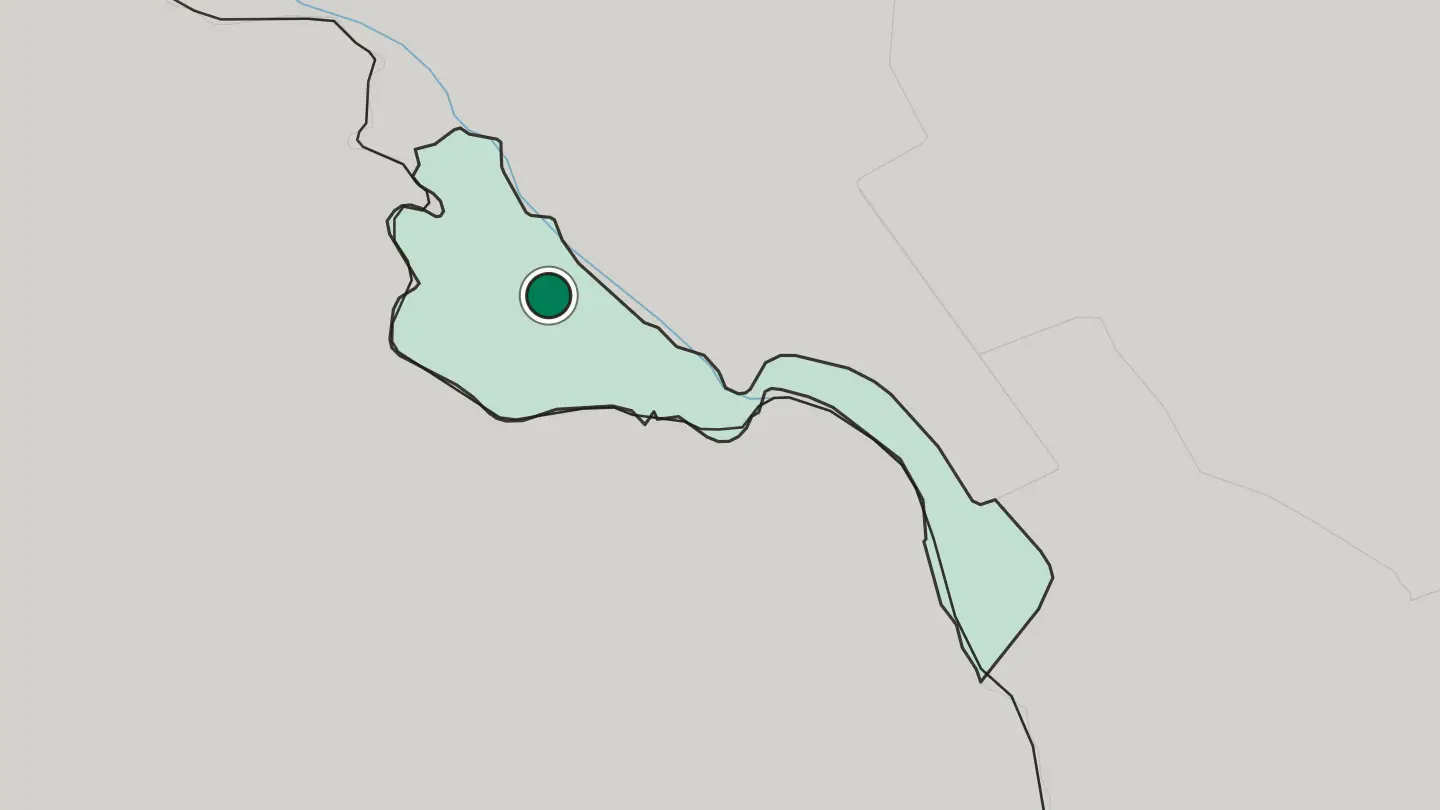
 Uzbekistan
Xiva
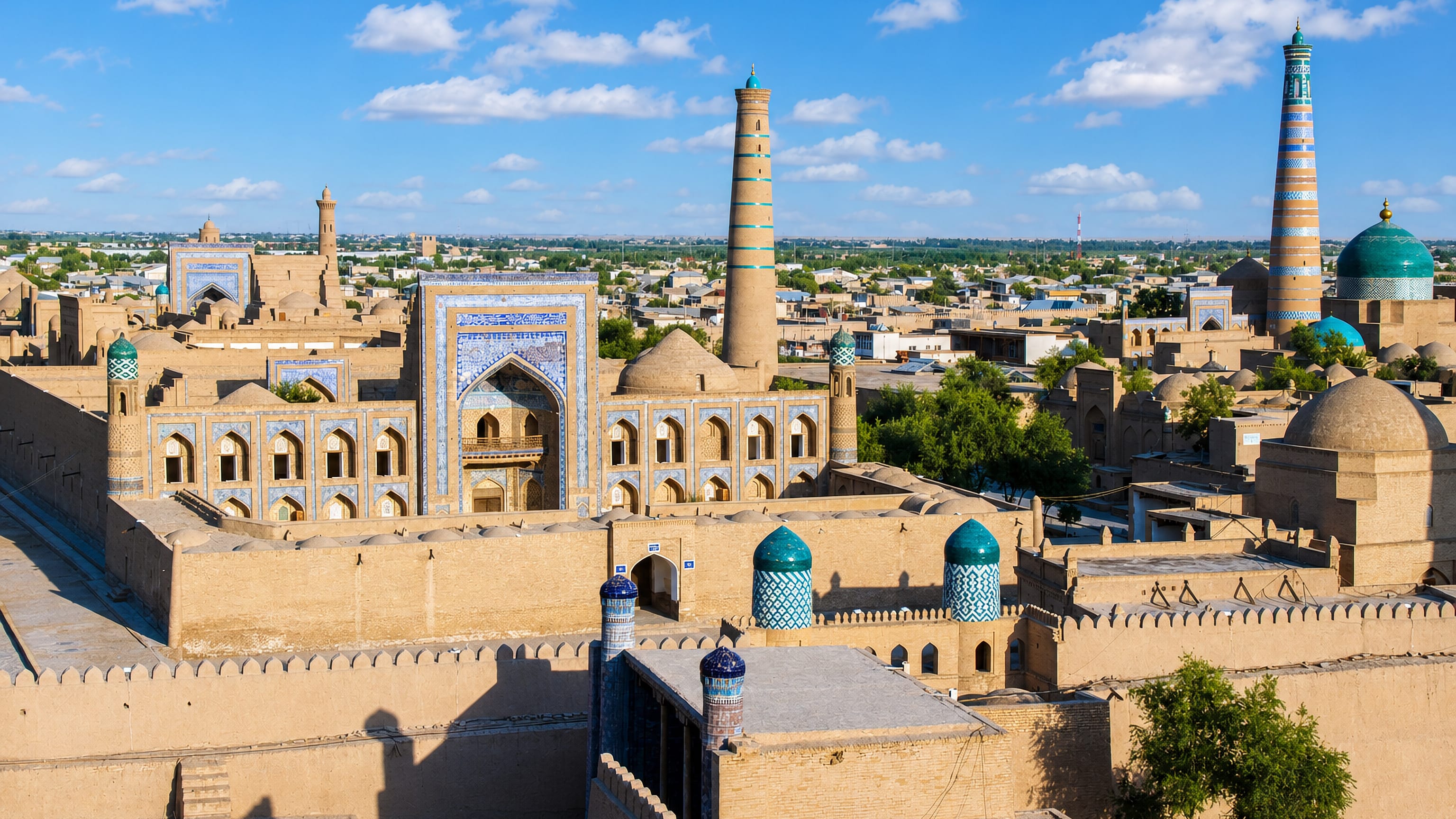
Khiva is an ancient walled city in the Khorezm region of western Uzbekistan, its old town of Itchan Kala ringed by mud-brick ramparts.Where to stay →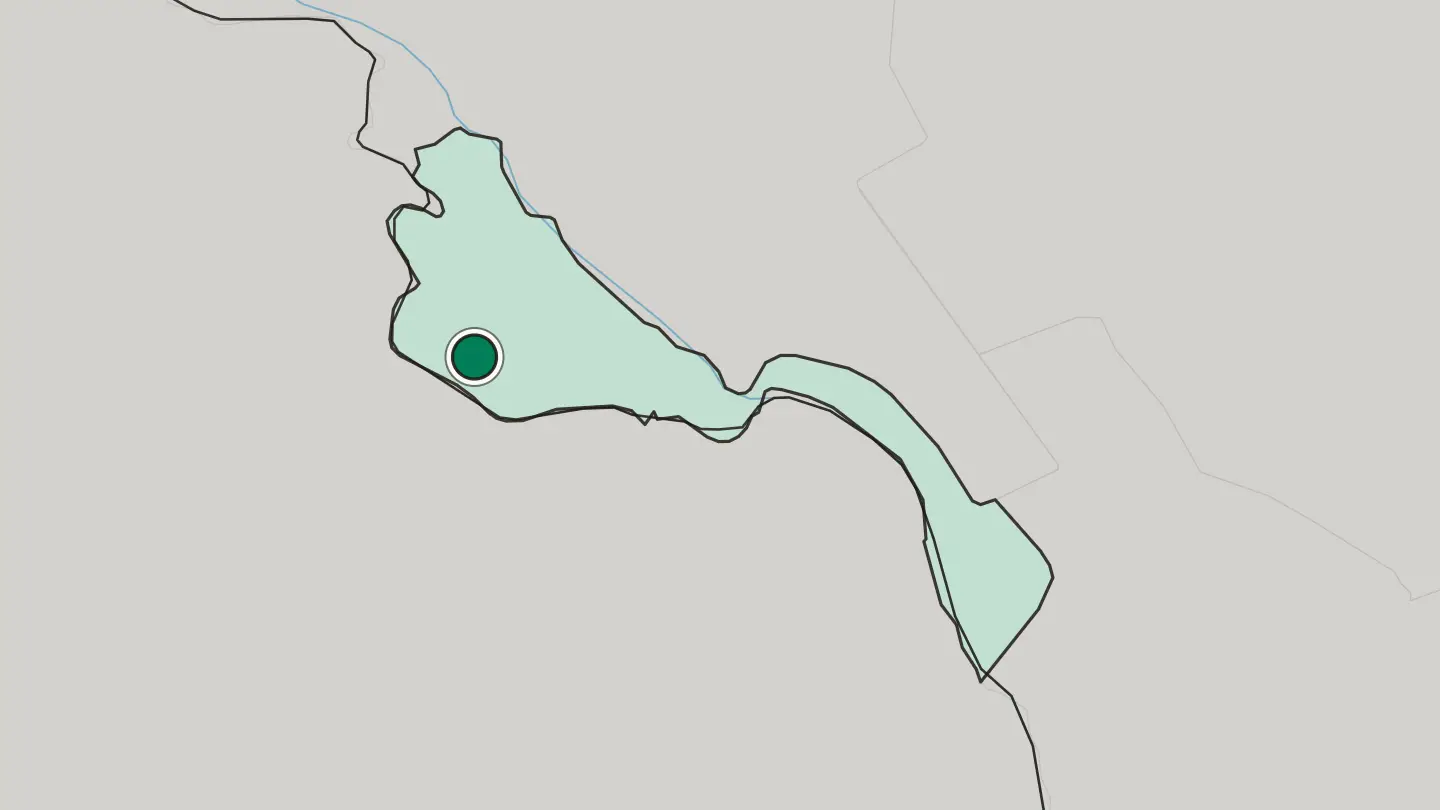
Hotel links are affiliate links: booking through them may earn us a commission, at no extra cost to you. It never affects how places are ranked. How this works
About Xorazm Region
Khiva makes this region famous.
What is Xorazm Region known for?
Its walled inner town, Itchan Kala, is a UNESCO World Heritage Site. The old fortress was the seat of the Khanate of Khiva, and its madrasas, minarets and tiled mosques survive behind a ring of ten-metre mud-brick walls. Beyond that fortress lies farmland fed by the Amu Darya, plus the melons and cotton the oasis has grown for centuries.
Urgench, the capital, is the gateway you pass through to reach it all.
Where is Xorazm Region?
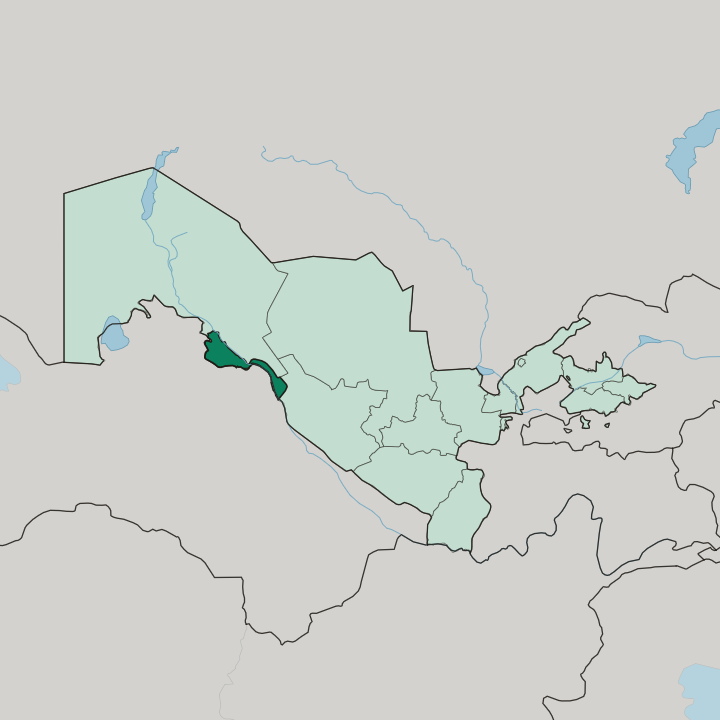
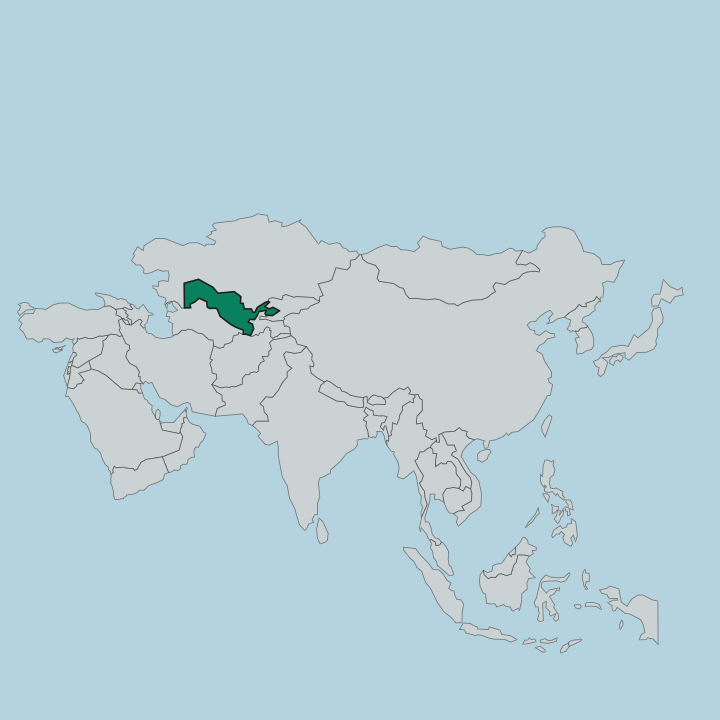
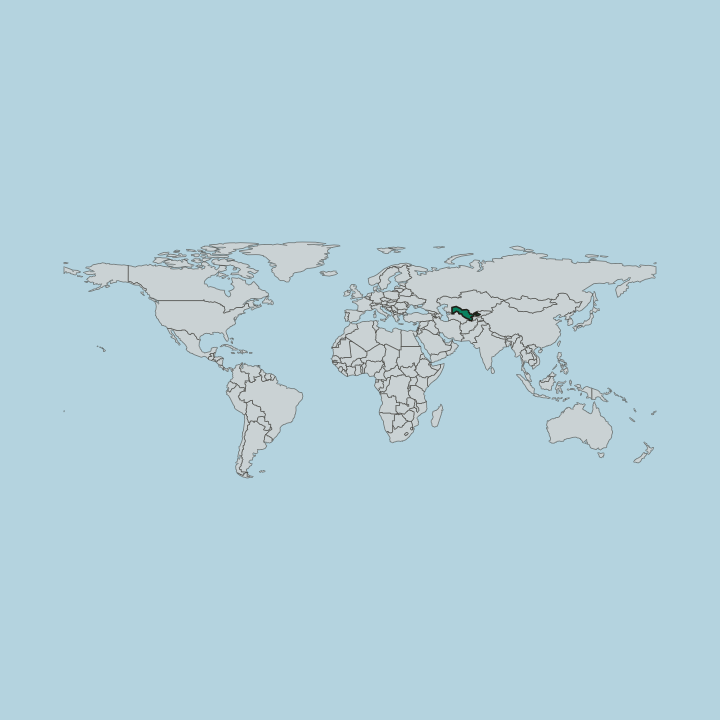
Xorazm Region sits in the far northwest of Uzbekistan, on the lower Amu Darya as the river nears its lost delta. It is a green oasis pressed on every side by desert and border. The Amu Darya, the Oxus of antiquity, is the whole reason the region exists.
Its silted water spread across this flat ground for millennia, and canals dug from it turn the surrounding sand into cotton fields and melon patches. Away from the water the ground is dune and scrub. The Kyzylkum Desert closes in from the east, and the Karakum stretches south beyond the Turkmenistan border.
Turkmenistan lies to the south and west, the vast autonomous republic of Karakalpakstan wraps around to the north, and the Bukhara Region adjoins to the east across the sands. The region is small by Uzbek standards, a little over six thousand square kilometres of mostly irrigated flat. Urgench, the capital, stands on the river and the Shavat canal.
Khiva lies a short way southwest of it, near the edge of the cultivated land. Then the desert takes over.
What is Xorazm Region like?
This is old Khwarazm, home to one of the oldest states in Central Asia, and the region wears that antiquity plainly. The culture grew up around water and the Silk Road. Caravans crossing the deserts between Persia, the steppe and China rested in the Amu Darya oasis, and Khiva became a market and a slave bazaar as much as a holy city.
The walled town still holds dozens of madrasas and mosques behind its gates. Craft runs through everything here. Woodcarvers cut the deep floral panels on the doors and columns of the old town, and the glazed blue tilework on the minarets is a Khorezm signature you learn to recognise.
Uzbek is the everyday language, though the local speech and the food carry their own oasis flavour. Melons are a point of pride. The oasis grows sweet varieties that Uzbeks prize by name, ripened in the fierce desert summer and the region's mineral-rich silt.
Music and dance belong to the picture too, from the whirling Lazgi to the songs sung at weddings. What holds it together is the desert edge. Life clings to the irrigated land, and the sand is never more than a short drive away.
What is the history of Xorazm Region?
The land of Khwarazm is ancient. It was a centre of an Iranian civilisation on the Amu Darya long before the Turkic and Islamic centuries, and in the twelfth century the Khwarazmian Empire briefly ruled a vast stretch of the region before Genghis Khan's armies destroyed it. Khiva rose later, capital of the Khanate of Khiva that governed the oasis until Russian conquest and then the Soviet takeover of 1920.
The modern region was drawn up in 1938. Empires came and went; the river stayed.
What is the climate of Xorazm Region?
Xorazm has an arid continental climate, set by the deserts that surround it. Summers are long, dry and brutally hot, the kind of heat that ripens the oasis melons and cracks the bare ground beyond the canals. Winters swing the other way and turn genuinely cold, with frost and the occasional dusting of snow drifting in off the Kyzylkum.
Rain is scarce in every season. Without the Amu Darya and its canals, none of this land would be green at all.
How do you get to Xorazm Region?
Most travellers arrive at Urgench. Urgench International Airport takes flights from Tashkent and a handful of foreign cities, and the overnight sleeper trains from Tashkent, Samarkand and Bukhara pull in at its station by morning. From Urgench, Khiva sits about thirty-five kilometres southwest.
You can cover that last stretch by taxi, by the once-daily local train, or by the Urgench-Khiva trolleybus.
Common questions
What is the best area to stay in Xorazm Region?
Khiva: sleeping inside a UNESCO old town. Urgench: flights and onward trains.
Good for
More regions in Uzbekistan
Updated October 2026