Vietnam · An Giang
Where to Stay in Rạch Giá, An Giang
Rạch Giá is a provincial city on the eastern coast of the Gulf of Thailand, capital of Kiên Giang and the usual departure point for boats to Phu Quoc.
Hotel links are affiliate links: booking through them may earn us a commission, at no extra cost to you. It never affects how places are ranked. How this works


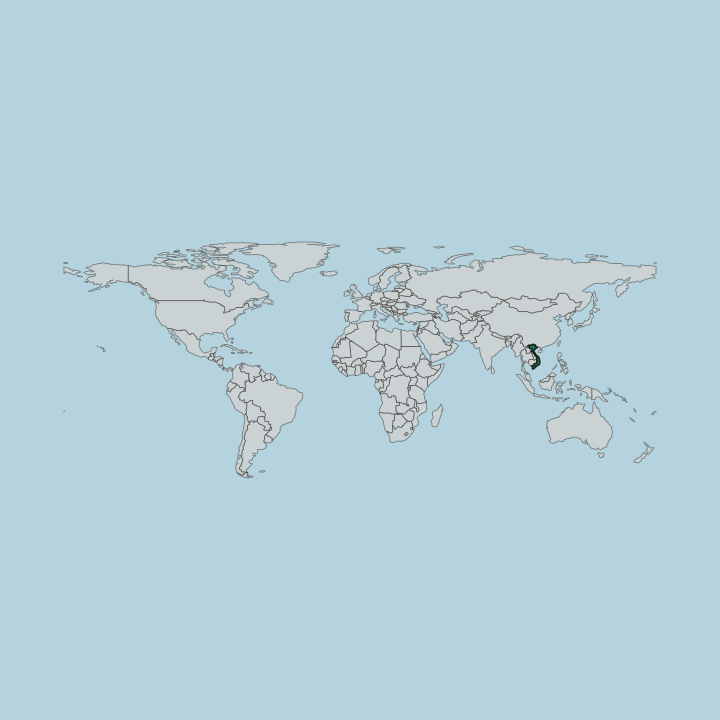
Where to stay in Rạch Giá
How the choice of base plays out on the ground.
Boat times decide the stay in Rạch Giá. Travellers here for Phu Quoc want a room close to the water on the Gulf of Thailand side, because the crossing starts early and the city runs far enough along its coast that a bed on the landward edge turns an early departure into a chore. The sea front is the obvious side.
Rooms there face the Gulf of Thailand, which reaches around parts of the built area, and the walk to the quays is short. The other half of the city faces the delta instead. Roads run east toward Tân Hiệp and Châu Thành, north to Hòn Đất and south to An Biên, and a room on that side suits anyone treating Rạch Giá as a base for Kiên Giang rather than as a stop before the island.
Nền Chùa lies out that way. Rooms here are provincial-city rooms rather than resort ones, fitted for people crossing the Mekong Delta on business as much as for travellers, and the choice widens toward the middle of the city where the two halves overlap. One night before a boat belongs on the water.
Find hotels in Rạch Giá
Direct booking searches for these neighbourhoods.
The Gulf of Thailand front
The seaward strip where the island boats load and where the water reaches in around the built edge of the city.Find hotels in The Gulf of Thailand frontwork across Kiên Giang using the roads out to Tân Hiệp and Hòn ĐấtLandward Rạch Giá
The delta side of the city, closer to the routes toward Châu Thành and An Biên than to the Phu Quoc quays.Find hotels in Landward Rạch GiáHotel links are affiliate links: booking through them may earn us a commission, at no extra cost to you. It never affects how places are ranked. How this works
About Rạch Giá
Phu Quoc pulls most of the traffic.
What is Rạch Giá known for?
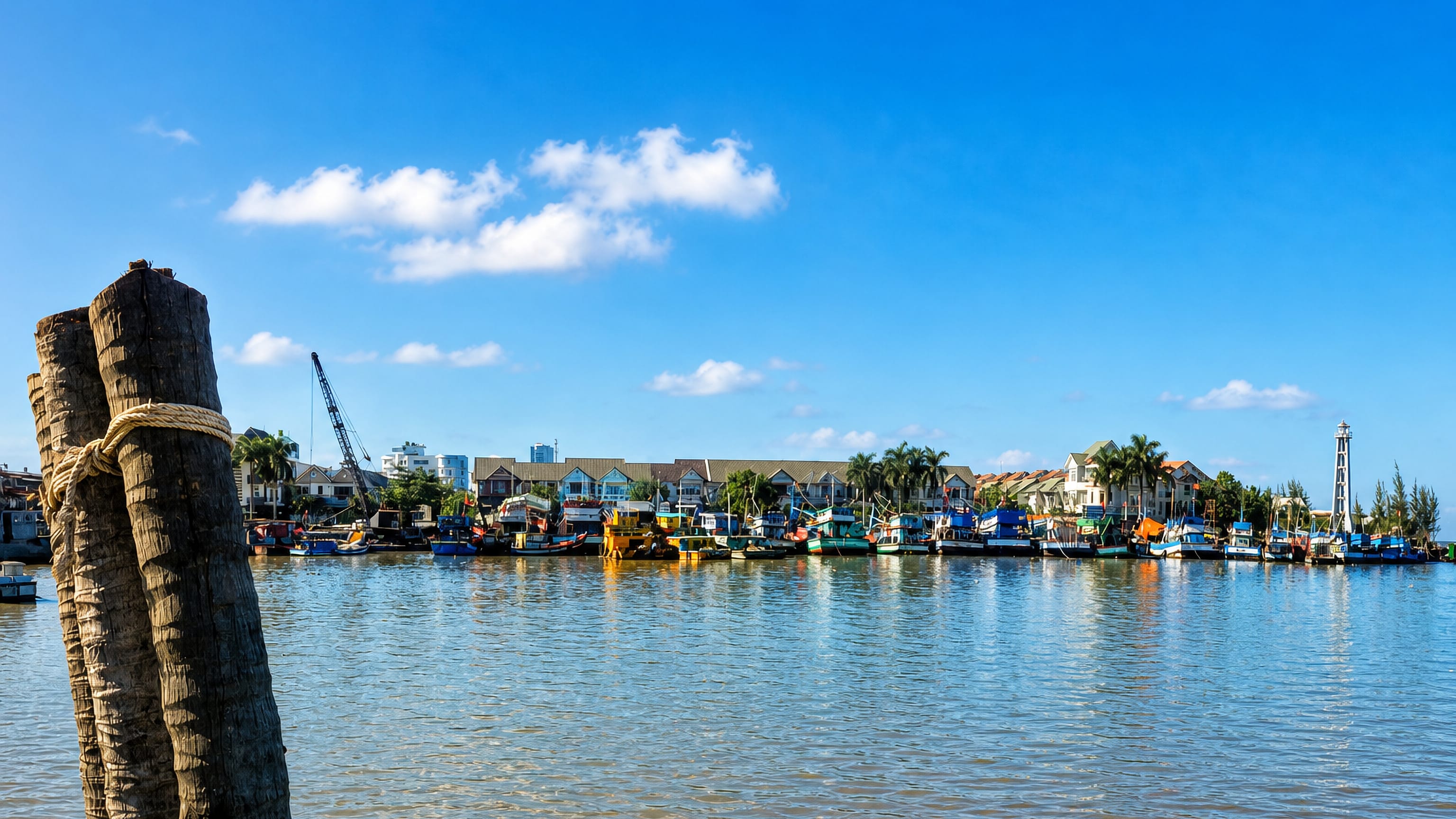
Rạch Giá is the point at which travellers to the island break their journey, and the city's job as the mainland end of that crossing shapes more of its visitor trade than anything in its own streets. The Gulf of Thailand does the rest. Water reaches around parts of the built area on the seaward side, and the front rather than a central square is where the city turns out in the evening.
What are the main landmarks in Rạch Giá?
Nền Chùa is the one listed site. It is recorded among the landmarks of Rạch Giá and stands apart from the working port and market frontage that takes up most of the city, which otherwise carries little in the way of monuments. Water supplies the rest.
The Gulf of Thailand wraps around parts of the built area, so the sea itself does the work of a sight here, with the quays for Phu Quoc as the busiest thing to watch.
What is the history of Rạch Giá?
Rạch Giá owes its existence to water on two sides. The Mekong Delta runs out to the Gulf of Thailand along this coast, and a settlement at that junction had the channels inland and the open sea in front of it at once, which is the combination that makes a port rather than a market town. No founding date survives in the record.
What is recorded is the city's later standing as the capital of Kiên Giang province, the administrative centre for a stretch of coast and delta reaching from Hòn Đất in the north to An Biên in the south. Distance from Ho Chi Minh City kept the character provincial. Some 250 kilometres of delta separate the two, and that gap left Rạch Giá as the centre of its own region rather than an outpost of the larger one, with Tân Hiệp and Châu Thành as its everyday neighbours instead.
Nền Chùa is the oldest listed thing here. The island trade shifted the balance again. Phu Quoc draws travellers who use the city only as the mainland end of the crossing, so a great deal of what passes through Rạch Giá is passing through on the way somewhere else, and the quays have taken on a job the delta channels once had to themselves.
Where is Rạch Giá?
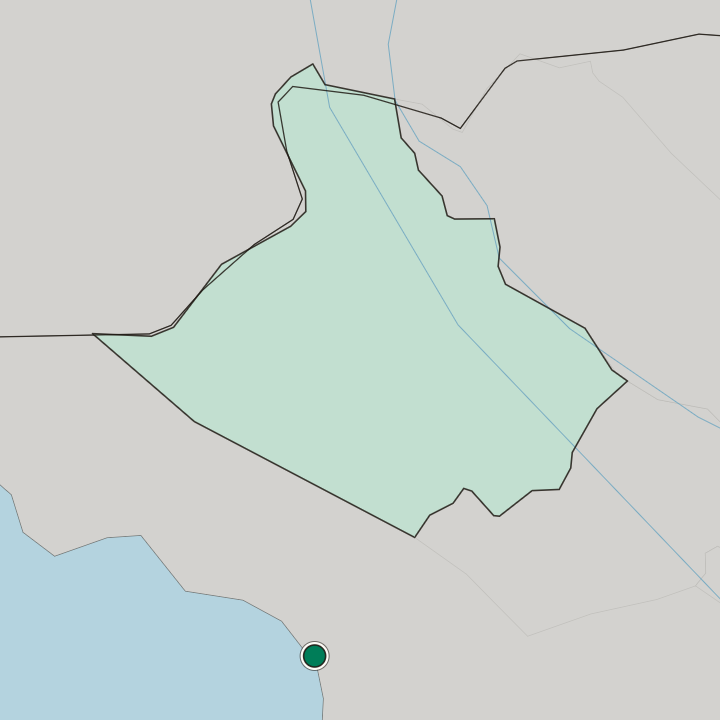
Sea on one side, delta on the other. Rạch Giá takes up the eastern coast of the Gulf of Thailand at the seaward end of the Mekong Delta, and the water reaches in around parts of the built area rather than stopping at a single shoreline. Land borders run every other way.
Tân Hiệp and Châu Thành lie east of the city, Hòn Đất and Tân Hiệp north, Châu Thành and An Biên south, so delta districts hem it on three sides and open water takes the fourth.
What is the climate of Rạch Giá?
The Gulf of Thailand governs the air here. Onshore wind off open water keeps Rạch Giá clear of the still heat that settles over the inland delta, and the difference shows most on the front in the afternoon. Here the year runs in two halves.
The tropical band divides the year across Kiên Giang into a wet stretch and a dry one, with warmth steady enough that the calendar is read off the rain rather than off the temperature.
How do you get to Rạch Giá?
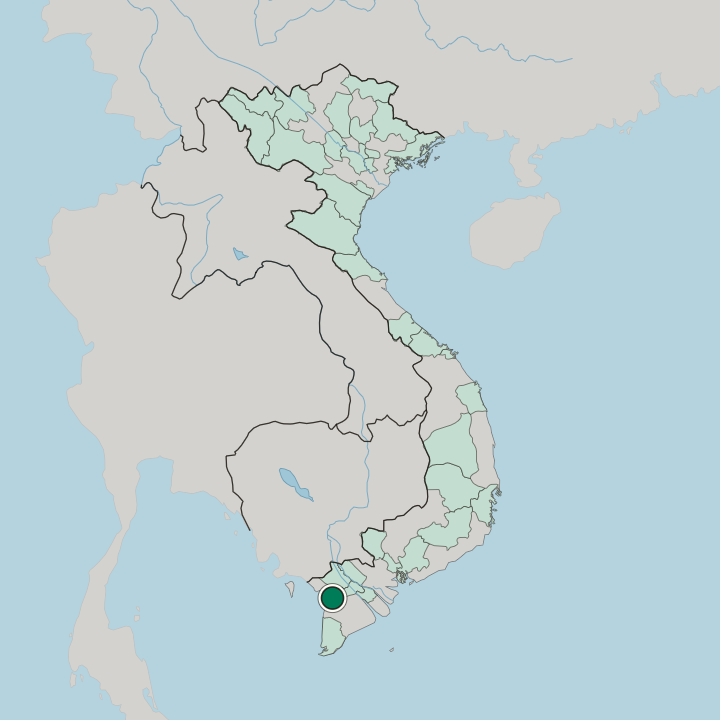
Most arrivals come from Ho Chi Minh City. Some 250 kilometres of delta road separate the two, and the run crosses the Mekong Delta in full before Rạch Giá shows up at the coast. Boats leave for Phu Quoc.
The quays on the Gulf of Thailand side handle the island crossing, while the roads out of the city run east to Tân Hiệp and Châu Thành, north to Hòn Đất and south to An Biên.
Common questions
What is the best area to stay in Rạch Giá?
The Gulf of Thailand front: early crossings to Phu Quoc from the Rạch Giá quays. Landward Rạch Giá: work across Kiên Giang using the roads out to Tân Hiệp and Hòn Đất.
Good for
More cities in An Giang
Updated September 2026