Vietnam · Gia Lai
Where to Stay in Pleiku, Gia Lai
Pleiku stands in the Central Highlands of central Vietnam, the former seat of Gia Lai Province and long a home of the Jarai and Bahnar.
Hotel links are affiliate links: booking through them may earn us a commission, at no extra cost to you. It never affects how places are ranked. How this works


Where to stay in Pleiku
How the choice of base plays out on the ground.
Pleiku offers one compact centre and a wide district around it. The old seat of Gia Lai Province holds the bulk of the beds, and staying there keeps the whole town within a walk while the roads out across the Central Highlands begin at the door. That is the simple choice.
Anyone here for a single night before driving on tends to take it. The urban district reaches a great deal further than the built-up part. Some 260 square kilometres of upland fall inside it, and rooms toward that edge trade the convenience of the centre for cool, quiet nights and a first look at the farmland the Jarai and Bahnar have worked for generations.
Rooms grow sparse out there. A car makes the difference, because the highland roads of Gia Lai are what most people came to drive.
Find hotels in Pleiku
Direct booking searches for these neighbourhoods.
The old provincial centre
The former provincial seat of Pleiku holds its offices and beds in one compact gridFind hotels in The old provincial centreCool nights beside Jarai and Bahnar farmlandThe upland edge of the urban district
The built-up part gives out into Central Highlands farm country a few kilometres from the middle. Few places to stay nearby — book ahead.Find hotels in The upland edge of the urban districtHotel links are affiliate links: booking through them may earn us a commission, at no extra cost to you. It never affects how places are ranked. How this works
About Pleiku
Highland ground, well away from the coast.
What is Pleiku known for?
Pleiku serves as the town of the Central Highlands, the former capital of Gia Lai Province and the centre of an urban district spread across some 260 square kilometres of upland. The Jarai and the Bahnar were here first. Both peoples farmed these highlands long before the town took its present shape, and outside writers once grouped them under the names Montagnards and Degar, while Kinh families later became the majority within the streets themselves.
What are the main landmarks in Pleiku?
The town keeps no roll of monuments. What it has instead is the Central Highlands themselves, the upland country of Gia Lai Province opening out past the last streets, with Jarai and Bahnar villages scattered over farmland that has been worked far longer than the town has stood. Roads out of town do the sightseeing.
Anything worth stopping for lies along them rather than inside the urban district, which is why a day here tends to end with more kilometres driven than steps walked.
What is the history of Pleiku?
The Bahnar and the Jarai were the first people of this upland. For many years they made up almost everyone living around Pleiku, farming the Central Highlands from villages that outsiders later lumped together under the borrowed names Montagnards and Degar. Those names came from elsewhere.
The peoples themselves kept their own, and Jarai and Bahnar remain the names that carry weight across Gia Lai. The make-up of the town changed. Kinh settlement gradually made the Kinh the main group inside Pleiku itself, while the older highland communities stayed strongest in the country beyond the built-up streets.
Administration followed a similar arc. Pleiku became the capital of Gia Lai Province and the centre of an urban district of some 260 square kilometres, and it held that role until the provincial reorganisation ended its standing as a city in its own right.
Where is Pleiku?
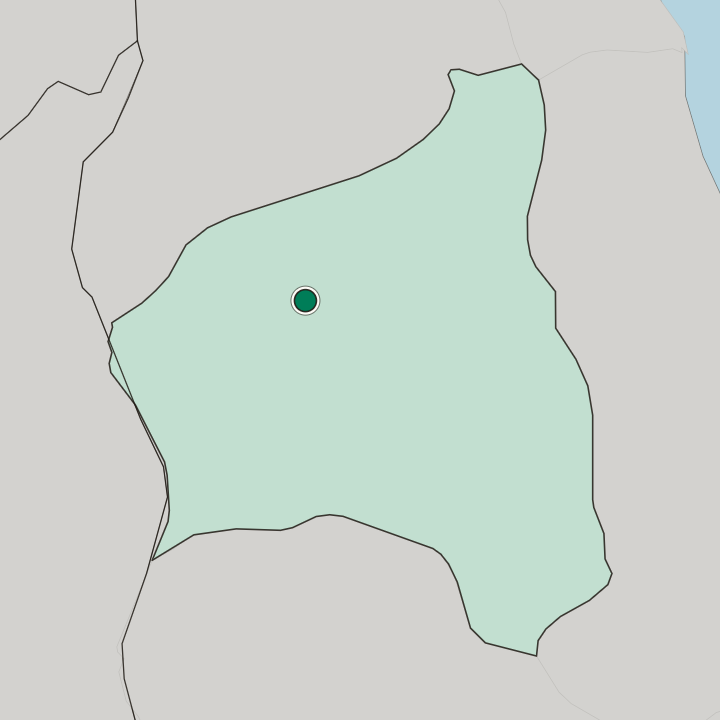
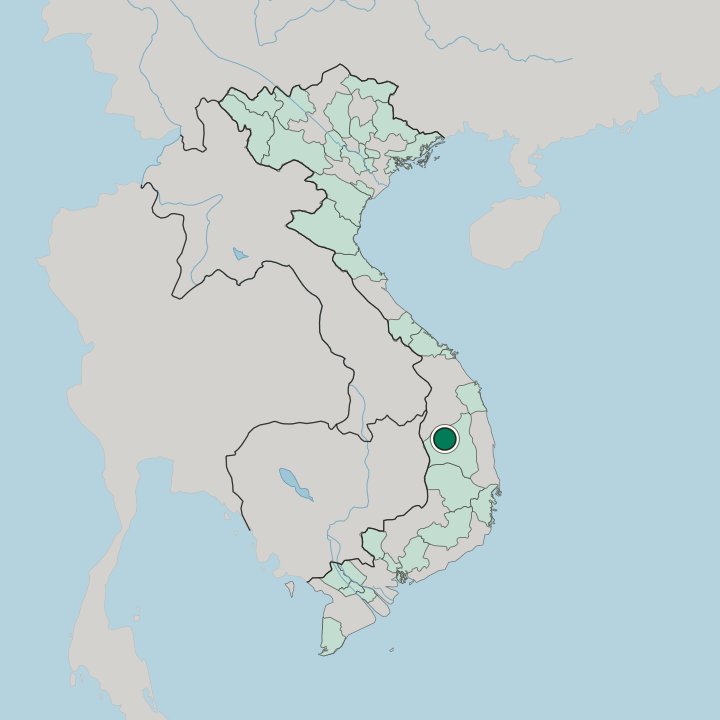
Pleiku lies inland, high in the Central Highlands. Gia Lai Province surrounds it on every side, upland farm country rather than delta or shore, and nothing here points toward the sea that central Vietnam is usually pictured by. Height keeps the air cooler than the lowlands.
The urban district takes in some 260 square kilometres of that upland, so the edge of town becomes farmland long before it becomes anything else.
What is the climate of Pleiku?
The Central Highlands take the edge off the tropics. Pleiku sits north of the equator in a tropical band, but the height of Gia Lai holds its nights cooler than anywhere on the coast at the same reach of the country. Wet and dry split the year.
Rain settles over the uplands for months and turns the farm tracks of Jarai and Bahnar country heavy, while the dry stretch is when the dust rises off them instead.
How do you get to Pleiku?
Roads bring in nearly every visitor. Pleiku stands well inland in the Central Highlands, so reaching it means climbing out of the lowlands and crossing Gia Lai Province, a run that eats most of a day from the coastal towns of central Vietnam. The town is compact once you are in.
Its urban district is wide, but the streets that matter sit close together, and the balance of those 260 square kilometres is country you drive rather than walk.
Common questions
What is the best area to stay in Pleiku?
The old provincial centre: Road trips setting out across Gia Lai Province. The upland edge of the urban district: Cool nights beside Jarai and Bahnar farmland.
Another city in Gia Lai
Updated September 2026