Vietnam · Gia Lai
Where to Stay in Qui Nhon, Gia Lai
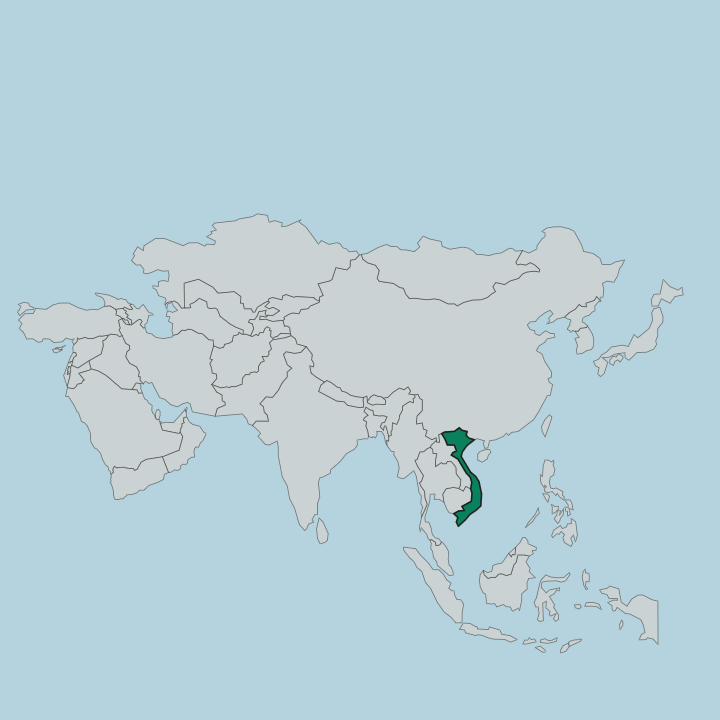
Qui Nhon is a coastal city of central Vietnam, a port of curving beaches and old Cham towers on the shore of the East Sea.
Hotel links are affiliate links: booking through them may earn us a commission, at no extra cost to you. It never affects how places are ranked. How this works


Where to stay in Qui Nhon
Where visitors usually base themselves, and why.
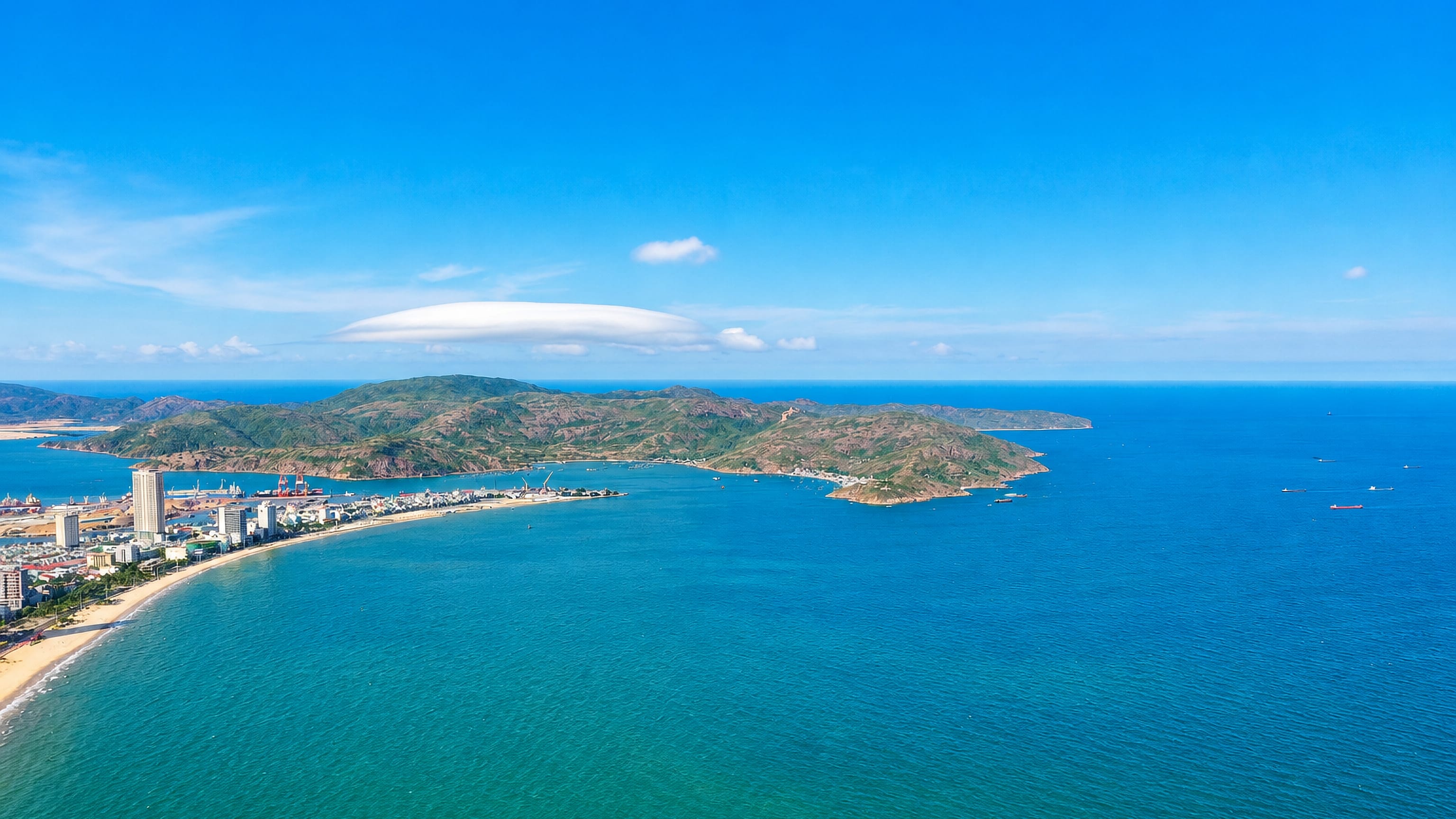
Where you stay in Qui Nhon turns on the beach or the town. The seafront along the city beach keeps the sand, the sea, and the promenade within reach, and staying by the water suits anyone here for the coast. The bay curves past the front.
Waves roll onto the sand. Back toward the town and the harbour, the beach gives way to markets, the port, and the Cham towers on the hills. A room in town trades the sand for the fishing harbour, the old markets, and the brick towers above the streets.
The hills rise behind the bay. Stay by the sea for the beach, or in town for the towers. The shore lies a short way off.
Find hotels in Qui Nhon
Direct booking searches for these neighbourhoods.
The city beach
Along the seafrontFind hotels in The city beachStays wanting the harbour and Cham towersThe town
Back toward the portFind hotels in The townHotel links are affiliate links: booking through them may earn us a commission, at no extra cost to you. It never affects how places are ranked. How this works
About Qui Nhon
Qui Nhon is the beach city of Binh Dinh.
What is Qui Nhon known for?
On a sheltered bay of the central Vietnamese coast, it was once part of the old kingdom of the Cham, and it keeps ancient brick Cham towers standing on the hills, a long curving city beach and rocky coves nearby, a busy fishing and shipping port, and the tomb of a famous poet on a headland above the sea. The bay curves blue below. Green hills ring the shore.
What are the main landmarks in Qui Nhon?
The Cham towers are the mark of old Qui Nhon. The tall brick shrines raised by the Cham kings a thousand years ago, standing weathered on the hills above the city, look out over the plain, the emblem of the region, on the heights. A poet's tomb crowns a headland.
The grave of a much-loved poet rests on the cliffs of Ghenh Rang above the sea, while the city beach, the fishing harbour, and the rocky coves mark the coast around Qui Nhon.
What is the history of Qui Nhon?
Qui Nhon lies in the old land of the Cham. For a thousand years the kingdom of Champa ruled this coast, and its capital of Vijaya stood on the plain nearby, leaving brick towers to their gods across the land. The Cham towers still stand.
Tall shrines of red brick, raised by the Cham to their kings and gods, rise on the hills around the city, worn but standing after all the centuries. The Vietnamese came down the coast. As the Vietnamese pushed south, they took the Cham lands, and the region of Binh Dinh became the cradle of the Tay Son brothers, who rose from here to seize the throne of Vietnam.
The port grew by the bay. Under later rulers Qui Nhon grew as the harbour and market of the central coast, and in time as a city of beaches and fishing boats on its sheltered bay. The towers still watch the plain.
Qui Nhon keeps its towers and its beaches on the bay.
Where is Qui Nhon?
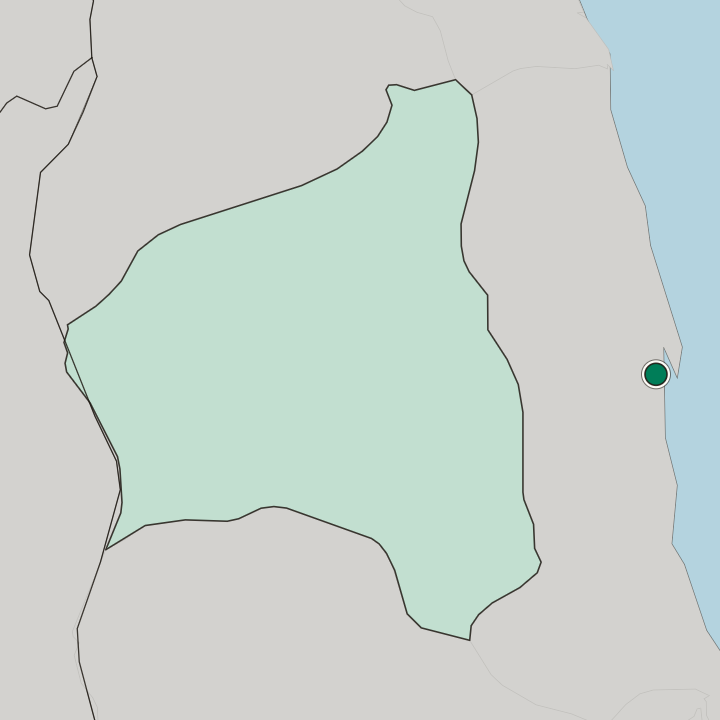
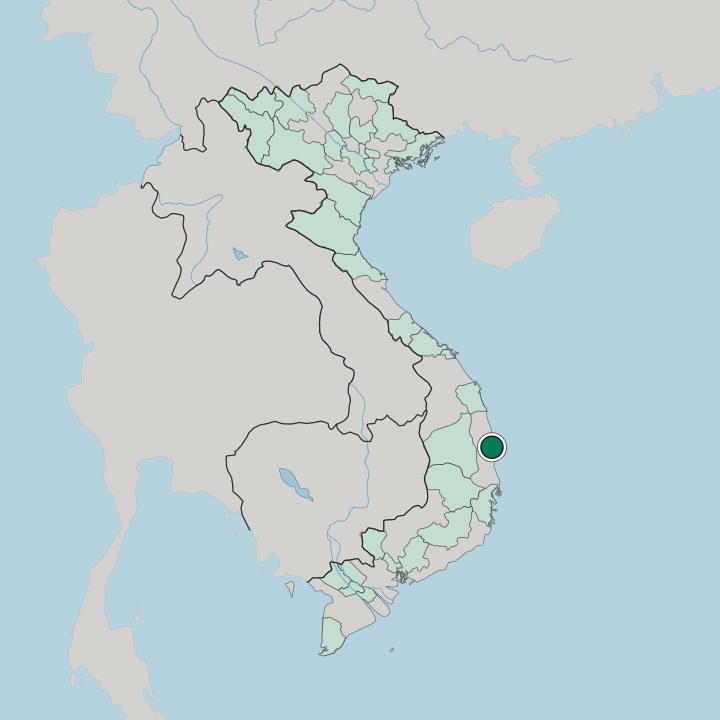
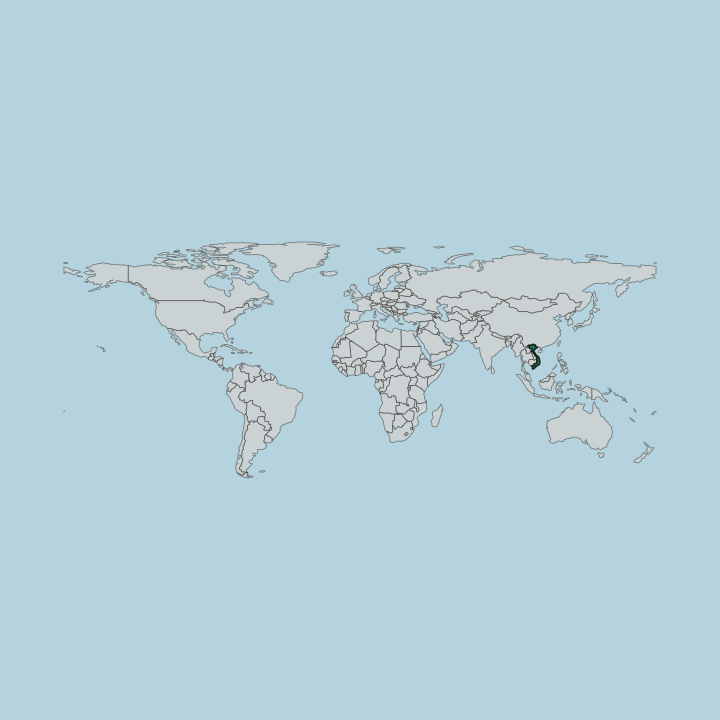
Qui Nhon lies on the central coast of Vietnam, on a bay of the East Sea below green hills. The city curves around a sheltered harbour where a spit of land shields the water from the sea, with beaches and rocky headlands along the shore and the coastal mountains rising close inland. The blue bay opens east.
Green hills rise behind the town.
What is the climate of Qui Nhon?
Qui Nhon has a warm tropical monsoon climate. Hot weather holds much of the year on the coast, cooled by the sea breeze, with a dry sunny season and a wetter, stormy spell in the autumn. The sea softens the heat.
Storms sweep in during autumn.
How do you get to Qui Nhon?
Qui Nhon lies on the central coast, on the road and rail between the north and the south. Trains and the coast highway run to it along the shore from Da Nang and Nha Trang, and roads climb inland to the towers. Boats work the harbour.
Nha Trang lies south down the coast.
Common questions
What is the best area to stay in Qui Nhon?
The city beach: Visitors here for the sand and promenade. The town: Stays wanting the harbour and Cham towers.
Good for
Another city in Gia Lai
Updated September 2026