Vietnam · Thừa Thiên Huế
Where to Stay in Huế, Thừa Thiên Huế
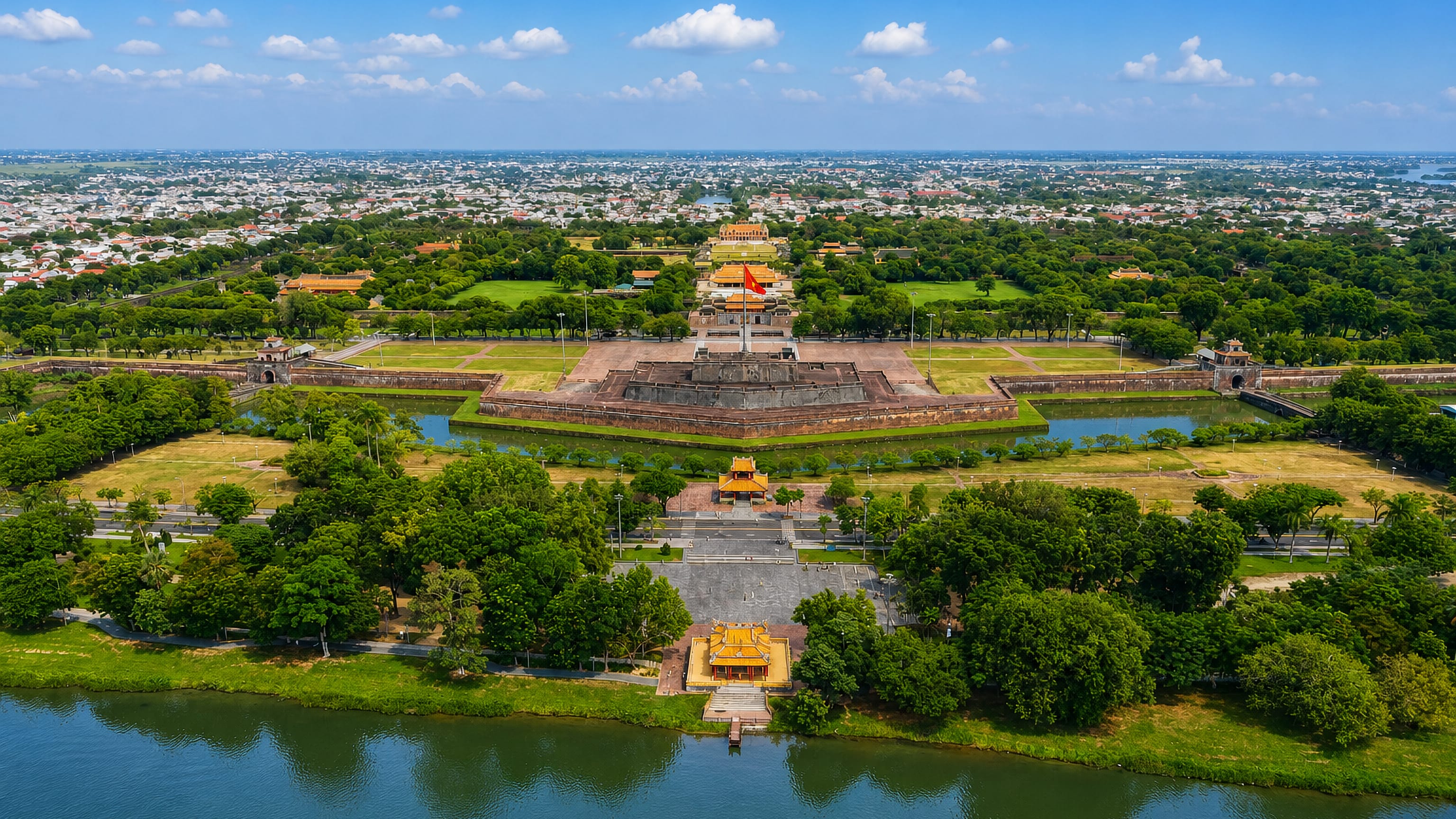
Walls and gates ring the Huế citadel at Huế, the old imperial capital of Vietnam, known for its royal tombs and temples.
Hotel links are affiliate links: booking through them may earn us a commission, at no extra cost to you. It never affects how places are ranked. How this works


Where to stay in Huế
Where the beds are, and what that means for the visit.
Where to stay in Huế turns on the old citadel and the city around it. The walled Huế citadel holds the former imperial city, so a base near its gates keeps the Temple of Literature and the palaces of the old capital close at hand. The walls set the tone.
Beyond them, the newer streets carry the Hue Museum of Royal Fine Arts, Phủ Cam Cathedral, and the everyday life of central Vietnam. The city divides between the imperial and the modern. The citadel quarter keeps the royal enclosure and the Thua Thien Hue History Museum within the old ramparts, while the districts outside gather churches such as the Redemptorist Church and the markets of the working town.
Stay by the citadel for the imperial city at your door. The modern side is livelier. Farther out, the wooded hills hold the royal tombs, among them the Tomb of Tự Đức, the Tomb of Emperor Minh Mang, and the Tomb of Khai Dinh, set apart from the streets of Huế.
Find hotels in Huế
Direct booking searches for these neighbourhoods.
The Citadel quarter
The Huế citadel encloses the former imperial city, keeping the Temple of Literature and the old palaces within its ramparts at the heart of Huế.Find hotels in The Citadel quarterMuseums, churches, and the working streets of HuếThe modern city
The streets beyond the citadel carry the Hue Museum of Royal Fine Arts, Phủ Cam Cathedral, and the everyday markets of central Vietnam.Find hotels in The modern cityRoyal Nguyễn tombs in the wooded hills outside HuếThe tomb hills
The hills around Huế hold the royal tombs, among them the Tomb of Tự Đức and the Tomb of Khai Dinh, set well apart from the city streets.Find hotels in The tomb hillsHotel links are affiliate links: booking through them may earn us a commission, at no extra cost to you. It never affects how places are ranked. How this works
Things to do in Huế
Ranked by global recognition; descriptions from Wikidata (CC0).
Museums & Galleries
2- Hue Museum of Royal Fine Arts
- Thua Thien Hue History Museum
Churches & Religious Sites
2- Phủ Cam Cathedral
- Redemptorist Church
Castles & Historic Sites
2- Tomb of Khai Dinh Heritage
- Thap Phu Dien
Parks & Gardens
1- Hồ Thủy Tiên
worth knowingacross 4 categories in Huế
About Huế
What is Huế known for?
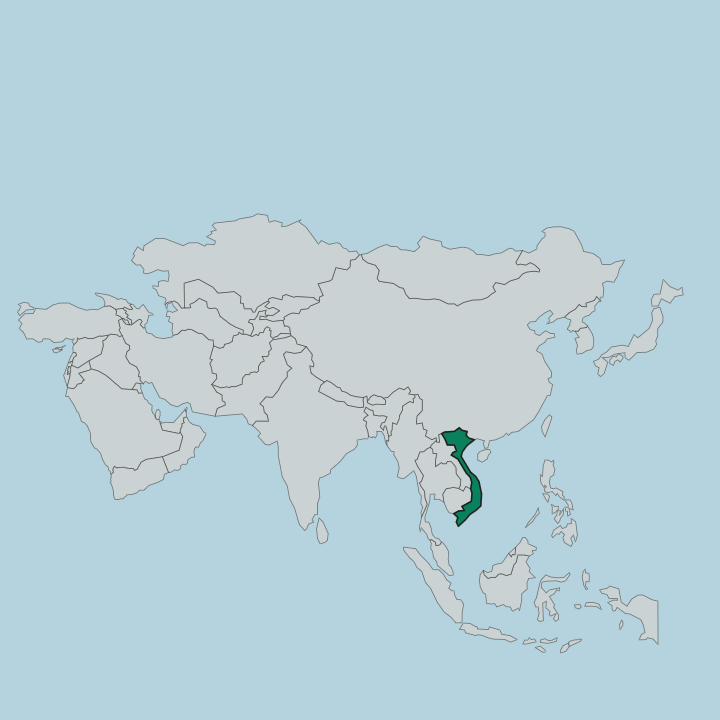
Huế is known as the former imperial capital of Vietnam, set at the centre of the country in what was long Thừa Thiên Huế. The emperors ruled from here. Their walled Huế citadel and the royal tombs scattered through the surrounding hills carry the memory of the dynasty, and the city remains an educational and cultural hub of central Vietnam.
Phú Xuân was its older name. Few Vietnamese cities hold so much of the country's imperial past.
What are the main landmarks in Huế?
Huế's landmarks are the work of its emperors. The walled Huế citadel encloses the old imperial city, and the royal tombs of the Nguyễn rulers stand in the hills around it, among them the Tomb of Tự Đức, the Tomb of Emperor Minh Mang, and the Tomb of Khai Dinh. Faith and learning left their mark.
The Temple of Literature, the Phủ Cam Cathedral, and the Hue Museum of Royal Fine Arts carry the city's scholarly and religious heritage.
What is the history of Huế?
Huế was the seat of Vietnam's last dynasty. The Nguyễn Lords first held the site as Phú Xuân, and their bronze work survives in the Cylindrical cauldrons of Nguyễn Lords, before Huế rose to become the imperial capital of the whole country. The court settled here.
Emperors raised the vast Huế citadel on the plain and ruled the country from within its walls. Each reign added to the city. The emperors built their tombs in the hills, from the Tomb of Gia Long, the first of the line, to the Tomb of Emperor Minh Mang, the Tomb of Tự Đức, and the Tomb of Khai Dinh, each set in the wooded hills outside the city.
The dynasty eventually ended. Huế lost its role as capital but kept its monuments, and the citadel, the tombs, and the Hue Museum of Royal Fine Arts still hold the imperial city's memory. The old capital remains.
Where is Huế?
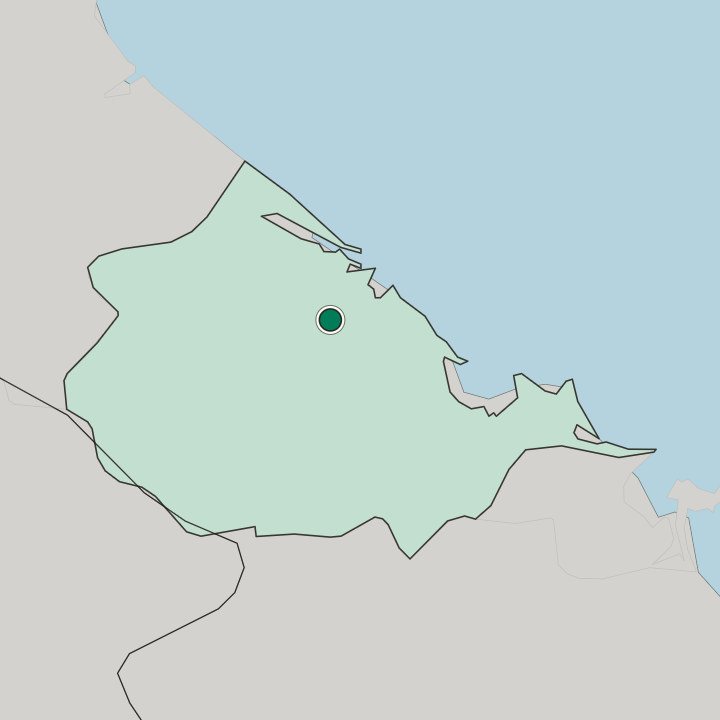
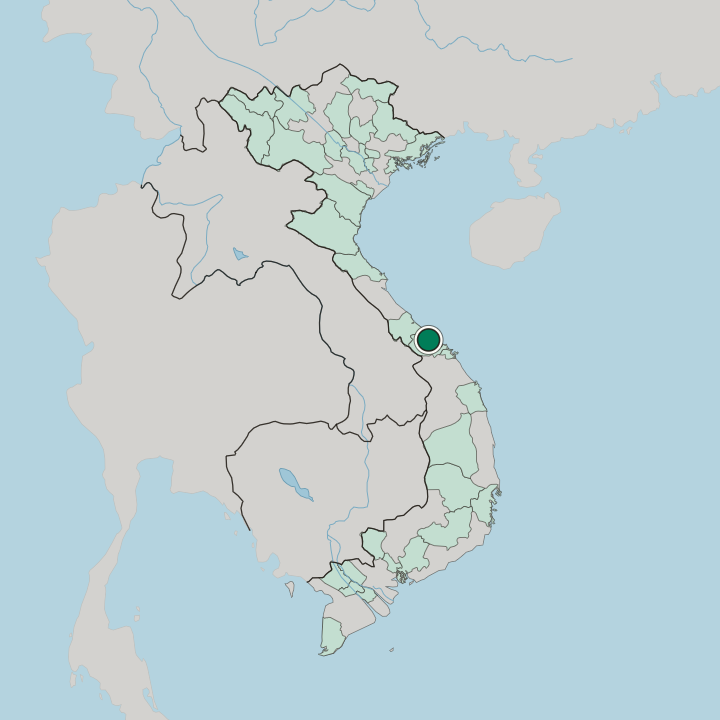
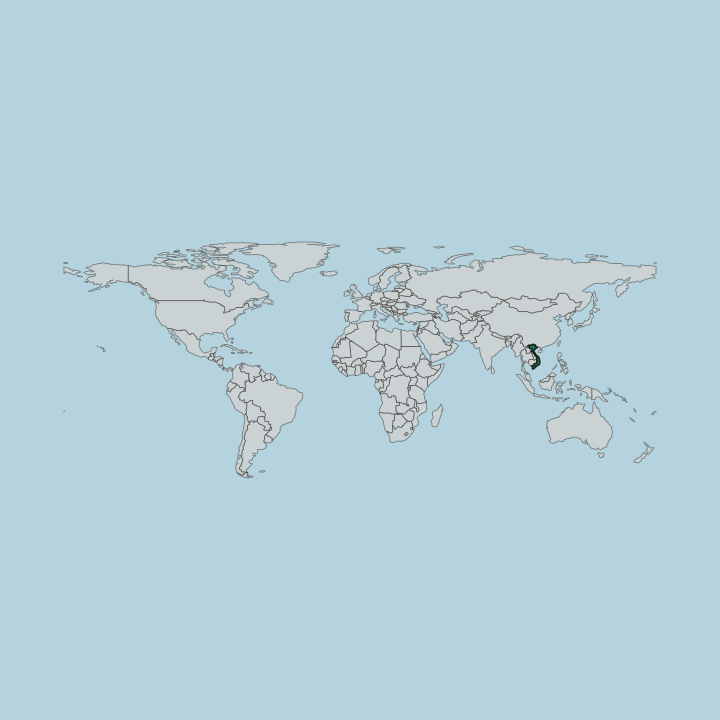
Huế lies at the centre of Vietnam, on the coastal plain of what was Thừa Thiên Huế. The land runs from mountains to sea. It borders Quảng Trị to the north and Đà Nẵng to the south, with the highlands of Laos rising to the west and the South China Sea washing the coast to the east.
The Huế citadel sits on the plain. Low hills ring the city, holding the royal tombs above the streets below.
What is the climate of Huế?
Huế has a warm tropical climate marked by a heavy rainy season on the central coast of Vietnam. The rains define the year. A long wet season sweeps in off the South China Sea in the closing months of the year, soaking the plain around the Huế citadel, while the earlier months stay hot and far drier.
The wet season is long. Grey, damp skies over Huế are as much a part of the city as its imperial walls.
How do you get to Huế?
Huế is reached by road, rail, and air along the central coast of Vietnam. The main lines run through it. Vietnam's coastal railway and highway thread past Huế between Quảng Trị to the north and Đà Nẵng to the south, and roads climb west toward the passes into Laos.
The South China Sea lies close by. From the citadel at its heart, the city's streets fan out across the plain to the tombs in the hills.
Common questions
What is the best area to stay in Huế?
The Citadel quarter: The walled imperial city and the Temple of Literature. The modern city: Museums, churches, and the working streets of Huế. The tomb hills: Royal Nguyễn tombs in the wooded hills outside Huế.
Good for
Updated October 2026