Vietnam
Thừa Thiên Huế, Vietnam — Towns & Travel Guide
Thừa Thiên Huế is a central Vietnamese province where the Perfume River runs past the old imperial capital of Huế to the sea.
Hotel links are affiliate links: booking through them may earn us a commission, at no extra cost to you. It never affects how places are ranked. How this works


Towns & cities in Thừa Thiên Huế
One town here has its own guide — it links to where to stay.
 Vietnam
Huế
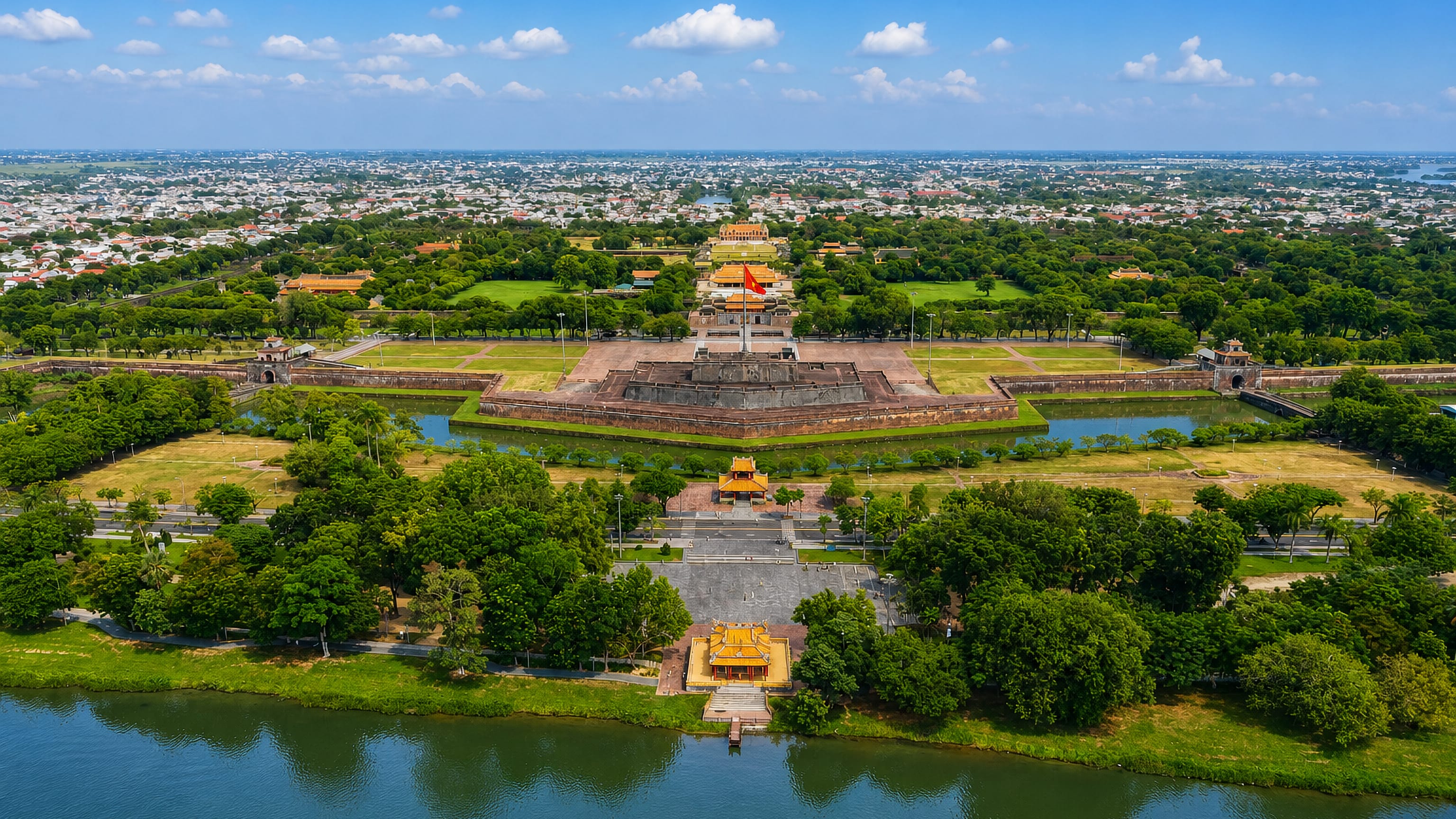
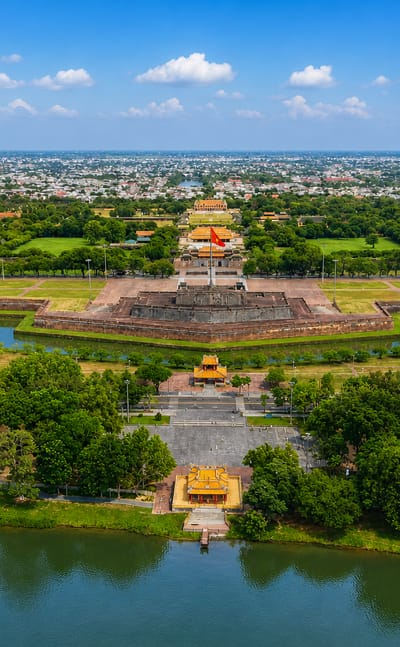
Walls and gates ring the Huế citadel at Huế, the old imperial capital of Vietnam, known for its royal tombs and temples.Where to stay →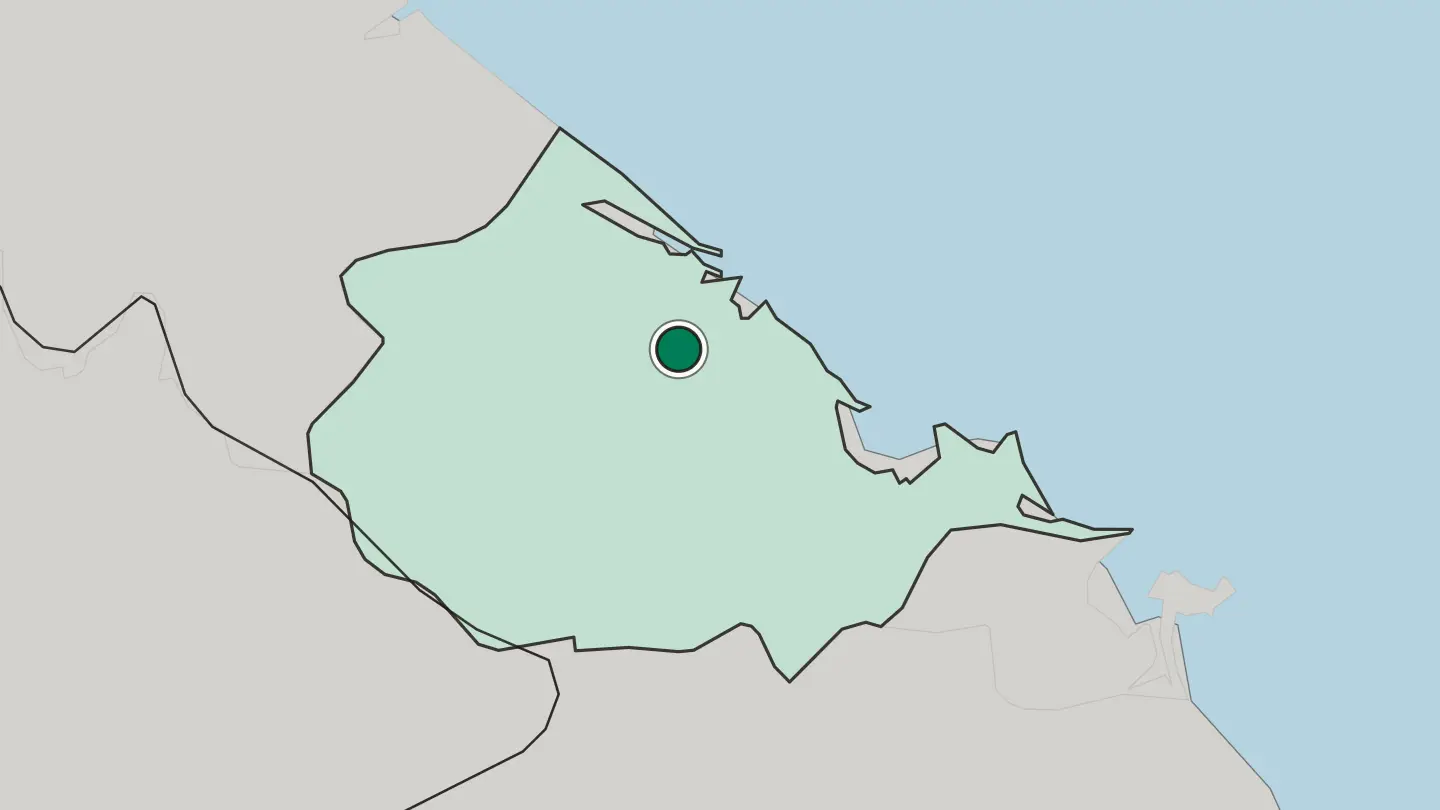
Hotel links are affiliate links: booking through them may earn us a commission, at no extra cost to you. It never affects how places are ranked. How this works
About Thừa Thiên Huế
Huế anchors the province.
What is Thừa Thiên Huế known for?
For more than a century it served as Vietnam's imperial capital, and the walled Citadel, the Forbidden Purple City, and the royal tombs along the Perfume River survive as the Complex of Huế Monuments. The Nguyễn dynasty built it all. Emperors such as Minh Mạng and Tự Đức lie in landscaped tombs south of the city, and Thiên Mụ pagoda rises on a bluff over the river.
Its kitchen is famous too, from imperial banquet spreads to the chilli-red beef soup bún bò Huế.
Where is Thừa Thiên Huế?
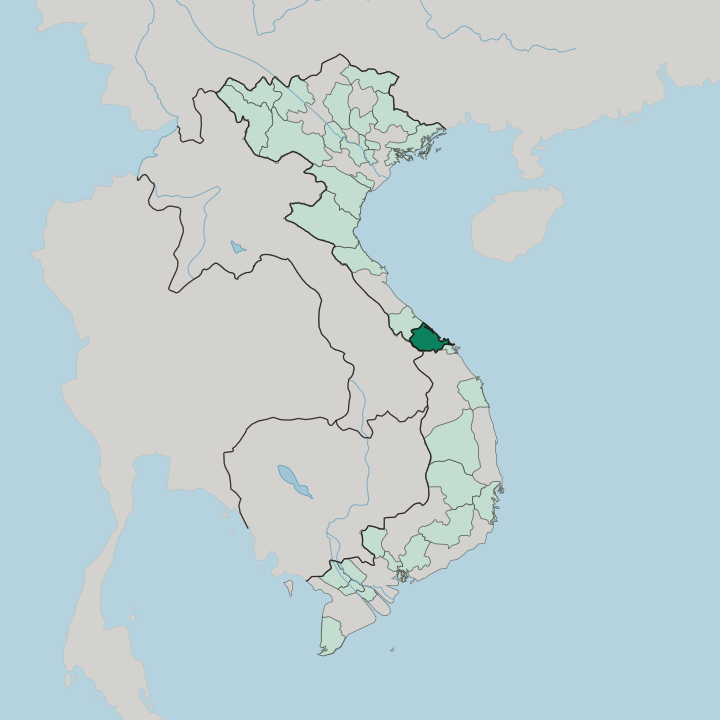
Thừa Thiên Huế sits in the middle of Vietnam. It belongs to the North Central Coast, a narrow waist of the country pressed between the Trường Sơn mountains and the South China Sea. Quảng Trị lies to the north. Đà Nẵng is the neighbour to the south, Laos closes the western border along the mountain crest, and the coast runs for 128 km down the eastern edge. The land climbs steeply inland.
Rivers cut the slope into valleys as they run for the sea. Four zones stack from the sea to the summit ridge. Sandbars and the Tam Giang-Cầu Hai lagoon, the largest lagoon in Southeast Asia, screen a thin coastal plain, which gives way to low hills and then to the Trường Sơn peaks that fill more than half the province.
The Perfume River gathers it together. Its two branches rise in the Trường Sơn and join at Bằng Lãng Fork, then the single river slides north-east through Huế and empties into the lagoon near Thuận An. Bạch Mã National Park guards the southern mountains, where the range drops to the sea at the Hải Vân Pass.
Beaches and fishing villages line the sandbars that hold the lagoon back from the open water.
What is Thừa Thiên Huế like?
Huế keeps the manners of a court. The city that ruled Vietnam under the emperors held onto its refinement, and that shows in the food, the music, and the temples more than in any single monument. Court cuisine survives on ordinary tables.
Huế cooks turn out dozens of small, exacting dishes, and the chilli-laced beef soup bún bò Huế carries the city's name across Vietnam. Every other year the Huế Festival fills the Citadel with processions and staged court rites. Áo dài and conical hats are daily wear, not costume. Faith runs alongside food.
Buddhist pagodas stand across the hills and above the Perfume River, and the Zen teacher Thích Nhất Hạnh grew up here before the world knew his name. Nhã nhạc, the refined music of the Nguyễn court, is still performed on the river after dark. Dragon boats carry visitors upstream to the pagodas and the royal tombs.
Walled garden houses hide behind hedges in the riverside quarter of Kim Long. People speak Vietnamese here in a soft central accent that even other Vietnamese struggle to follow. The mood is quieter than Hanoi or Saigon.
What is the history of Thừa Thiên Huế?
The land changed hands early. It came to Vietnam in 1306 as the Cham prefectures of Ô and Lý, handed over in a royal marriage and renamed Thuận Hóa. The Nguyễn lords made Phú Xuân their seat in 1687.
In 1802 Gia Long unified the country and raised the town into the imperial capital of the Nguyễn dynasty. The court ruled from here until 1945, when the last emperor, Bảo Đại, gave up the throne and the dynasty ended. By then the French had renamed the capital Huế in 1899.
What is the climate of Thừa Thiên Huế?
Around Huế the calendar swings between just two seasons. A hot, dry spell holds from spring into late summer, when the lowlands around Huế bake and the heat climbs well past comfort. Then the rain arrives.
From autumn into winter the Trường Sơn wall traps the north-east monsoon and wrings out some of the heaviest rainfall in Vietnam, and the rivers flood. Typhoons come ashore in that stretch. The mountains stay cooler year round, and Bạch Mã can turn cold and misty when the coast is still warm.
How do you get to Thừa Thiên Huế?
Phú Bài airport handles the arrivals. The international field lies a short ride south of Huế, and it links the province to Hà Nội, Hồ Chí Minh City, and a handful of regional hubs. Trains stop here too.
The North-South railway threads the coast, and the run from Đà Nẵng climbs over the Hải Vân Pass on one of the great rail journeys in the country. National Route 1 runs the same line by road. Đà Nẵng's bigger airport lies about two hours south over the pass.
Good for
More regions in Vietnam
Updated September 2026