Vietnam · Tỉnh Thanh Hóa
Where to Stay in Thanh Hóa, Tỉnh Thanh Hóa
Thanh Hóa is a city of north-central Vietnam, an old land of bronze drums and royal shrines, a busy provincial hub between the mountains and the sea.
Hotel links are affiliate links: booking through them may earn us a commission, at no extra cost to you. It never affects how places are ranked. How this works


Where to stay in Thanh Hóa
The practical side of choosing where to sleep.
Thanh Hóa gives you two bases, the provincial town or the sands at Sam Son. The streets around the centre keep the museum, the market, and the shrines within a walk, and staying downtown suits anyone here for the city. The wide streets run flat.
Markets fill the lanes. Out toward Sam Son and the hills, the town gives way to the beach resorts, the royal shrines, and the ancient sites. A room by the sea trades the streets for the long Sam Son beach, the fishing coast, and the warm South China Sea.
The coast runs on to the south. Stay downtown for the museum, or by the sea for the beach. Sam Son lies only a short ride from the downtown lanes.
Find hotels in Thanh Hóa
Direct booking searches for these neighbourhoods.
The town centre
Around downtownFind hotels in The town centreStays wanting the beach and seaSam Son coast
Out on the coastFind hotels in Sam Son coastHotel links are affiliate links: booking through them may earn us a commission, at no extra cost to you. It never affects how places are ranked. How this works
About Thanh Hóa
Thanh Hóa is the ancient land of the bronze drums.
What is Thanh Hóa known for?
On the coastal plain of north-central Vietnam between the hills and the sea, it was the cradle of the old Dong Son culture, and it keeps the great bronze drums of that ancient people in its museum, the royal shrines and tombs of the Le kings at Lam Kinh, an old stone citadel of a lost dynasty nearby, and the long beaches of Sam Son on the coast. Flat green country reaches all the way to the shore. The hills rise to the west.
What are the main landmarks in Thanh Hóa?
The bronze drums are the treasure of Thanh Hóa. The great drums of the Dong Son people, cast in bronze and worked with sun-rays and cranes and boats, are kept in the town's museum, the emblem of the ancient land, downtown. Royal shrines stand in the hills.
The tombs and temples of the Le kings rest among the trees at Lam Kinh nearby, while the old stone citadel, the Ma river, and the Sam Son beaches mark the country around Thanh Hóa.
What is the history of Thanh Hóa?
Thanh Hóa is one of the oldest lands of Vietnam. By the Ma river, thousands of years ago, a Bronze Age people cast great drums and tools, and their culture, named for the village of Dong Son here, spread its bronze across the region. The land bred kings.
So many royal houses rose from Thanh Hóa that it was called the cradle of dynasties, and its lords went on to rule the whole country from far away. Kings built shrines and citadels here. At Lam Kinh the Le rulers raised ancestral temples and tombs among the trees, and a bold dynasty cut a great citadel of stone blocks on the plain that still stands after six hundred years.
The province grew by the plain and the sea. Rice, fishing, and trade fed Thanh Hóa, and it grew into the busy hub of the north-central coast, keeping its bronze drums, its royal shrines, and its beaches. The drums still speak of the old days.
Thanh Hóa keeps its ancient land between the hills and the sea.
Where is Thanh Hóa?
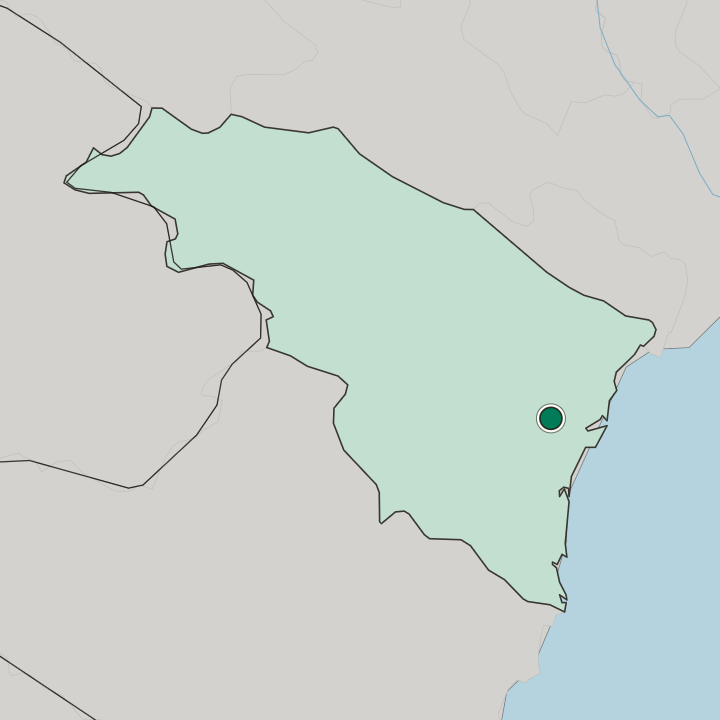
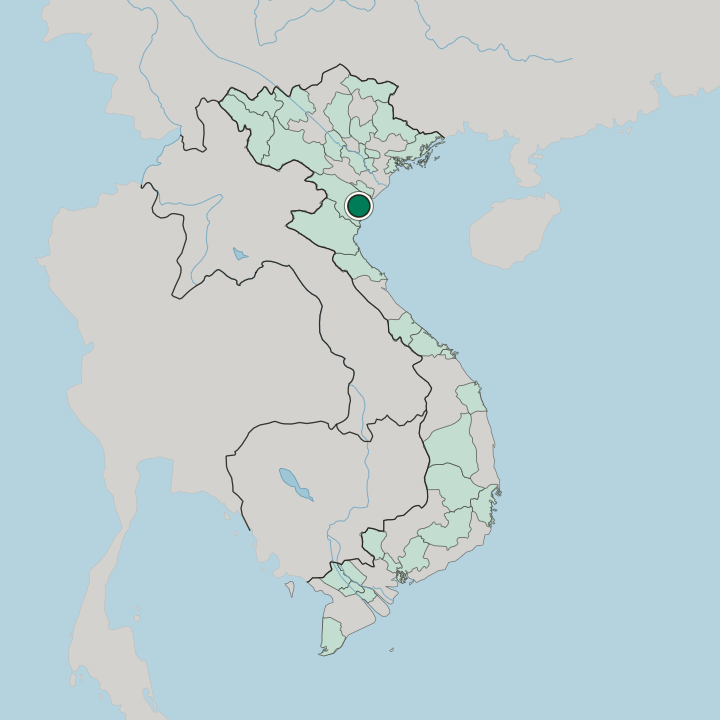
Thanh Hóa lies in the north of central Vietnam, on the coastal plain where the Ma river reaches the sea. The city sits on flat rice country between the wooded hills of the west and the South China Sea, on a delta of paddies and villages, with the mountains rising inland and beaches along the coast. The rice plain runs to the sea.
Green hills wall the west.
What is the climate of Thanh Hóa?
Thanh Hóa has a hot, wet monsoon climate. Warm damp weather holds much of the year on the coast, with a hot rainy summer, the risk of a typhoon off the sea, and a cool drier winter. The summer brings heat and rain.
Winter turns cool and grey.
How do you get to Thanh Hóa?
Thanh Hóa lies on the coast of north-central Vietnam, on the road and rail south of Hanoi. Trains and the highway run to it down the coast from Hanoi and up from Vinh, and roads lead west to the hills. Buses cross the rice plain.
Hanoi lies north up the line.
Common questions
What is the best area to stay in Thanh Hóa?
The town centre: Visitors here for the museum and shrines. Sam Son coast: Stays wanting the beach and sea.
Good for
Updated September 2026