Argentina · Entre Ríos Province
Where to Stay in Gualeguaychú, Entre Ríos Province
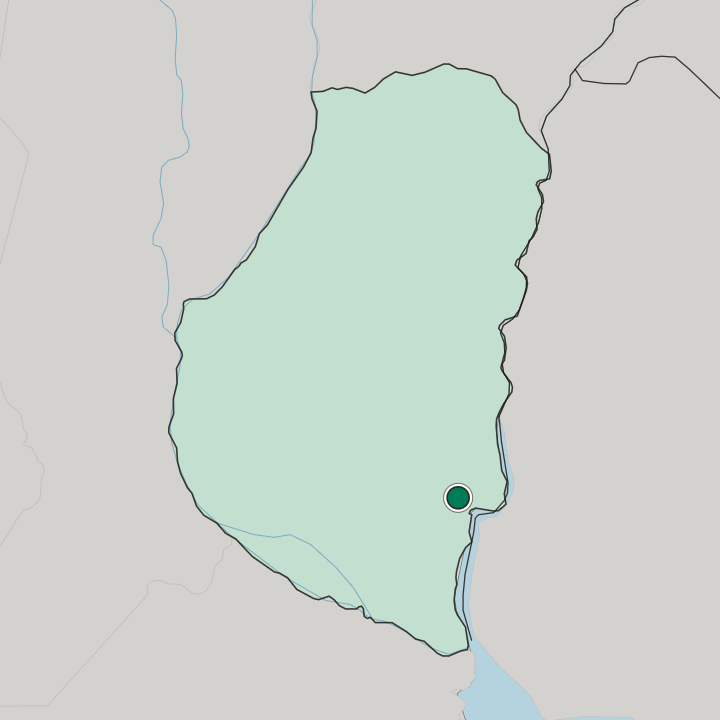
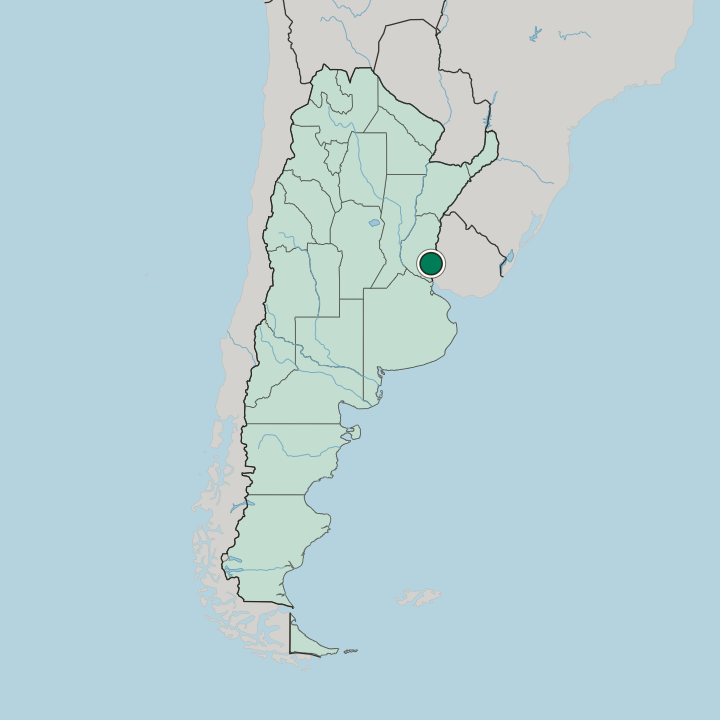
Gualeguaychú is a city of Entre Ríos Province, Argentina, built on the left bank of the Gualeguaychú River north-west of Buenos Aires.
Hotel links are affiliate links: booking through them may earn us a commission, at no extra cost to you. It never affects how places are ranked. How this works


Where to stay in Gualeguaychú
How the choice of base plays out on the ground.
The choice runs between the river and the cathedral. Rooms near St. Joseph's Cathedral put the centre of Gualeguaychú on foot, with the Museo De La Ciudad Casa De Haedo and the Instituto Magnasco Y Biblioteca Popular Olegario V. Andrade inside the same few blocks. The bank is the other option.
Anything facing the Gualeguaychú River trades the walk to the museums for water at the door, which is the trade most visitors to this city end up making. The Museo De La Ciudad Azotea De Lapalma sits with the rest of the old fabric, so one central room covers both house museums without a car. Bed stock is modest.
The Museo Ferroviario Gualeguaychú marks the old railway ground, and rooms out that way come quieter than the ones on the water, at the cost of a longer walk back to the centre. Weekends fill faster than weekdays in a city this size. If you want the museums and the church on foot, stay in the middle; if you want the river, take the bank and accept the walk.
The city is not big.
Find hotels in Gualeguaychú
Direct booking searches for these neighbourhoods.
The blocks around St. Joseph's Cathedral
St. Joseph's Cathedral and the Museo De La Ciudad Casa De Haedo stand within a few blocks of each other in the middle of Gualeguaychú.Find hotels in The blocks around St. Joseph's CathedralWater at the door instead of museums at the cornerThe left bank of the Gualeguaychú River
The Gualeguaychú River runs along the built edge of the city, and rooms on that side face it directly. Lodging is scarce in this area; reserve in advance.Find hotels in The left bank of the Gualeguaychú RiverA quieter night near the Museo Ferroviario GualeguaychúThe old railway ground
The Museo Ferroviario Gualeguaychú holds the rail end of town, away from both the cathedral and the water. Beds are limited here, so book early.Find hotels in The old railway groundHotel links are affiliate links: booking through them may earn us a commission, at no extra cost to you. It never affects how places are ranked. How this works
Things to do in Gualeguaychú
Ranked by global recognition; descriptions from Wikidata (CC0).
Museums & Galleries
3- Instituto Magnasco Y Biblioteca Popular Olegario V. Andrade
- Museo De La Ciudad Azotea De Lapalma
- Museo De La Ciudad Casa De Haedo
Churches & Religious Sites
1- St. Joseph's Cathedral, Gualeguaychú
worth knowingacross 2 categories in Gualeguaychú
About Gualeguaychú
The river gives the city its name twice over.
What is Gualeguaychú known for?
Gualeguaychú stands on the left bank of the Gualeguaychú River, in the south-east of Entre Ríos Province, and the water sets the edge the built city keeps to. Four museums and a cathedral fill the rest of the list: St. Joseph's Cathedral, the Museo Ferroviario Gualeguaychú, the Museo De La Ciudad Casa De Haedo, the Museo De La Ciudad Azotea De Lapalma and the Instituto Magnasco Y Biblioteca Popular Olegario V. Andrade. Two of them are houses.
What are the main landmarks in Gualeguaychú?
The cathedral comes first. The name of St. Joseph's Cathedral, Gualeguaychú carries the city's own, which is how tightly the two are bound. Smaller collections carry the rest.
The Museo De La Ciudad Casa De Haedo and the Museo De La Ciudad Azotea De Lapalma are both city collections kept in old houses. The Museo Ferroviario Gualeguaychú keeps the railway record, and the Instituto Magnasco Y Biblioteca Popular Olegario V. Andrade pairs an institute with a public library under one long name. Nothing towers.
What is the history of Gualeguaychú?
The record here does not fix a founding year. What it fixes is the river: Gualeguaychú grew on the left bank of the Gualeguaychú River, and every later layer of the city was built back from that line. Two house museums hold the older fabric.
The Museo De La Ciudad Casa De Haedo and the Museo De La Ciudad Azotea De Lapalma are both kept by the city, and both are dwellings rather than purpose-built galleries, which is the plainest evidence of how the place looked before it spread. Rail arrived and left its own museum. The Museo Ferroviario Gualeguaychú records the line that tied the city to Buenos Aires and to the rest of Entre Ríos Province, a connection that mattered before the roads took the work over.
Learning got its own address. An institute and a public library share one title in the Instituto Magnasco Y Biblioteca Popular Olegario V. Andrade, where the Instituto Magnasco is the teaching half and the Biblioteca Popular Olegario V. Andrade is the reading one. Olegario V. Andrade is the name on the second of those.
St. Joseph's Cathedral stands over all of it, the one entry on the list that was never a house, a station or a reading room.
Where is Gualeguaychú?
The Gualeguaychú River runs past the city, and the built ground sits on its left bank. Gualeguaychú lies in the south-east of Entre Ríos Province, north-west of Buenos Aires. Subtropical air governs the year here.
Distances inside the city stay short, and the water is never far from the cathedral or from either of the two house museums the city keeps.
What is the climate of Gualeguaychú?
The Gualeguaychú River works on the air here. Water at the edge of town keeps the summer heavy, and the subtropical band puts the hot weeks in the southern half of the calendar, so the worst of it lands when the far side of the world is under snow. Cold weeks pass quickly.
Rain arrives across the whole year rather than in one season, which is why the bank stays a constant feature of the place instead of a seasonal one.
How do you get to Gualeguaychú?
Buenos Aires is the reference point. Gualeguaychú lies north-west of the capital, close enough that the run counts as a drive rather than a journey, and the traffic between the two is the main flow the city sees. The Museo Ferroviario Gualeguaychú keeps the rail history.
Arrivals from within Entre Ríos Province come overland, and the last stretch drops to the left bank of the Gualeguaychú River where the centre sits. The cathedral is the marker on arrival.
Common questions
What is the best area to stay in Gualeguaychú?
The blocks around St. Joseph's Cathedral: Having the cathedral and the Casa De Haedo on the same walk. The left bank of the Gualeguaychú River: Water at the door instead of museums at the corner. The old railway ground: A quieter night near the Museo Ferroviario Gualeguaychú.
Good for
More cities in Entre Ríos Province
Updated September 2026