Austria · Tirol
Where to Stay in Innsbruck, Tirol
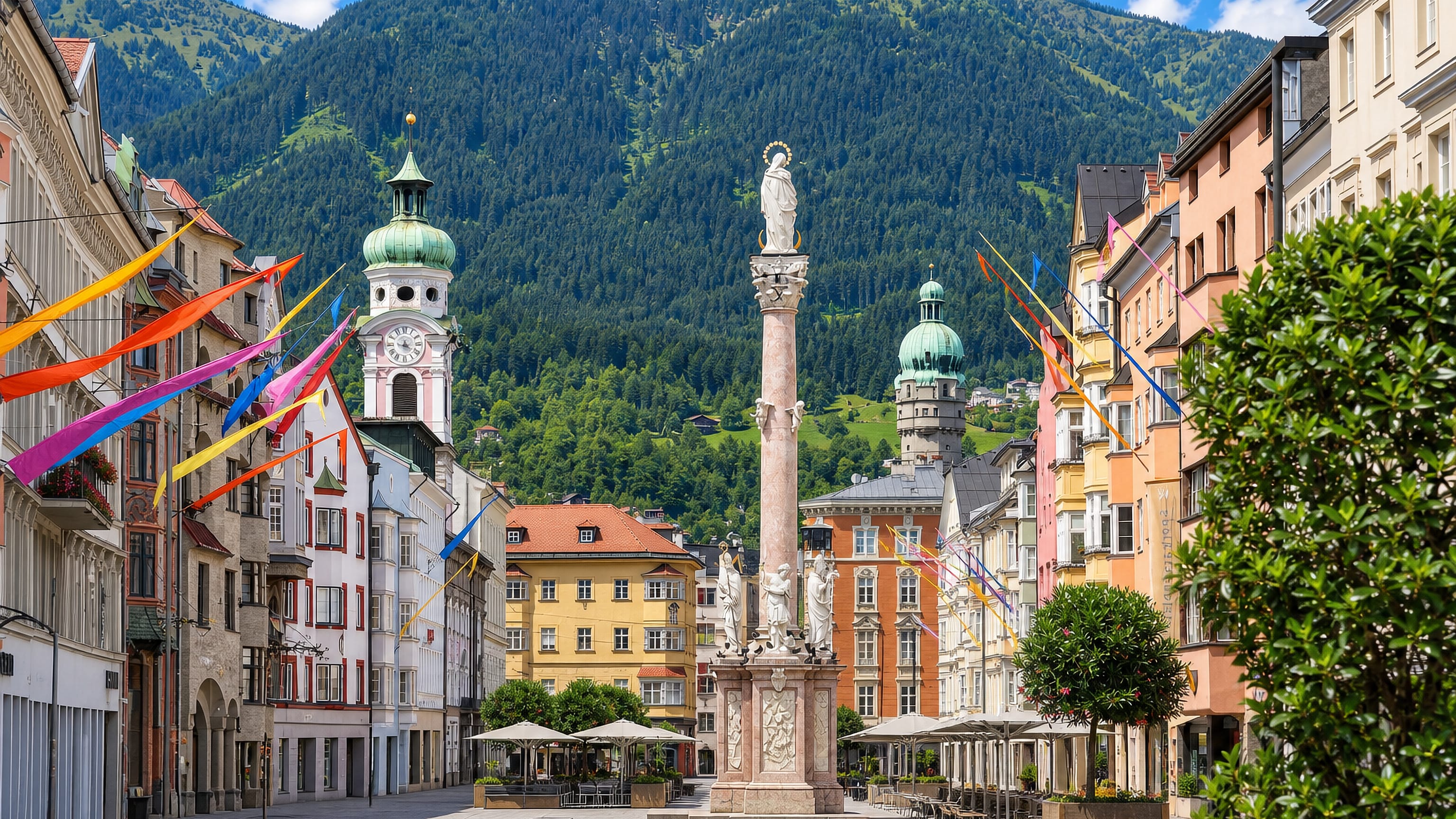
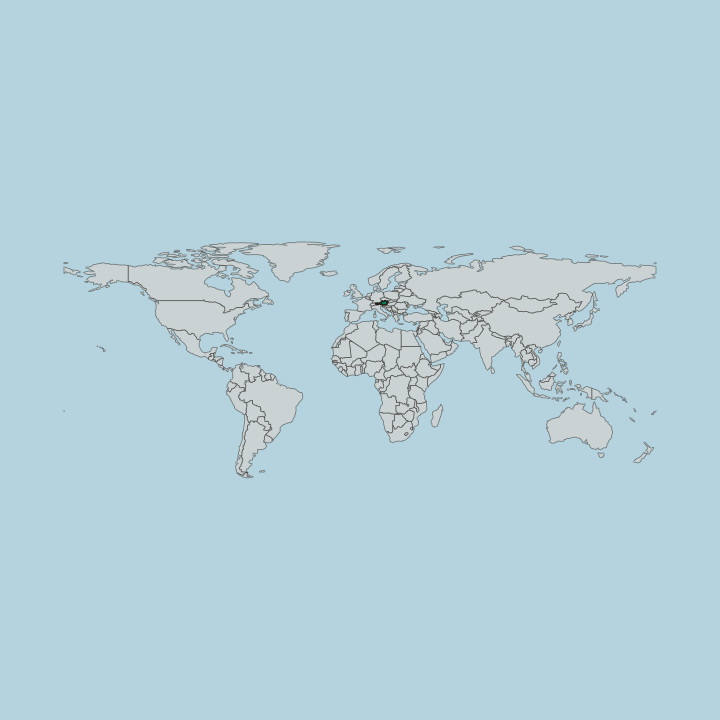
The Nordkette stands straight above the roofs of Innsbruck, capital of Tyrol on the Inn, known for the Golden Roof and two Winter Olympics.
Hotel links are affiliate links: booking through them may earn us a commission, at no extra cost to you. It never affects how places are ranked. How this works


Where to stay in Innsbruck
Not every neighbourhood fits every trip — here's what each one is good for.

 InnsbruckAustria
Wilten
South of the station around Wilten AbbeyWilten →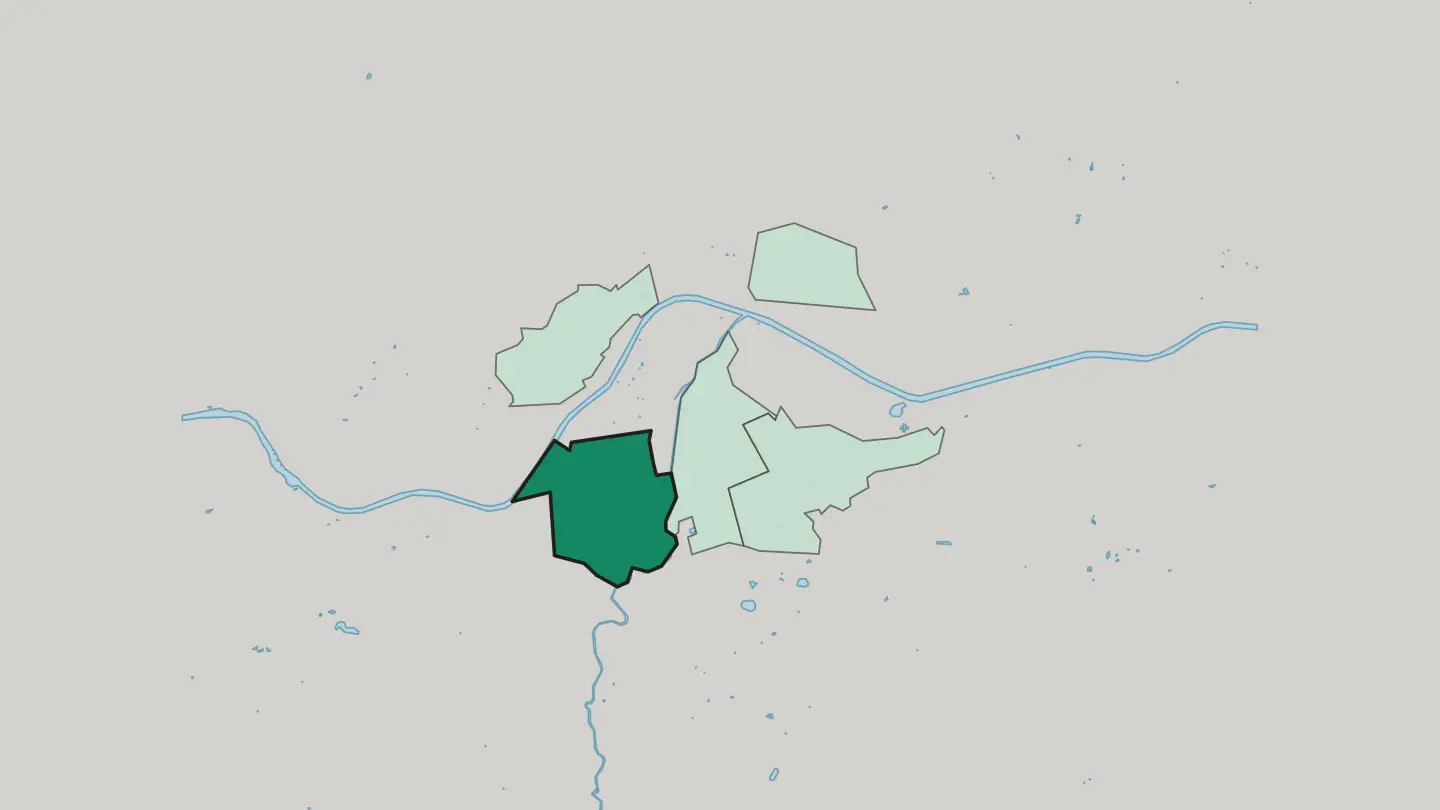
 InnsbruckAustria
Hungerburg
Hungerburg is the terrace above Innsbruck reached by the Hungerburgbahn, where the Nordkette Cable Car starts its climb to Hafelekar.Where to stay → InnsbruckAustria
Hötting
Hötting pairs the Alpenzoo Innsbruck and the Weiherburg with an old parish church, all within reach of central Innsbruck.Where to stay →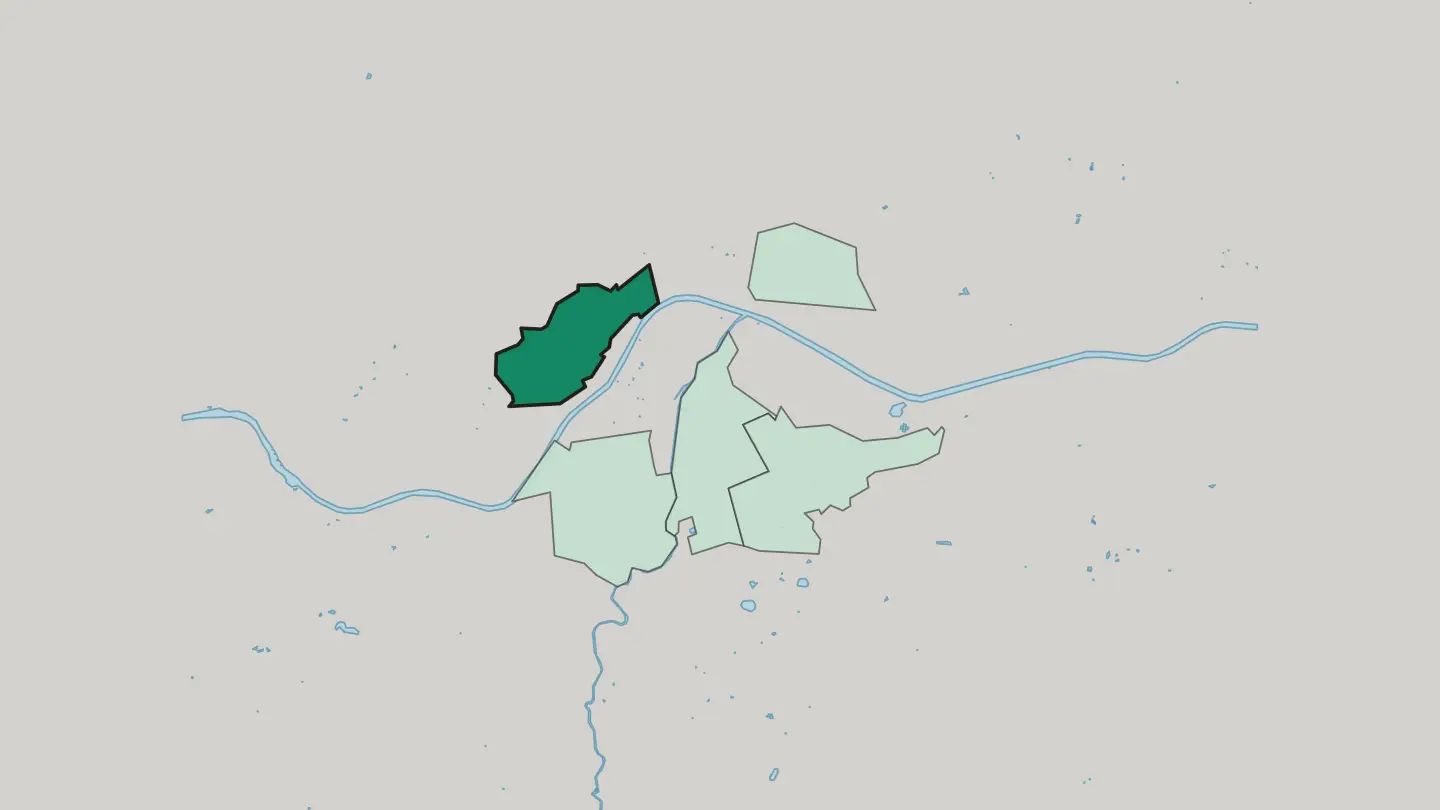
 InnsbruckAustria
Mariahilf
The Servitenkirche, the Taxispalais and the Audioversum all stand in Mariahilf, one of the districts that make up Innsbruck.Where to stay → InnsbruckAustria
Pradl
Pradl is Innsbruck's sports quarter, with the Tivoli grounds and the Olympia Eisstadion Innsbruck set among its housing blocks.Where to stay →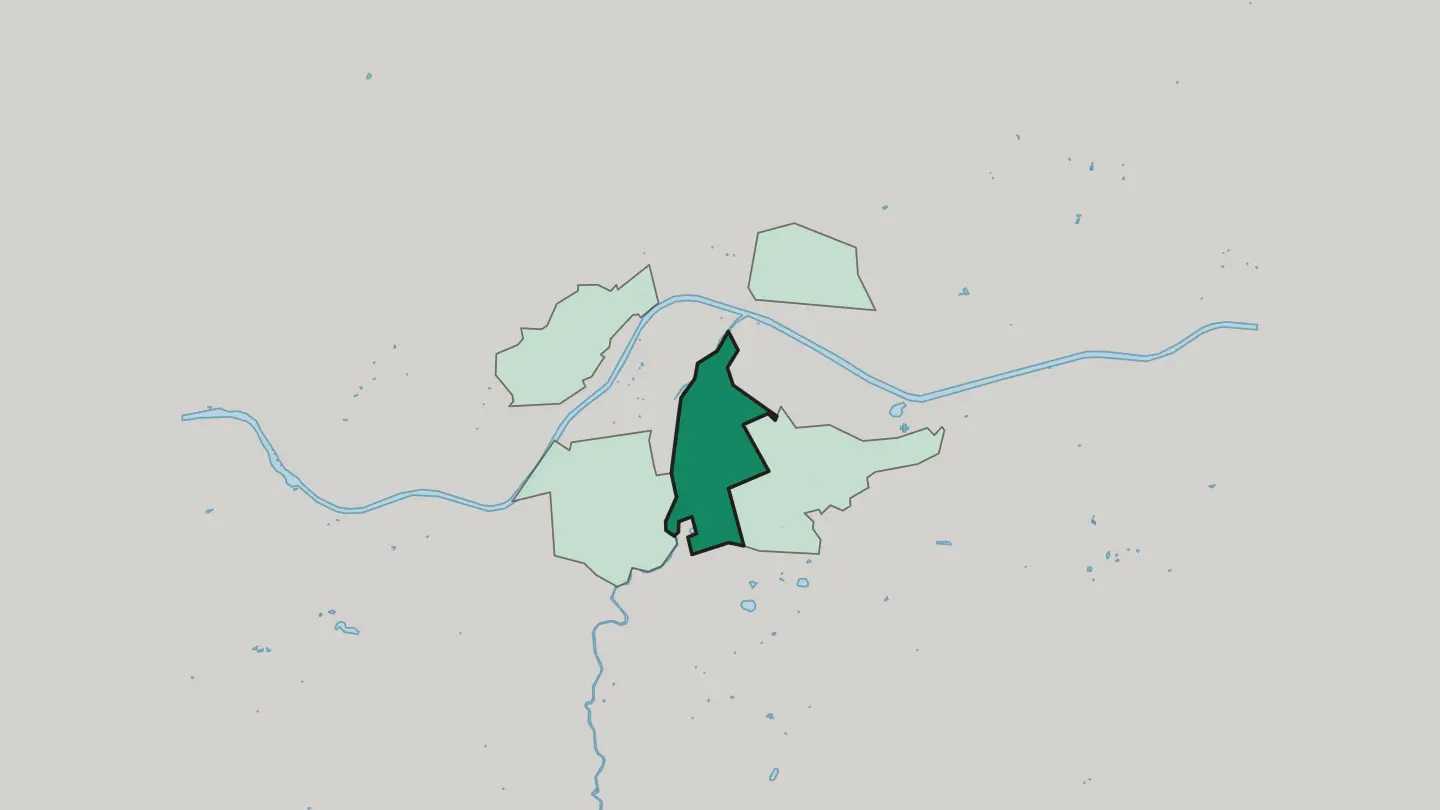
 InnsbruckAustria
Arzl
Arzl is a residential district of Innsbruck, known through its parish churches rather than through any single monument.Where to stay →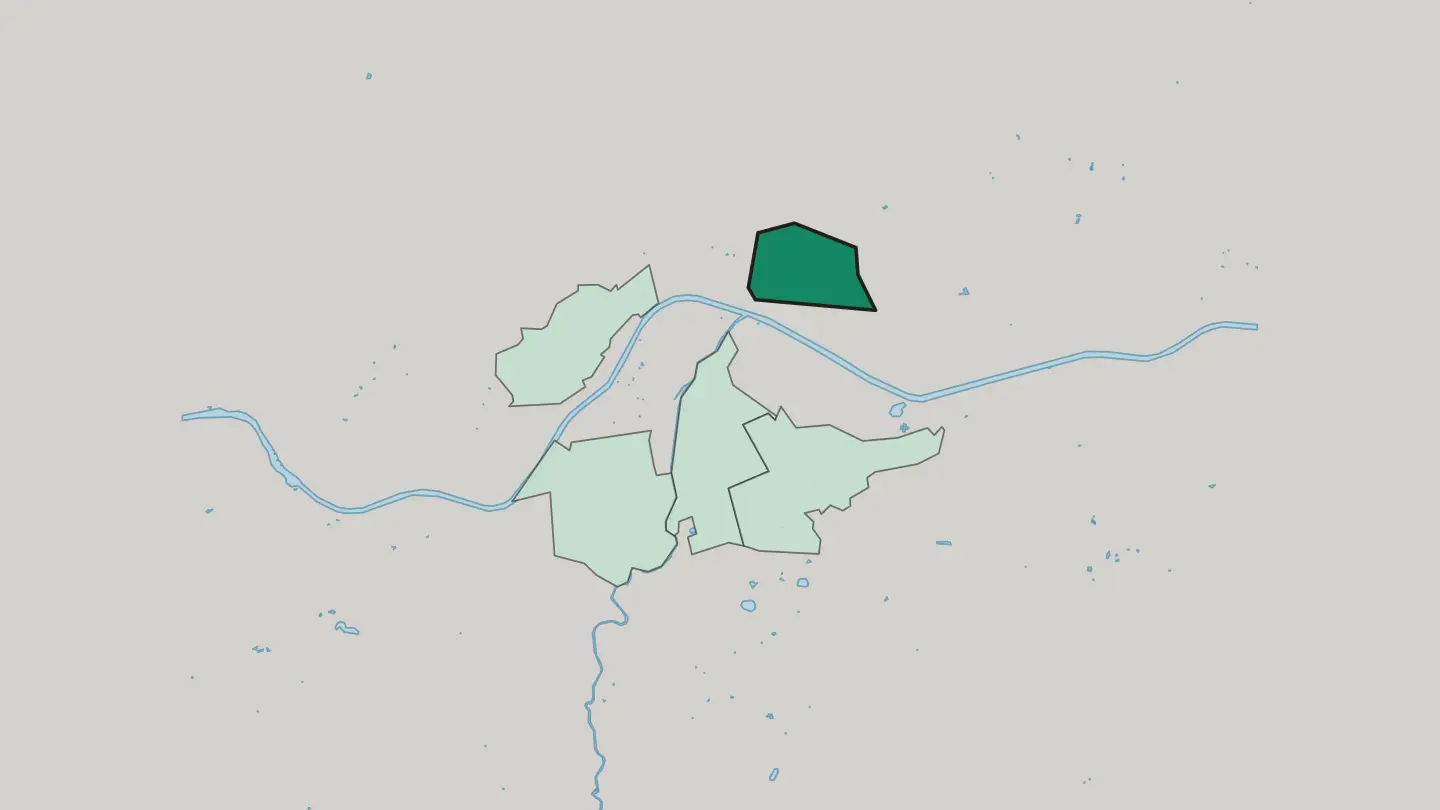
 InnsbruckAustria
Amras
Amras is the Innsbruck district around Ambras Castle, whose Chamber of Art and Curiosities draws visitors up from the city.Where to stay →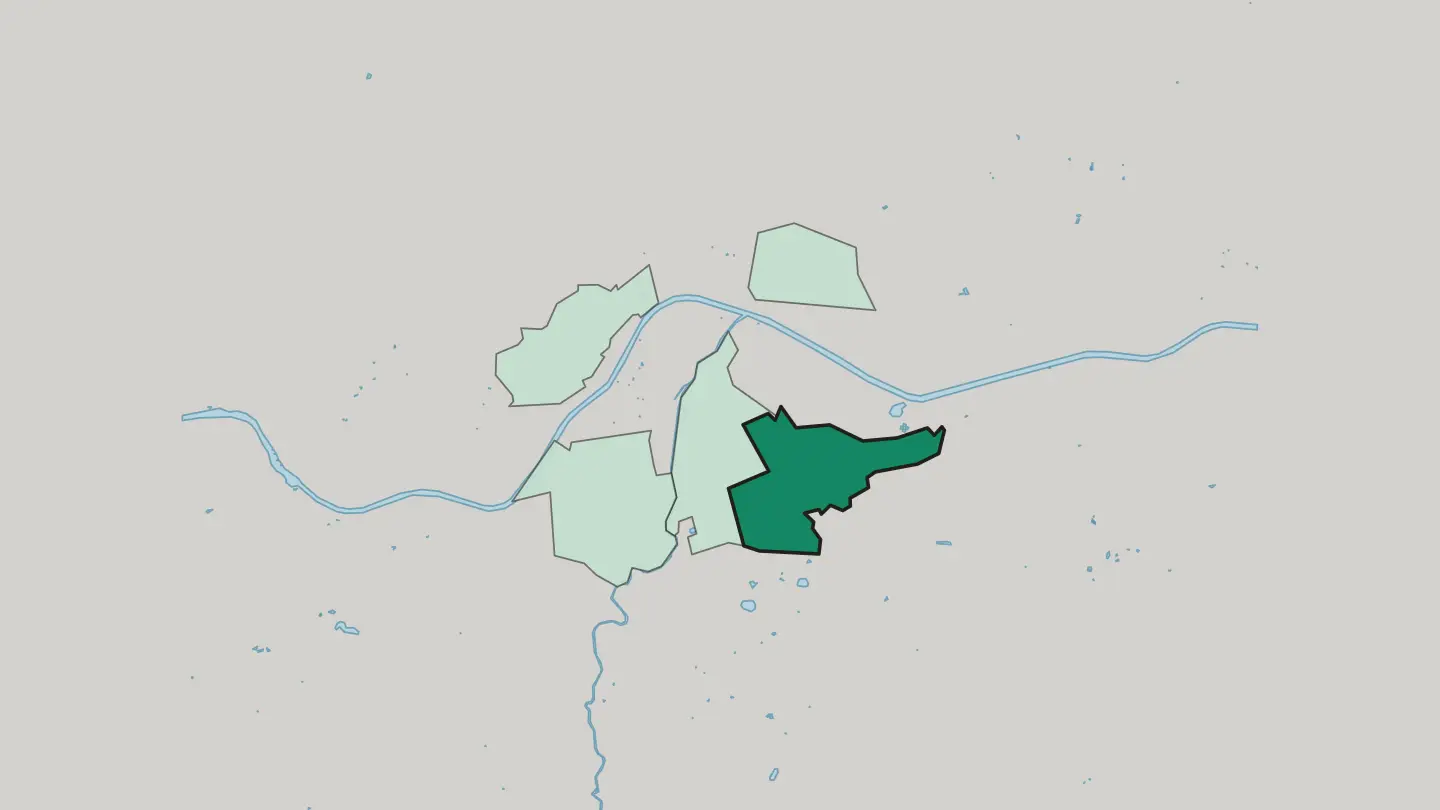
 InnsbruckAustria
Kranebitten
Museum Thurnfels and three churches make up the named ground of Kranebitten, a district lying inside the municipal boundary of Innsbruck.Where to stay → InnsbruckAustria
Vill
Castle names carry Vill: Hohenburg, Burg Sonnenburg and Burg Straßfried mark this district of Innsbruck more plainly than any street does.Where to stay →Hotel links are affiliate links: booking through them may earn us a commission, at no extra cost to you. It never affects how places are ranked. How this works
Find hotels in Innsbruck
Direct booking searches for these neighbourhoods.
Altstadt
In the arcaded lanes under the StadtturmFind hotels in AltstadtThe painted river frontage and the cable car upSt. Nikolaus
North bank under the Nordkette, minutes from the old townFind hotels in St. NikolausSki weeks with lifts from the doorstepIgls
Up on the sunny terrace above the Inn valleyFind hotels in IglsHotel links are affiliate links: booking through them may earn us a commission, at no extra cost to you. It never affects how places are ranked. How this works
Things to do in Innsbruck
Ranked by global recognition; descriptions from Wikidata (CC0).
Museums & Galleries
4- Golden Roof Heritage
- Hofburg, Innsbruck Heritage
- Zeughaus Heritage
- Wieserhof Heritage
Churches & Religious Sites
8- Innsbruck Cathedral Heritage
- Wilten Abbey Heritage
- Jesuitenkirche Innsbruck Heritage
- Spitalskirche (Innsbruck) Heritage
- Servitenkirche, Innsbruck Heritage
Show 3 more →
- Collegium Canisianum Heritage
- Theresienkirche Heritage
- Dreiheiligenkirche Heritage
Castles & Historic Sites
7- Ambras Castle Heritage
- Ottoburg Heritage
- Befreiungsdenkmal Heritage
- Weiherburg Heritage
- Goarmbichl Heritage
Show 2 more →
- Triangulation point, Mühlau Heritage
- Kaiserdenkmal Heritage
Stadiums & Sports
1- Olympia Eisstadion Innsbruck
Landmarks & Notable Places
1- Stadtturm
worth knowingacross 5 categories in Innsbruck
About Innsbruck
What is Innsbruck known for?
Innsbruck is the capital of Tyrol and one of the largest cities in the Alps, laid on the floor of the Inn valley between rock walls that rise above two thousand metres on either side. Skiing made the name. The Winter Olympics came twice, the Bergisel jump stands over the southern approach, and the Golden Roof, the Hofburg and the Stadtturm keep the court that Maximilian held up here in the mountains.
What are the main landmarks in Innsbruck?
Innsbruck keeps its landmarks in the old town and on the slopes above it. The Golden Roof closes the end of Herzog-Friedrich-Straße with the Stadtturm beside it, while the Hofburg, Innsbruck Cathedral and the Museum of Tyrolean Folk Art stand within a few steps behind. Ambras Castle holds the east.
Its Chamber of Art and Curiosities survives as one of the oldest museums anywhere, and on the far side of the valley the Alpenzoo keeps alpine animals on the slope while the Tyrol Panorama Museum shows the fighting of 1809 painted right around a room on the Bergisel.
What is the history of Innsbruck?
Innsbruck grew from a bridge. A market at the crossing of the Inn took town rights in the thirteenth century and lived off the traffic over the Brenner Pass, the lowest of the great alpine crossings, which carried the trade of the north down into Italy through this one valley. The counts of Tyrol made it their seat.
Maximilian I held court here and set the Golden Roof over the square as a box from which to watch the games below, leaving a town furnished far beyond its size. Ferdinand II then filled Ambras Castle with armour, portraits and curiosities gathered from every direction. In 1809 Tyrolean riflemen under Andreas Hofer beat Bavarian and French troops on the Bergisel above the roofs, and that year still runs through the politics of the province.
Railways came next. The line over the Brenner opened the valley to heavy traffic, the Arlberg route tied it to the west, and Innsbruck became the base for a whole region of resorts. Two Winter Olympics, in 1964 and again in 1976, left the ski jump, the ice stadium and the roads that shape the edges of the city.
Where is Innsbruck?
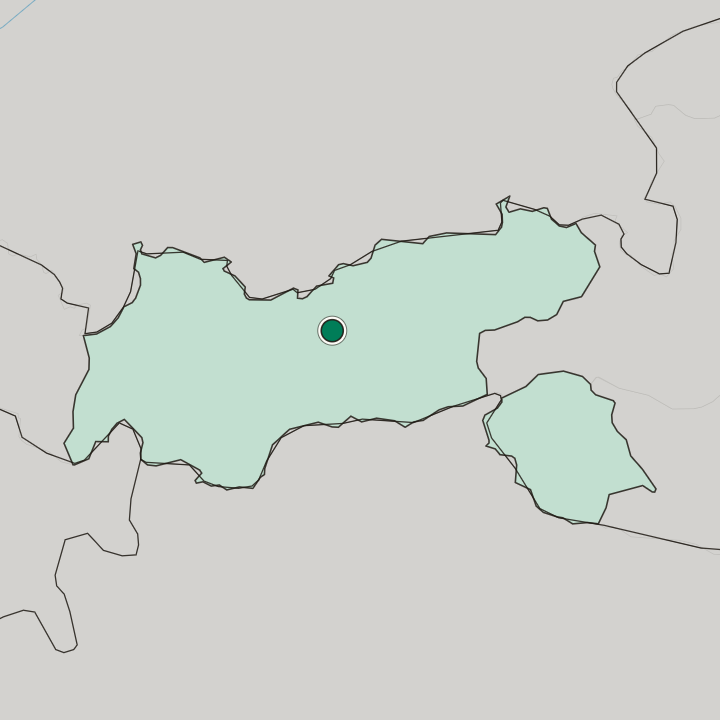
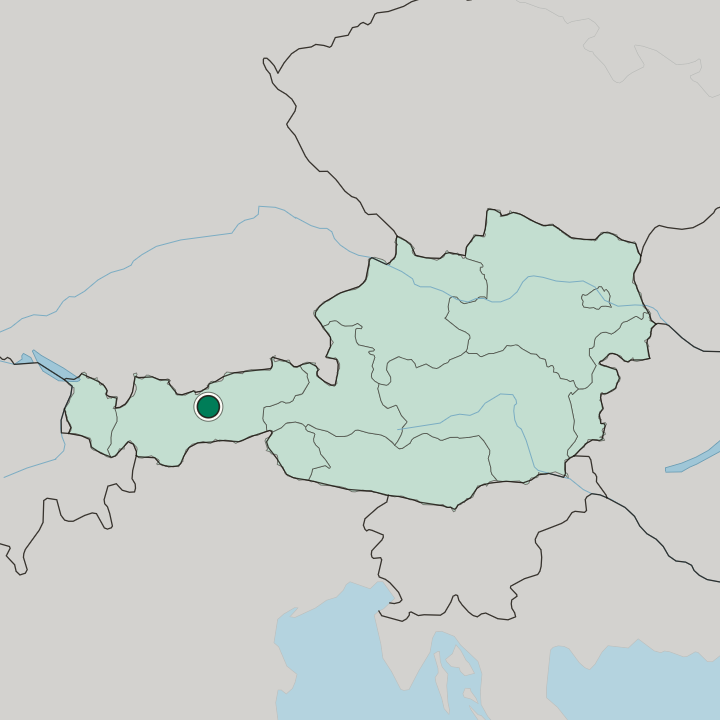
Innsbruck fills the floor of the Inn valley at the point where the Wipp valley opens to the south. The Nordkette rises from the northern edge of the built-up area to bare rock and stays in sight from almost every street, while the Patscherkofel and the sunny terraces of the Mittelgebirge close the other side. The valley is narrow.
Up the Wipp valley the Brenner Pass carries the lowest crossing of the main alpine chain, and road and rail have used it for as long as there have been roads here.
What is the climate of Innsbruck?
The föhn rules the weather in Innsbruck. Warm dry air pouring north off the Brenner can lift a winter day by many degrees within an hour, scour the valley clear and set the whole town on edge, then hand it back to grey cloud pinned against the Nordkette. Winters are cold but bright.
Snow holds on the ranges from autumn into late spring while the valley floor often stays brown, and summer afternoons build thunder over the ridges before the cold air off the rock settles the evening.
How do you get to Innsbruck?
Innsbruck Hauptbahnhof stands at the eastern end of Maria-Theresien-Straße on the line between Munich and Verona. Trains climb the Brenner south into Italy and run west along the Arlberg toward Switzerland, while the Stubaitalbahn still works up its own side valley. The airport is inside the city.
Its runway lies along the Inn a few minutes west of the old town, and motorways follow both the valley floor and the Brenner corridor, which is why freight is part of the view from any south-facing window.
Common questions
What is the best area to stay in Innsbruck?
Altstadt: Golden Roof mornings before the coaches arrive. St. Nikolaus: The painted river frontage and the cable car up. Wilten: Abbey bells and the climb to the Bergisel. Igls: Ski weeks with lifts from the doorstep.
Good for
Updated October 2026