Austria
Tirol, Austria — Towns & Travel Guide
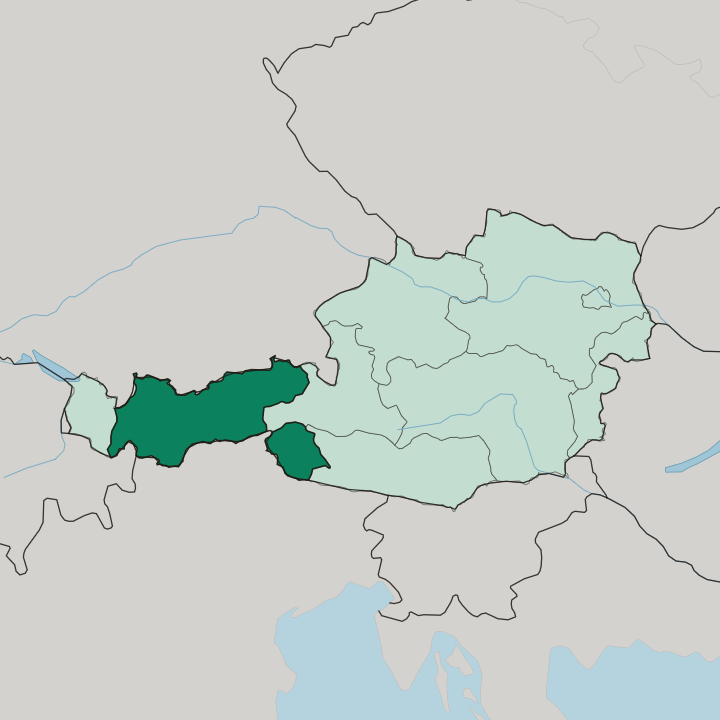
Tirol is Austria's alpine state, split into North and East Tirol, with Innsbruck seated on the Inn.
Hotel links are affiliate links: booking through them may earn us a commission, at no extra cost to you. It never affects how places are ranked. How this works


Towns & cities in Tirol
One town here has its own guide — it links to where to stay.

 Austria
Innsbruck
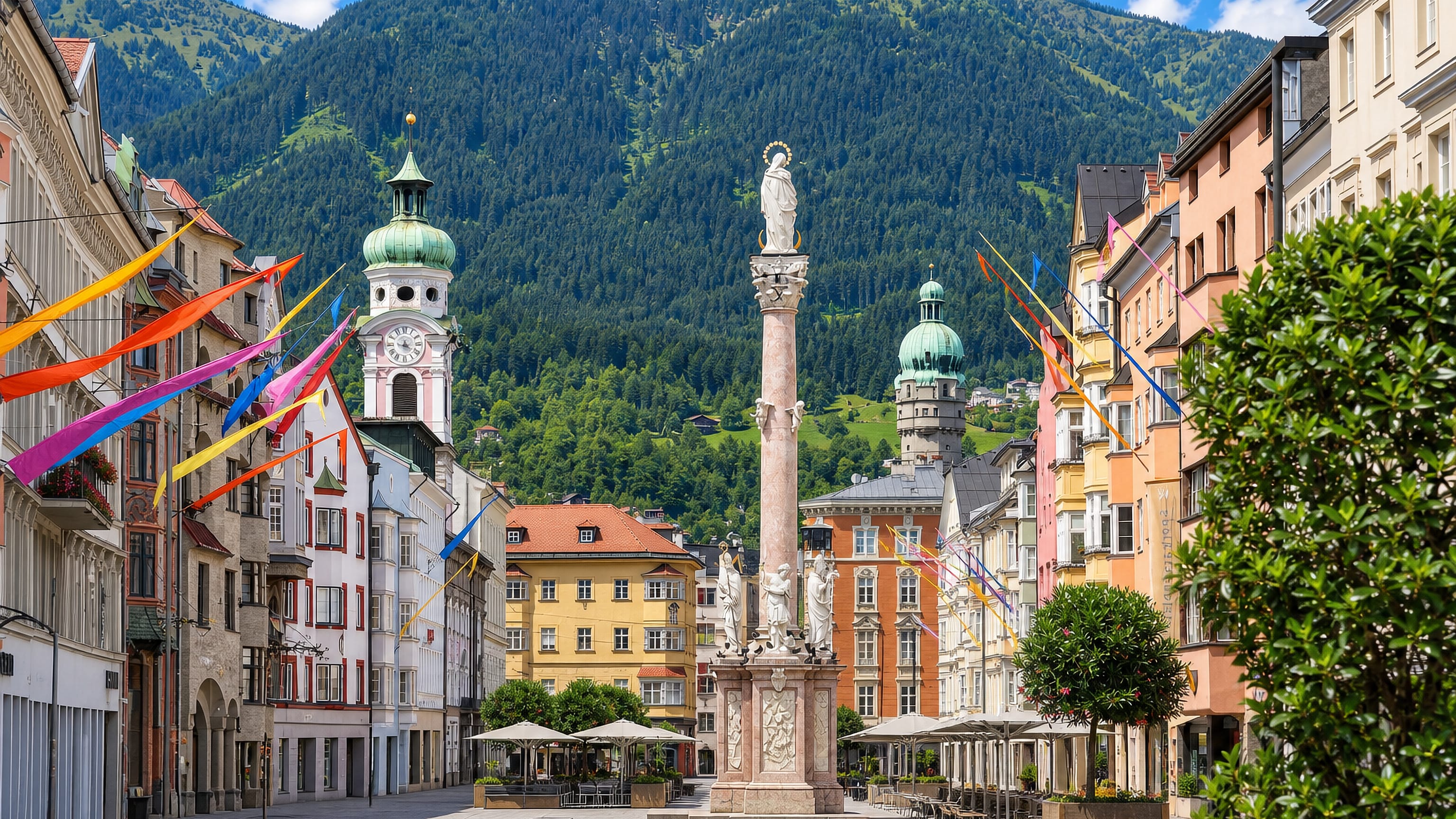
The Nordkette stands straight above the roofs of Innsbruck, capital of Tyrol on the Inn, known for the Golden Roof and two Winter Olympics.Where to stay →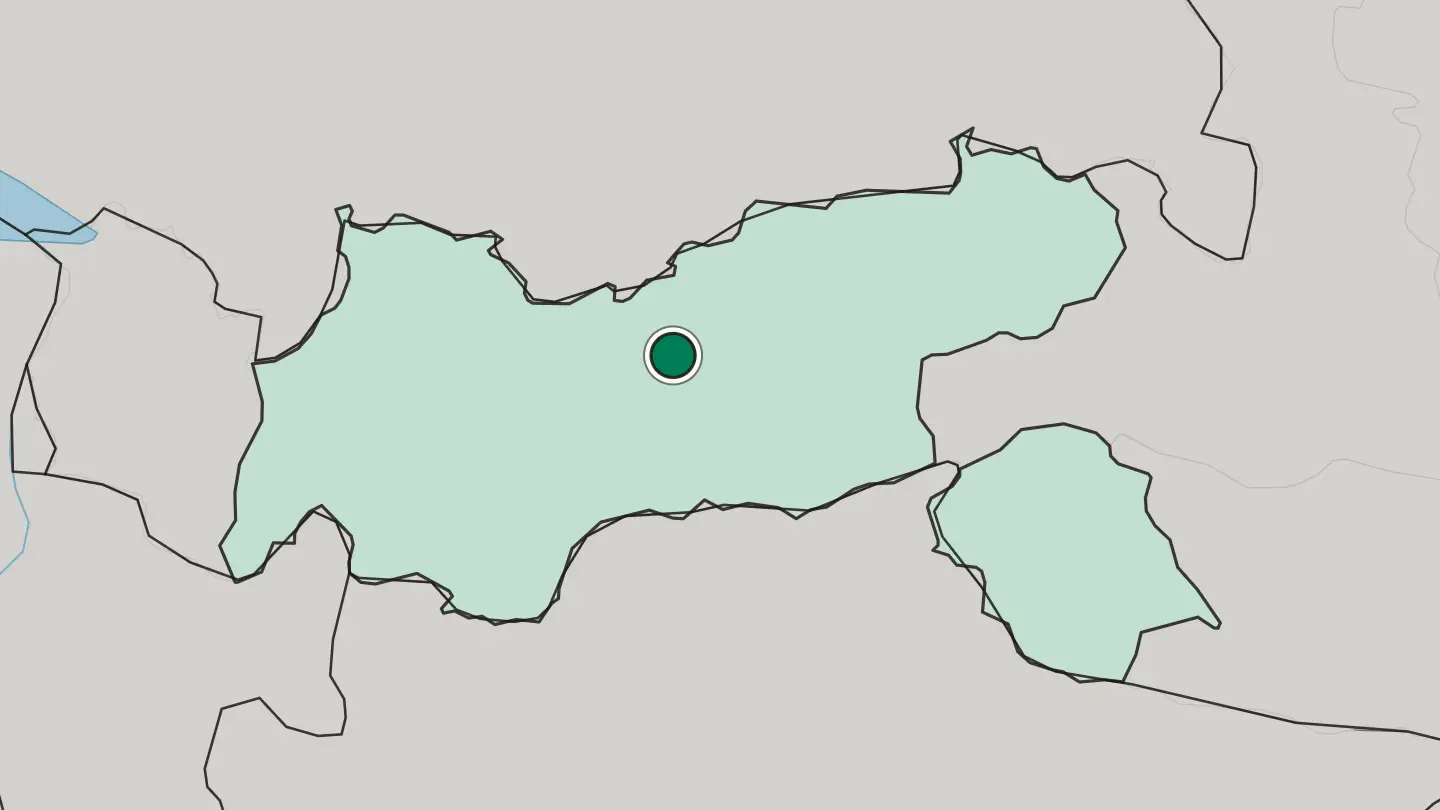
Hotel links are affiliate links: booking through them may earn us a commission, at no extra cost to you. It never affects how places are ranked. How this works
About Tirol
Tirol is the ski state.
What is Tirol known for?
Its name carries the whole idea of alpine Austria, and the mountains do the selling: some eighty resorts across the state, from St. Anton in the west to Kitzbühel and its Hahnenkamm downhill in the east. Innsbruck sits at the middle of it all, the state capital on the Inn and the one large city where you can sightsee in the morning and ski above the rooftops by afternoon. Glaciers at Sölden and Hintertux stretch the season past the usual months.
Beyond the pistes, the deep valleys and the Brenner Pass road south have carried traffic between Germany and Italy for centuries.
Where is Tirol?
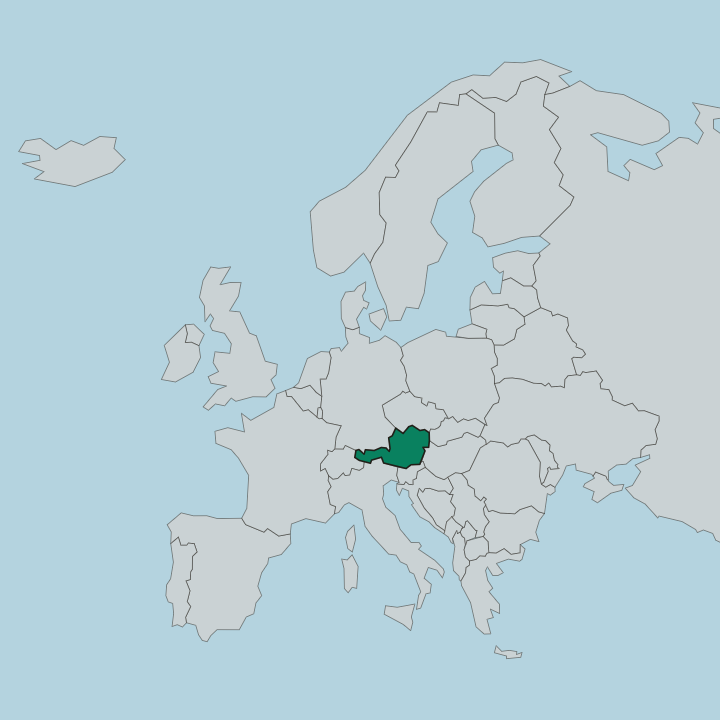
Tirol fills the western reach of Austria, deep in the Alps. It comes in two pieces. North Tirol is the large part, holding Innsbruck and the Inn valley, while East Tirol is a separate exclave around Lienz, cut off from the rest of the state by a strip of Salzburg and by Italian South Tyrol between them.
The Italian border runs along the crest to the south, and the old crossing there is the Brenner Pass, the lowest of the major Alpine passes and the shortest way over the range between Germany and Italy. Mountains define every part of it. The Inn cuts across North Tirol from the south-west to the north-east, and Innsbruck stands where the valley meets the road up to the Brenner.
High ranges wall the valley on both sides, the Ötztal Alps among them, their glaciers feeding the streams below. Away east in the exclave, East Tirol drains the other way, down the Drava toward Carinthia, and the Grossglockner rises on its edge, the highest mountain in the whole of Austria. Little of Tirol is flat.
The land is a set of valleys threaded between summits, and where a valley widens the towns sit.
What is Tirol like?
Tirol wears its alpine tradition openly, and the mountain year sets the rhythm of it. German is the everyday language, in the Tirolean dialect that marks the valleys. The old customs still run to the calendar: the Almabtrieb brings the cattle down from the high summer pastures in autumn, decorated for the walk, and the Krampus figures come out in the cold weeks before Christmas to stalk the village streets.
Painted house-fronts belong to the look. The mural style called Lüftlmalerei covers old façades across the towns, scenes and saints worked straight onto the plaster. Innsbruck holds the grander side of the heritage.
The Habsburgs made it a seat of their court, and the Golden Roof and the imperial buildings in the old town date from that time. Yet the culture is not only a museum piece. A ski state lives by its mountains, and much of Tirolean life still happens outdoors: the huts on the high pastures, the guides and the racing, the seasonal turn from summer walking to winter snow.
Tradition and the tourist trade lean on each other here. The same valleys that keep the old customs fill each winter with skiers, and the two have grown together rather than apart.
What is the history of Tirol?
The County of Tirol formed in the 12th century and stood for centuries within the Holy Roman Empire, later a crown land of Austria-Hungary. It was one land then, reaching well south of the Alps. That ended after the First World War.
The Treaty of Saint-Germain in 1919 handed South Tyrol and Trentino to Italy, drawing the border along the crest above the Brenner and leaving only North and East Tirol inside the new Austrian republic. The split still shapes the map: the two Austrian halves sit apart, divided by the ground given away, and a German-speaking South Tyrol remains on the Italian side.
What is the climate of Tirol?
Height rules the weather in Tirol. The state sits where Atlantic, continental and Mediterranean airstreams meet, but altitude decides what any given valley gets. Westerly winds pile the heaviest rain and snow against the northern rim of the Alps, so the outer ranges stay wet and white while the sheltered inner valleys around the Inn run milder and drier.
Winters are long and cold up high, which is the whole basis of the ski trade, and the glaciers at Sölden and Hintertux keep snow when the lower slopes have none. Summers turn green in the valleys and stay cool on the peaks.
How do you get to Tirol?
Innsbruck is the way in. Its airport handles the winter charter traffic, and for many skiers Munich, just over the German border to the north, is the larger gateway with a road and rail run down to the valleys. Trains reach Innsbruck from across Austria and from Germany, and the line climbs on over the Brenner Pass toward Italy, the same route the pass has carried since Roman times.
From the capital, road and rail thread up the side valleys to the resorts. East Tirol lies apart, reached through Salzburg or over the passes from Carinthia.
Common questions
What is the best area to stay in Tirol?
Innsbruck: a first visit to Tirol with mountains at the door. The western resort valleys: serious skiing and a long glacier season. Kitzbühel: old-town flair beside the racecourse. East Tirol: the state's most secluded valleys.
Good for
More regions in Austria
Updated September 2026