Australia · State of Tasmania
Where to Stay in Hobart, State of Tasmania
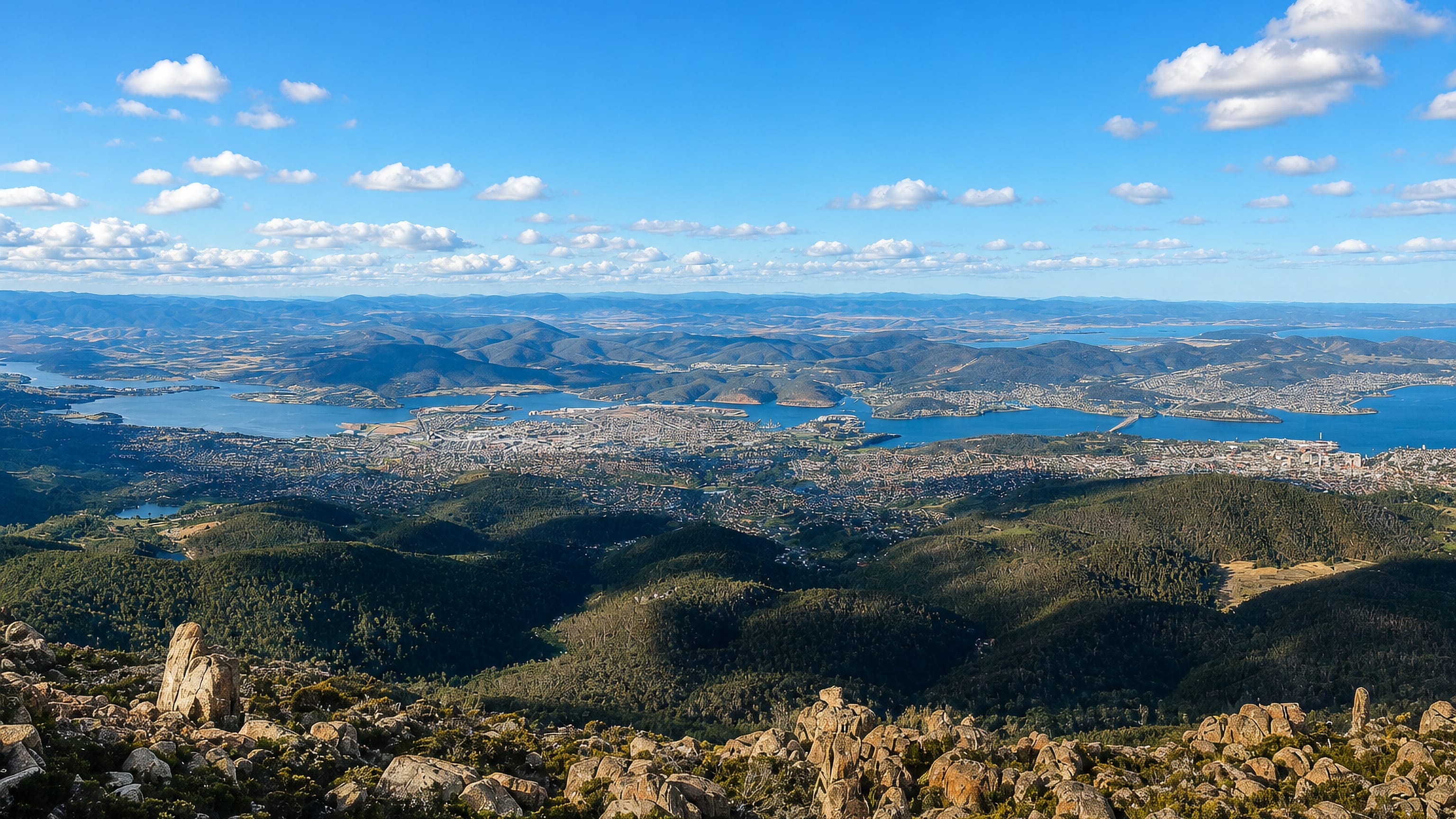
Cool water moves down the River Derwent through Hobart, the capital of Tasmania, Australia, known for Salamanca Place beneath kunanyi / Mount Wellington.
Hotel links are affiliate links: booking through them may earn us a commission, at no extra cost to you. It never affects how places are ranked. How this works


Where to stay in Hobart
The right area depends on your trip — here's what each neighbourhood is best for.

 HobartAustralia
Sandy Bay
Sandy Bay is a Hobart suburb on the River Derwent, running south from the city centre past Short Beach, Nutgrove Beach and Long Beach.Where to stay → HobartAustralia
New Town
New Town is Hobart's oldest suburb, settled a week after Sullivans Cove, its streets lined with Federation style cottages and grand residences.Where to stay →Hotel links are affiliate links: booking through them may earn us a commission, at no extra cost to you. It never affects how places are ranked. How this works
Find hotels in Hobart
Direct booking searches for these neighbourhoods.
Salamanca waterfront
Salamanca Place sets sandstone warehouses steps from the deep natural port, with the Tasmanian Museum and Art Gallery and Maritime Museum of Tasmania an easy walk along the River Derwent.Find hotels in Salamanca waterfrontQuieter residential streets below kunanyi / Mount Wellington near the local ovalsSouth and North Hobart
The streets of South Hobart and North Hobart gather St Francis Xavier's Church of South Hobart, Holy Trinity Church, North Hobart and the North Hobart Oval below kunanyi / Mount Wellington.Find hotels in South and North HobartHotel links are affiliate links: booking through them may earn us a commission, at no extra cost to you. It never affects how places are ranked. How this works
Things to do in Hobart
Ranked by global recognition; descriptions from Wikidata (CC0).
Museums & Galleries
3- Tasmanian Museum and Art Gallery Heritage
- Military Museum of Tasmania
- Allport Library and Museum of Fine Arts
Churches & Religious Sites
3- St Mary's Cathedral, Hobart
- Holy Trinity Church, North Hobart
- Saint Peter's Lutheran Church Hobart
Stadiums & Sports
3- North Hobart Oval
- Queenborough Oval
- Tasmanian Hockey Centre
Landmarks & Notable Places
1- Roxburgh House Heritage
worth knowingacross 4 categories in Hobart
About Hobart
What is Hobart known for?
Hobart is the capital of Tasmania and Australia's second oldest city, set along the River Derwent in the island's south-east. Its skyline answers to the mountain. The peak of kunanyi / Mount Wellington rises over the harbour, while the historic sandstone of Salamanca Place lines the waterfront and the Tasmanian Museum and Art Gallery holds the record of the state, giving Hobart a compact centre shaped by stone, water and the deep natural port below the city.
What are the main landmarks in Hobart?
Hobart sets its landmarks between the harbour and the slopes below kunanyi / Mount Wellington. Salamanca Place lines the waterfront. The Tasmanian Museum and Art Gallery and the Maritime Museum of Tasmania stand near the port, the Military Museum of Tasmania and the Allport Library and Museum of Fine Arts hold further collections, and St Mary's Cathedral, the Narryna Heritage Museum and Roxburgh House mark the older streets of the Tasmanian capital along the River Derwent.
What is the history of Hobart?
Hobart was founded in 1803 on the estuary of the River Derwent and began as a penal colony, growing into Australia's second oldest city after Sydney. Its start was hard. The convict settlement of Hobart Town took root on the harbour below kunanyi / Mount Wellington, and the sandstone warehouses that still line Salamanca Place grew from those early decades of trade and confinement in Tasmania.
The port drew whalers and traders through the nineteenth century, and Hobart later became a departure point for expeditions of the heroic age of Antarctic exploration, its deep harbour serving ships bound for the far south. St Mary's Cathedral and the collections now held in the Tasmanian Museum and Art Gallery mark the civic maturing of the town. The 1803 founding and the mountain above the River Derwent still frame how the city sits between water and slope.
Where is Hobart?
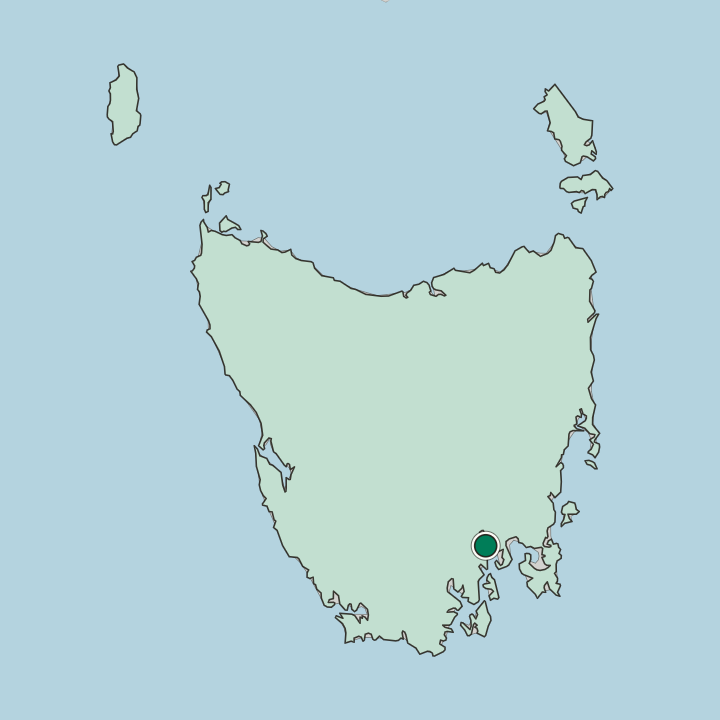
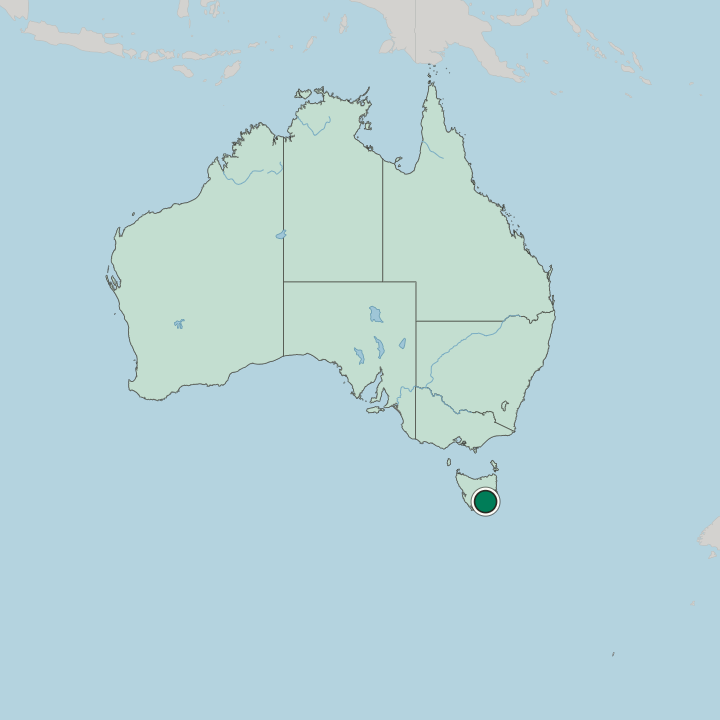
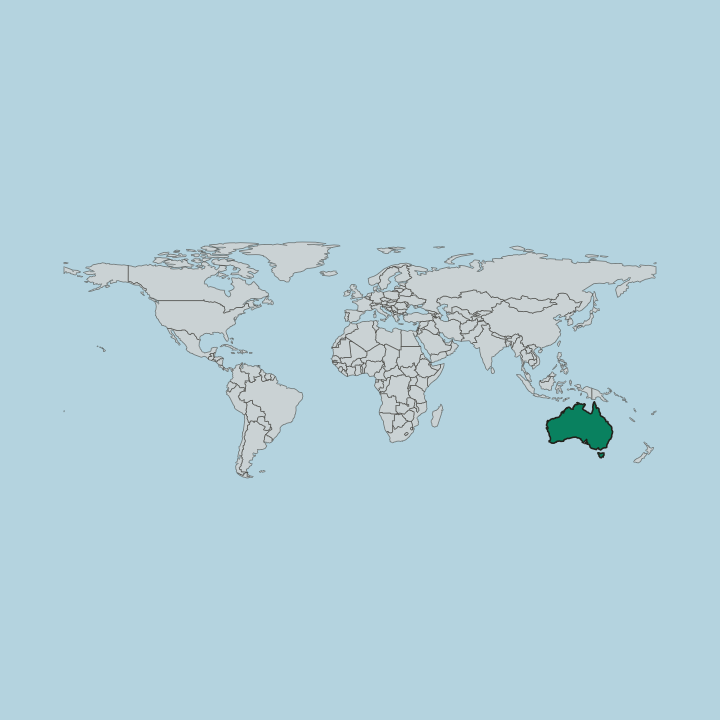
Hobart sits in Tasmania's south-east on the estuary of the River Derwent, where the water opens toward the sea. A mountain frames the west. The peak of kunanyi / Mount Wellington rises steeply behind the city, and the harbour below forms one of the deepest natural ports in the world, with much of the waterfront built on reclaimed land.
This southernmost capital in Australia holds a cool, sheltered position within the temperate Southern Hemisphere.
What is the climate of Hobart?
Hobart has a mild maritime climate, cool and temperate on the estuary of the River Derwent in Tasmania's south-east. The seasons stay moderate. Winters are cool and damp beneath kunanyi / Mount Wellington, whose height can hold snow, while summers stay mild and comparatively dry along the harbour.
The Southern Hemisphere calendar sets the warmest months over the summer, when the water of the River Derwent moderates the air across the city.
How do you get to Hobart?
Hobart lies in Tasmania's south-east on the estuary of the River Derwent, reached by air and by ferry across the water separating the island from mainland Australia. Its deep harbour still takes shipping. Roads run out from the city along the Derwent valley, and once you arrive the waterfront landmarks around Salamanca Place and the Tasmanian Museum and Art Gallery sit within an easy walk of one another below kunanyi / Mount Wellington.
Common questions
What is the best area to stay in Hobart?
Salamanca waterfront: First stays beside the sandstone warehouses of Salamanca Place and the deep harbour. South and North Hobart: Quieter residential streets below kunanyi / Mount Wellington near the local ovals.
Good for
Another city in State of Tasmania
Updated September 2026