Australia
State of Tasmania, Australia — Towns & Travel Guide
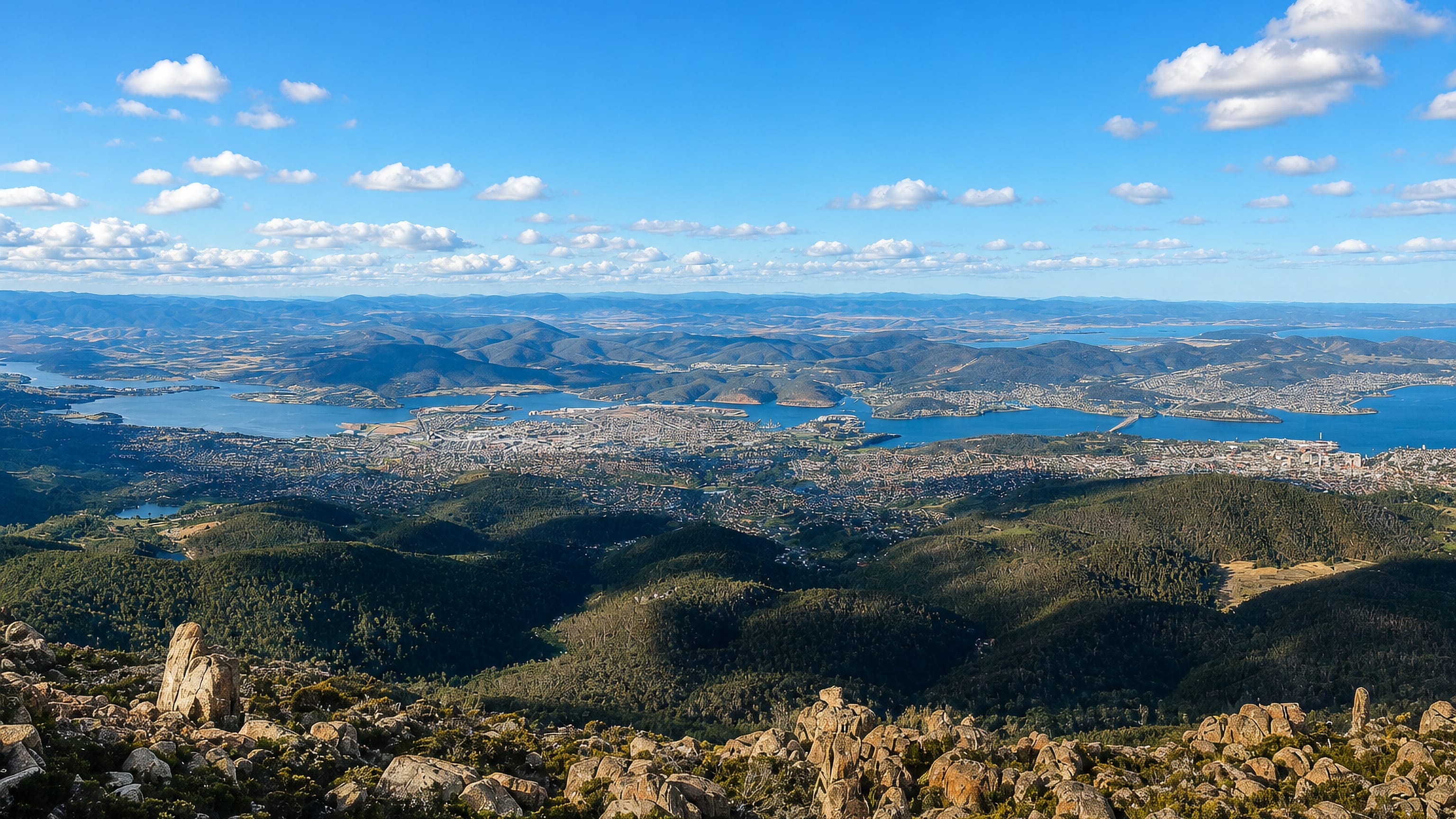
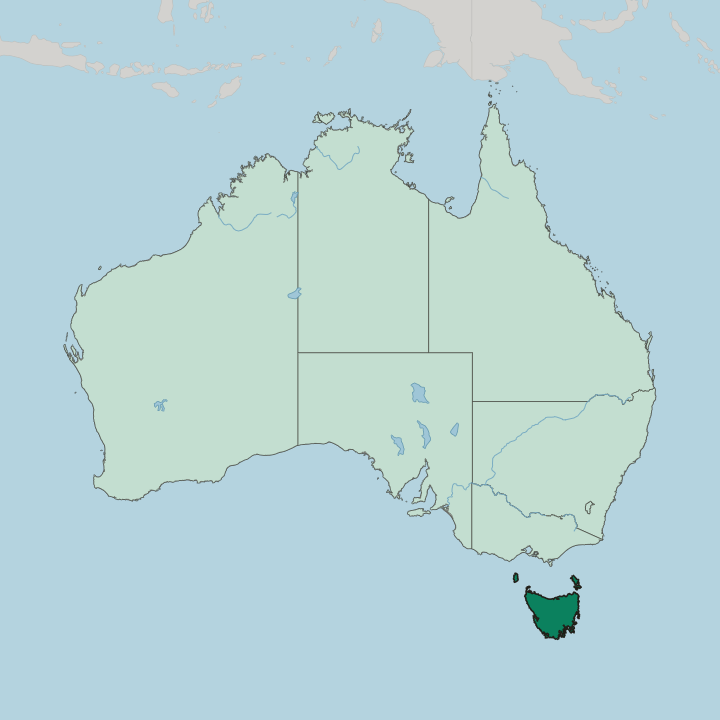
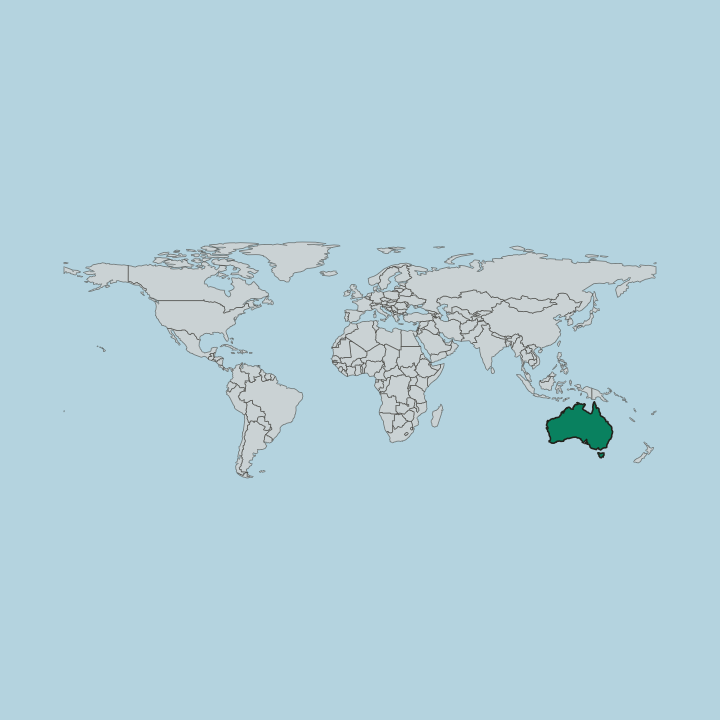
Tasmania is Australia's island state, set across Bass Strait south of the mainland, with Hobart on the Derwent as its capital.
Hotel links are affiliate links: booking through them may earn us a commission, at no extra cost to you. It never affects how places are ranked. How this works


Towns & cities in State of Tasmania
Pick a town or city — each links to where to stay.
 Australia
Hobart
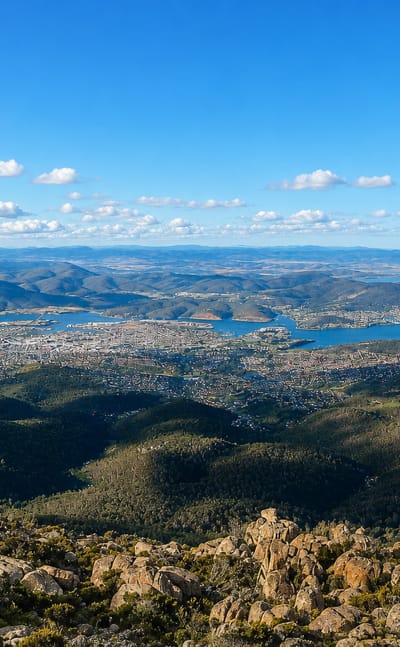
Cool water moves down the River Derwent through Hobart, the capital of Tasmania, Australia, known for Salamanca Place beneath kunanyi / Mount Wellington.Where to stay →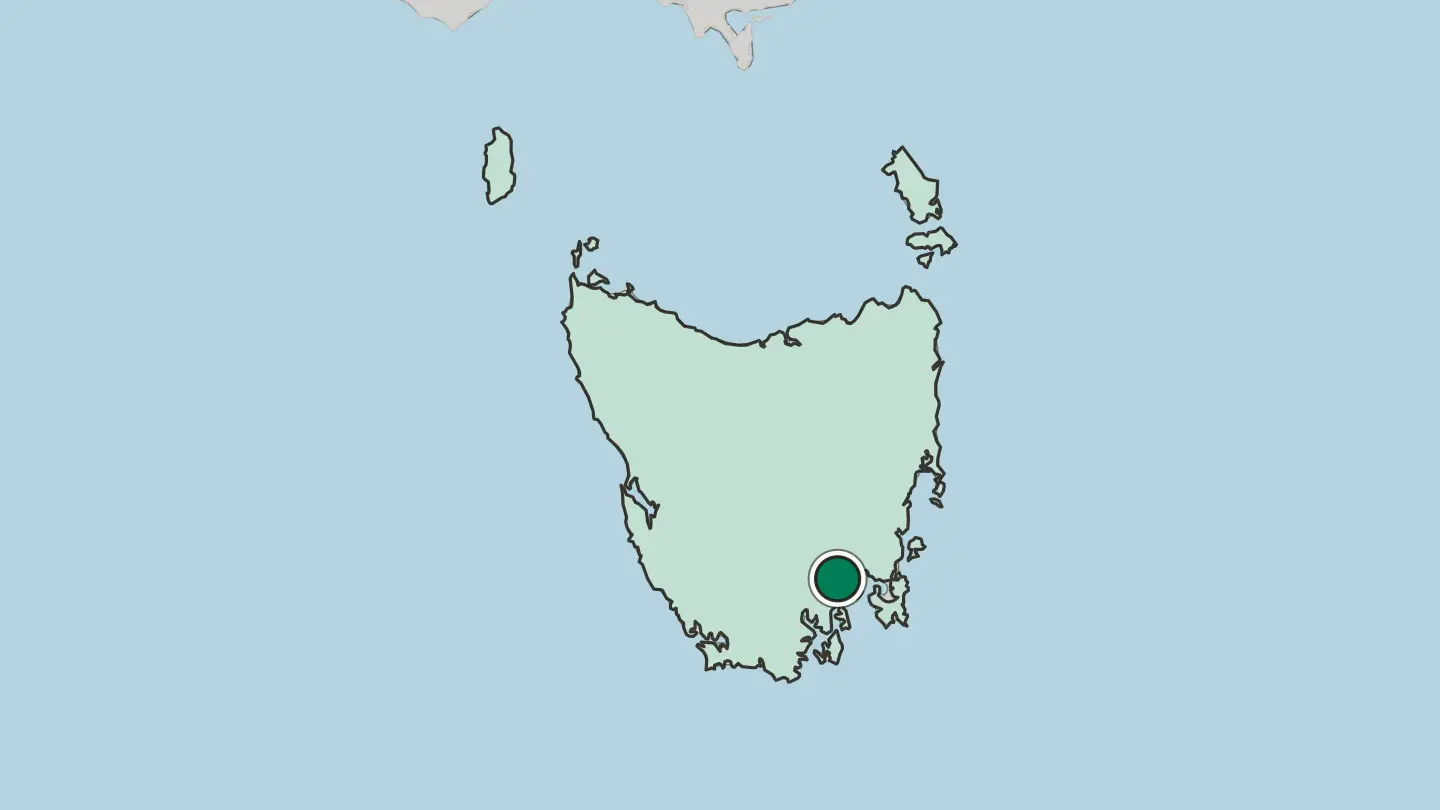
 Australia
Launceston
Launceston is Tasmania's second city, standing inland where the North Esk and South Esk join and continue as the River Tamar.Where to stay →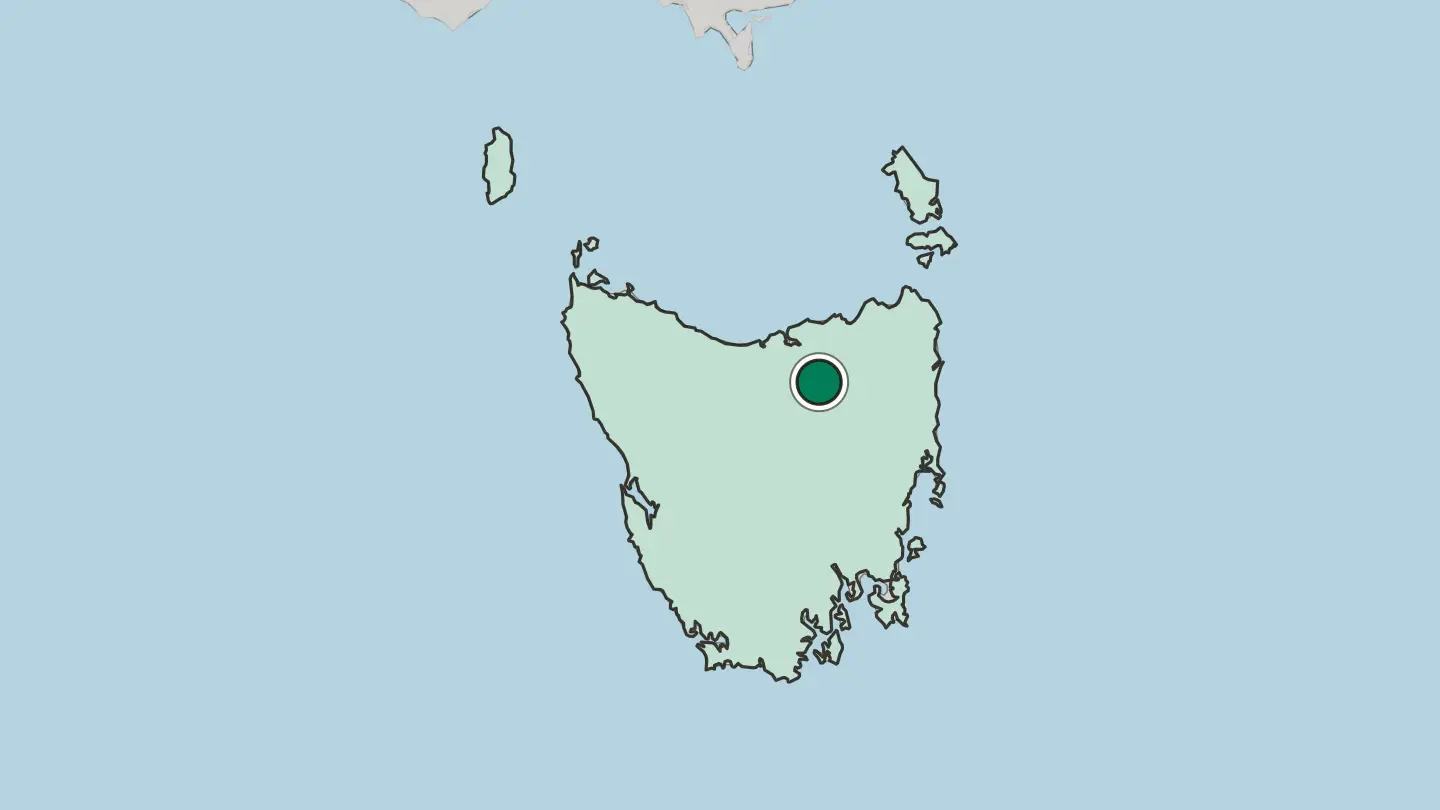
Hotel links are affiliate links: booking through them may earn us a commission, at no extra cost to you. It never affects how places are ranked. How this works
About State of Tasmania
Wilderness is the headline.
What is State of Tasmania known for?
Nearly a fifth of Tasmania sits inside the Tasmanian Wilderness World Heritage Area, some of the last cool temperate rainforest left on the continent. Cradle Mountain rises above the Central Highlands as the state's signature peak, and the pink granite of Freycinet National Park frames the arc of Wineglass Bay on the east coast. Hobart anchors the south, its old sandstone warehouses at Salamanca now given over to markets and galleries.
The convict past is written into the ruins at Port Arthur.
Where is State of Tasmania?
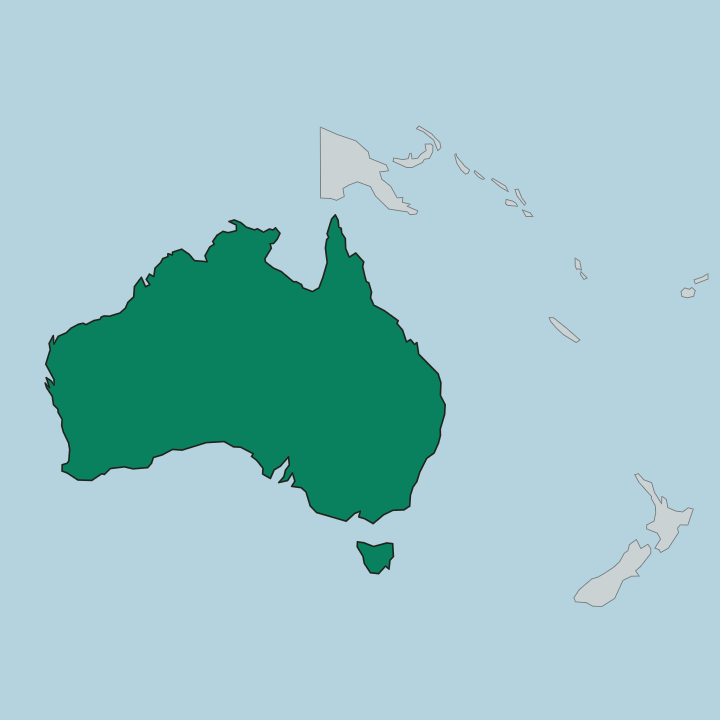
Tasmania lies off the south-east corner of Australia, a single large island with a thousand smaller ones scattered around it. Bass Strait divides it from the mainland. That shallow channel is around 240 kilometres wide, flooded by rising seas at the close of the last ice age, and it cut the island off from Victoria to the north.
The land itself is the 26th-largest island in the world. The interior climbs into the glaciated Central Highlands, a lake-studded plateau that gives Tasmania its shape. Mount Ossa stands as the highest point, and Cradle Mountain rises nearby above the rainforest of the west.
Rivers run off that high ground to every coast. The Derwent gathers in the highlands and flows south past Hobart into Storm Bay, while in the north the North Esk and South Esk meet at Launceston to become the Tamar, which drains out to Bass Strait. The west takes the full force of the Roaring Forties and stays wet and wild; the east coast, in the lee of the highlands, runs drier and calmer past Freycinet National Park.
Sea is never far in any direction.
What is State of Tasmania like?
Isolation shaped the culture as much as the land did. Cut off across Bass Strait, Tasmania keeps a slower, more self-contained temper than the mainland, and much of its life orbits Hobart in the south. The city carries a strong food and arts streak, from the Saturday stalls at Salamanca Place to the private galleries that have drawn a new kind of visitor to the Derwent.
The island's cool, wet ground grows things the rest of Australia cannot. Vineyards line the Tamar valley north of Launceston, and orchards, oyster leases and whisky distilleries have all taken root in the maritime climate. English is the common language, as across Australia.
Older than any of it is the story of the palawa, the Aboriginal Tasmanians who lived here for tens of thousands of years before the island was severed from the mainland, and whose descendants remain part of the island's identity. Convict-built sandstone still fronts the streets of Hobart and the ruins at Port Arthur. The past stays close here.
What is the history of State of Tasmania?
The palawa reached the island on foot, then Bass Strait flooded and left them isolated for thousands of years. Abel Tasman charted the coast in 1642. The Dutch called it Van Diemen's Land, and Britain built a military outpost at Risdon Cove on the Derwent in 1803 before founding Hobart the next year, running the place as a penal colony to which tens of thousands of convicts were shipped.
Van Diemen's Land was split off as a colony in its own right in 1825. Colonial expansion drove the Black War against the Aboriginal Tasmanians. The colony took the name Tasmania in 1856 to shed its convict past.
What is the climate of State of Tasmania?
Tasmania has a cool, temperate maritime climate, the mildest and wettest in Australia. The surrounding sea keeps the swings small, with temperatures in the low teens in winter and the low twenties in summer. Rain is the great divider.
The south-west, standing full in the path of the Roaring Forties, is the wettest country on the continent and feeds the rainforest below Cradle Mountain, while the east coast in the lee of the Central Highlands stays markedly drier. Snow settles on the high plateau through winter.
How do you get to State of Tasmania?
Most visitors fly in over Bass Strait, landing at Hobart in the south or Launceston in the north from the mainland cities. There is no bridge. The other way across is the vehicle ferry between Melbourne and Devonport on the north coast, an overnight crossing of the strait.
Once ashore, the island is small enough to drive, with sealed roads linking Hobart, Launceston, Cradle Mountain and the east coast beaches within a few hours of each other.
Common questions
What is the best area to stay in State of Tasmania?
Hobart: a first base beside the Derwent estuary. Launceston: the north and the Tamar wine valley. Cradle Mountain: walkers heading into the Central Highlands. The east coast: beaches around Freycinet.
Good for
More regions in Australia
Updated September 2026