Australia · State of Victoria
Where to Stay in Ballarat, State of Victoria
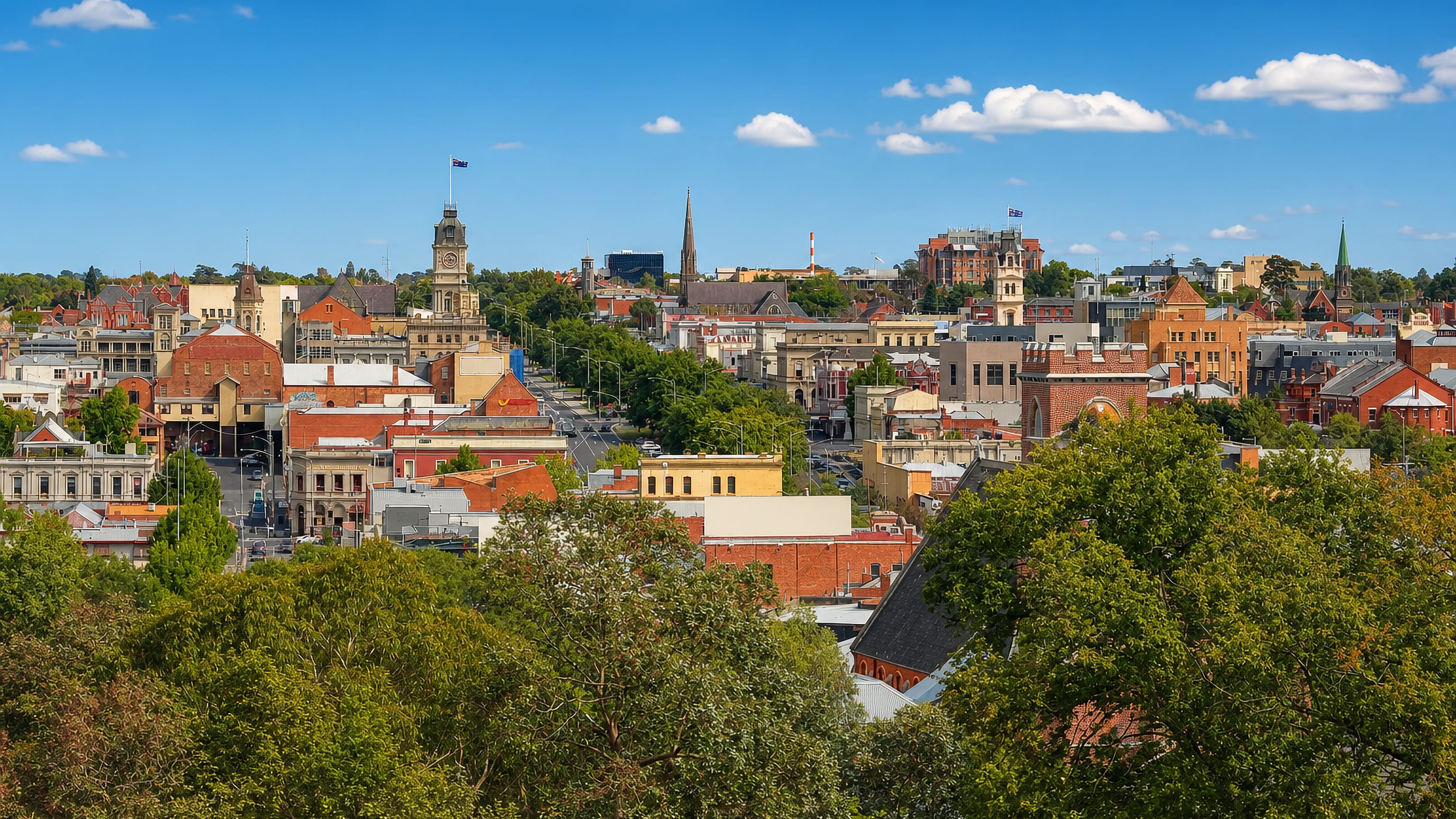
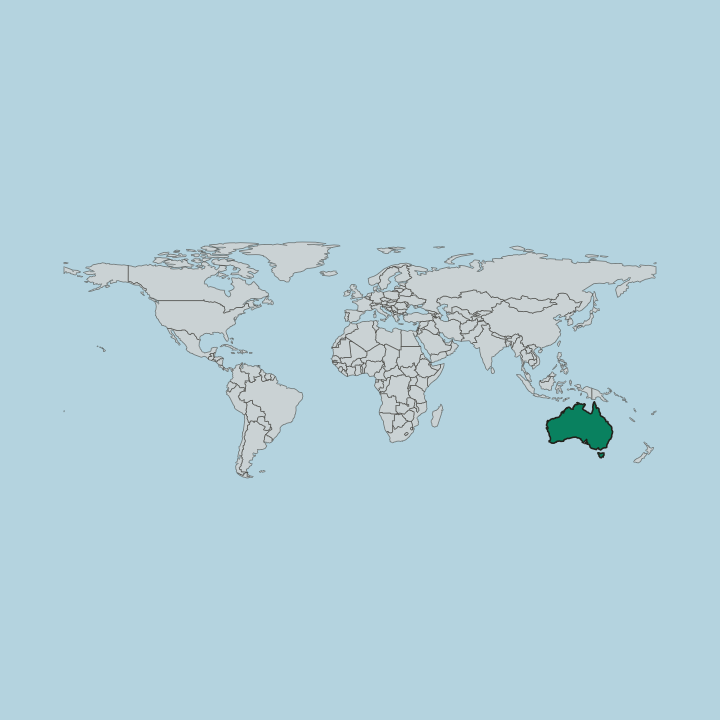
Ballarat is a grand gold-rush city in the western highlands of Victoria, Australia, born of the great strikes of the 1850s.
Hotel links are affiliate links: booking through them may earn us a commission, at no extra cost to you. It never affects how places are ranked. How this works


Where to stay in Ballarat
Where you base yourself shapes the visit — here's the character of each area.

 BallaratAustralia
Ballarat Central
Ballarat Central is the central locality of Greater Ballarat in Victoria, holding the City of Ballarat's headquarters and St Patrick's Cathedral.Where to stay →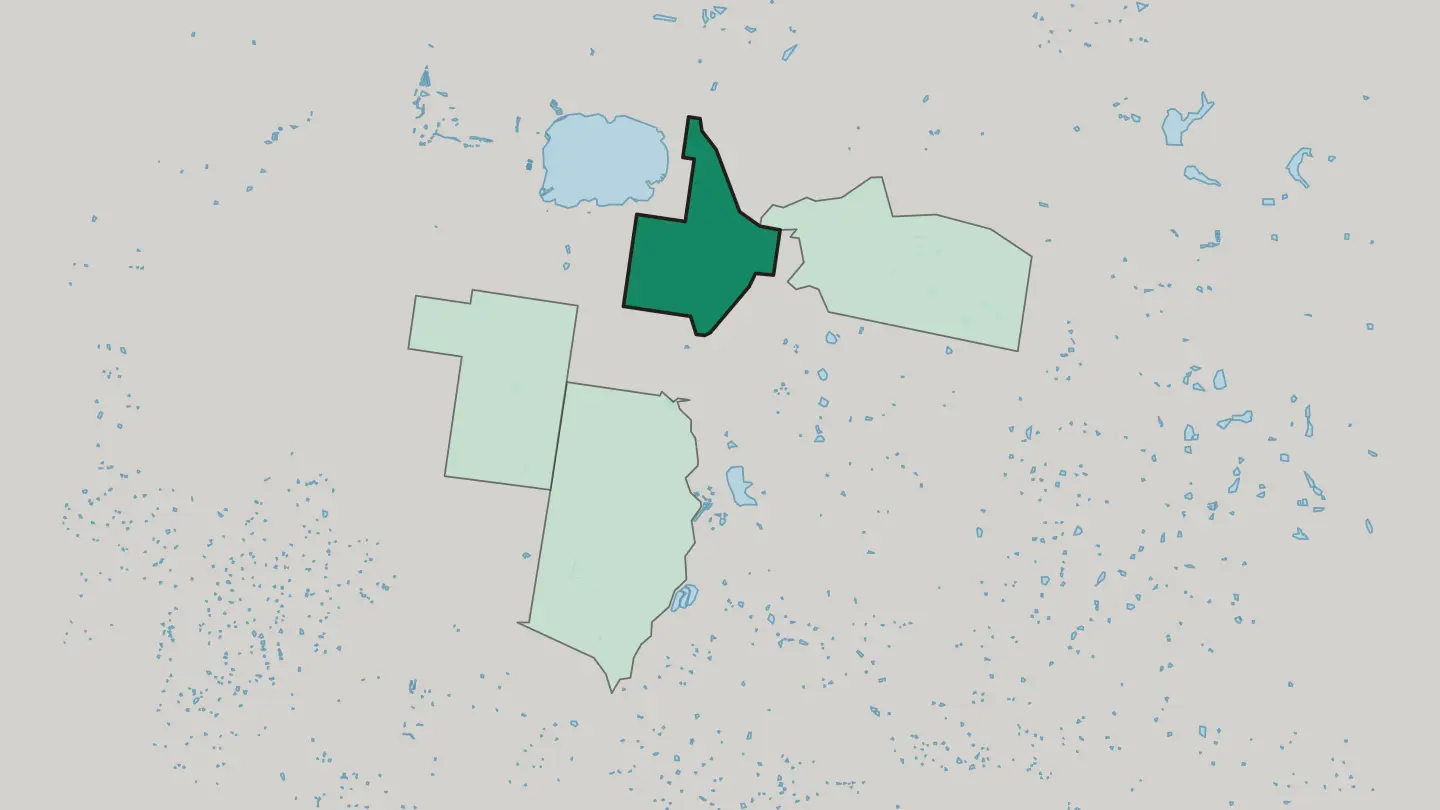
 BallaratAustralia
Ballarat East
Ballarat East is the oldest urban part of Ballarat in Victoria, the goldmine side of the city and the ground of the Eureka Rebellion.Where to stay →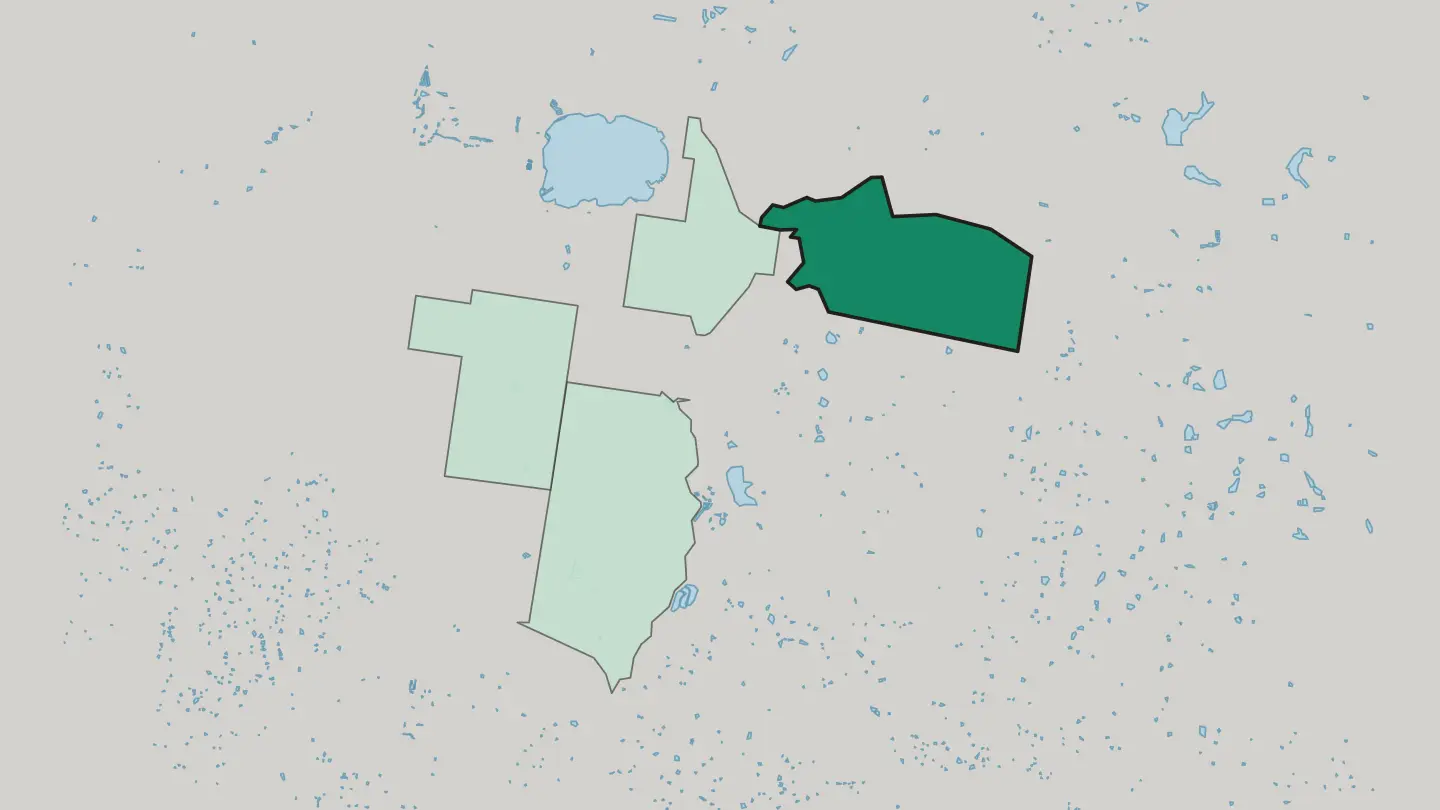
 BallaratAustralia
Sebastopol
The Ballarat Regional Soccer Facility stands in Sebastopol, a southern suburb on the rural-urban fringe of Ballarat, Victoria.Where to stay →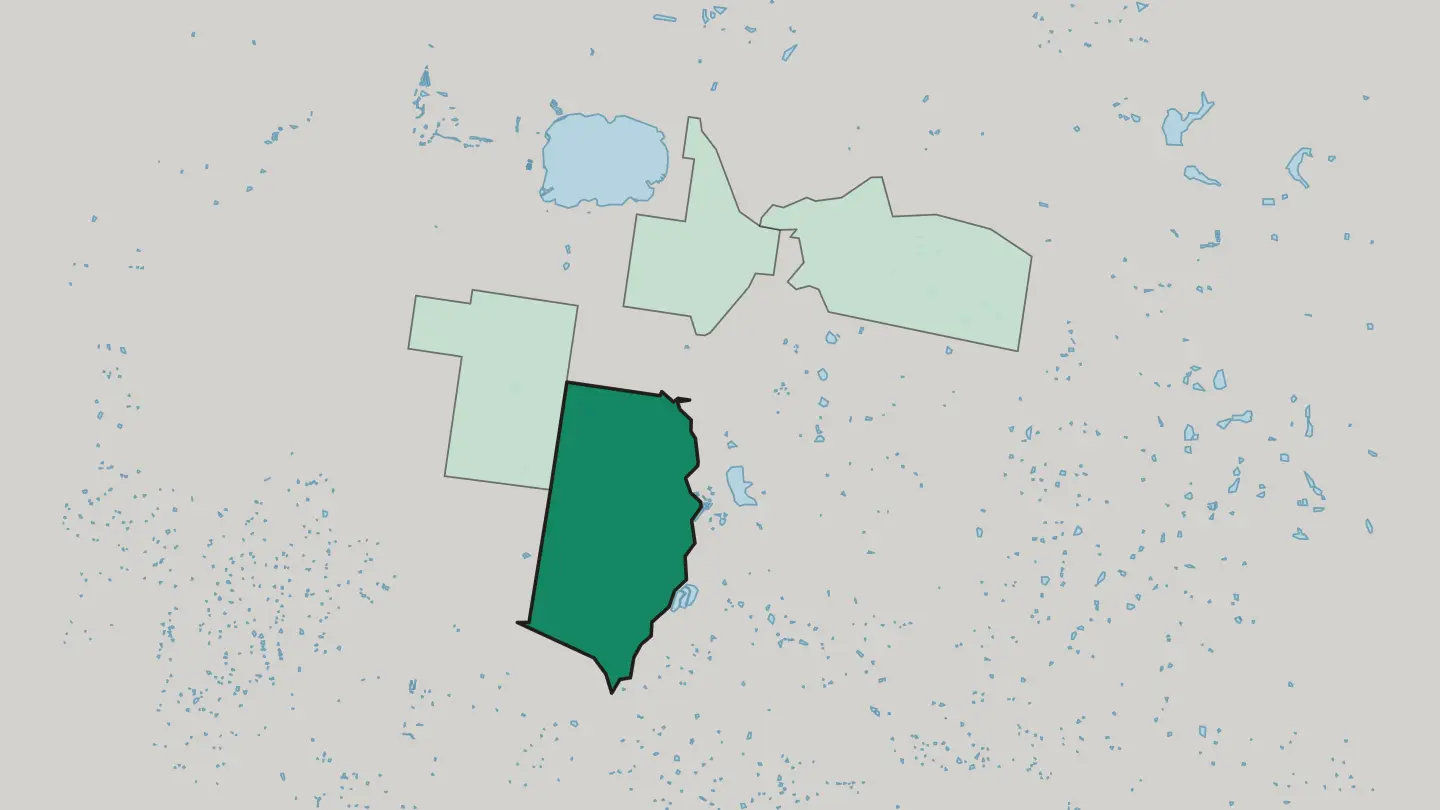 BallaratAustralia
Delacombe
Delacombe is an industrial and residential suburb on the south west rural-urban fringe of Ballarat, Victoria, and one of the larger suburbs of that city.Where to stay →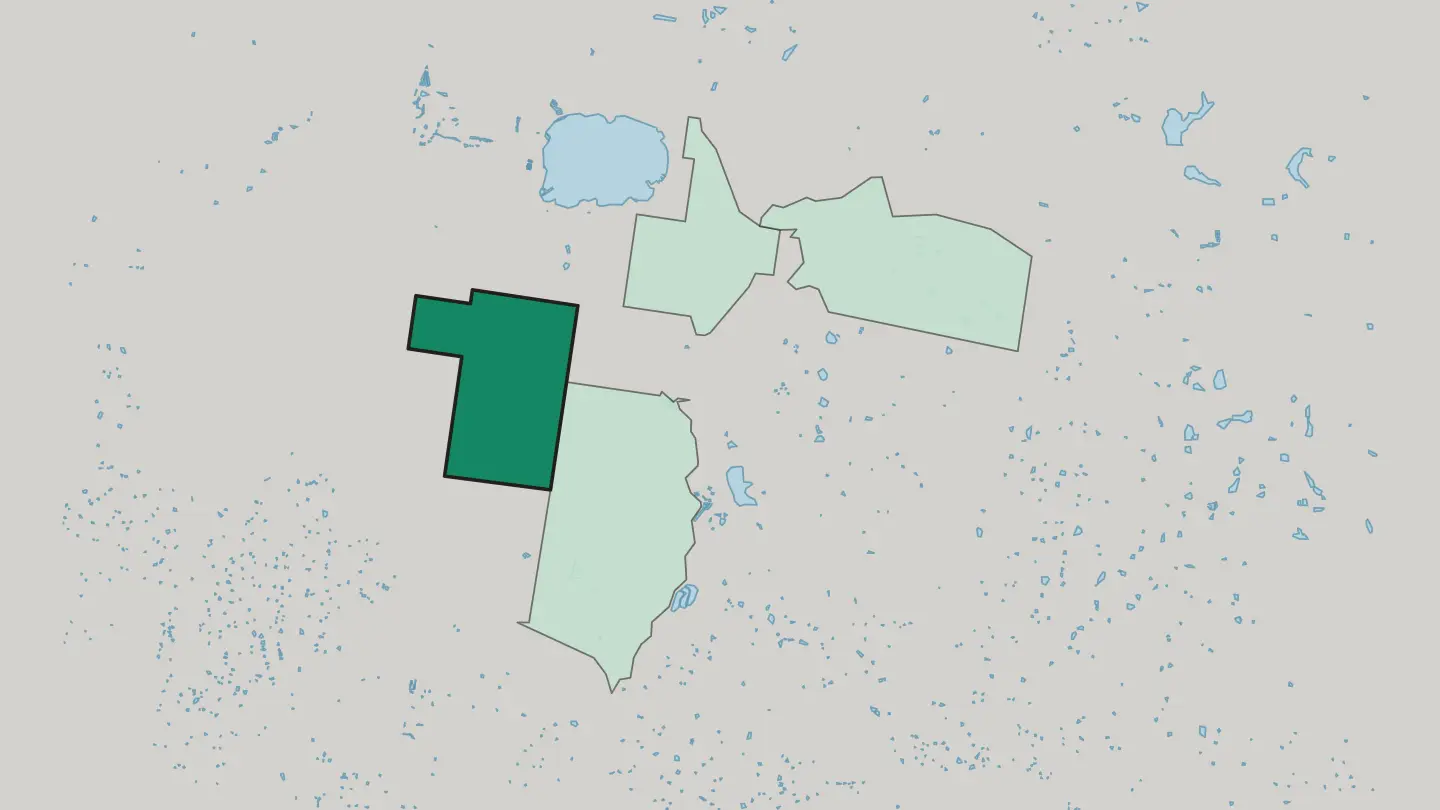
Hotel links are affiliate links: booking through them may earn us a commission, at no extra cost to you. It never affects how places are ranked. How this works
Find hotels in Ballarat
Direct booking searches for these neighbourhoods.
The old centre
Around Sturt Street and the gardens, within a walk of the Art Gallery of BallaratFind hotels in The old centreStays wanting the gold-rush township and the lakeSovereign Hill
Out west near Sovereign Hill and Lake Wendouree, with the diggings and gardensFind hotels in Sovereign HillHotel links are affiliate links: booking through them may earn us a commission, at no extra cost to you. It never affects how places are ranked. How this works
Things to do in Ballarat
Ranked by global recognition; descriptions from Wikidata (CC0).
Museums & Galleries
3- Art Gallery of Ballarat Heritage
- Post Office Gallery Heritage
- Huyghue House Heritage
Churches & Religious Sites
5- St Patrick's Cathedral Heritage
- St Andrew's Uniting church Heritage
- Baptist church Heritage
- Saint Paul's Anglican church, Bakery Hill Heritage
- Wesleyan Church Heritage
Castles & Historic Sites
1- Prime Ministers Avenue
Stadiums & Sports
1- Ballarat Regional Soccer Facility
Parks & Gardens
1- Sturt Street Gardens
worth knowingacross 5 categories in Ballarat
About Ballarat
Ballarat is the great gold city of Victoria.
What is Ballarat known for?
The gold rushes of the eighteen-fifties made it a boomtown that for a time rivalled Melbourne in wealth, leaving grand streets of Victorian stone, and a re-created diggings town brings the gold days back to life, while a stockade here became a byword for Australian democracy. Broad boulevards run through the centre. Gold and grandeur mark the city.
What are the main landmarks in Ballarat?
Sovereign Hill brings the gold rush back to Ballarat. A whole diggings town of the eighteen-fifties has been re-created on the old fields, the great draw of the city, above the creeks. Grand halls fill the centre.
The Art Gallery of Ballarat keeps the tattered Eureka Flag, while Saint Patrick's Cathedral and the boulevard of Sturt Street mark the Victorian town.
What is the history of Ballarat?
Ballarat exploded into life with the gold rush. In 1851 miners struck rich gold in the creeks of the highlands, and tens of thousands poured in from around the world, turning a sheep run into a goldfield famed abroad for its riches almost overnight. The diggers rose in revolt.
In 1854 the miners built a stockade at Eureka and fought a bloody battle with the soldiers over unfair licence fees, and though they lost, their stand won new rights and became a legend of Australian freedom. Gold built a grand city. The wealth of the fields raised broad boulevards, fine banks, theatres, and gardens, and Ballarat grew into a proud Victorian city of stone.
In time the gold ran out. The mines closed, but the city kept its grand streets and turned to remembering the rush, building a whole re-created diggings town for visitors. The old buildings still line the streets.
Ballarat guards its golden past on the highland plain.
Where is Ballarat?
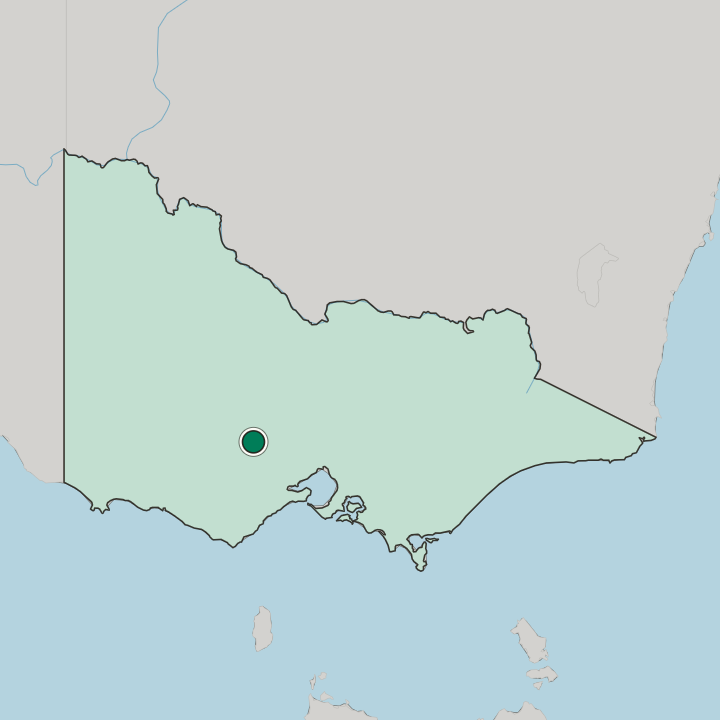
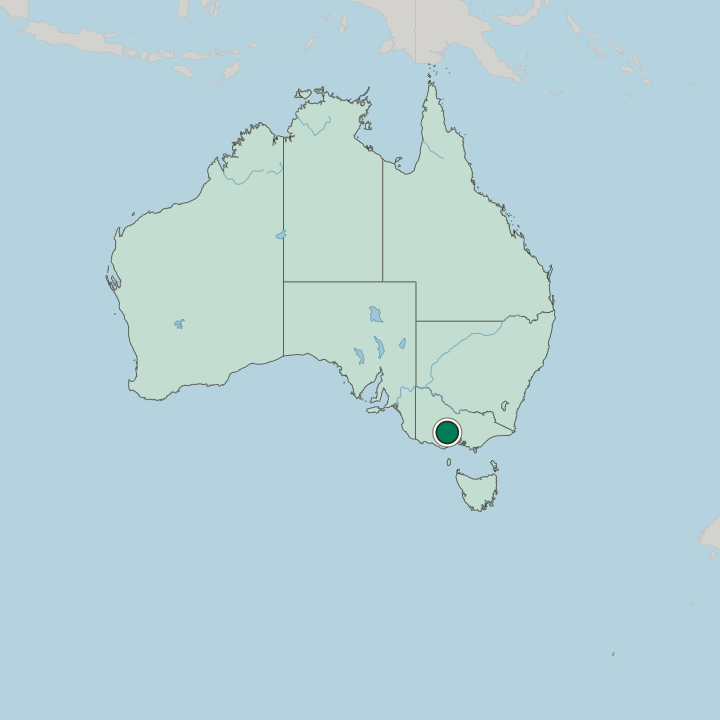
Ballarat lies in the western highlands of Victoria, inland from the coast. The city spreads across a high plateau of grassland and old goldfields, over four hundred metres up, in the cool country west of Melbourne. Low ridges rise around the town.
The grassy plateau rolls away for miles.
What is the climate of Ballarat?
Ballarat has a cool, changeable highland climate. Warm, dry summers give way to cold, wet winters on the high plateau, and the weather can turn in an hour, colder than the coast below. Frost and fog grip the town in winter.
The uplands stay cool through much of the year.
How do you get to Ballarat?
Ballarat lies in the highlands west of Melbourne. Trains and the freeway run to it from Melbourne across the plains in about ninety minutes, and roads go on to the goldfields and the west. Local buses serve the smaller highland towns nearby.
Most arrive by road or rail from Melbourne.
Common questions
What is the best area to stay in Ballarat?
The old centre: Visitors here for the galleries, grand streets, and shops. Sovereign Hill: Stays wanting the gold-rush township and the lake.
Good for
More cities in State of Victoria
Updated October 2026