Australia · State of Victoria
Where to Stay in Melbourne, State of Victoria
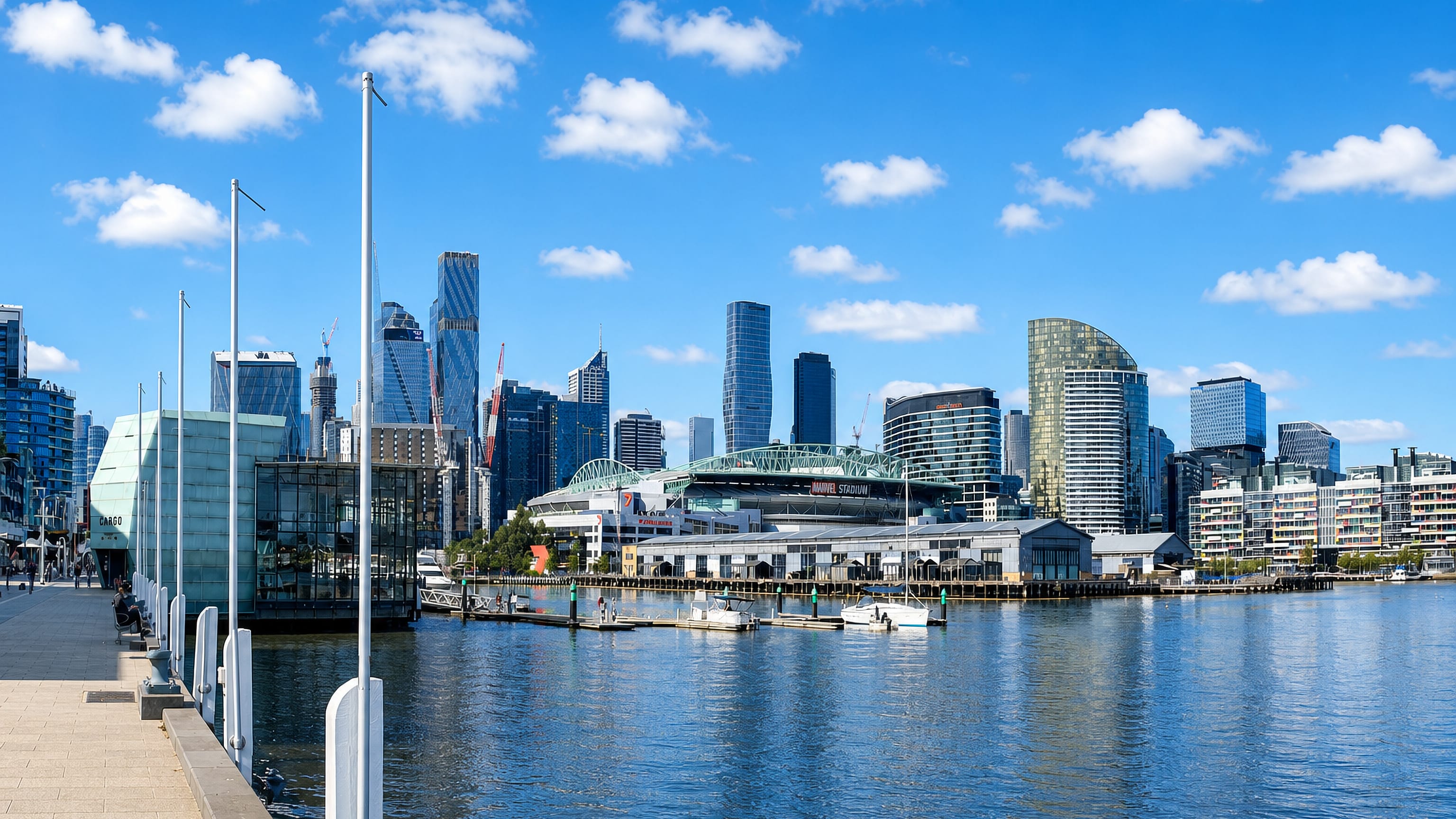
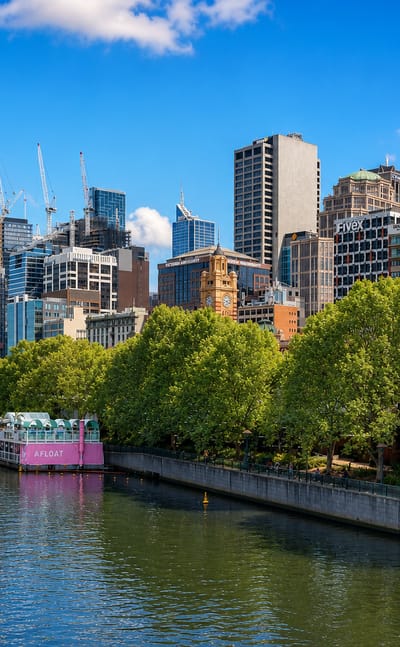
Melbourne stands at the head of Port Phillip Bay, the capital of Victoria and Australia's second-largest city, known for its Victorian-era streets.
Hotel links are affiliate links: booking through them may earn us a commission, at no extra cost to you. It never affects how places are ranked. How this works


Where to stay in Melbourne
Each area has its own feel; here's who each one suits.
 MelbourneAustralia
Melbourne City Centre
The central grid around Queen Victoria Market and the National Gallery of Victoria, steps from the Old Melbourne Gaol and the theatre laneways.Melbourne City Centre →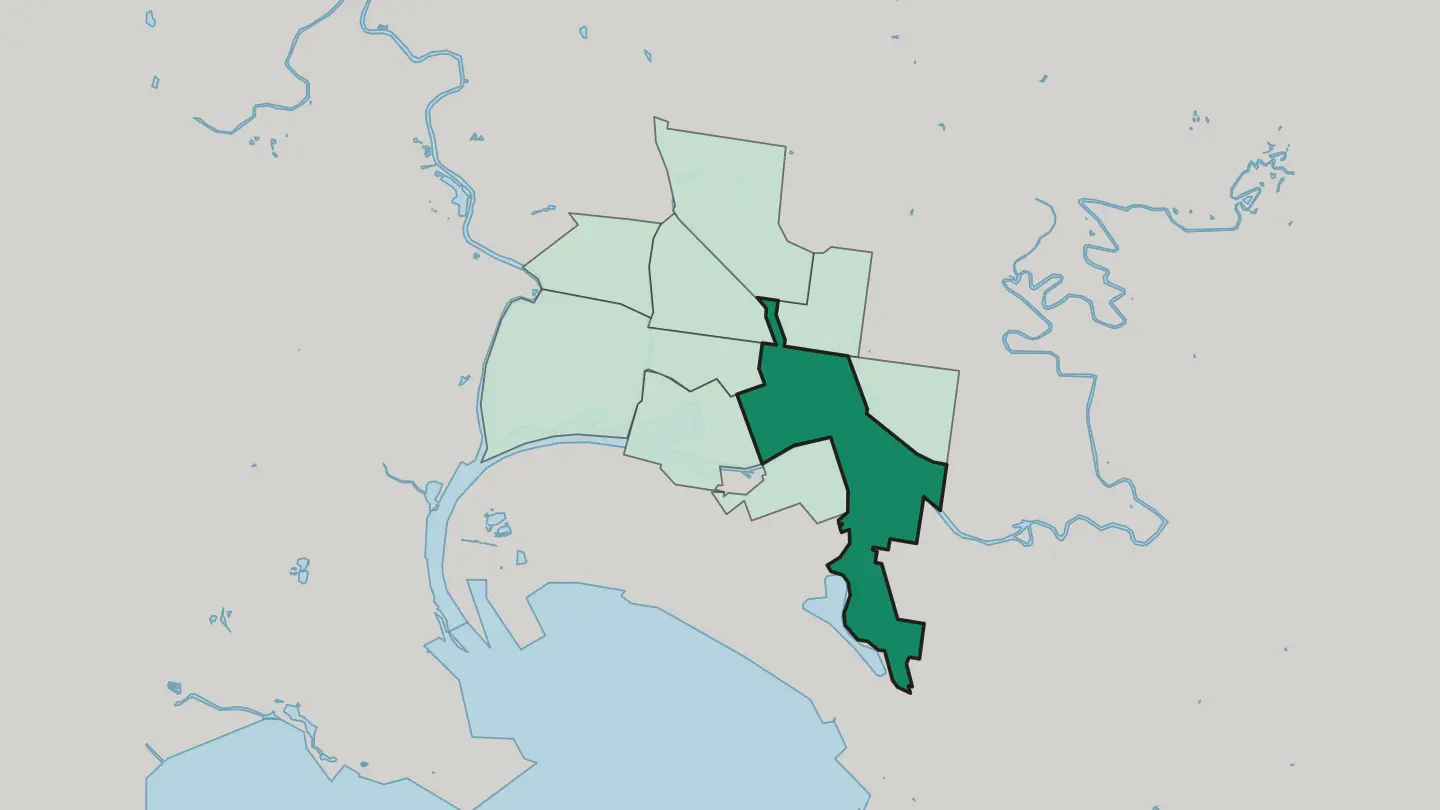
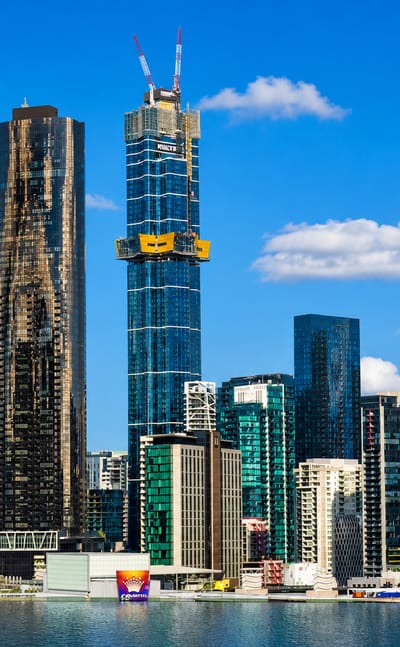 MelbourneAustralia
Southbank
A strip of towers and galleries on the waterfront across from the Melbourne City Centre grid, beside the arts precinct.Southbank →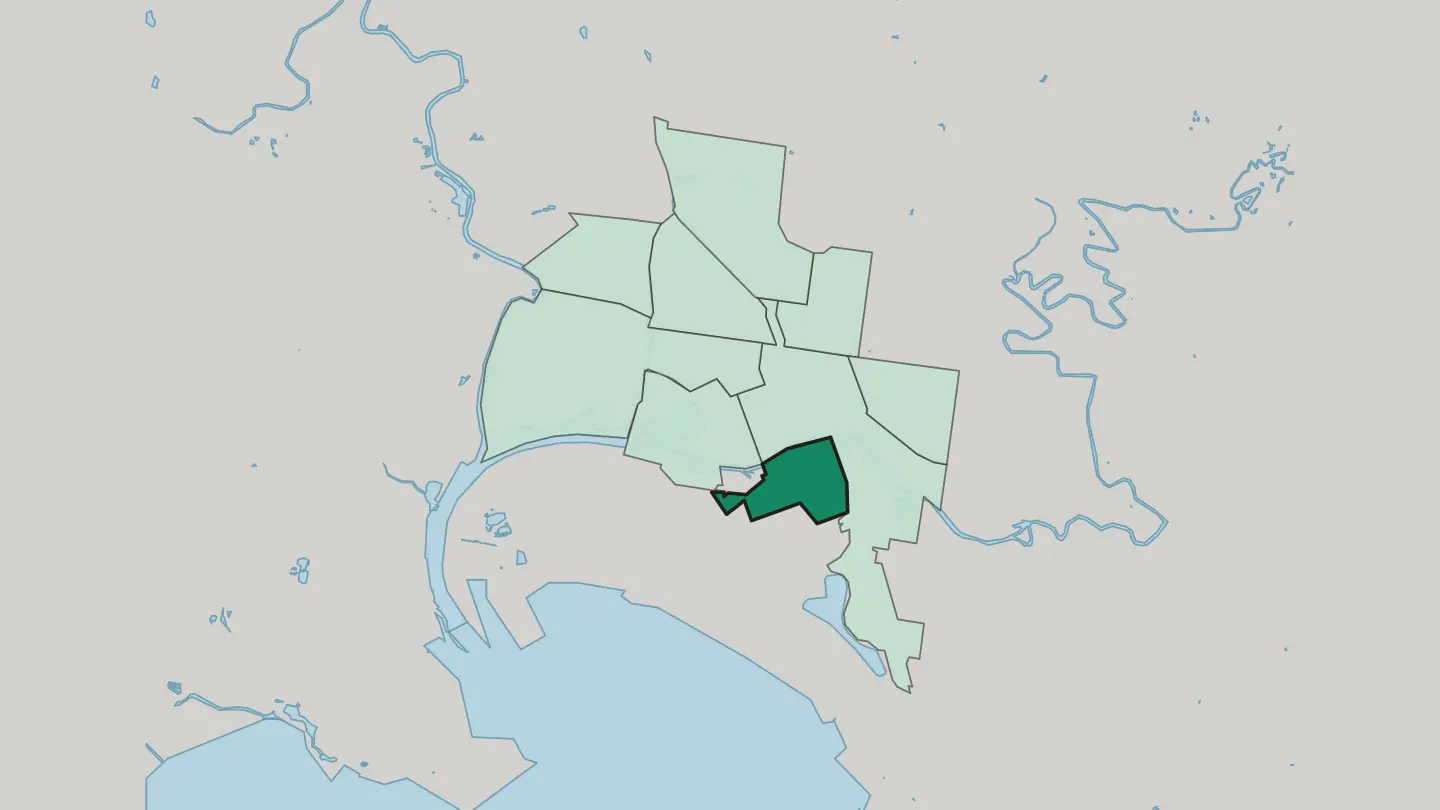
 MelbourneAustralia
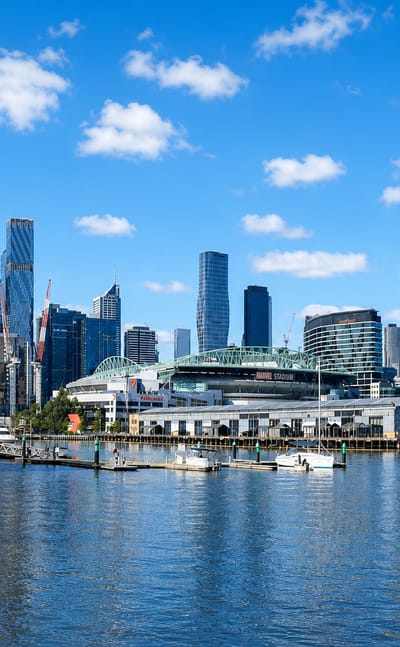
Docklands
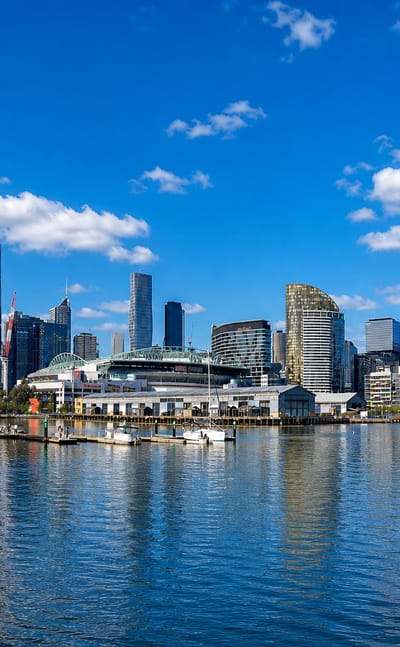
A newer waterfront district west of the centre, quieter than the grid with harbourside hotels near Melbourne City Centre.Docklands →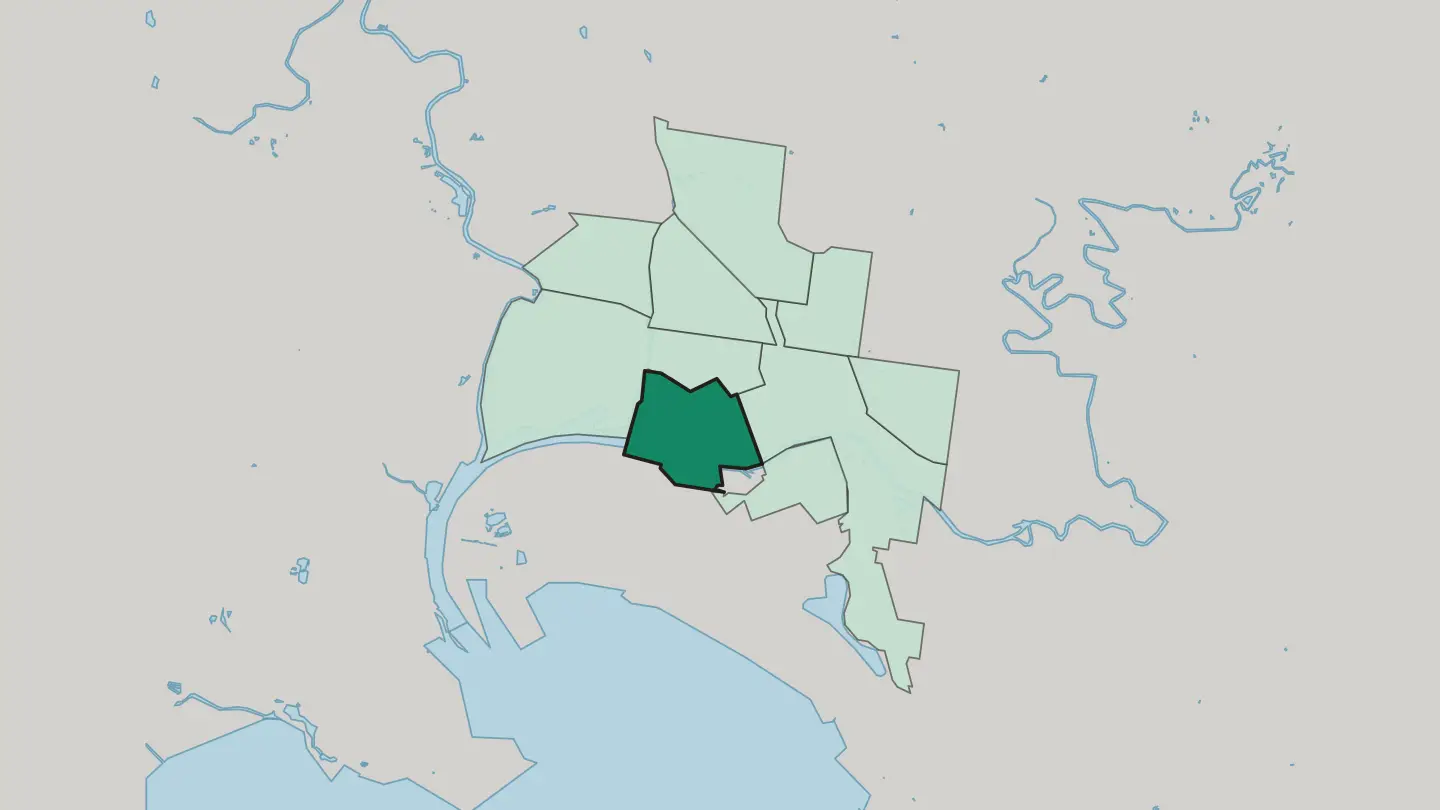
 MelbourneAustralia
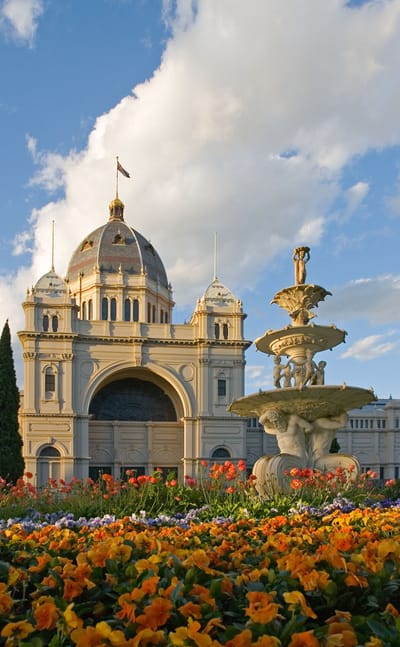
Carlton
Just north of the centre by the Melbourne Museum and the university, known for its nineteenth-century terraces and Italian eateries.Carlton →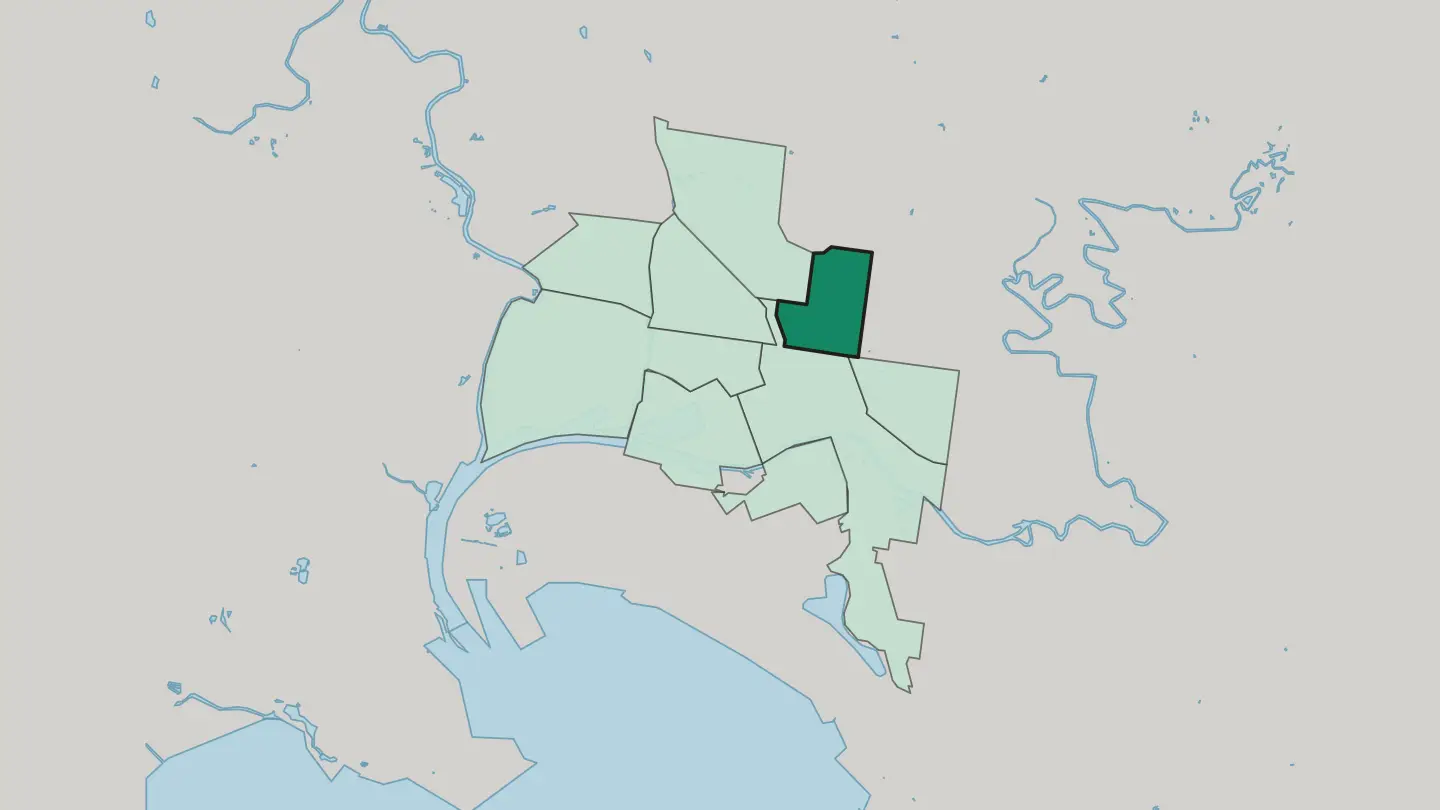
 MelbourneAustralia
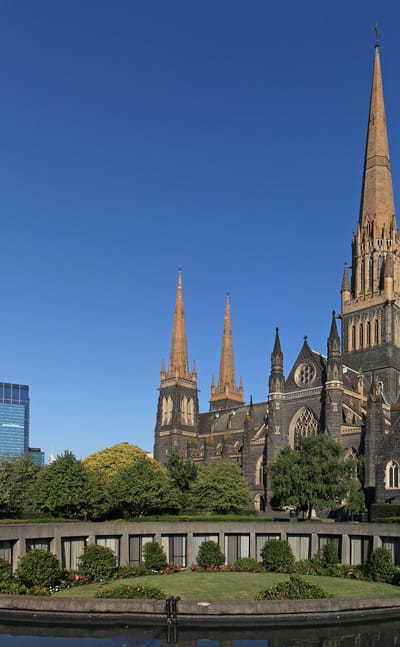
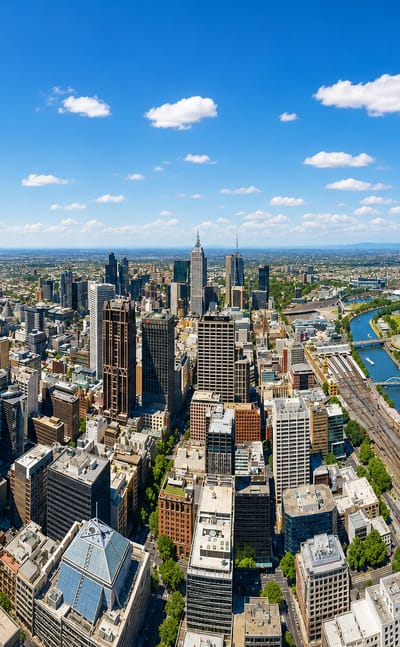
East Melbourne
Leafy garden streets and Victorian terraces define East Melbourne, an inner district just east of central Melbourne around St Patrick's Cathedral.Where to stay →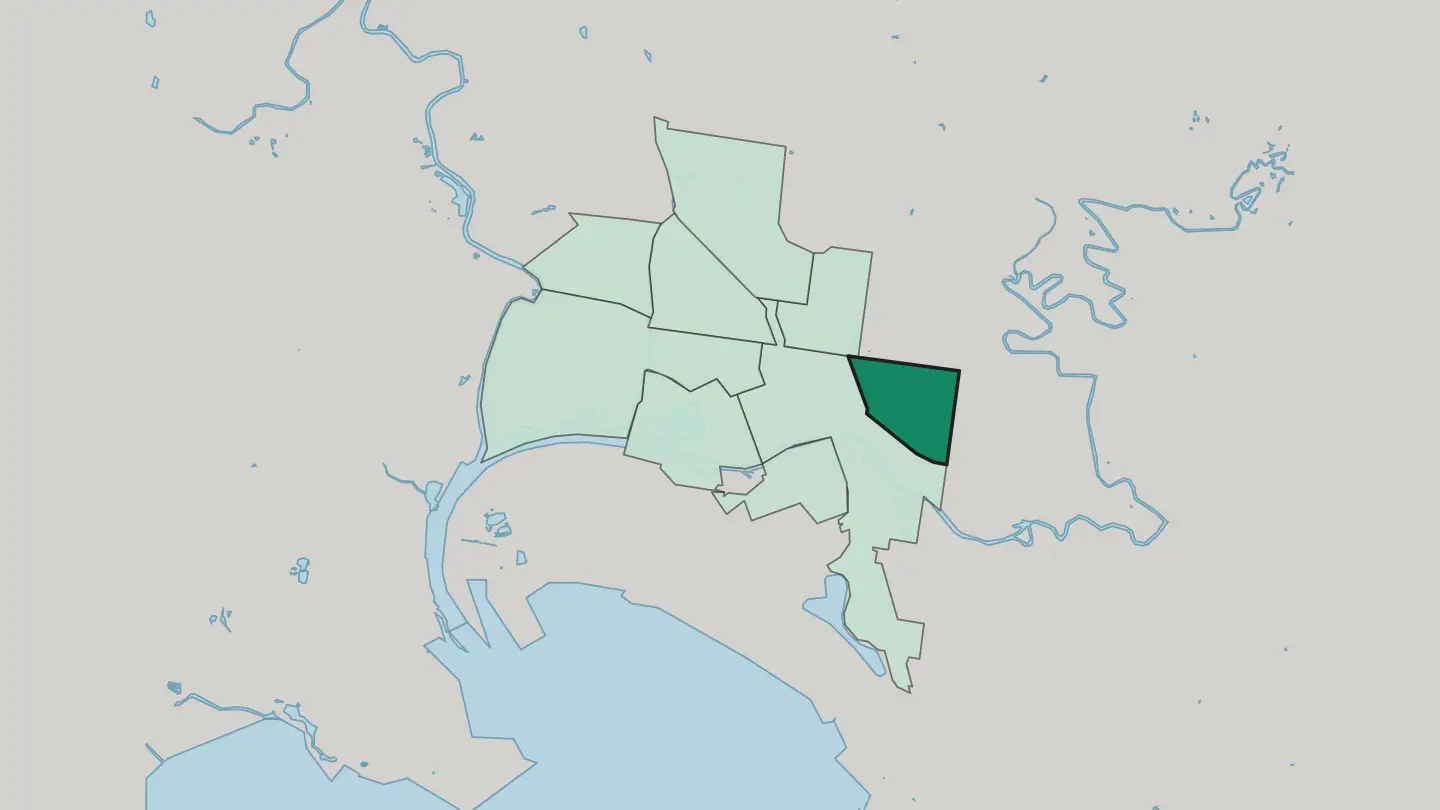
 MelbourneAustralia
North Melbourne
North Melbourne is an inner-city suburb north-west of central Melbourne, edged to its south by the Queen Victoria Market.Where to stay →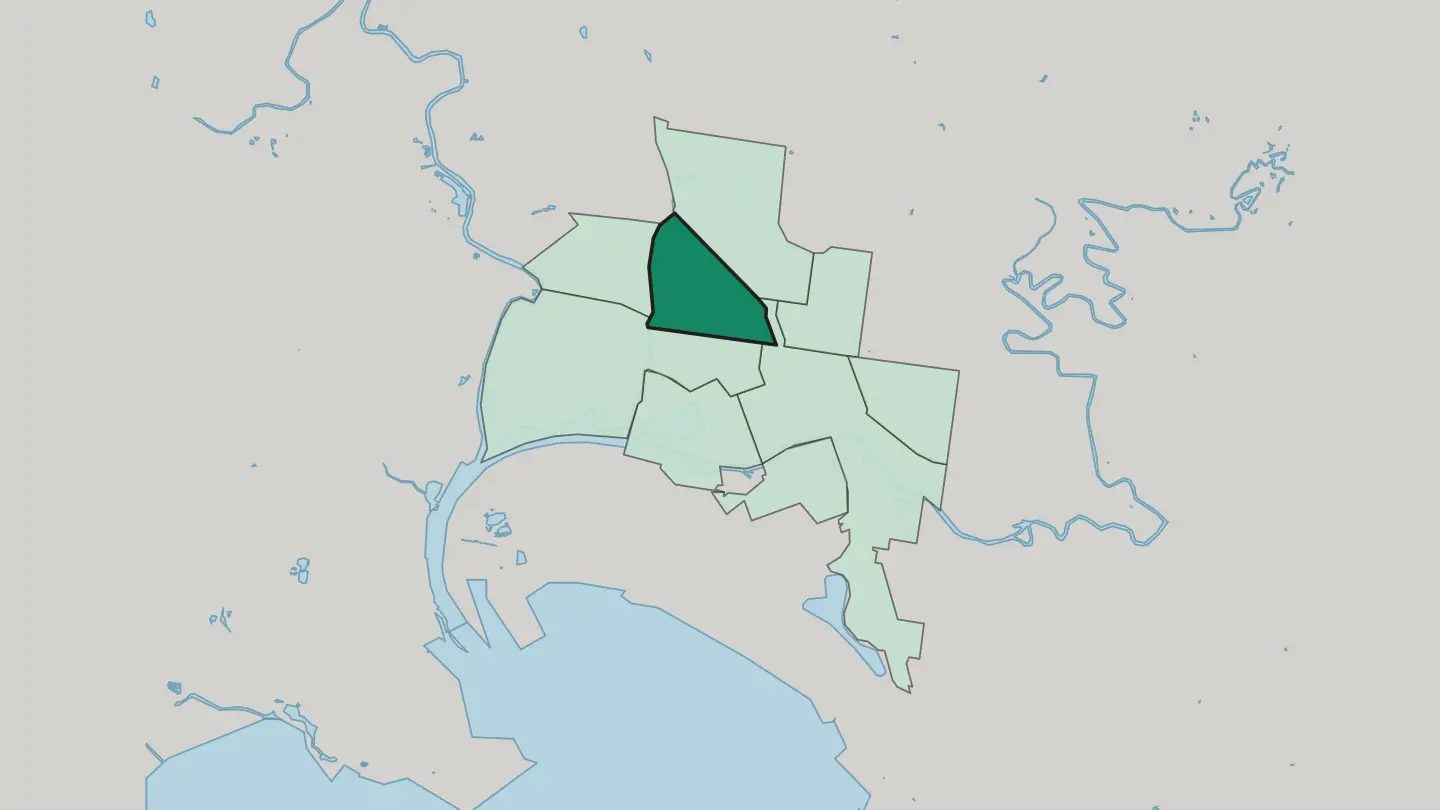
 MelbourneAustralia
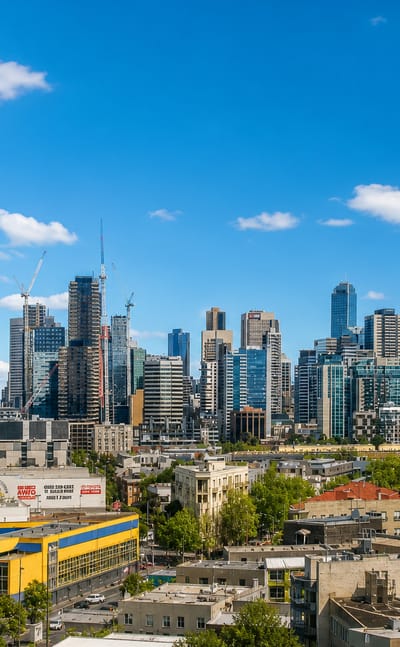
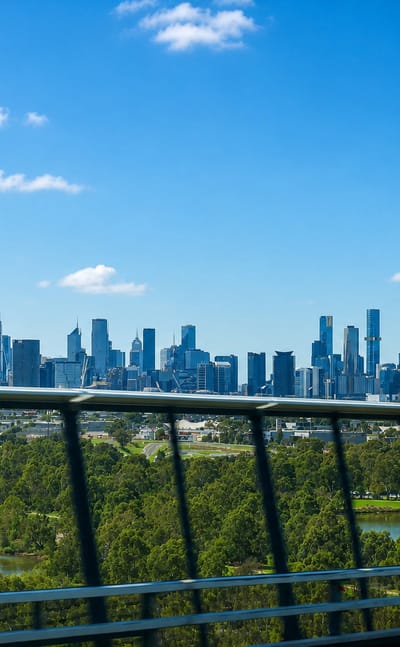
Parkville
Parkville is an inner suburb of Melbourne, its parkland holding the Melbourne Zoo Carousel and the Grainger Museum.Where to stay →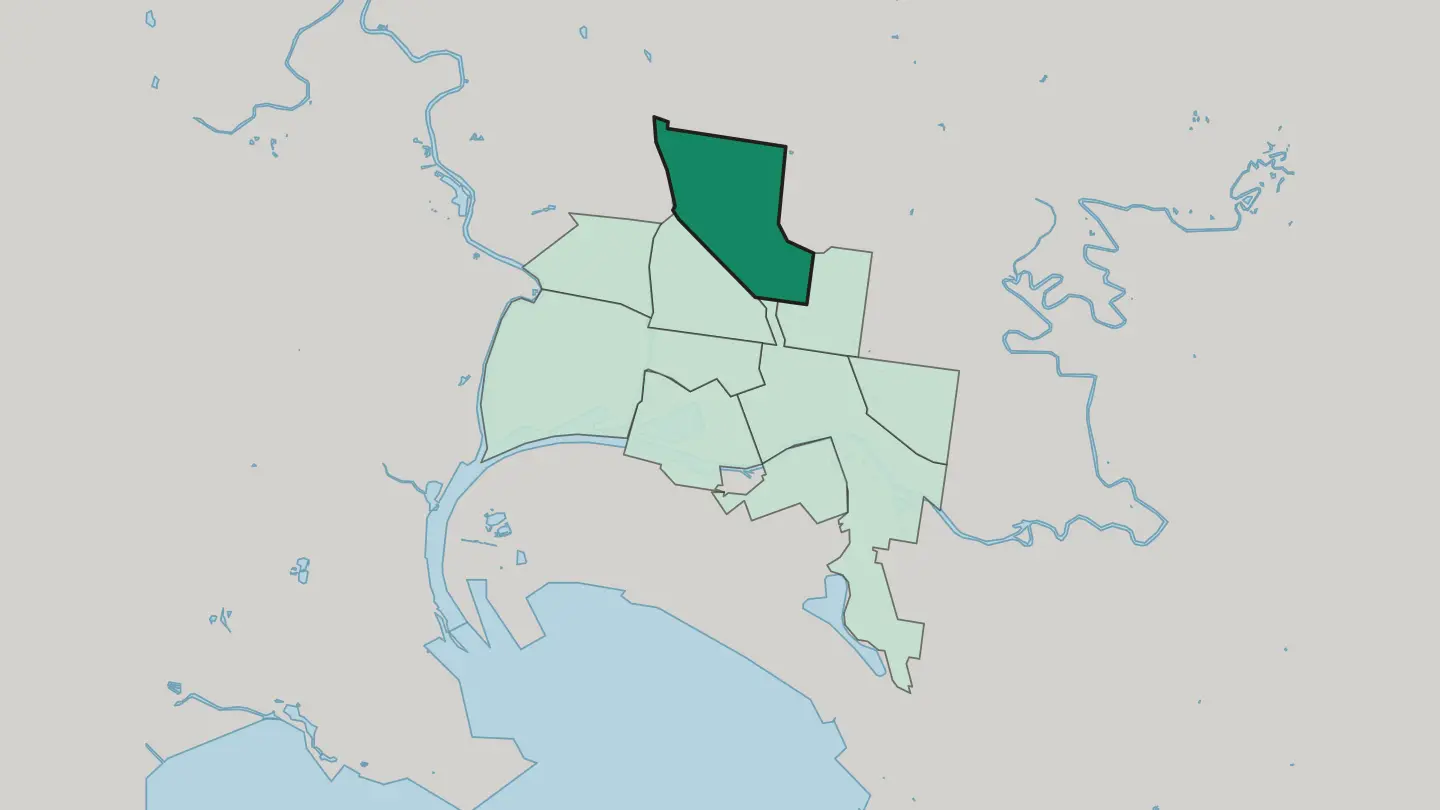
 MelbourneAustralia
West Melbourne
West Melbourne is an inner suburb of Melbourne, in the state of Victoria, set west of the centre beside North Melbourne.Where to stay →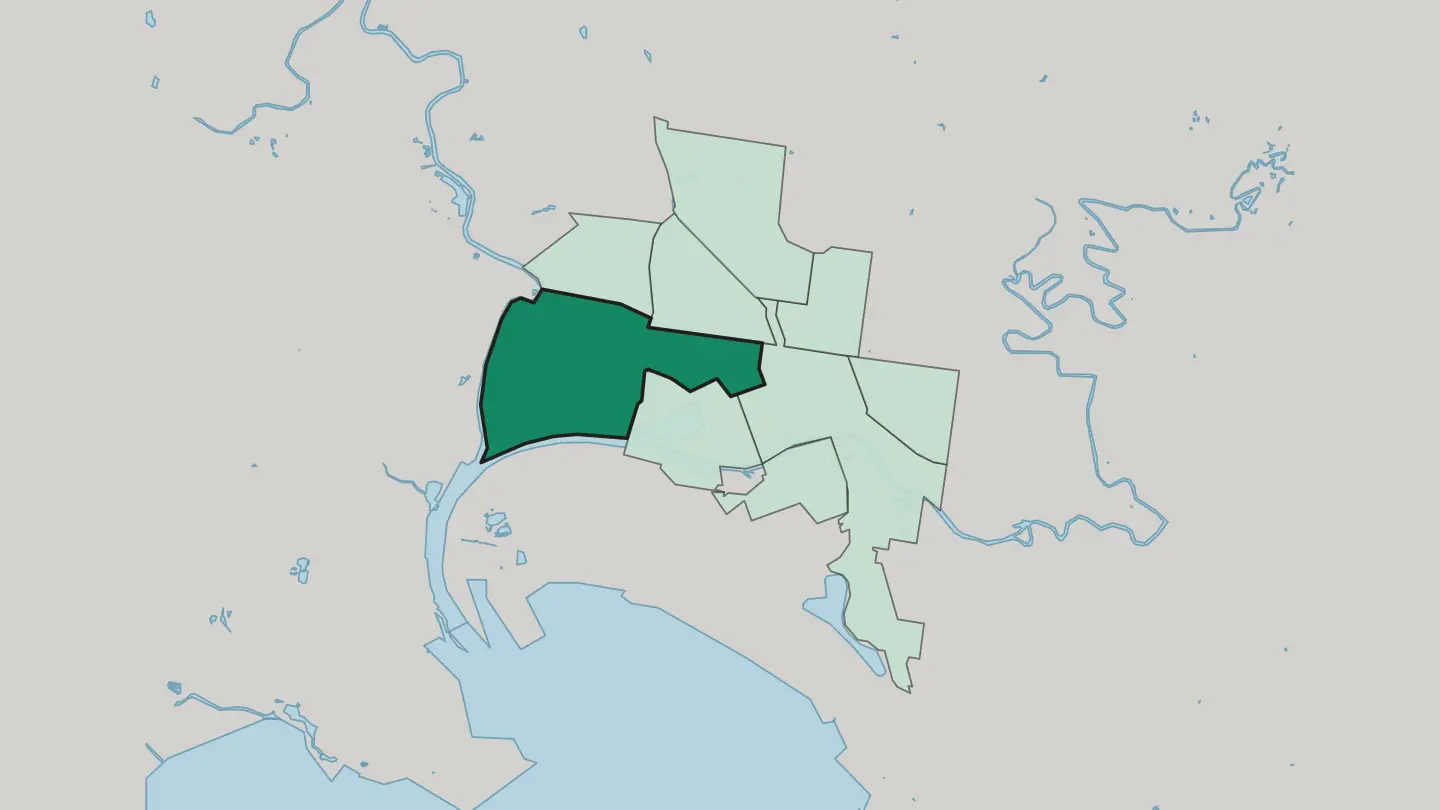
 MelbourneAustralia
Kensington
Brick cottages and quiet lanes fill Kensington, an inner suburb north-west of central Melbourne near the Arden Street Oval.Where to stay →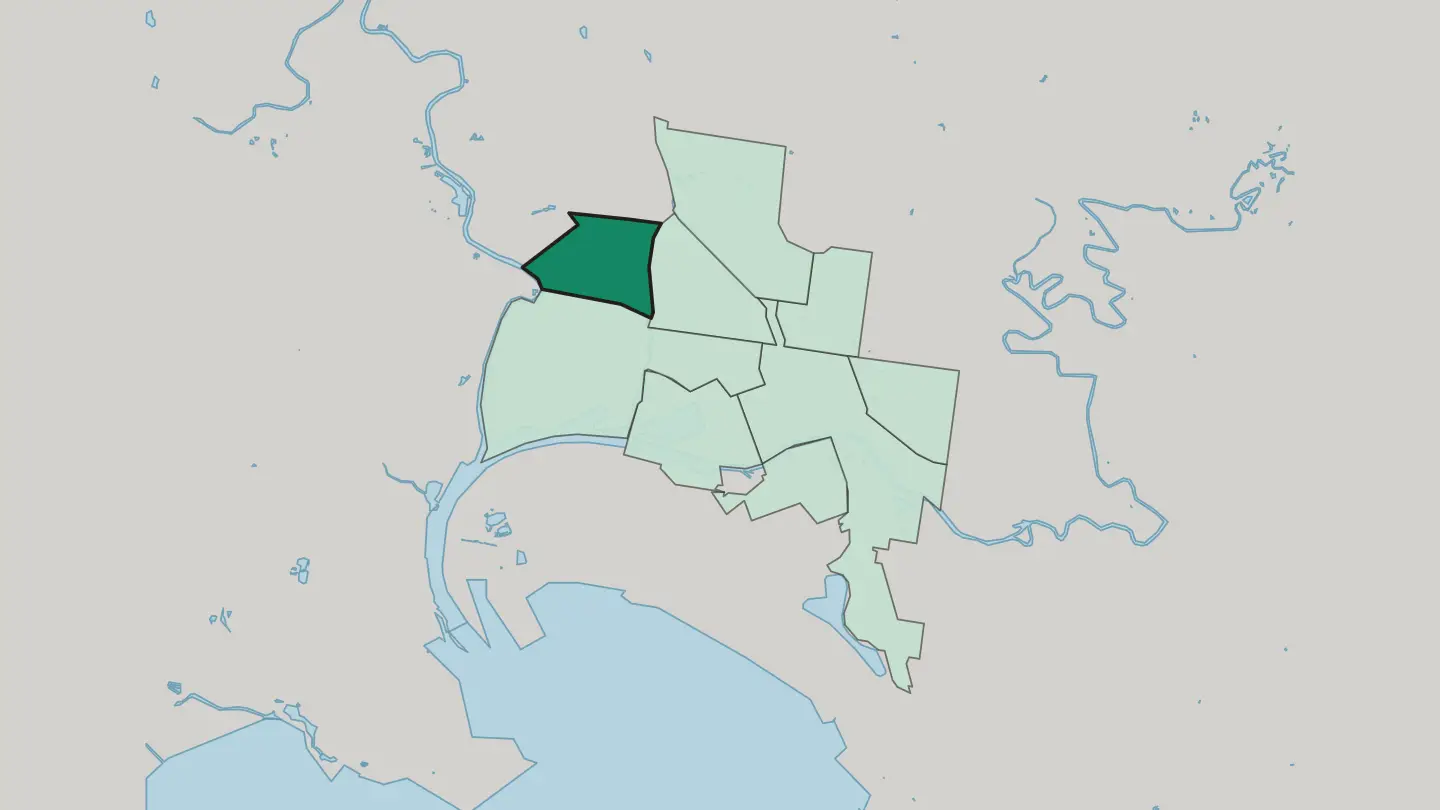
Hotel links are affiliate links: booking through them may earn us a commission, at no extra cost to you. It never affects how places are ranked. How this works
Things to do in Melbourne
Ranked by global recognition; descriptions from Wikidata (CC0).
Museums & Galleries
3- National Gallery of Victoria Heritage
- Old Melbourne Gaol Heritage
- Melbourne Museum
Churches & Religious Sites
8- St Patrick's Cathedral Heritage
- Scots' Church, Melbourne Heritage
- St Michael's Uniting Church Heritage
- St Mary Star of the Sea, West Melbourne Heritage
- Wesley Church, Melbourne Heritage
Show 3 more →
- St Jude's Anglican Church Heritage
- Welsh Church and Hall Heritage
- East Melbourne Lutheran church Heritage
Stadiums & Sports
3- Melbourne Park
- Punt Road Oval
- Arden Street Oval
Landmarks & Notable Places
3- Government House Heritage
- Nocklofty Heritage
- Abercrombie House Heritage
worth knowingacross 4 categories in Melbourne
About Melbourne
What is Melbourne known for?
Melbourne is known as Australia's cultural capital, a city of galleries, theatres and grand Victorian-era streets. The National Gallery of Victoria and the Melbourne Museum anchor its museums, while Melbourne Park draws the crowds for sport. Gardens ring the centre.
Around Port Phillip Bay the capital of Victoria spreads across parks, markets and waterfront that give the city its open, green character.
What are the main landmarks in Melbourne?
Melbourne keeps its landmarks in stone and gardens. The National Gallery of Victoria and the Melbourne Museum hold the city's art and history, while St Patrick's Cathedral and the Old Treasury Building mark its nineteenth-century grandeur. Queen Victoria Market still trades under its old sheds.
The Old Melbourne Gaol and Cooks' Cottage stand among the oldest sites, and Melbourne Park draws the sporting crowds each summer.
What is the history of Melbourne?
Melbourne began in 1835 as a settlement on Port Phillip Bay, laid out in the south of the colony where the land met the great bay. The town grew slowly at first. Then gold arrived: the rushes of the mid-nineteenth century poured wealth into Melbourne, and the settlement swelled into one of the richest cities of the British Empire within a generation.
Grand streets, banks and public buildings rose in the Victorian era, and the Old Melbourne Gaol and the Old Treasury Building still stand from those years. The boom built the city that stands. Wide boulevards, arcades and gardens were laid out across the grid, and institutions such as the National Gallery of Victoria and the Melbourne Museum trace their roots to that era of confidence.
Grand parks framed the centre. Waves of migrants followed in the decades after, from Europe and later from across the world, filling districts like Carlton with new communities. The gold-rush grandeur and the layers of migration together made the capital of Victoria the cultural city it became on the shore of Port Phillip Bay.
Where is Melbourne?
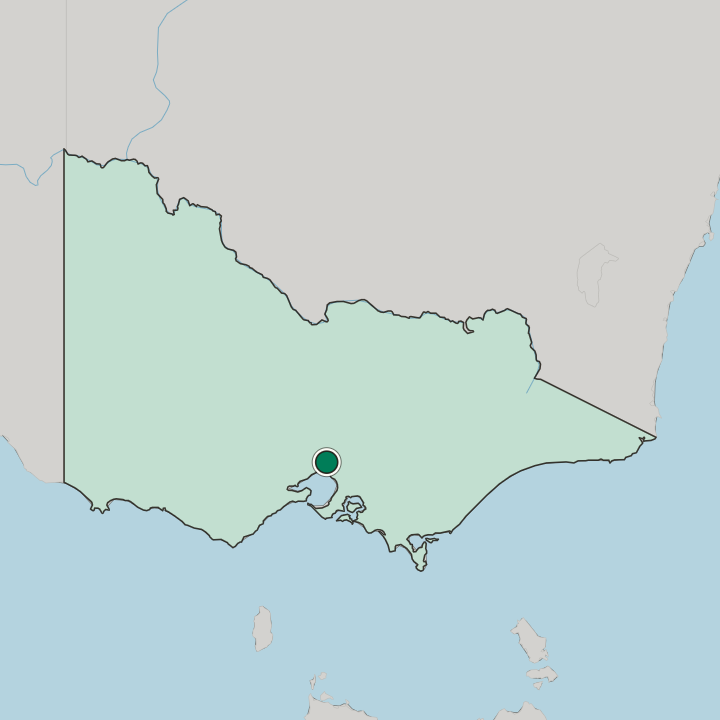
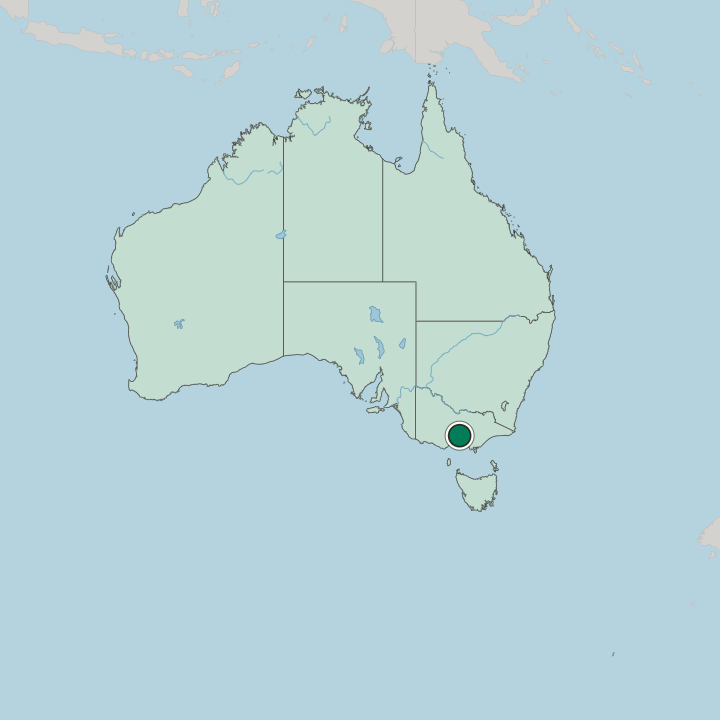
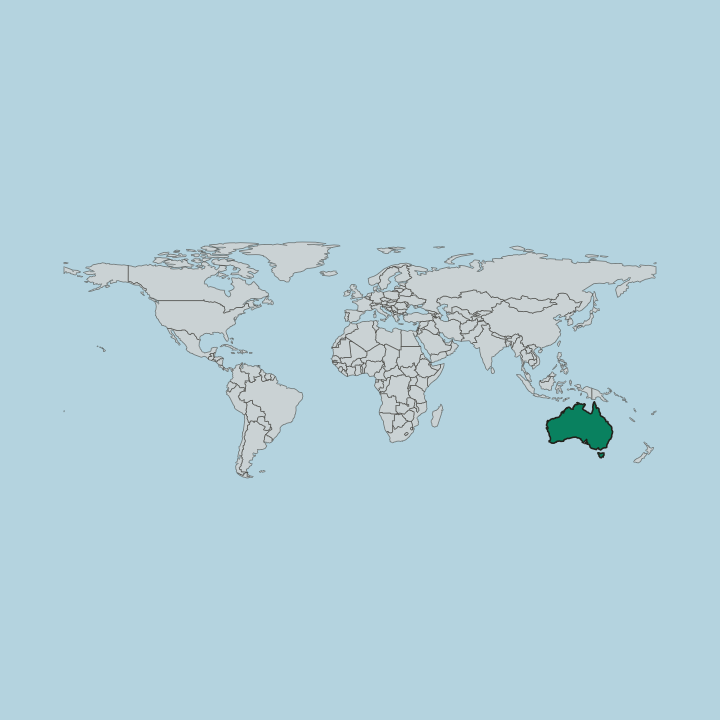
Melbourne spreads around the head of Port Phillip Bay, in the south of Victoria near the coast. The city sprawls across a wide plain and low hills, its centre a compact grid set back a little from the shore of the bay. Water shapes the edge.
From the bay the suburbs run inland for many kilometres, taking in districts such as Southbank, Docklands and Carlton across one of the largest urban areas in the country.
What is the climate of Melbourne?
Melbourne has a temperate climate famous for changing fast. Off Port Phillip Bay the weather can swing from warm to cool in a single afternoon, and locals speak of four seasons in one day. The summer months run hot and rainless.
Winters stay cool and grey rather than freezing, softened by the bay and the southern sea that wrap the city.
How do you get to Melbourne?
Most visitors to Melbourne arrive by air, landing at the airport north-west of the centre. The city is the transport hub of Victoria, its roads, trams and trains fanning out from the Melbourne City Centre across the wide urban area. Trams define the streets.
From the grid, rail lines reach the coast at Port Phillip Bay and run inland across the state, tying the capital to the rest of Victoria.
Common questions
What is the best area to stay in Melbourne?
Melbourne City Centre: first-timers who want Melbourne's laneways, theatres and markets on foot. Southbank: the arts precinct and a waterfront promenade. Docklands: modern rooms by the water west of the grid. Carlton: the parks, museums and old Italian streets of the inner north.
Good for
More cities in State of Victoria
Updated October 2026