Australia
State of Victoria, Australia — Towns & Travel Guide
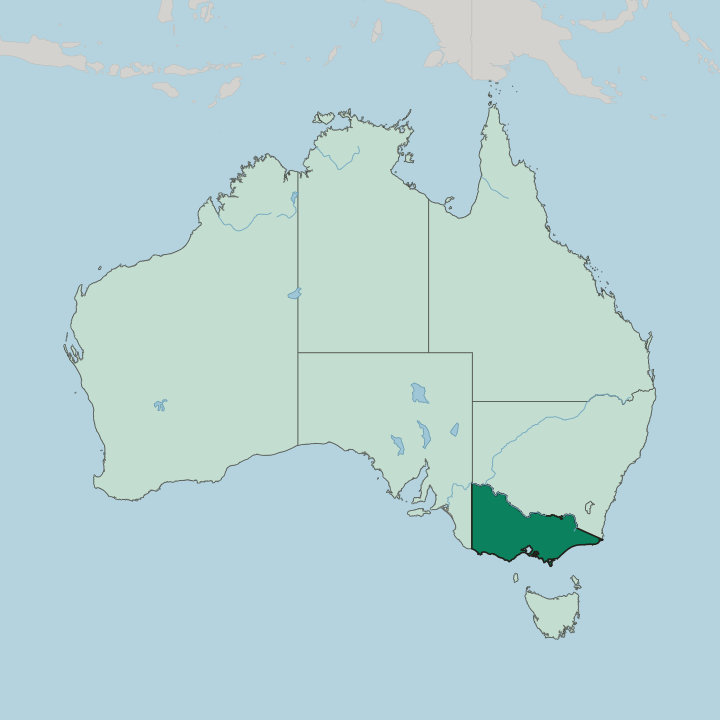
Victoria is a compact state in the south-east of Australia, one of the country's smallest, with Melbourne as its capital near the southern coast.
Hotel links are affiliate links: booking through them may earn us a commission, at no extra cost to you. It never affects how places are ranked. How this works


Towns & cities in State of Victoria
Pick a town or city — each links to where to stay.
 Australia
Melbourne
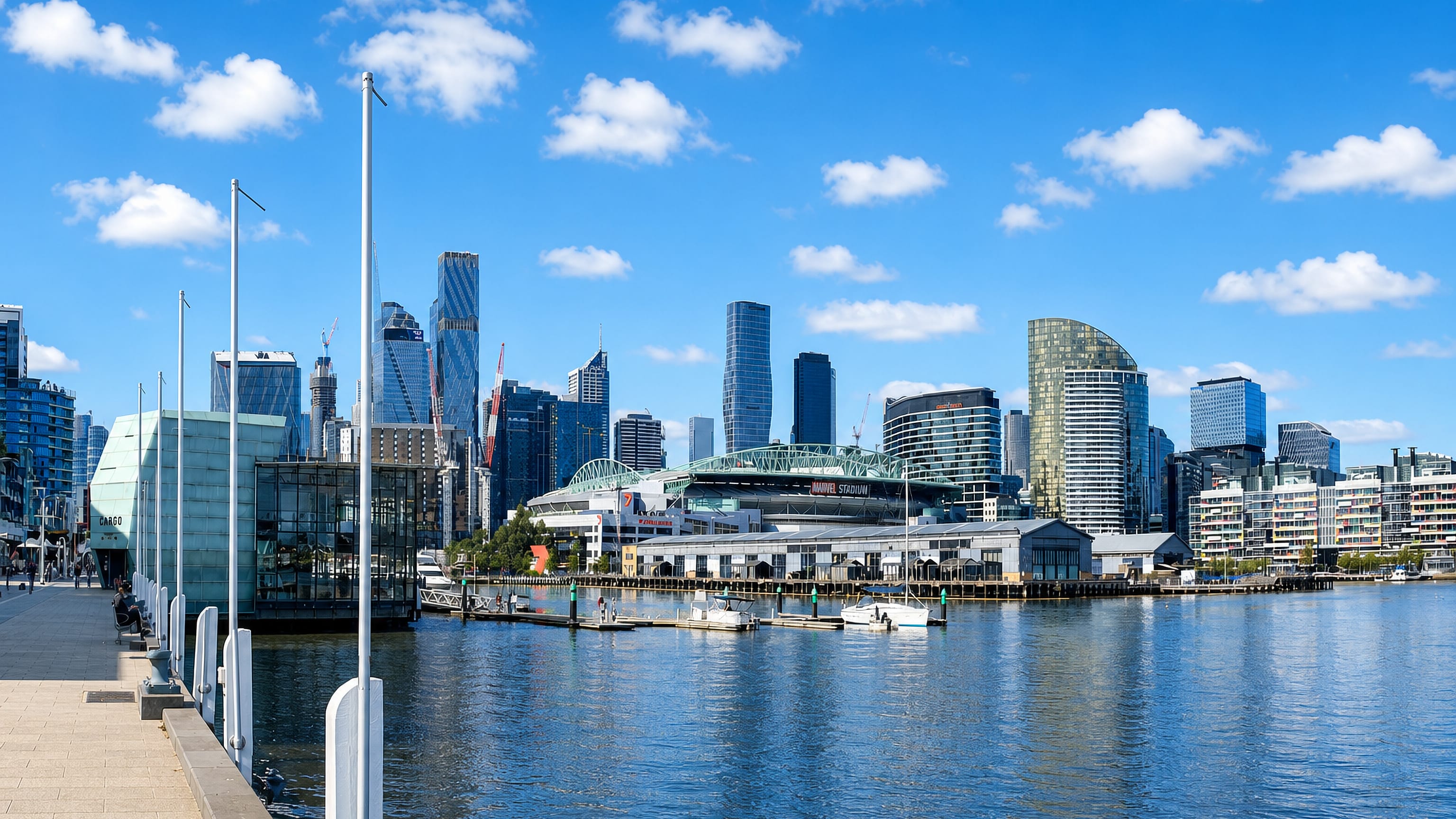
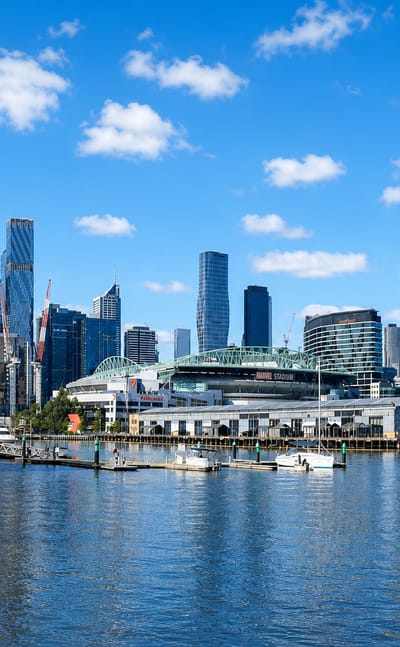
Melbourne stands at the head of Port Phillip Bay, the capital of Victoria and Australia's second-largest city, known for its Victorian-era streets.Where to stay →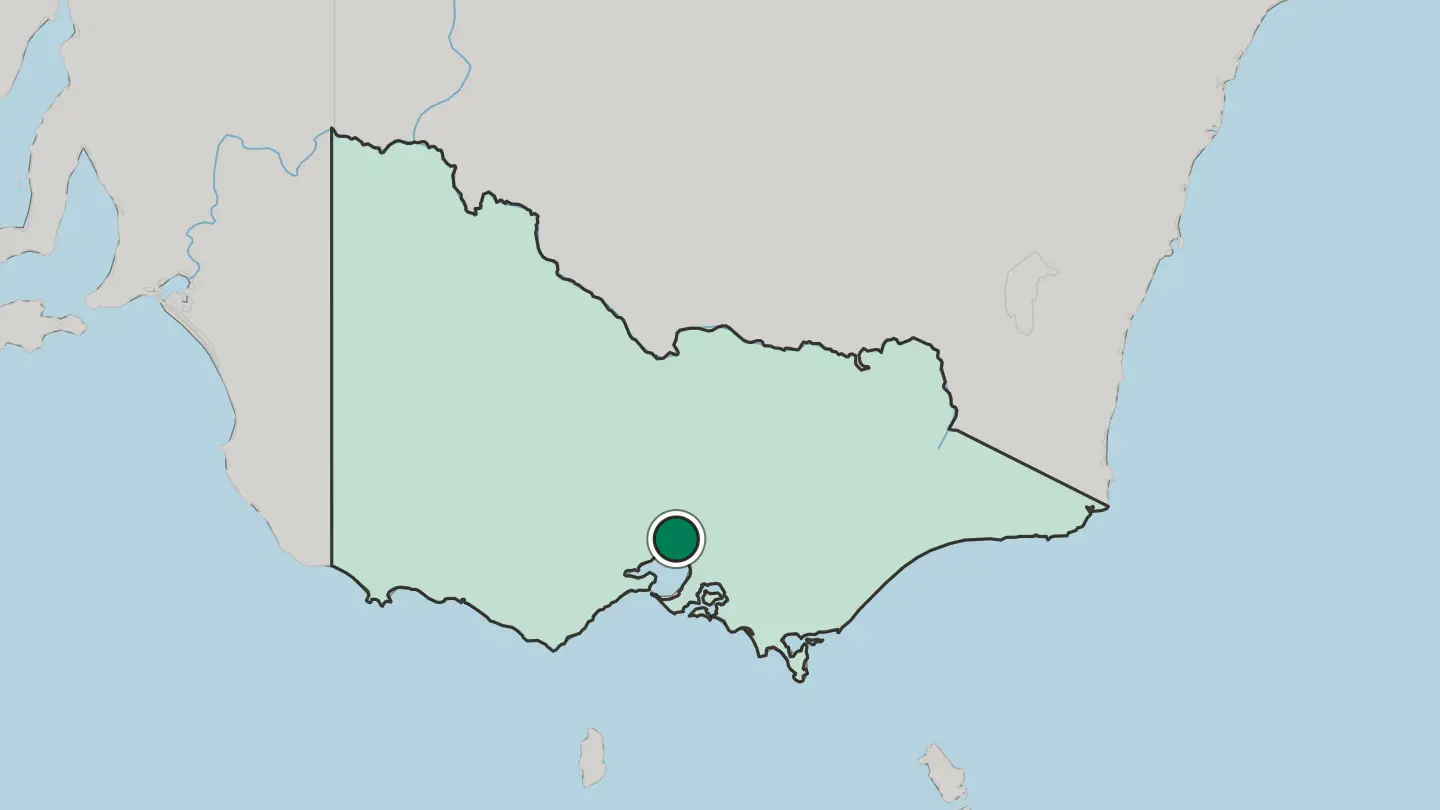
 Australia
Geelong
Geelong is the second city of Victoria, a bay port southwest of Melbourne and the doorway to the Great Ocean Road.Where to stay →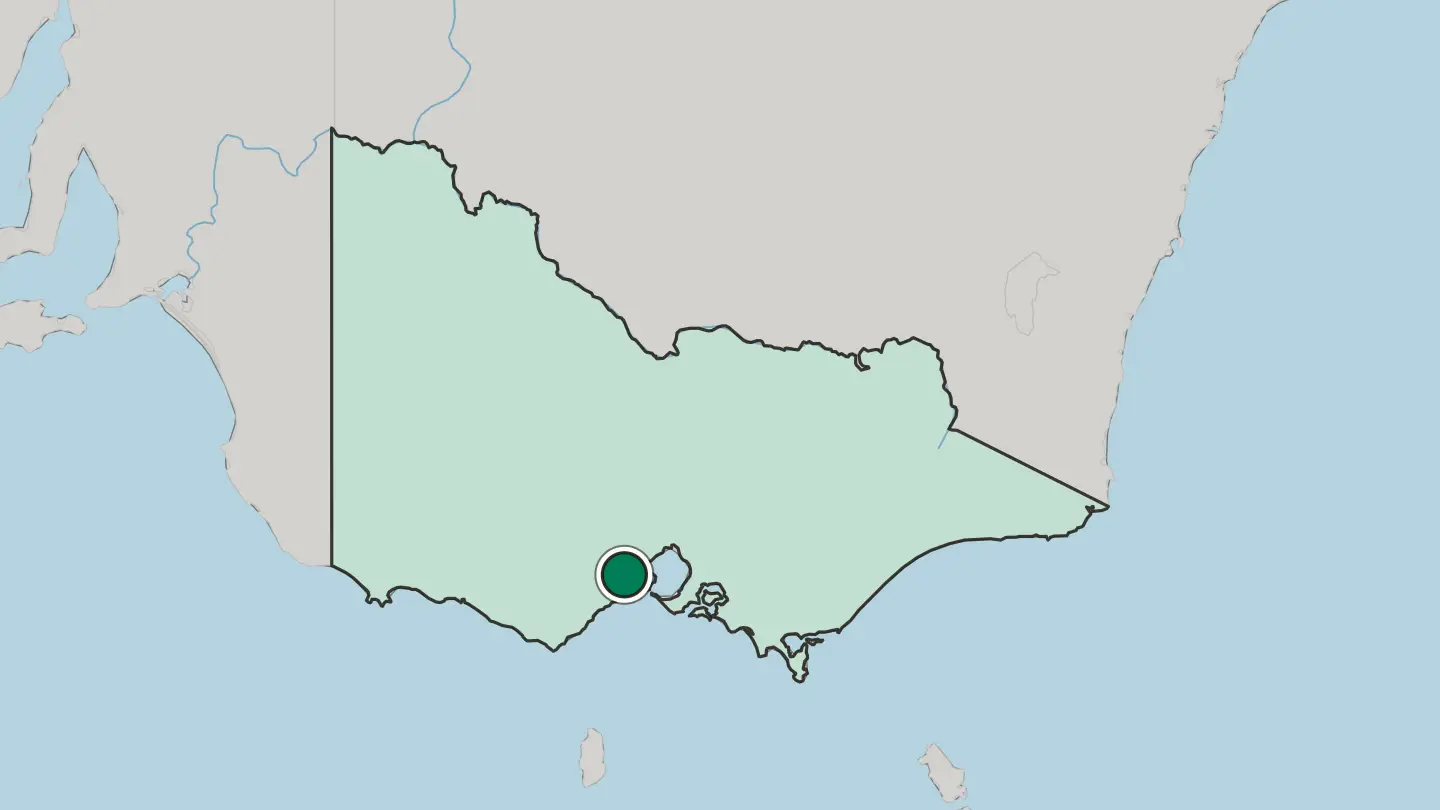
 Australia
Ballarat
Ballarat is a grand gold-rush city in the western highlands of Victoria, Australia, born of the great strikes of the 1850s.Where to stay →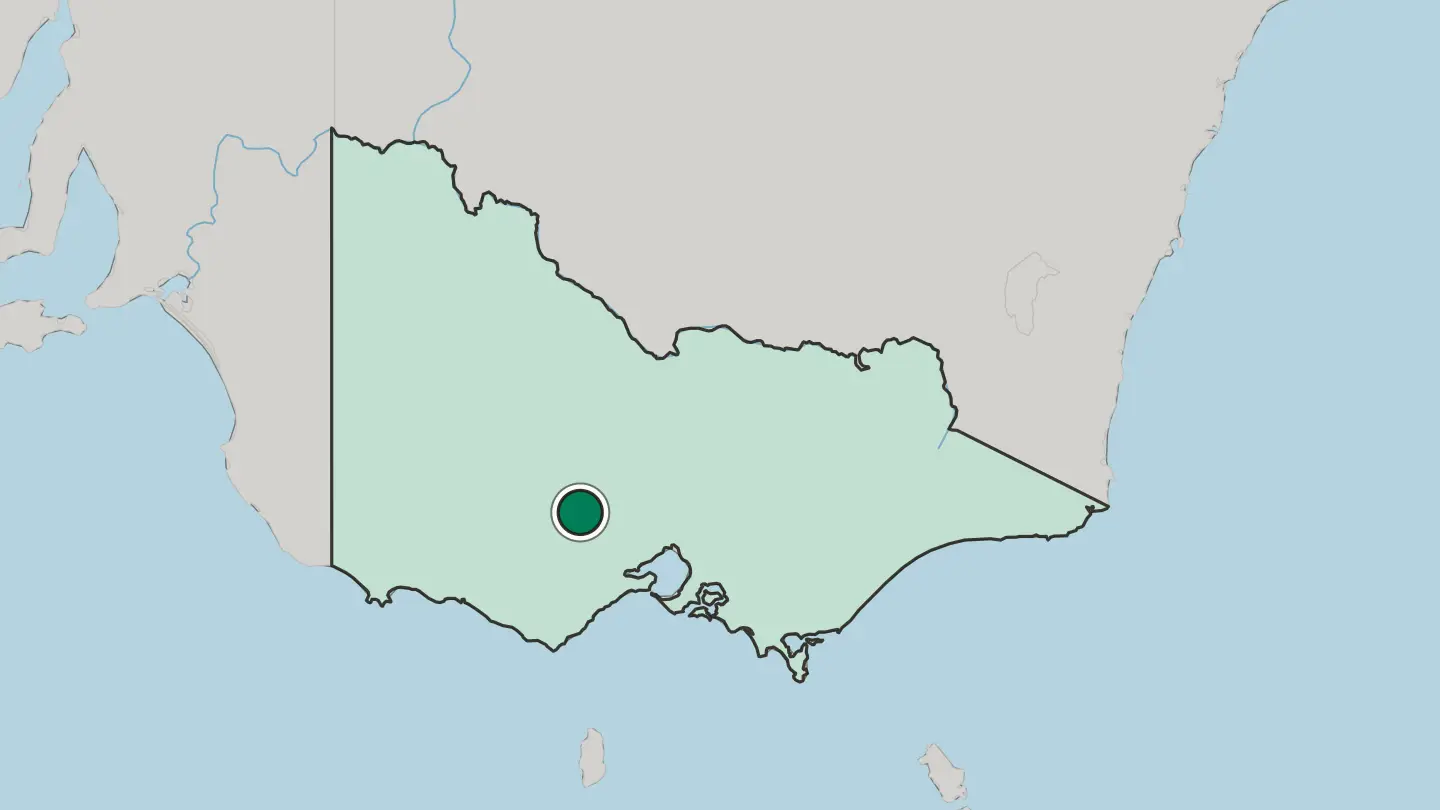
 Australia
Bendigo
Bendigo is a city of central Victoria in Australia, a gold-rush town of Victorian streets, deep mines, and Chinese dragons, in box-ironbark country.Where to stay →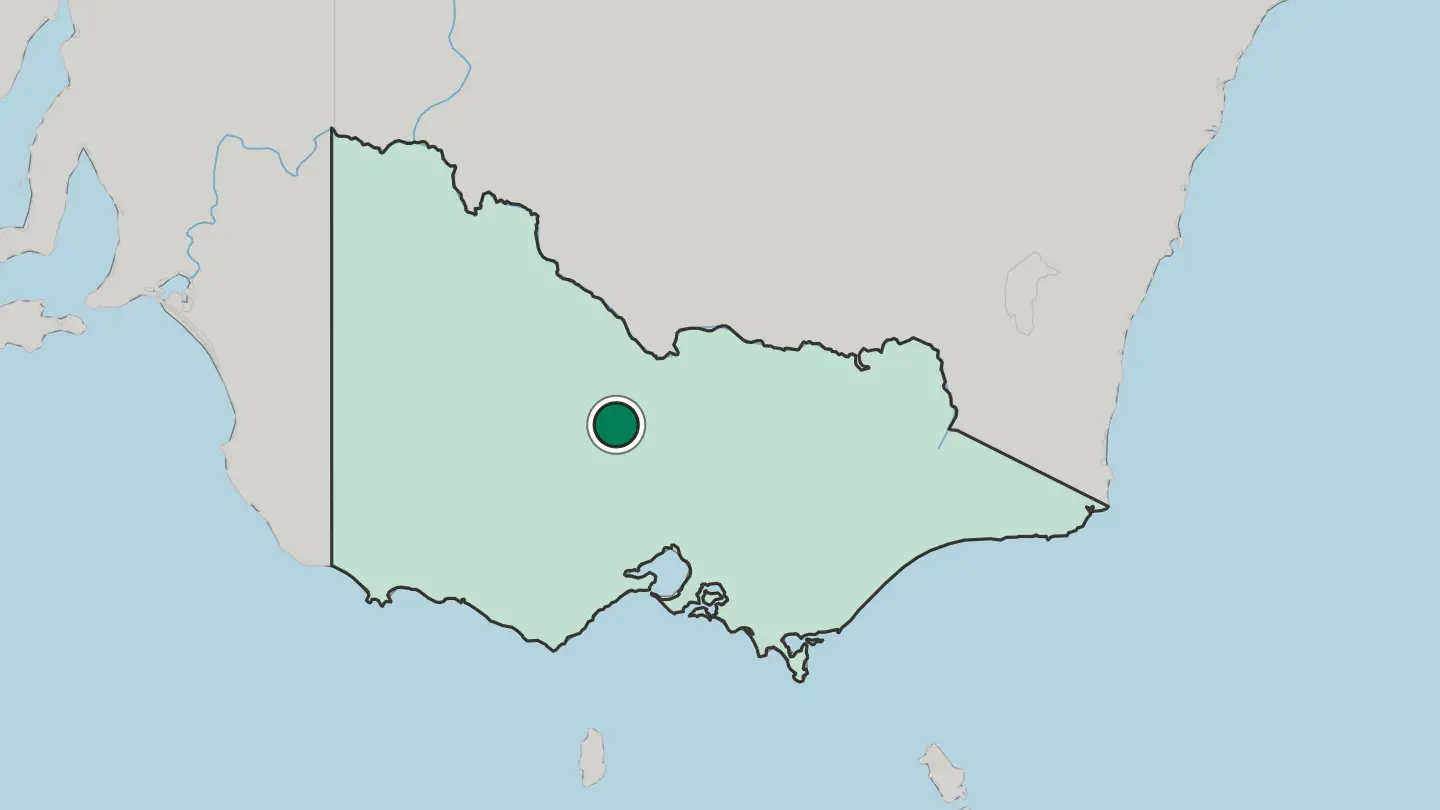
Hotel links are affiliate links: booking through them may earn us a commission, at no extra cost to you. It never affects how places are ranked. How this works
About State of Victoria
What is State of Victoria known for?
Victoria is best known for Melbourne, its capital, and for being one of the smallest states in Australia. The state sits in the south-east of the continent, a compact stretch of temperate country between the coast and the inland ranges. Size sets it apart.
Where other states run to desert, Victoria packs its towns and farms into a small, green corner of the country.
Where is State of Victoria?
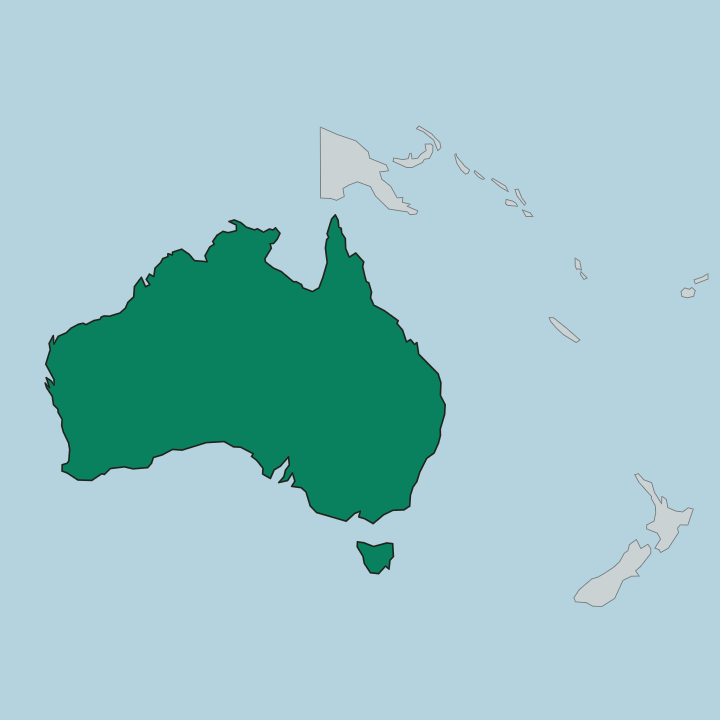
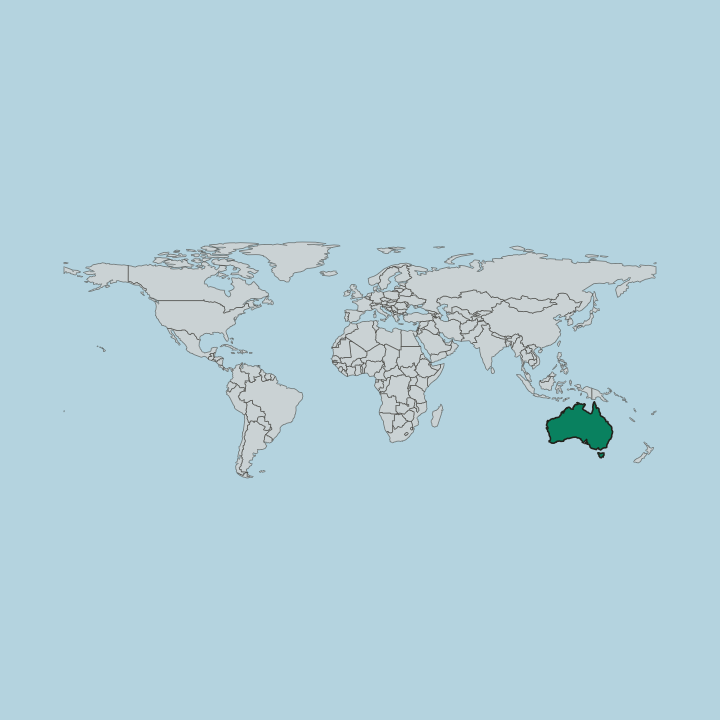
Victoria sits in the south-east of the continent, the second-smallest of Australia's states. It is a compact land. Where the larger states run for thousands of kilometres, Victoria gathers coast, plain and mountain into a small temperate corner near the southern edge of the mainland.
Melbourne stands on the coast, the capital around which the state is arranged, close to the sea that borders Victoria to the south. Distance is short here by Australian measure. From the southern coast the country rises inland to ranges and then to farming plains, all within a state far smaller than its neighbours.
The sea lies along the southern edge, and the temperate weather follows it. Compact and green, Victoria holds a fuller mix of coast, city and upland in a small space than any of the vast dry states around it. Small state, full country.
What is State of Victoria like?
The culture of Victoria carries the mark of its name. The state was named for Queen Victoria, who ruled the British Empire at its height, and the Victorian era left its stamp on the towns, streets and public buildings of the young colony. That heritage shows in stone.
Melbourne and the older centres grew up in the nineteenth century, and the ornate architecture of the period still shapes the character of the state. Melbourne carries the cultural weight. As the capital of Victoria, it gathers the galleries, theatres and sport that mark the state's life, drawing on the mix of peoples who settled this corner of the country.
The compact south-east keeps it all close. Coast, city and country sit within a short reach of one another, and the temperate climate lets an outdoor life run through the year. Old empire, new mix.
What is the history of State of Victoria?
Victoria was established as a separate colony in 1851, named after Queen Victoria of the British Empire. Melbourne became its capital. The colony grew fast through the years that followed, its towns and public buildings raised in the ornate style of the Victorian era.
From that nineteenth-century beginning came the compact south-eastern state that still bears the queen's name, with Melbourne at its heart.
What is the climate of State of Victoria?
Victoria has the mildest, most temperate climate of the mainland states, cooler and wetter than the country's north. Its southern coast brings four clear seasons, with warm dry summers and cool, damp winters near Melbourne. The weather changes quickly here.
Off the southern sea, fronts sweep across the small state and can turn a warm day cold within hours.
How do you get to State of Victoria?
Most arrivals to Victoria come through Melbourne, the state capital near the southern coast. Flights land close to the sea. From the city, road and rail reach across the compact state to the coast, the ranges and the plains, all within short distances by Australian measure.
The small size makes it easy. Melbourne is where nearly every visit to Victoria begins.
Common questions
What is the best area to stay in State of Victoria?
Melbourne: first-time visitors to Victoria who want the state capital, Melbourne, within reach of its compact south-east coast.
More regions in Australia
Updated September 2026