Australia · State of Victoria
Where to Stay in Geelong, State of Victoria
Geelong is the second city of Victoria, a bay port southwest of Melbourne and the doorway to the Great Ocean Road.
Hotel links are affiliate links: booking through them may earn us a commission, at no extra cost to you. It never affects how places are ranked. How this works


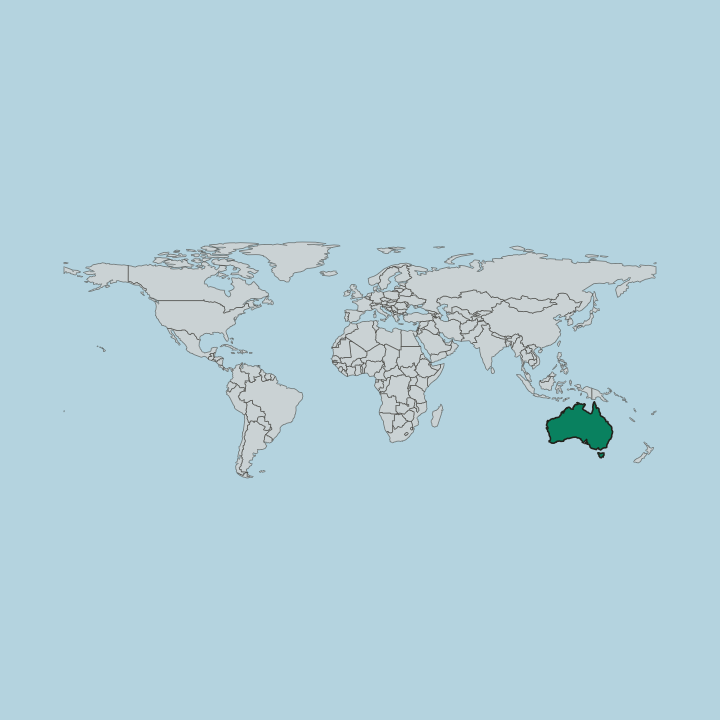
Where to stay in Geelong
Each area has its own feel; here's who each one suits.

 GeelongAustralia
Geelong West
Geelong West is a commercial and residential suburb of Geelong in Victoria, built around the shopfronts of Pakington Street.Where to stay →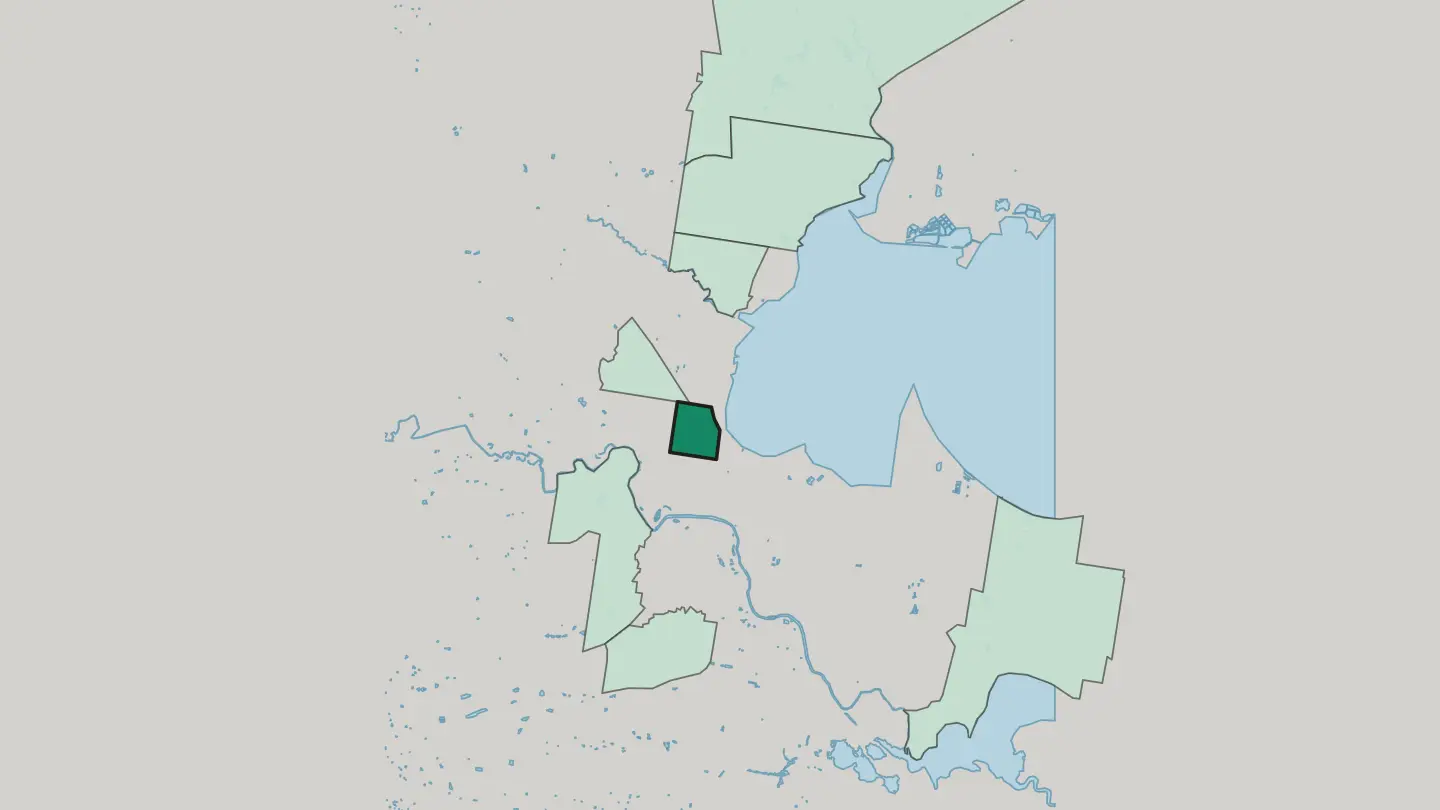
 GeelongAustralia
Highton
Highton is a residential suburb of Geelong, Victoria, spread along the Barwon River and up across the rolling Barrabool Hills.Where to stay →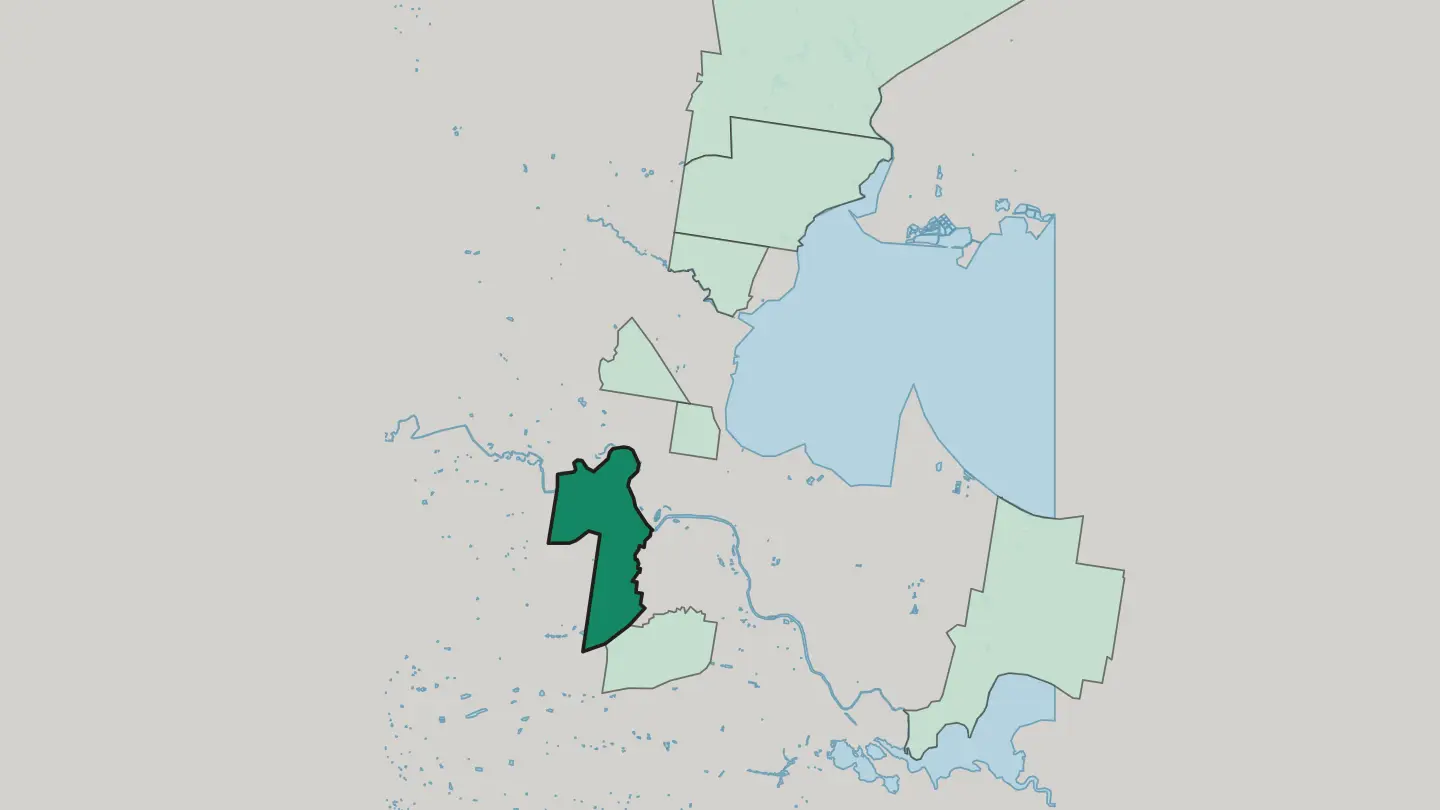 GeelongAustralia
Hamlyn Heights
Hamlyn Heights is a residential suburb of Geelong, laid out on hills west of the city that look down over Corio Bay.Where to stay →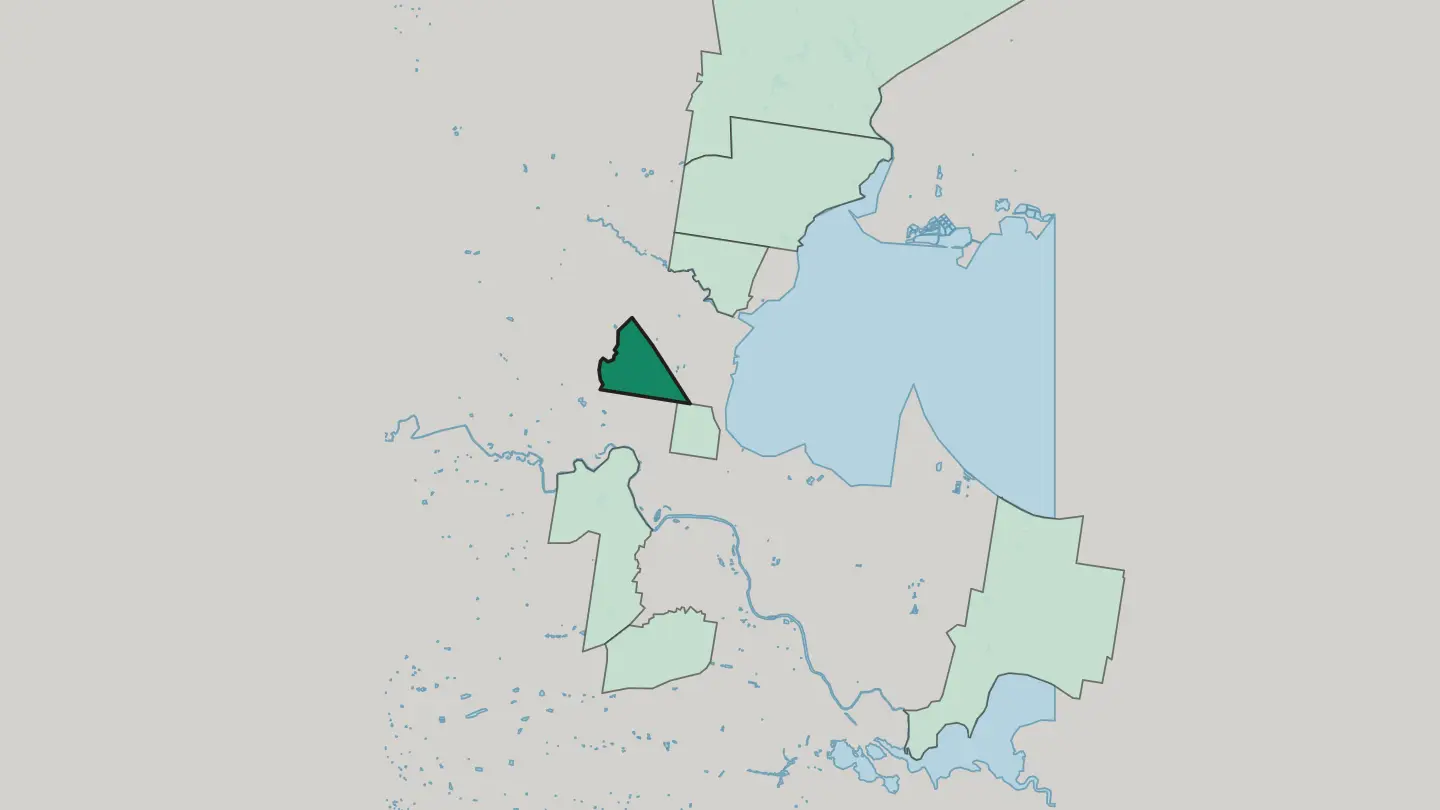
 GeelongAustralia
Grovedale
Grovedale, a southern suburb of Geelong in Victoria, is the residential district that holds Geelong Baseball Park.Where to stay →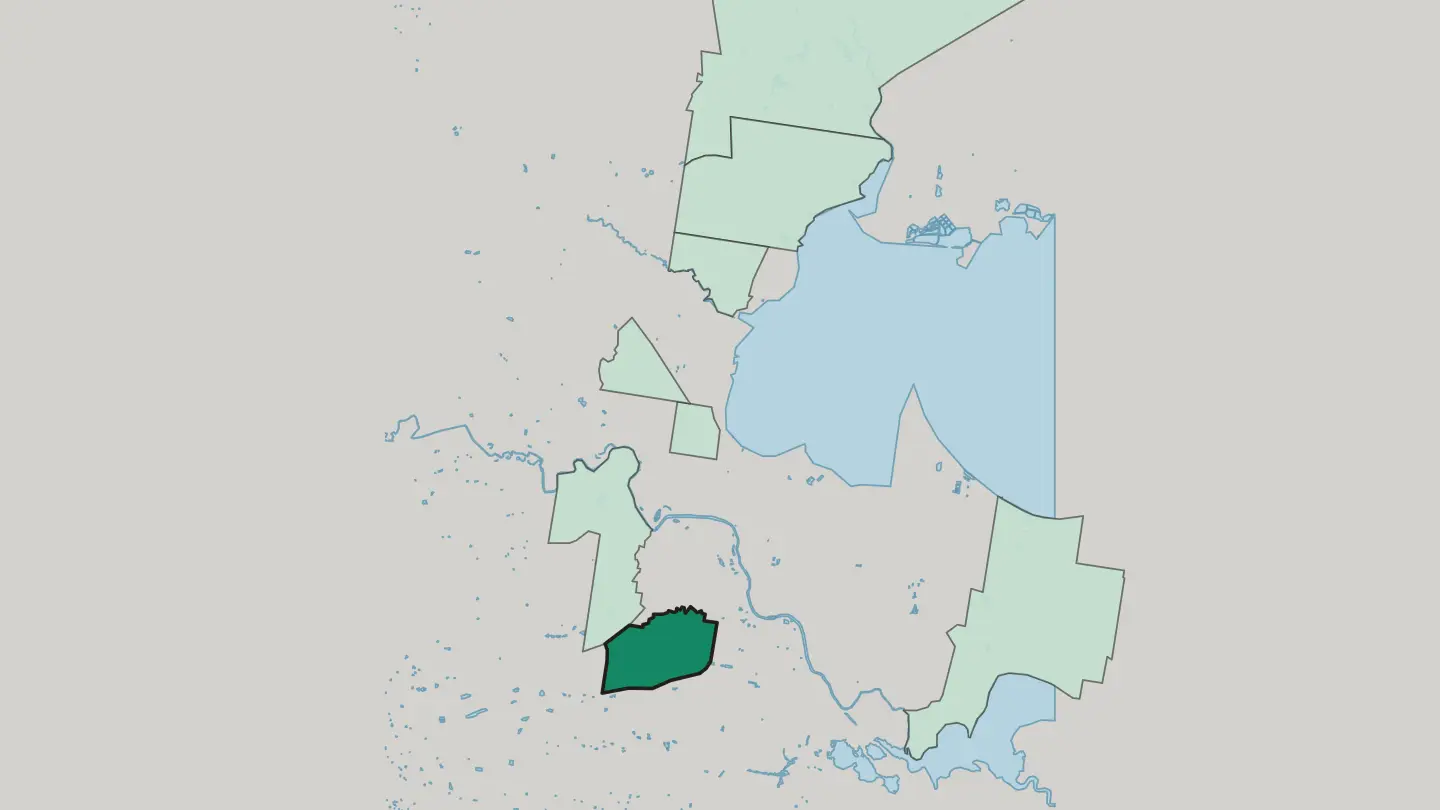 GeelongAustralia
Norlane
Norlane is a northern suburb of Geelong in Victoria, Australia, boxed in by Cowies Creek and Cox Road a kilometre back from Corio Bay.Where to stay →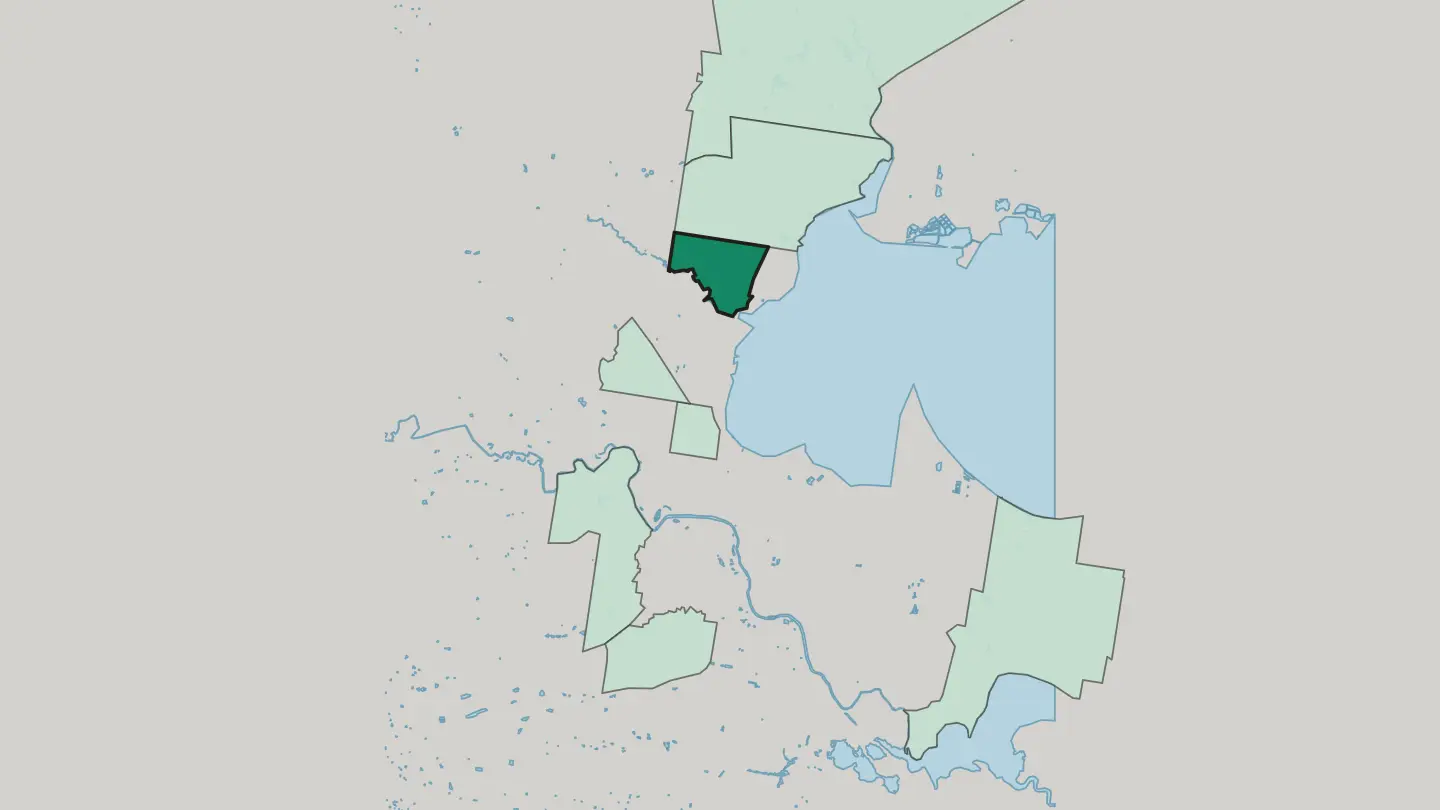 GeelongAustralia
Corio
Corio is a residential and industrial suburb of Geelong in Victoria, one of the city's largest, and was once known as Cowie's Creek.Where to stay →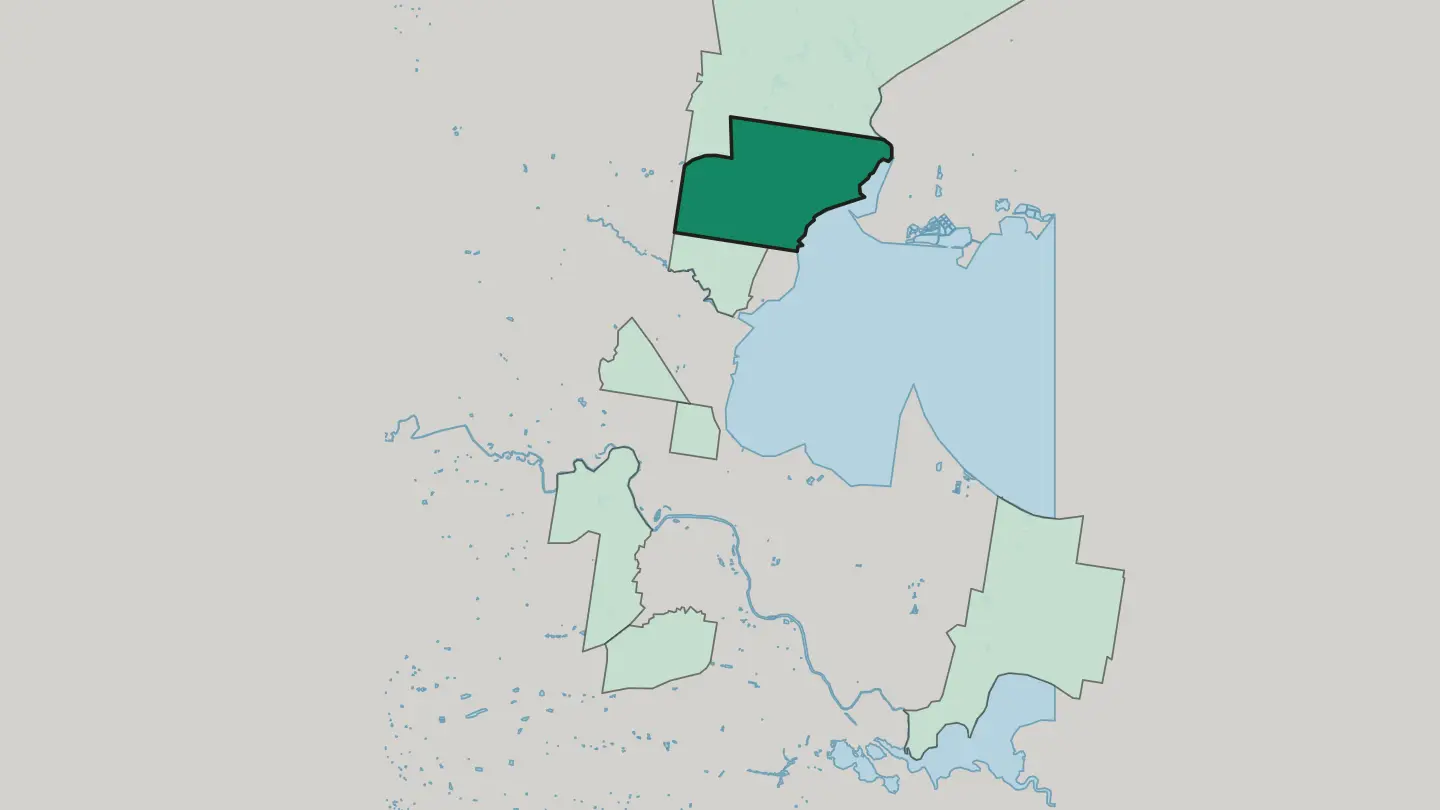 GeelongAustralia
Leopold
Leopold is a residential suburb on the eastern side of Geelong, Victoria, at the point where the Bellarine Peninsula begins.Where to stay →GeelongAustraliaLara
Lara is a country town in the Greater Geelong region of Victoria, inland from the Princes Freeway and a short way south of the You Yangs.Where to stay →Hotel links are affiliate links: booking through them may earn us a commission, at no extra cost to you. It never affects how places are ranked. How this works
Find hotels in Geelong
Direct booking searches for these neighbourhoods.
The waterfront
Along the Corio Bay bayfront, within a walk of the National Wool MuseumFind hotels in The waterfrontStays wanting the beaches and the coast roadThe Bellarine coast
Out east along the Bellarine shore, an easy start onto the Great Ocean RoadFind hotels in The Bellarine coastHotel links are affiliate links: booking through them may earn us a commission, at no extra cost to you. It never affects how places are ranked. How this works
Things to do in Geelong
Ranked by global recognition; descriptions from Wikidata (CC0).
Museums & Galleries
2- Geelong Art Gallery
- National Wool Museum
Churches & Religious Sites
5- St Mary of the Angels Basilica Heritage
- Christ Church Heritage
- St John's Lutheran church, Geelong Heritage
- Reformed Church of Geelong Heritage
- Holy Spirit Church Heritage
Stadiums & Sports
1- Geelong Baseball Park
Parks & Gardens
1- Hi-Lite Park
Landmarks & Notable Places
1- Lunan House Heritage
worth knowingacross 5 categories in Geelong
About Geelong
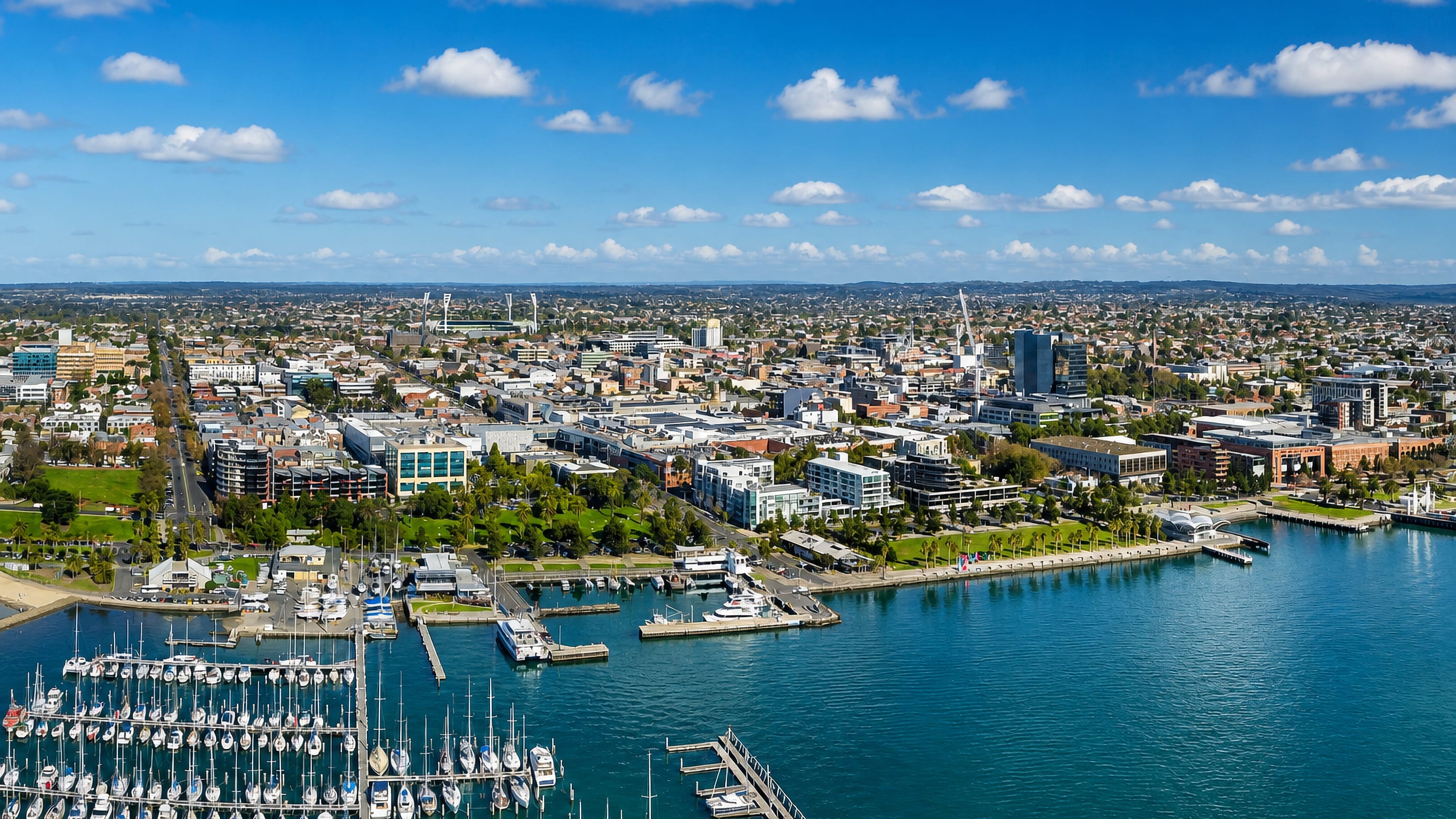
Geelong is a waterfront city on Corio Bay.
What is Geelong known for?
Its restored bayfront, lined with brightly painted bollards and an old carousel, looks out over the water toward Melbourne, and a wool museum recalls the days when the city was a capital of the wool trade. The coast road begins nearby. Bay and wool mark the city.
What are the main landmarks in Geelong?
The painted bollards line the waterfront of Geelong. Over a hundred timber figures, carved and brightly painted, stand along the bay promenade, the emblem of the city, above the beach. Museums fill the old wool stores.
The National Wool Museum tells the story of the trade, while the Geelong Art Gallery, the old carousel, and the art-deco Eastern Beach draw the crowds.
What is the history of Geelong?
Geelong grew as a wool port on the bay. Settlers founded the town in the eighteen-thirties on Corio Bay, and it boomed when the goldfields opened inland, becoming a busy port that shipped the wool of the western plains to the world. Wool built the city.
Great bluestone mills and stores rose along the water, and Geelong became one of the wool capitals of the land, its market setting prices across the world. Factories followed the wool. In the twentieth century the city turned to manufacturing, and a great car works and other plants made Geelong an industrial town beside its port.
In time the old trades faded. The mills and the car works closed, but the city turned its bayfront into a bright promenade of bollards, beaches, and cafés, and the wool stores became museums. The bay is the town's heart once more.
Geelong looks out over Corio Bay toward the coast.
Where is Geelong?
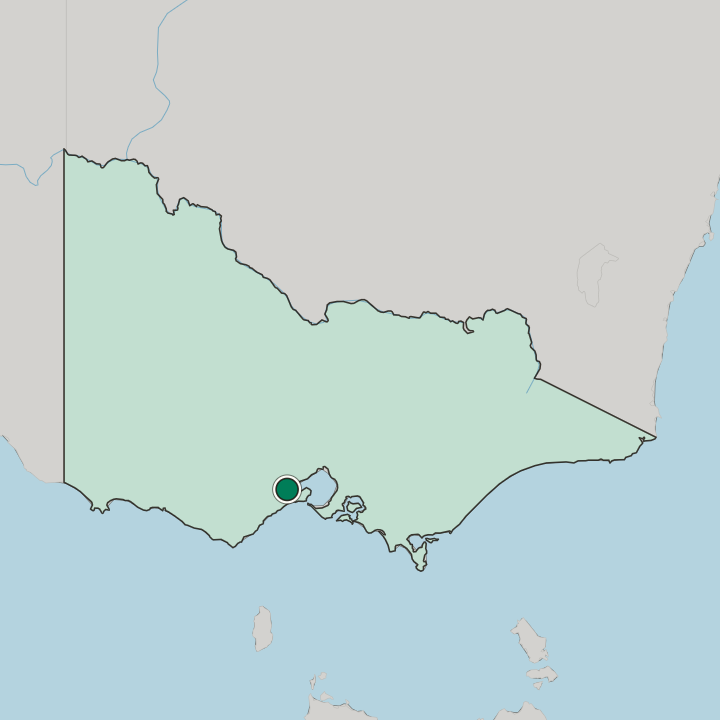
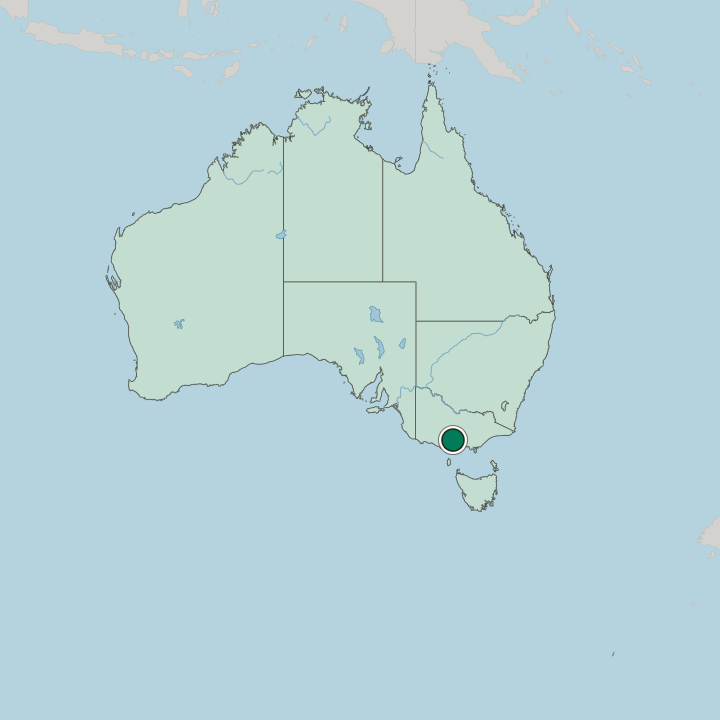
Geelong lies on Corio Bay in the south of Victoria. The city curves around the bay where the Barwon River meets the sea, on a plain of dry grassland southwest of Melbourne, near the wild coast of the south. Low hills rise behind the town.
The bay opens south to the ocean.
What is the climate of Geelong?
Geelong has a mild, temperate climate. Warm, dry summers bring the beach crowds, and the winters stay cool and wet off the Southern Ocean, with changeable weather all year. Sea winds sweep the bay in the afternoons.
The coast stays cool and breezy.
How do you get to Geelong?
Geelong lies southwest of Melbourne on the coast of Victoria. Trains and the freeway run to it from Melbourne across the plains, and the road goes on to the Great Ocean Road and the Bellarine coast. Buses reach the bay towns around.
Most arrive by road or rail from Melbourne.
Common questions
What is the best area to stay in Geelong?
The waterfront: Visitors here for the promenade, museums, and cafés. The Bellarine coast: Stays wanting the beaches and the coast road.
Good for
More cities in State of Victoria
Updated September 2026