Bosnia and Herzegovina
Federation of Bosnia and Herzegovina, Bosnia and Herzegovina — Towns & Travel Guide
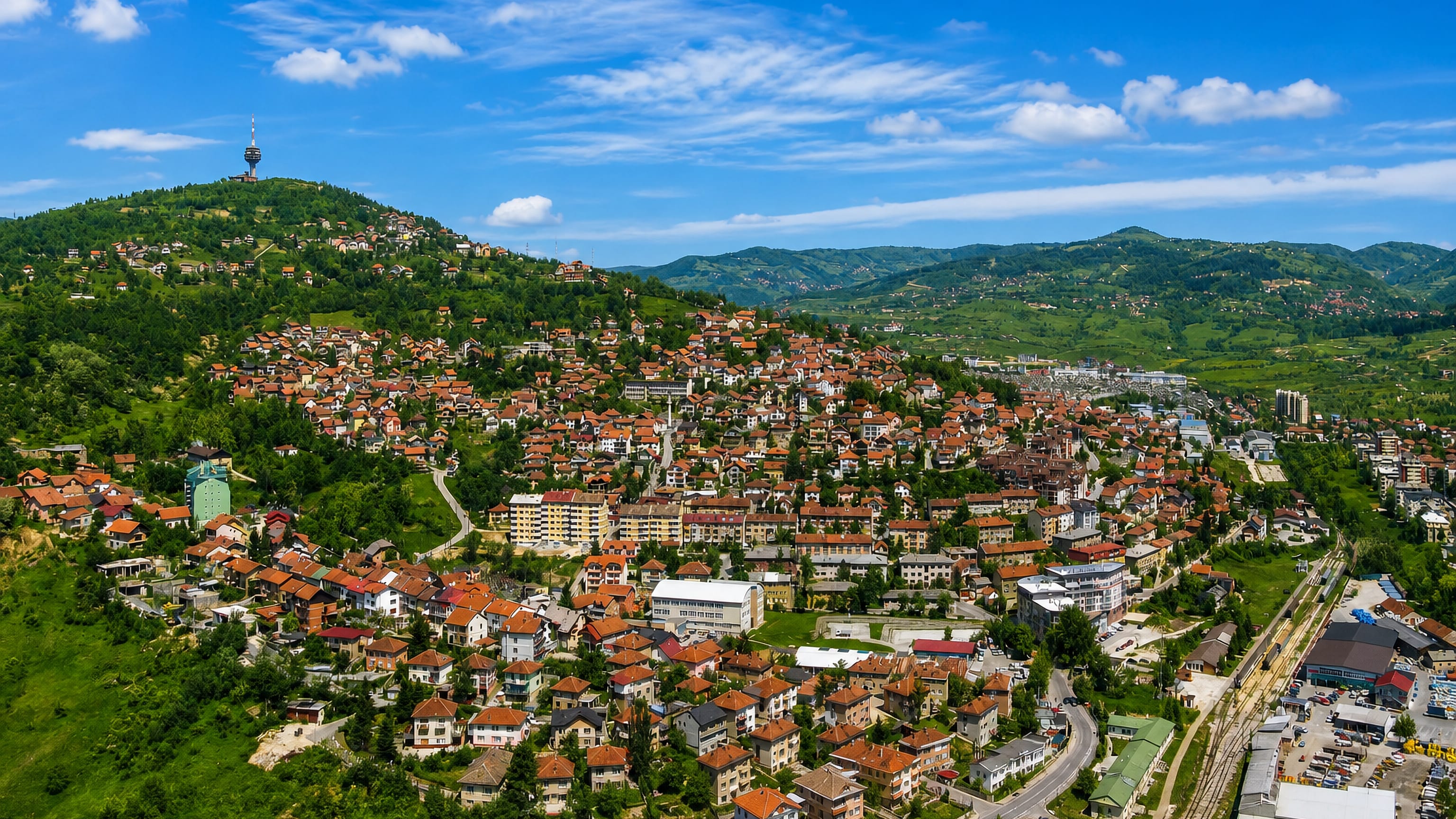
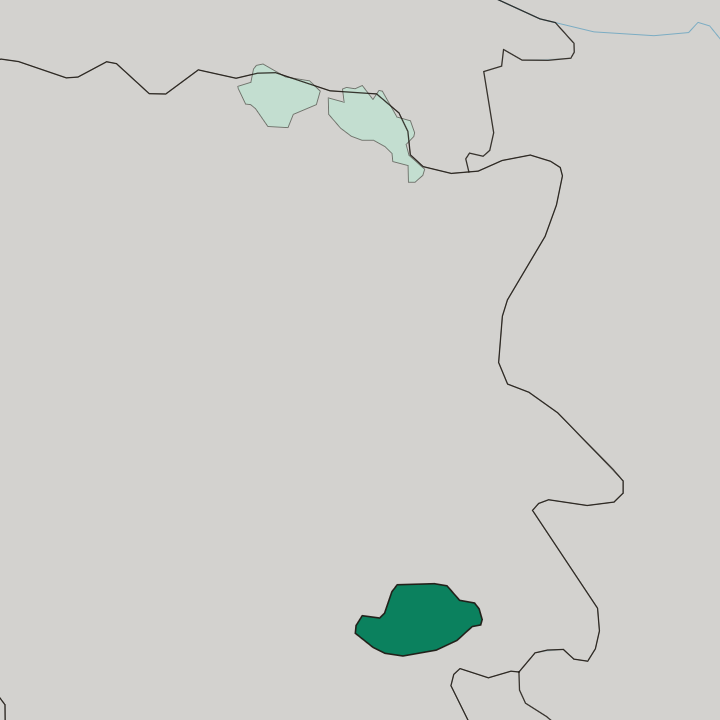
The Federation of Bosnia and Herzegovina is one of the two entities of Bosnia and Herzegovina, a mountainous region of ten cantons on the Balkan Peninsula.
Hotel links are affiliate links: booking through them may earn us a commission, at no extra cost to you. It never affects how places are ranked. How this works


Towns & cities in Federation of Bosnia and Herzegovina
Pick a town or city — each links to where to stay.
 Bosnia and Herzegovina
Sarajevo
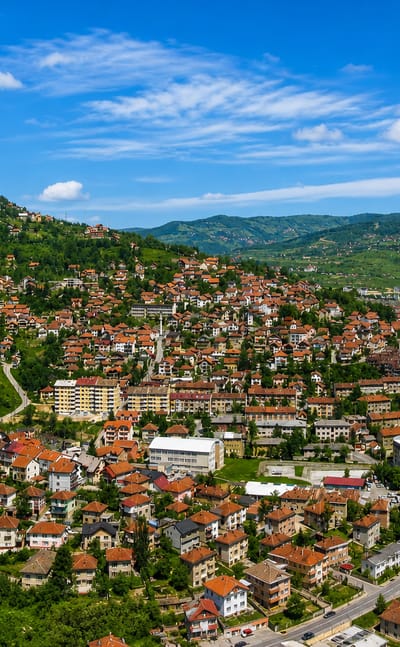
The Miljacka River threads the valley at Sarajevo, capital of Bosnia and Herzegovina, ringed by the Dinaric Alps and known for its Ottoman-era Old Town.Where to stay →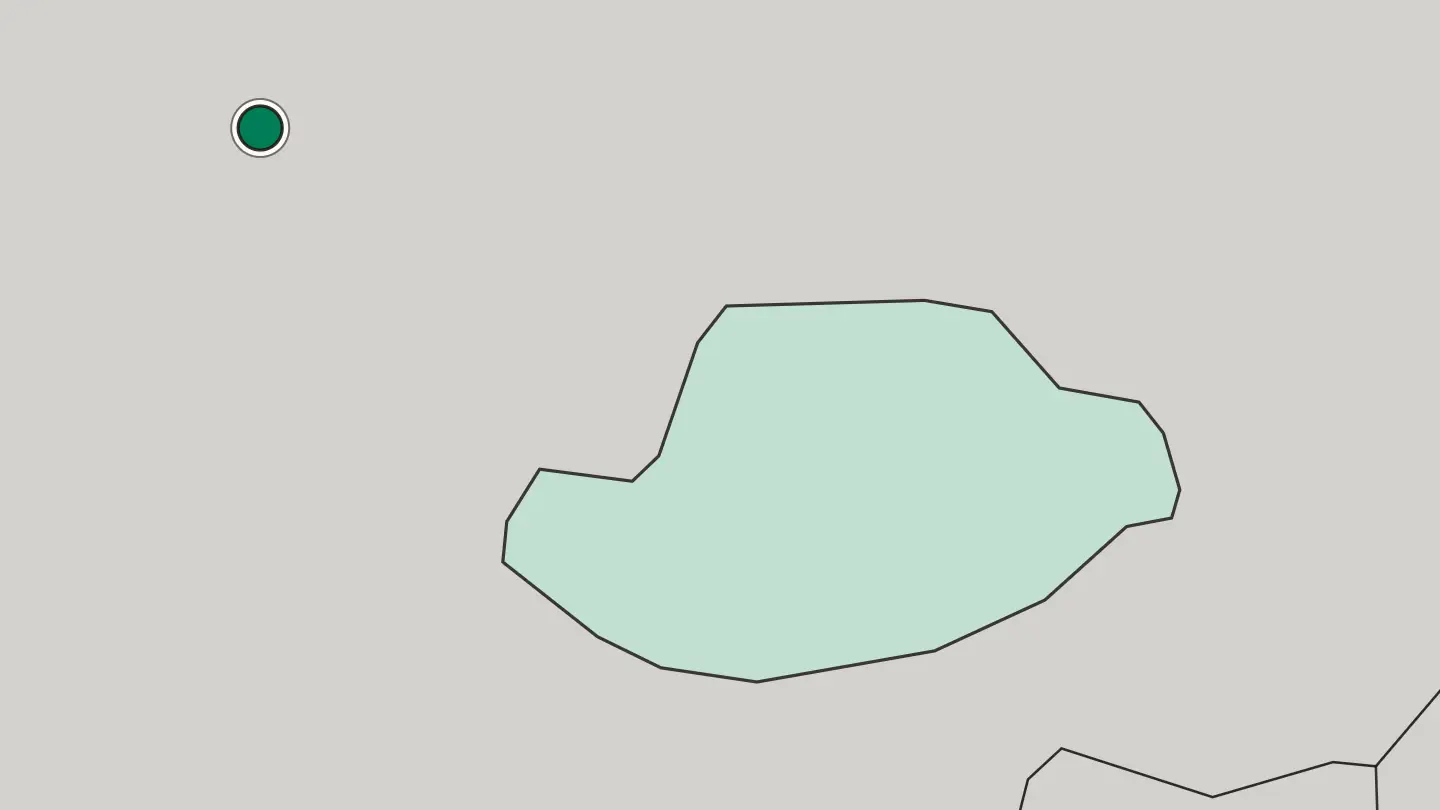
 Bosnia and Herzegovina
Zenica
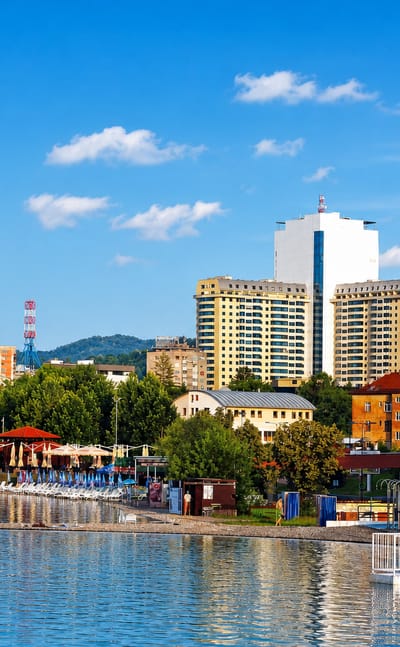
Zenica works the Bosna valley north of Sarajevo, a steel city ringed by hills and the seat of the Zenica-Doboj Canton.Where to stay →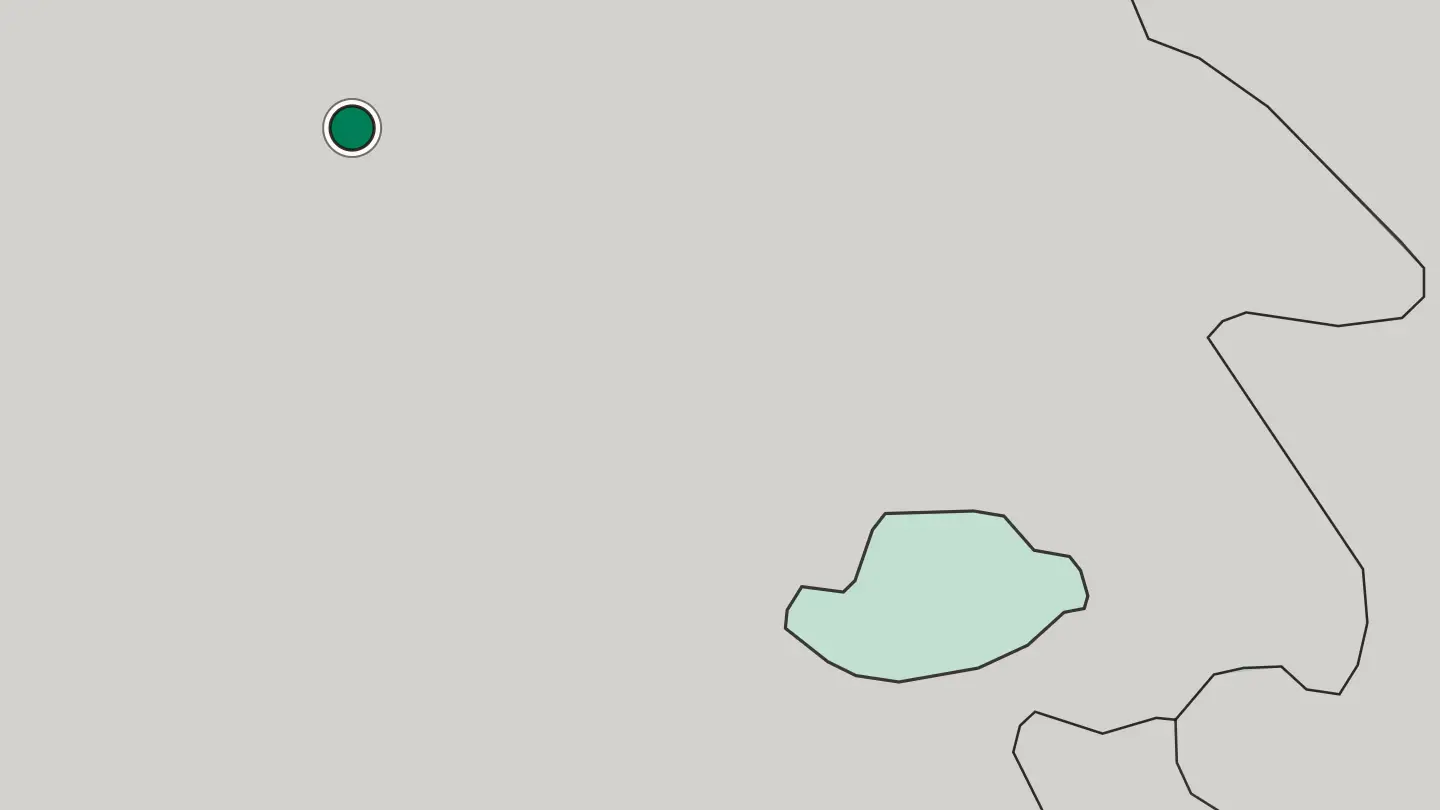
 Bosnia and Herzegovina
Tuzla
Tuzla is the third-largest city of Bosnia and Herzegovina, the seat of Tuzla Canton, known for Saint George church and its Franciscan monasteries.Where to stay →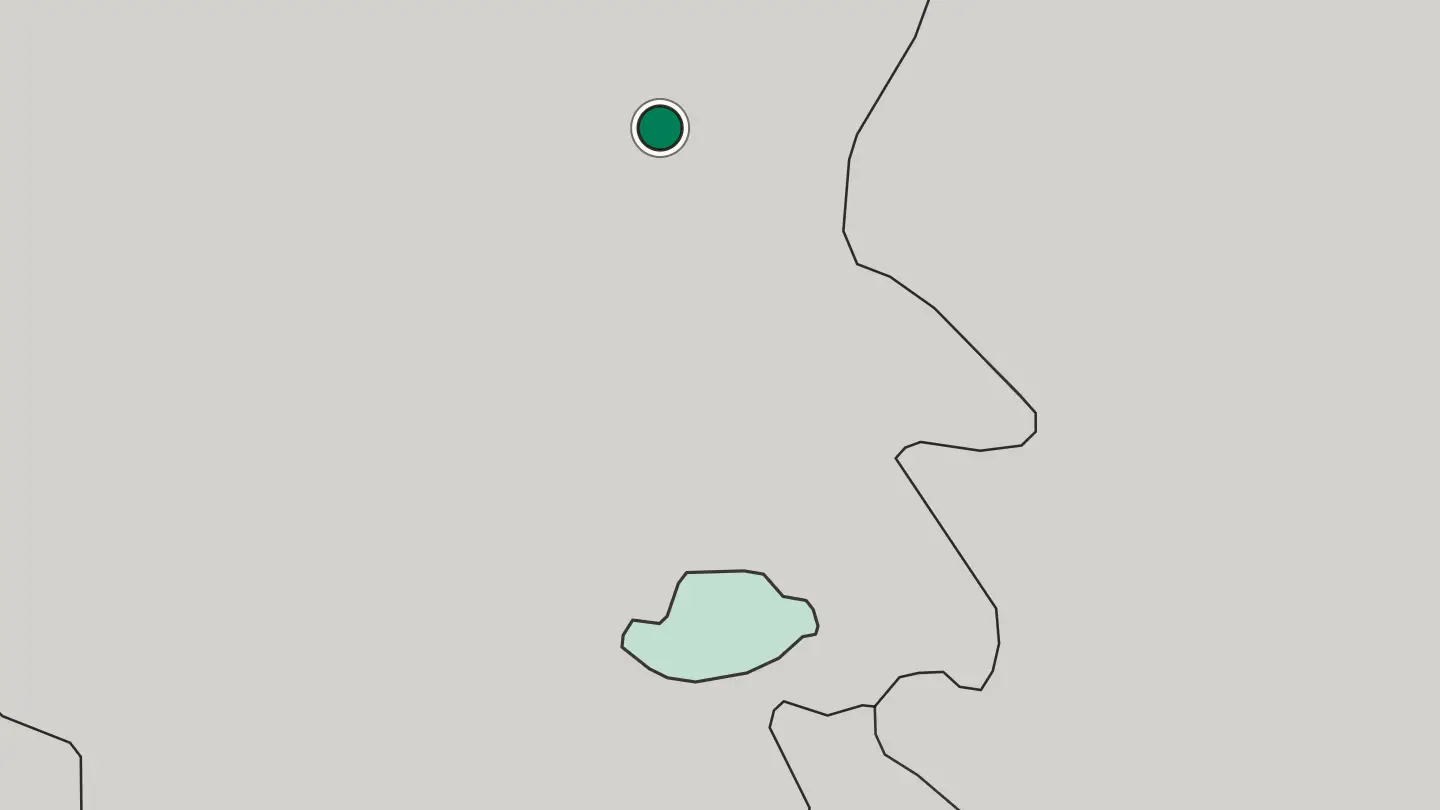
 Bosnia and Herzegovina
Mostar
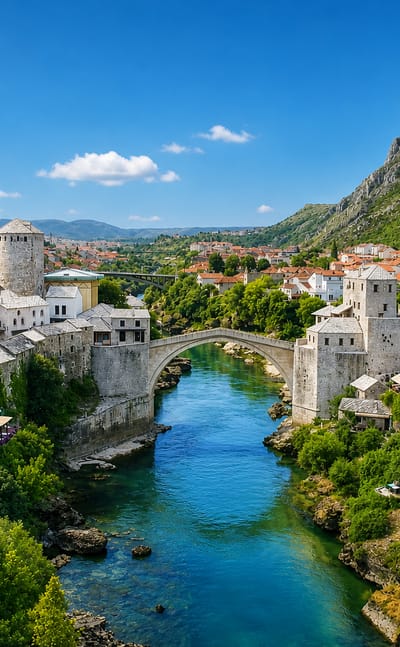
The Neretva River cuts a green gorge through Mostar, historical capital of Herzegovina, known for its arched stone bridge and rebuilt old town.Where to stay →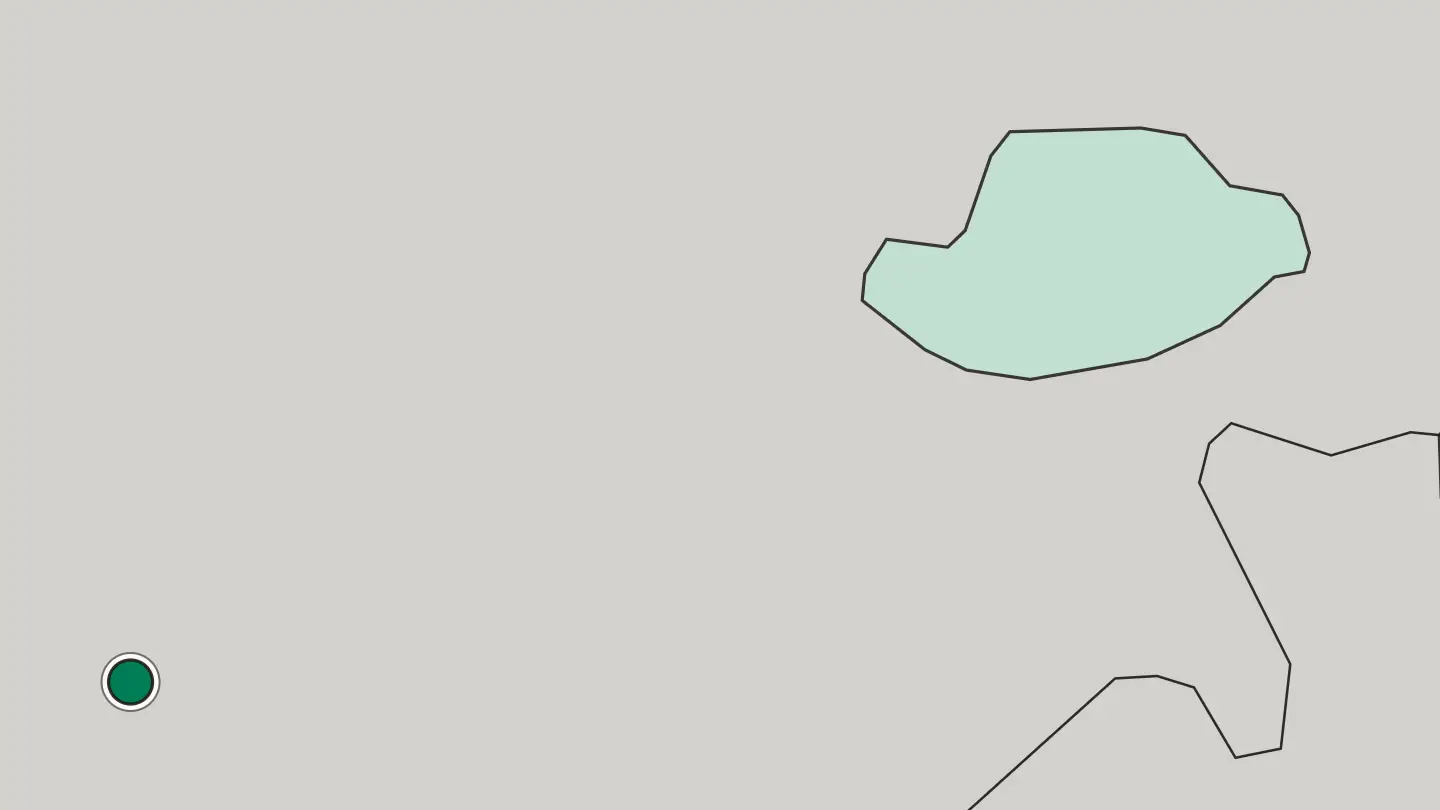
 Bosnia and Herzegovina
Bihać
Bihać stands on the banks of the Una in northwestern Bosnia and Herzegovina, the administrative centre of Una-Sana Canton.Where to stay →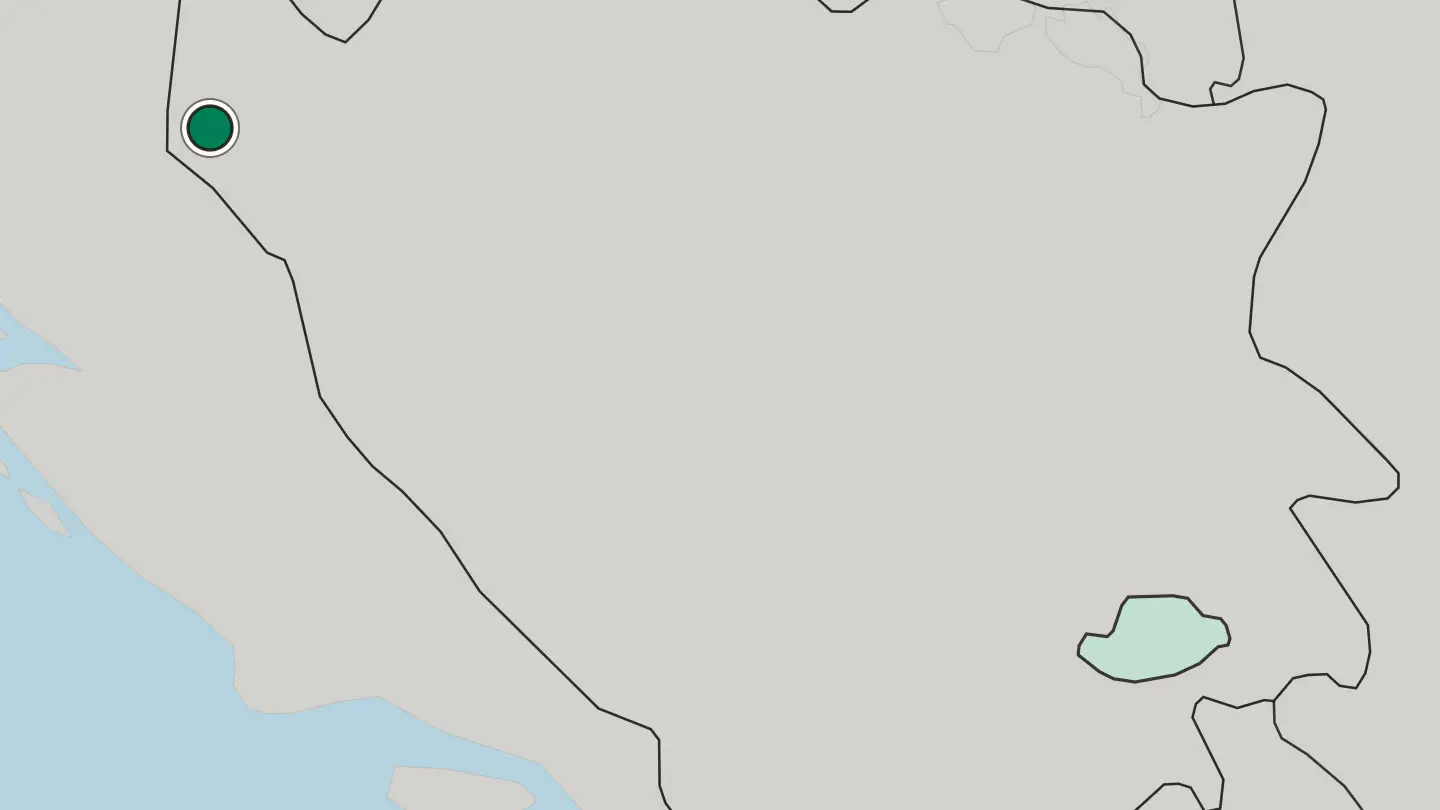
 Bosnia and Herzegovina
Ilidža
Ilidža is a spa town on the edge of Sarajevo, known above all for the Vrelo Bosne spring and for ground settled since Neolithic times.Where to stay →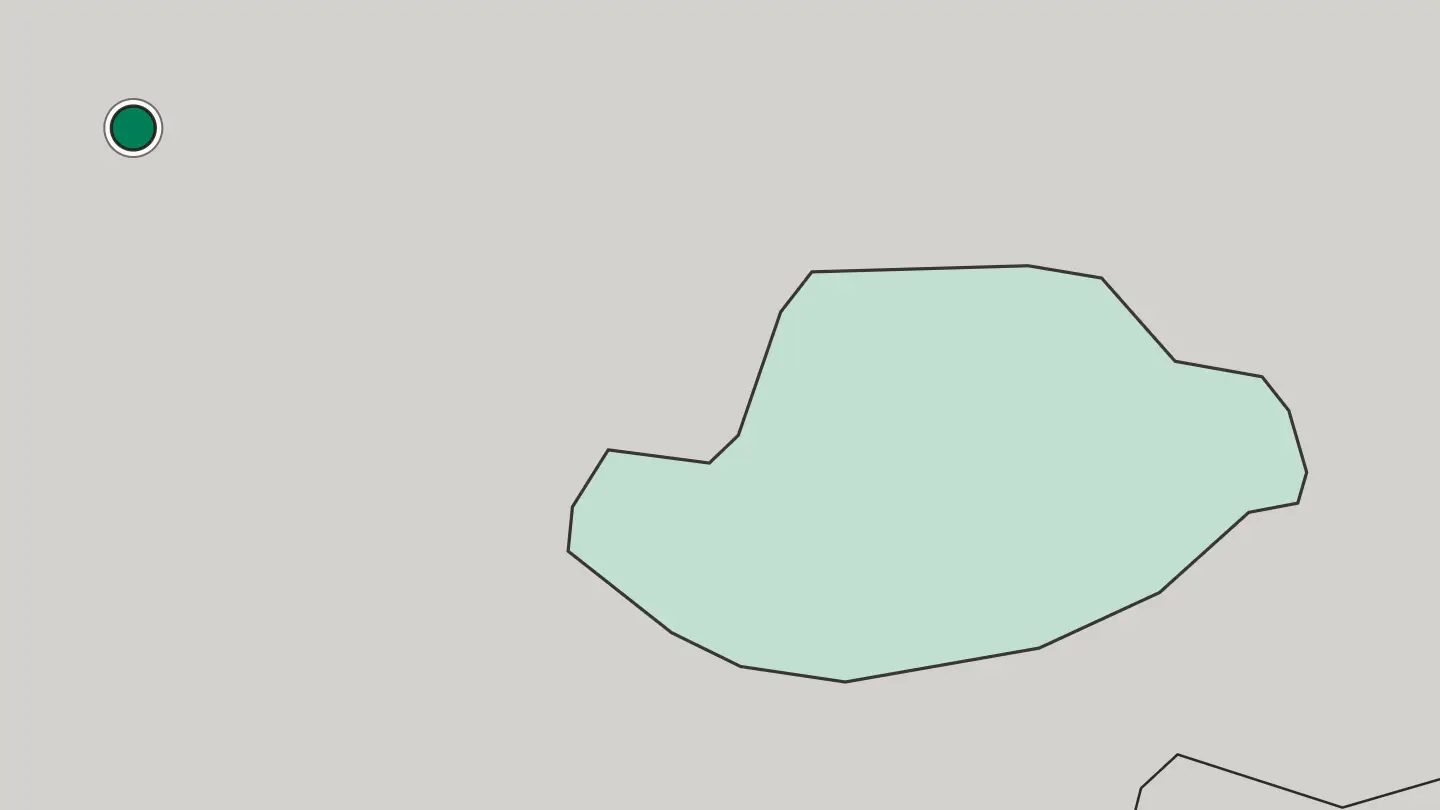
Hotel links are affiliate links: booking through them may earn us a commission, at no extra cost to you. It never affects how places are ranked. How this works
About Federation of Bosnia and Herzegovina
What is Federation of Bosnia and Herzegovina known for?
The Federation of Bosnia and Herzegovina is known as one of the two entities that share Bosnia and Herzegovina, the other being Republika Srpska. It groups ten autonomous cantons across the mountainous interior. Its cities include Sarajevo, the shared capital in its valley, and Mostar, the historical seat of Herzegovina on the Neretva.
A short stretch of Adriatic coast lies in the far south. Mountains define most of it.
Where is Federation of Bosnia and Herzegovina?
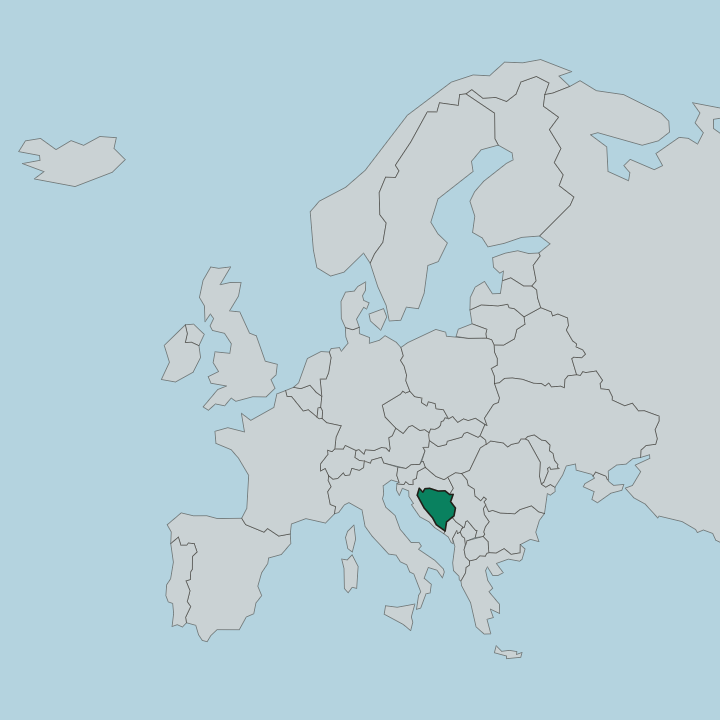
The Federation of Bosnia and Herzegovina spreads across the mountainous heart of the Balkan Peninsula, covering much of central and western Bosnia and Herzegovina. Ridge after ridge of high, forested country runs through its ten cantons, cut by river valleys that carry the roads and the towns. Most of it is upland, and the valleys hold the cities.
Water shapes the settled land. Sarajevo sits in a closed valley along the Miljacka, while Mostar guards the green gorge of the Neretva as it drops toward the coast. In the far south a thin strip reaches the Adriatic, the region's only sea.
Beyond the river towns the land rises into bare karst in Herzegovina and dense forest farther north, and the sharp relief keeps the cantons distinct from one another and from neighbouring Republika Srpska. Distances feel long over the mountains.
What is Federation of Bosnia and Herzegovina like?
The culture of the Federation of Bosnia and Herzegovina layers several faiths and empires across its cantons. Its two great cities show the pattern most clearly. In Sarajevo, mosques, Orthodox and Catholic churches, and a synagogue stand within a few streets of one another, a legacy of Ottoman and Austro-Hungarian centuries in the valley.
Mostar carries the same braid on the Neretva, where the rebuilt old bridge joins two banks of stone houses and bazaar lanes. Herzegovina in the south keeps a warmer, near-Mediterranean way of life, its karst hills given to vineyards and orchards, while the northern cantons hold to a cooler and forested upland tradition. Craft and coffee culture run through both.
The region shares a common written language across its communities, and the same history of Ottoman rule and later empire shaped the towns of Sarajevo and Mostar alike. Food, music, and faith cross the old canton lines freely. This shared inheritance sets the Federation apart from neighbouring Republika Srpska.
What is the history of Federation of Bosnia and Herzegovina?
The Federation of Bosnia and Herzegovina was established in 1994 as one of the two entities that make up Bosnia and Herzegovina. Its territory, long ruled from Sarajevo and Mostar, passed through Ottoman and then Austro-Hungarian centuries before the twentieth century redrew the map. The ten-canton structure gave each area its own government within the entity.
The other entity is Republika Srpska. Older cities carry a far deeper past.
What is the climate of Federation of Bosnia and Herzegovina?
The Federation of Bosnia and Herzegovina spans two climates set by its relief. The mountainous interior around Sarajevo holds cold, snowy winters and warm summers. In the south, the karst country of Herzegovina and the Neretva valley turn warmer and near-Mediterranean, with hot, dry summers.
Snow lingers on the high ground. The thin Adriatic edge stays mildest of all.
How do you get to Federation of Bosnia and Herzegovina?
The Federation of Bosnia and Herzegovina is reached mainly through Sarajevo, its largest city and the hub of the wider country. Road and rail thread the mountain valleys, following the Miljacka and Neretva corridors between the cantons and south toward the Adriatic. Mostar sits on the main route to the coast.
Airports serve the larger cities. Mountain passes link the rest.
Good for
Another region in Bosnia and Herzegovina
Updated September 2026