Bangladesh · Chittagong
Where to Stay in Chattogram, Chittagong
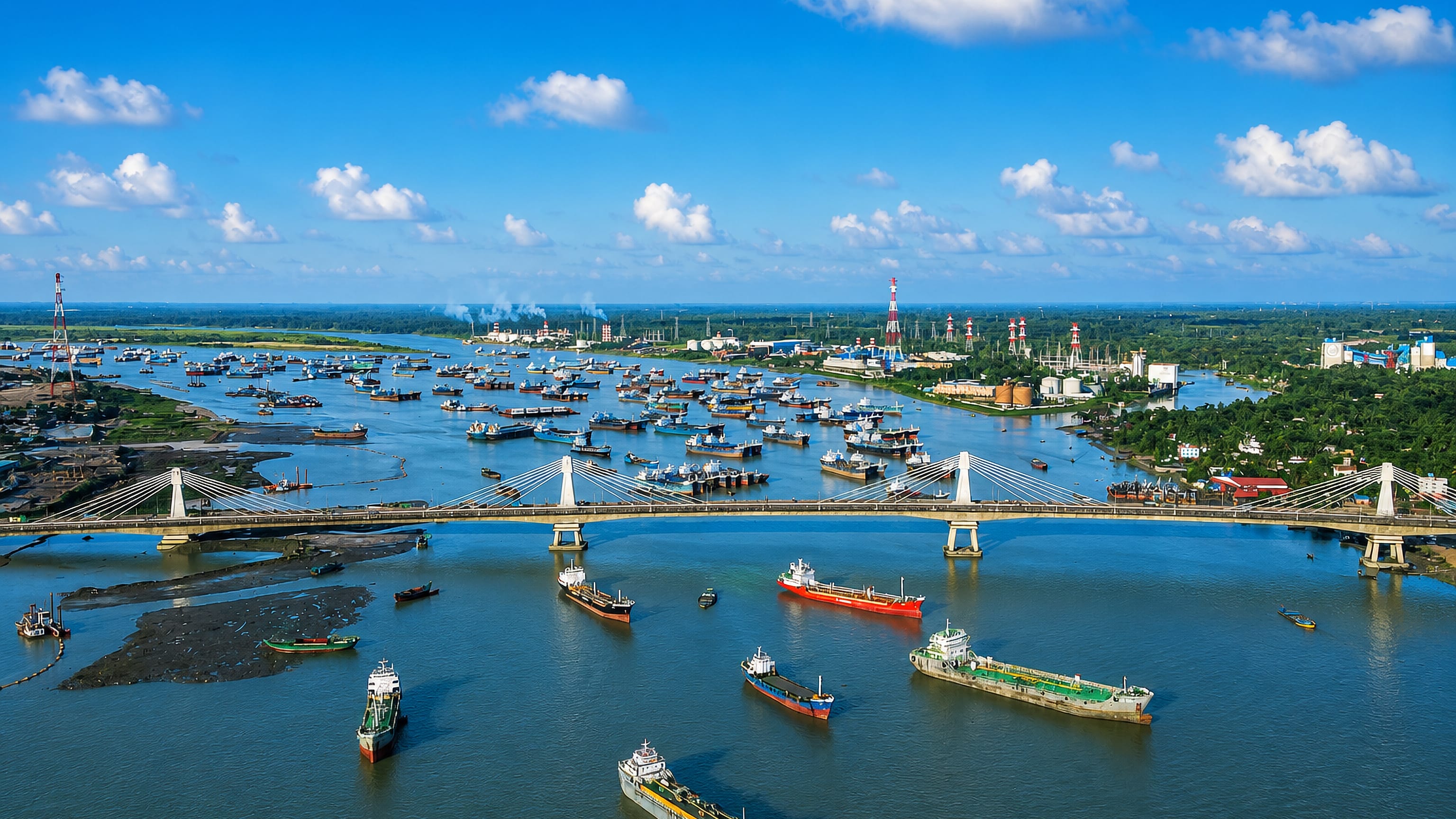
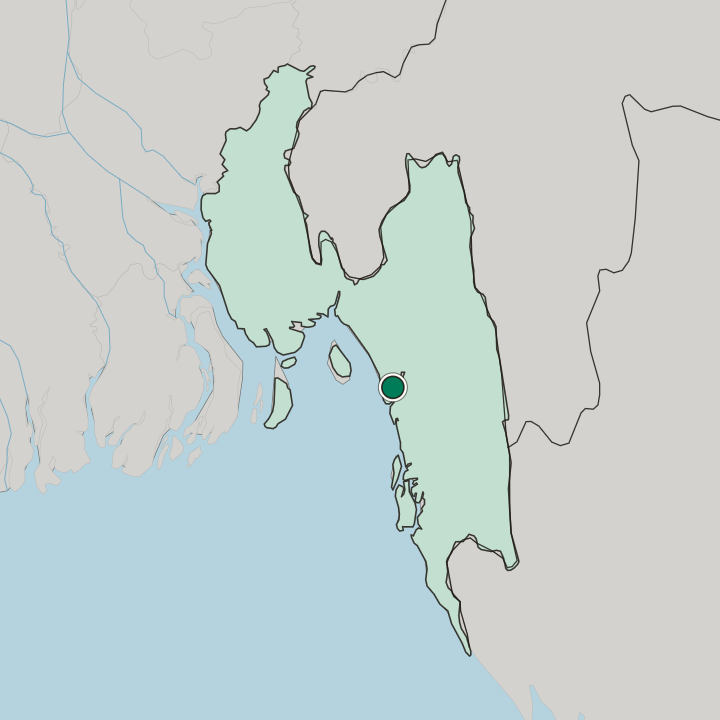
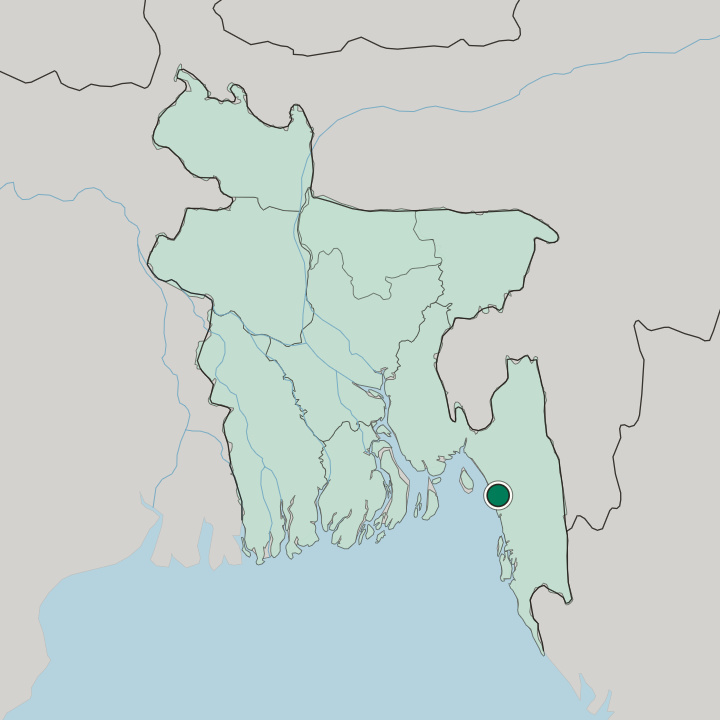
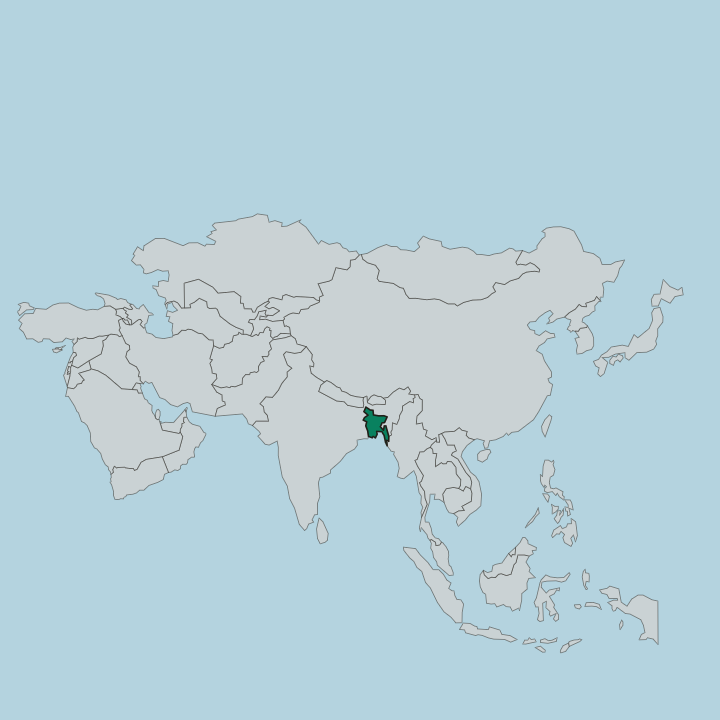
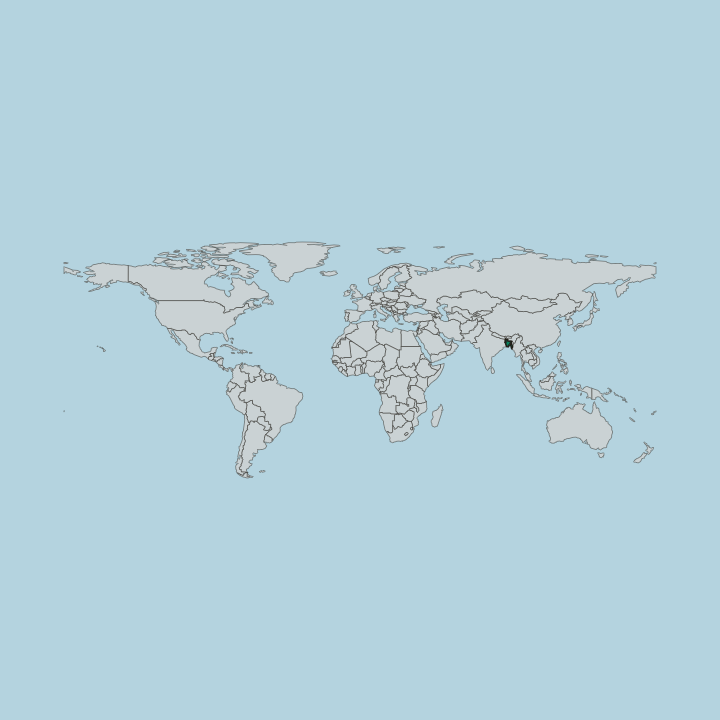
Chattogram is Bangladesh's second-largest city, a port on the Karnaphuli River near the shore of the Bay of Bengal.
Hotel links are affiliate links: booking through them may earn us a commission, at no extra cost to you. It never affects how places are ranked. How this works


Where to stay in Chattogram
Not every neighbourhood fits every trip — here's what each one is good for.

 ChattogramBangladesh
Lāldighi
At the end of Jail Road in Chattogram, Lāldighi is a small civic plot ringed by district council buildings, with Andarkilla on one side.Where to stay → ChattogramBangladesh
Agrābād
Agrābād is the central business district of Chattogram, holding the Chittagong Stock Exchange and the banks that work the harbour trade.Where to stay →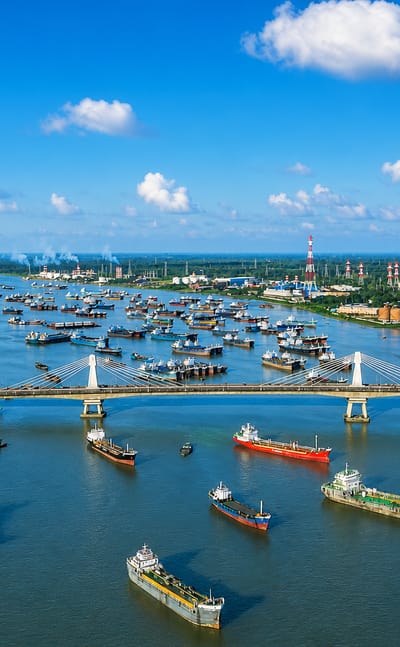 ChattogramBangladesh
Pānchlais
A thana of some 27 square kilometres, Pānchlais lies inside Chattogram and carries the Swadhinata Stambha as its one monument.Where to stay →ChattogramBangladeshPāhārtali
The Bangladesh Railway Museum is the one address the record gives Pāhārtali, a thana of about eight square kilometres inside Chattogram.Where to stay →Hotel links are affiliate links: booking through them may earn us a commission, at no extra cost to you. It never affects how places are ranked. How this works
Find hotels in Chattogram
Direct booking searches for these neighbourhoods.
Commercial core
Rooms sit beside the Chittagong Stock Exchange and the Central Shaheed Minar, minutes from the Karnaphuli River waterfront and the Ethnological Museum.Find hotels in Commercial coreSlower travellers who prefer quiet residential lanes over the harbour dinHill-facing slopes
Leafier streets rise toward the Chittagong Hill Tracts, set back from the port with open views over the Karnaphuli River toward the Bay of Bengal.Find hotels in Hill-facing slopesHotel links are affiliate links: booking through them may earn us a commission, at no extra cost to you. It never affects how places are ranked. How this works
Things to do in Chattogram
Ranked by global recognition; descriptions from Wikidata (CC0).
Museums & Galleries
3- Zia Memorial Museum
- Ethnological Museum
- Bangladesh Railway Museum
Churches & Religious Sites
2- Church of the Immaculate Conception Heritage
- Our Lady of the Holy Rosary Cathedral
Castles & Historic Sites
1- Swadhinata Stambha
worth knowingacross 3 categories in Chattogram
About Chattogram
What is Chattogram known for?
Chattogram, still widely called Chittagong, is the business capital of Bangladesh and the anchor of the Greater Chittagong region. The Port of Chittagong is the busiest harbour on the Bay of Bengal, and the Chittagong Stock Exchange runs from the same city. Trade defines it.
Tea, jute, and petroleum products move out through its wharves, tying the export economy to the wider country and giving the streets their working, commercial character.
What are the main landmarks in Chattogram?
Chattogram keeps its landmarks between the waterfront and the older residential quarters. The Central Shaheed Minar and the Swadhinata Stambha stand as memorials to language and independence. Museums gather the rest.
The Ethnological Museum, the Bangladesh Railway Museum, the Zia Memorial Museum, and the Maritime Museum record the peoples, transport, and sea trade of the Karnaphuli River city. Two colonial-era churches, Our Lady of the Holy Rosary Cathedral and the Church of the Immaculate Conception, mark an older Christian presence near the port.
What is the history of Chattogram?
Chattogram grew up as a harbour where the Karnaphuli River empties into the Bay of Bengal, and the sea shaped it from the start. Commerce arrived before anything else. The sheltered river mouth drew merchants and shippers long before the modern port took form, and goods bound for the wider world moved through its wharves for centuries.
Water made its fortune. A Christian community left its mark in the colonial period, raising Our Lady of the Holy Rosary Cathedral and the Church of the Immaculate Conception near the working waterfront, buildings that still stand among the commercial streets. The Bangladesh Railway Museum records the arrival of the railway, which tied the port to the interior and the Greater Chittagong region beyond.
Then came nationhood. The Central Shaheed Minar honours the language movement, while the Swadhinata Stambha marks the independence of Bangladesh, and the Zia Memorial Museum preserves the memory of a national leader. The Port of Chittagong grew into the busiest harbour on the Bay of Bengal, and the Chittagong Stock Exchange gave the city a financial role to match its trading past.
Tea, jute, and petroleum products still leave through the same river mouth.
Where is Chattogram?
Chattogram sits on the banks of the Karnaphuli River, between the Chittagong Hill Tracts and the Bay of Bengal. The river runs through the built-up core to reach the sea, and the Port of Chittagong lines its lower course near the open water. Hills close in behind.
Wooded ridges of the Chittagong Hill Tracts rise inland from the harbour, so the city climbs from the tidal river toward higher ground, its districts strung between the water and the slopes across the Greater Chittagong region.
What is the climate of Chattogram?
Chattogram has a tropical climate, shaped by the sea and the moisture drawn in off the Bay of Bengal. Monsoon rules the year. The wet months are hot and heavy with rain sweeping in from the water, and storms can drive up the Karnaphuli River from the open bay.
Winters stay warm and drier. The cooler, calmer months are the kindest for walking the port city and the ground rising toward the Chittagong Hill Tracts.
How do you get to Chattogram?
Chattogram is reached by air, rail, and sea, the maritime gateway of the Greater Chittagong region. Ships still work the river. Deep-water berths of the Port of Chittagong line the lower Karnaphuli River near the Bay of Bengal, where cargo bound across the country and beyond passes in and out of the harbour.
Long-distance trains converge on the city as well, a rail history recalled at the Bangladesh Railway Museum, while roads carry the rest of the traffic inland toward the Chittagong Hill Tracts.
Common questions
What is the best area to stay in Chattogram?
Commercial core: First-time visitors who want the working port and the trading offices at the doorstep. Hill-facing slopes: Slower travellers who prefer quiet residential lanes over the harbour din.
Good for
More cities in Chittagong
Updated September 2026