Bangladesh
Chittagong, Bangladesh — Towns & Travel Guide
Chittagong is Bangladesh's south-eastern division: a busy port, hill country and the long Cox's Bazar beach.
Hotel links are affiliate links: booking through them may earn us a commission, at no extra cost to you. It never affects how places are ranked. How this works


Towns & cities in Chittagong
Pick a town or city — each links to where to stay.
 Bangladesh
Chattogram
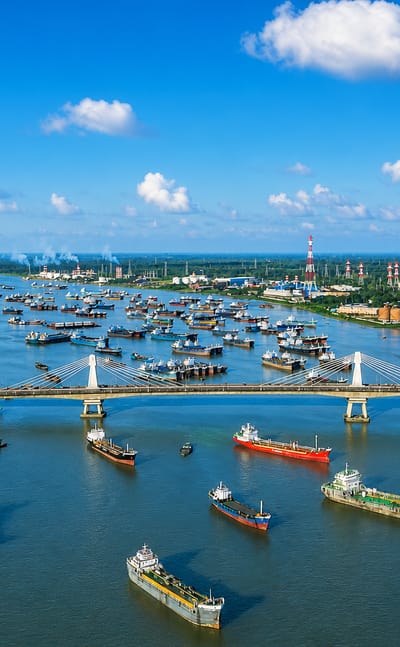
Chattogram is Bangladesh's second-largest city, a port on the Karnaphuli River near the shore of the Bay of Bengal.Where to stay →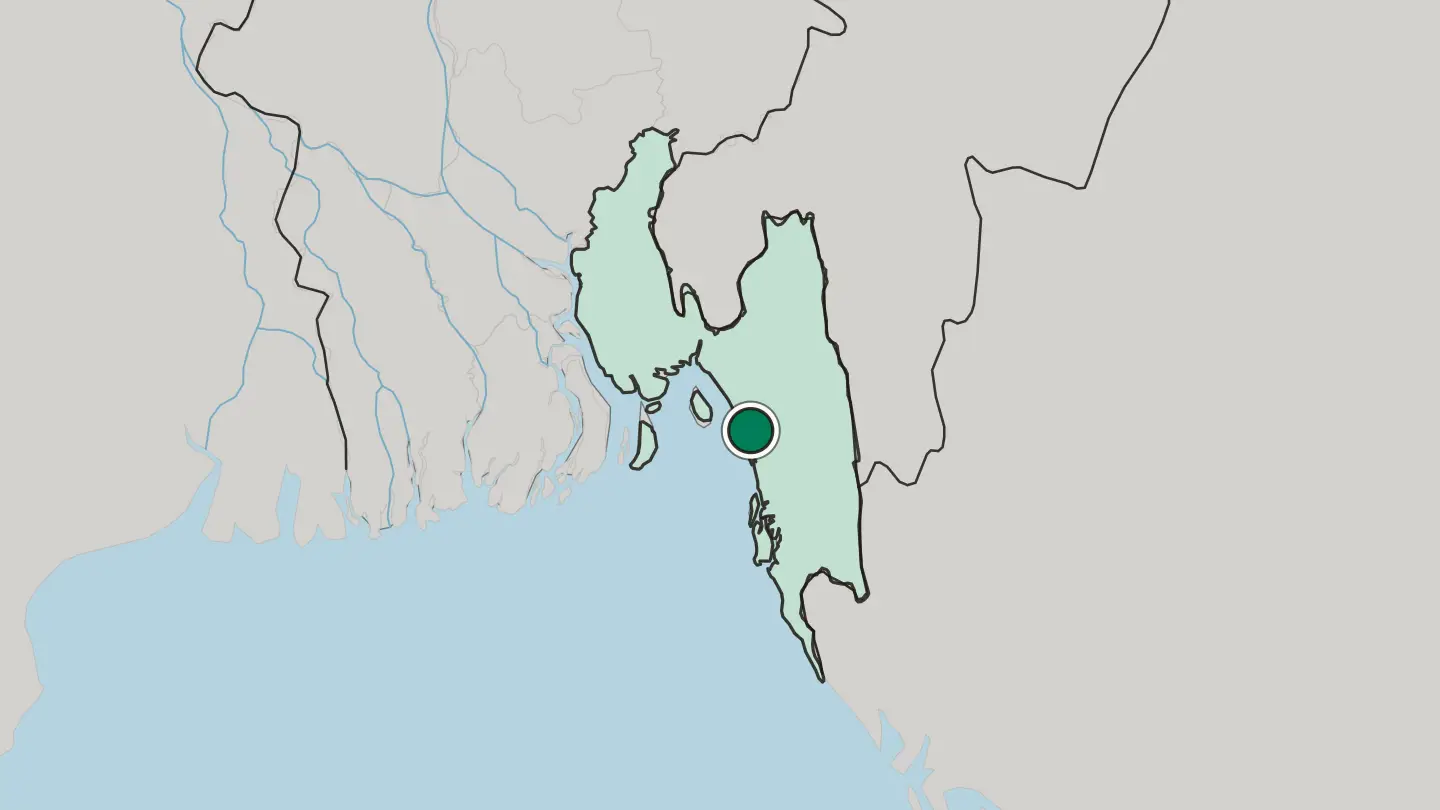
 Bangladesh
Comilla
Comilla is a city in eastern Bangladesh, famous for the ancient Buddhist ruins of Mainamati in the low hills nearby.Where to stay →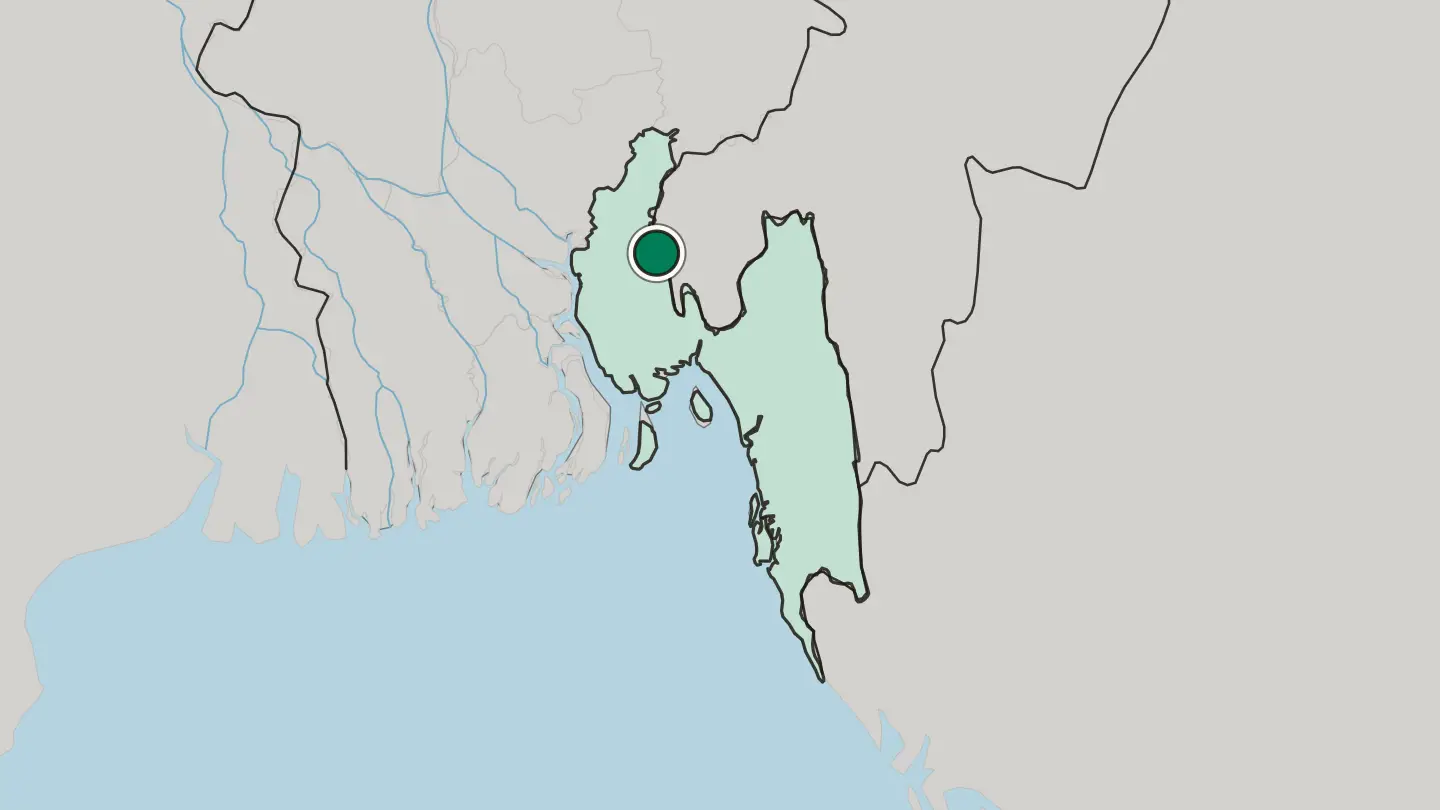
 Bangladesh
Brāhmanbāria
Brāhmanbāria sits on the Gangetic Plain farmland of eastern Bangladesh, the seat of Brahmanbaria District in the Chittagong Division.Where to stay →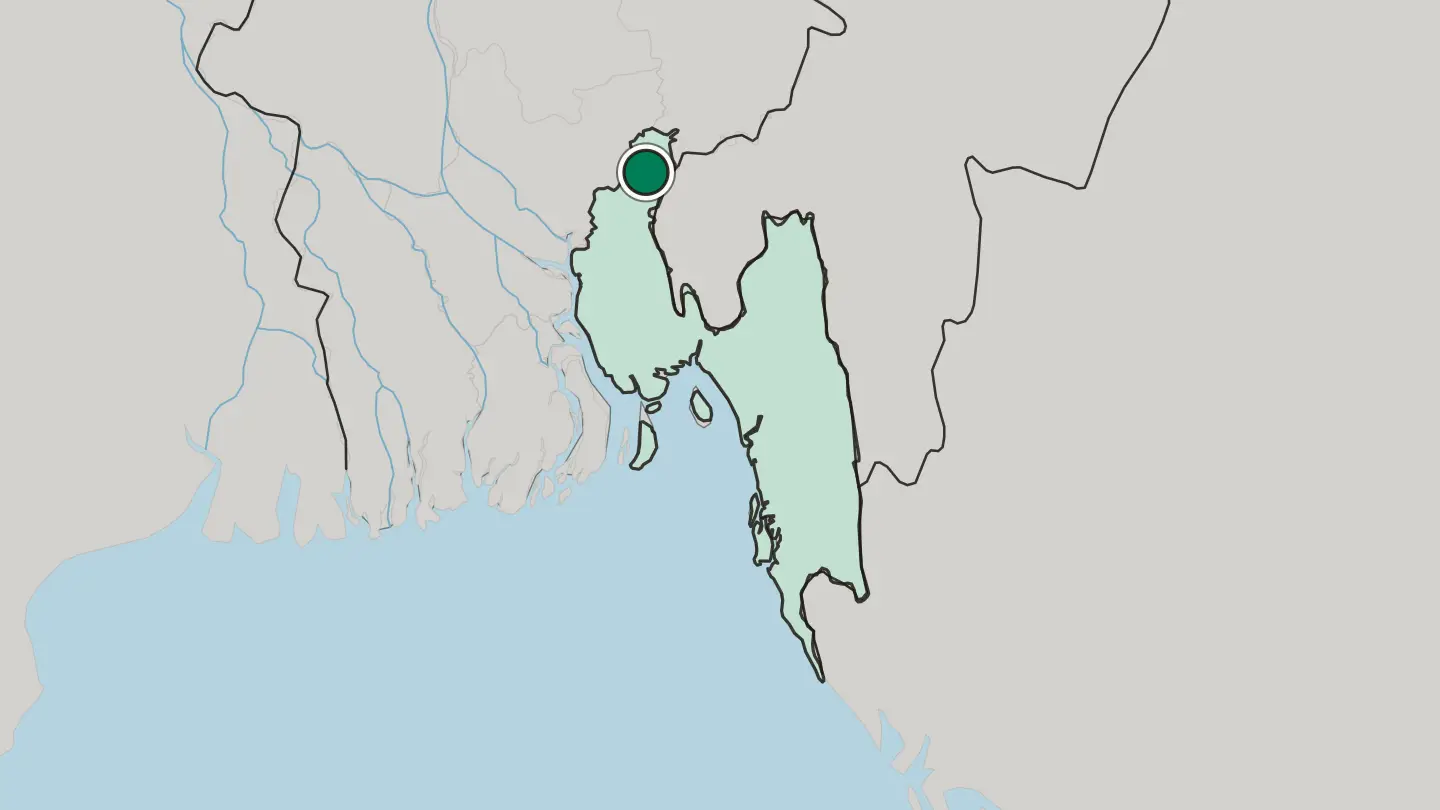
 Bangladesh
Cox’s Bāzār
Cox's Bazar is a coastal town of southeastern Bangladesh, famed for the longest natural sea beach in the world along the Bay of Bengal.Where to stay →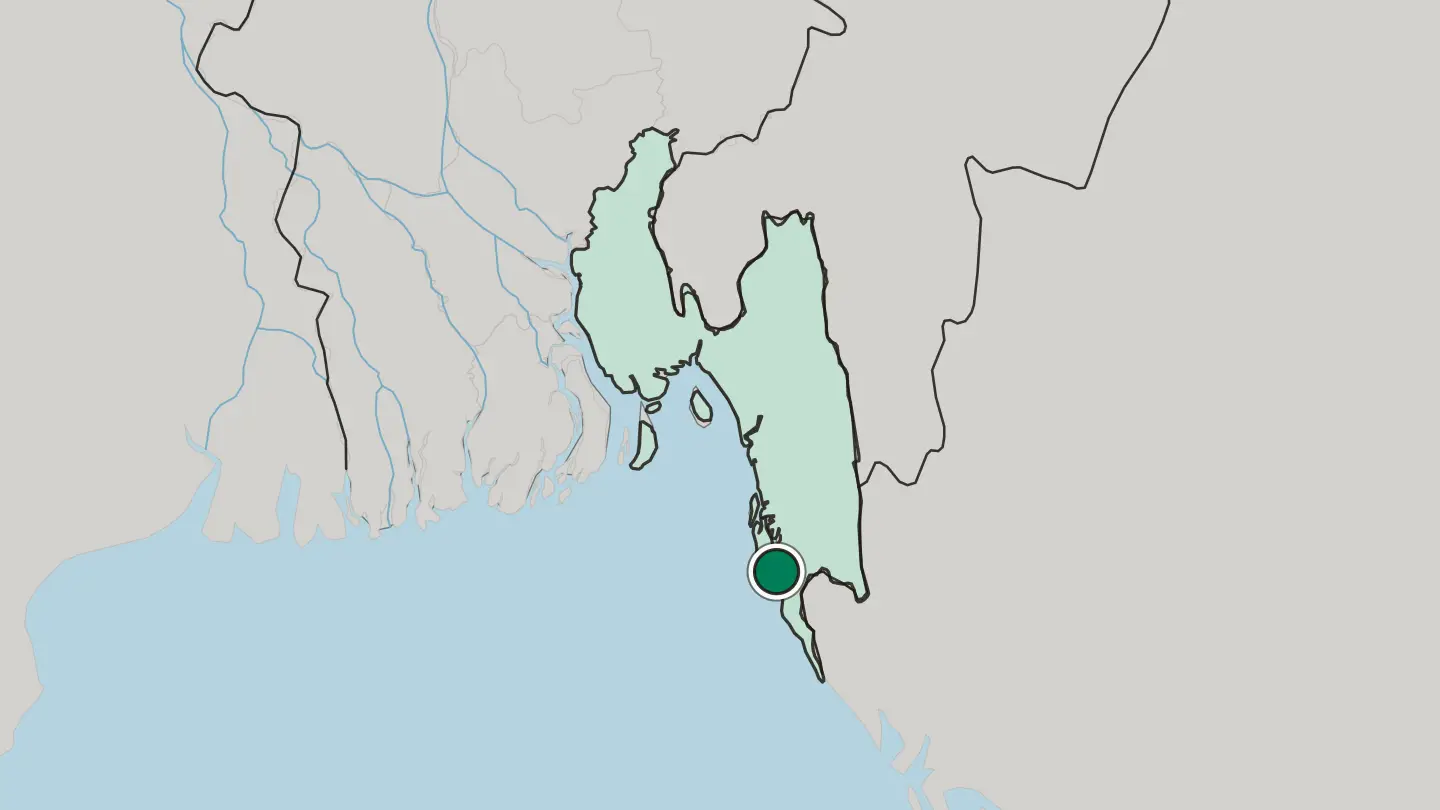 Bangladesh
Chāndpur
Chāndpur is an upazila town. Chandpur Sadar Upazila sits inside Chandpur District, one of the units that make up the Chittagong Division of Bangladesh.Where to stay →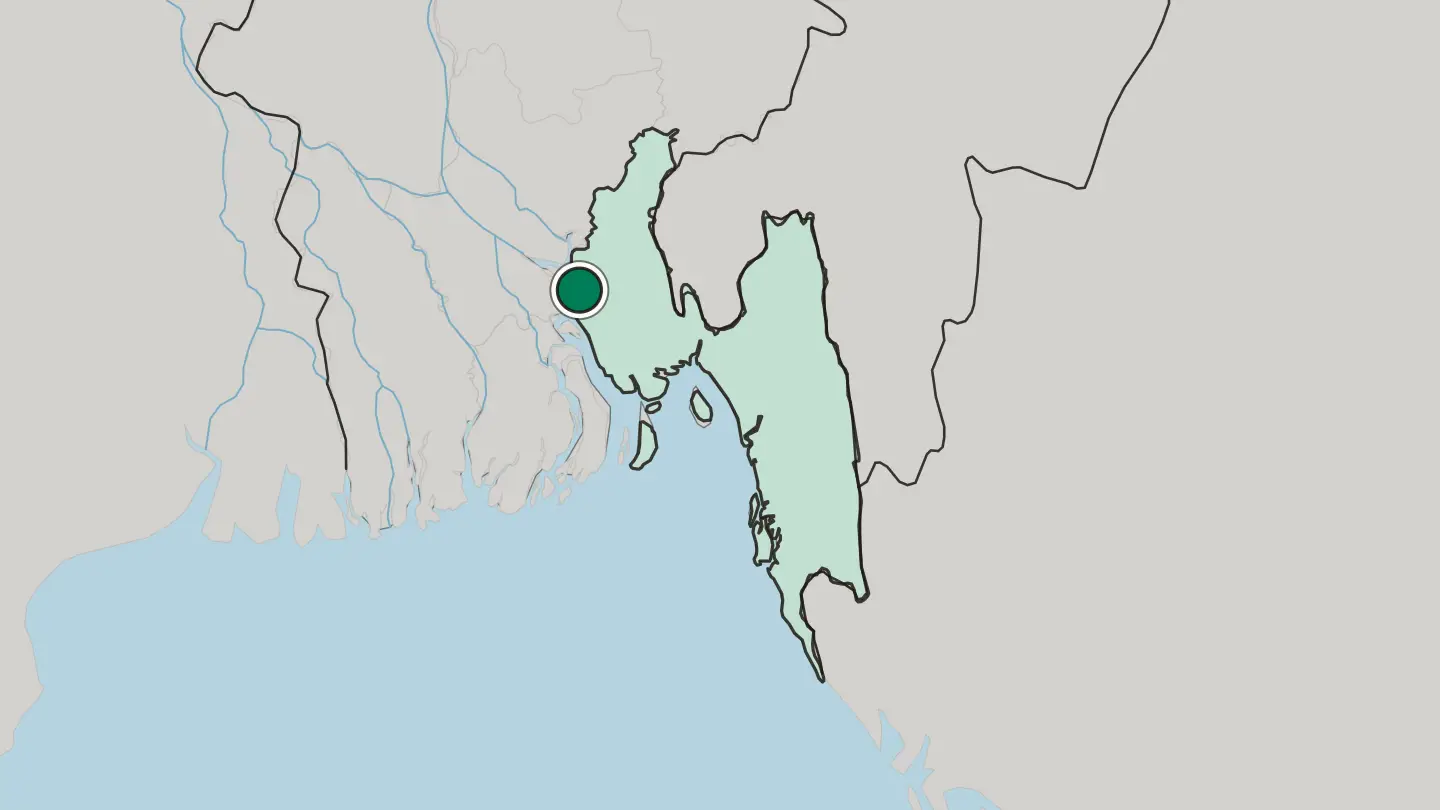 Bangladesh
Rangamati
Rangamati is the administrative headquarters of Rangamati District, a town in the Chittagong Hill Tracts of Bangladesh, 14 metres above sea level.Where to stay →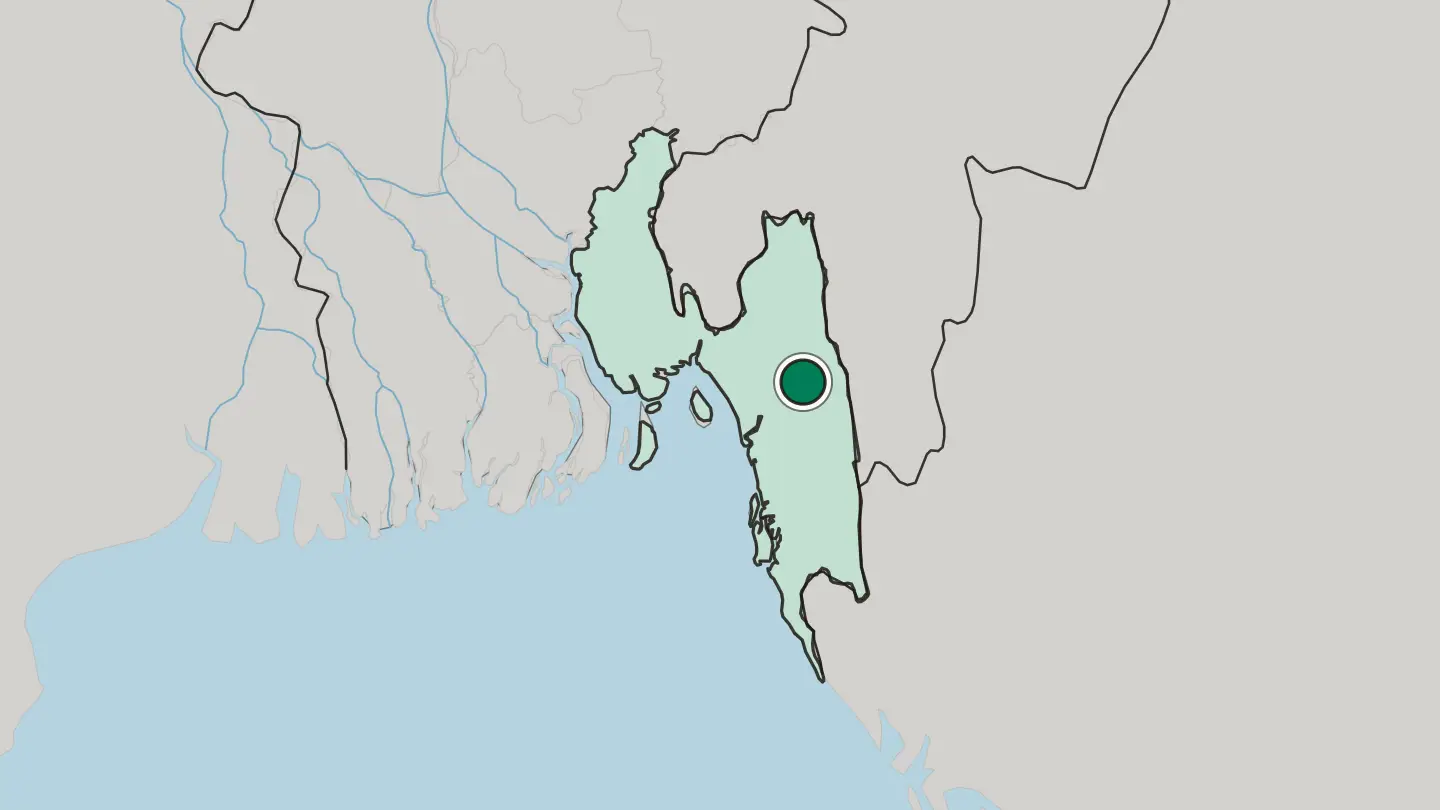
 Bangladesh
Feni
Municipal status came in 1958. Feni heads Feni District within the Chittagong Division of Bangladesh, and no municipality in the region is older.Where to stay →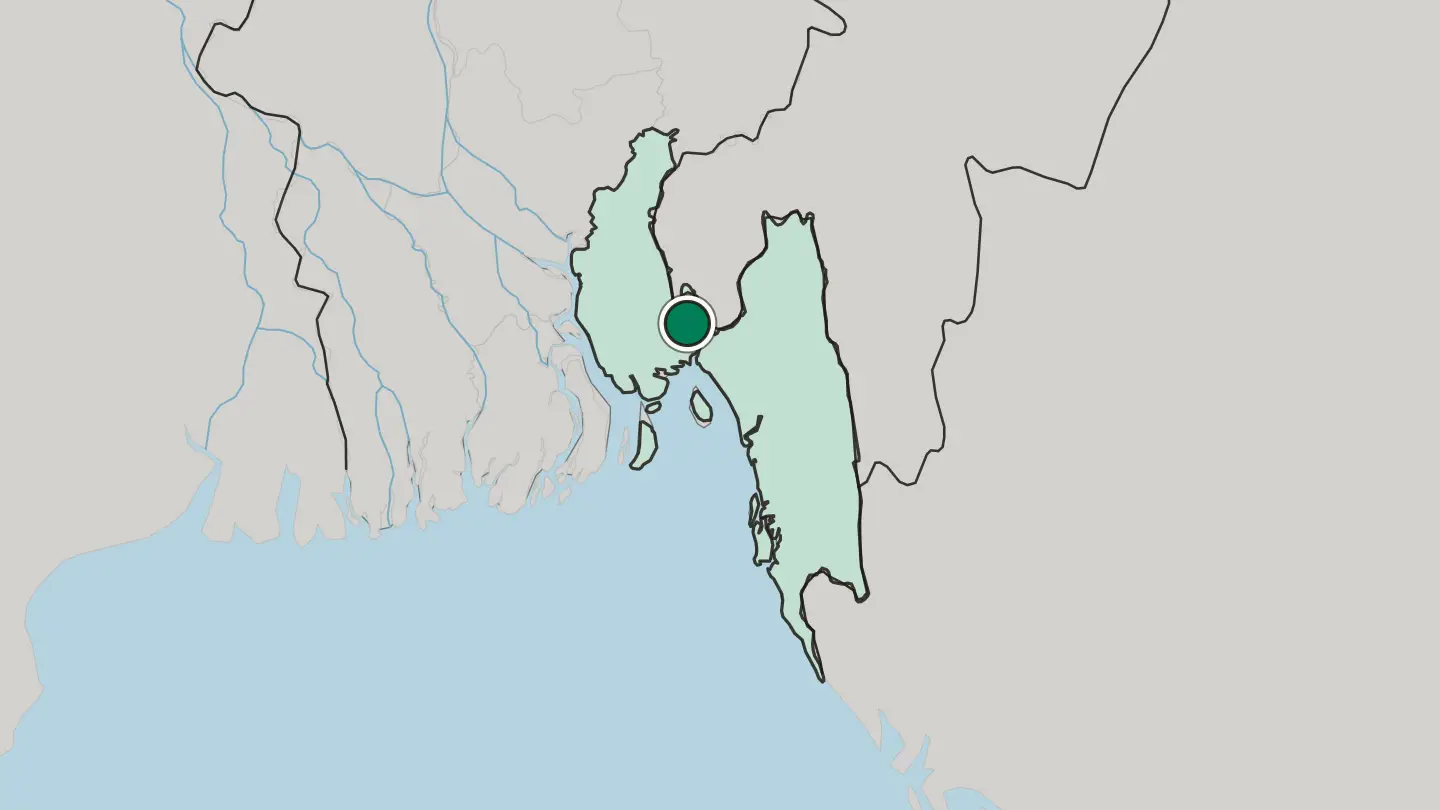 Bangladesh
Lakshmīpur
Lakshmipur is a town in Chittagong Division, Bangladesh, seat of Lakshmipur District and Lakshmipur Sadar Upazila. Its name joins Lakshmi to pur.Where to stay →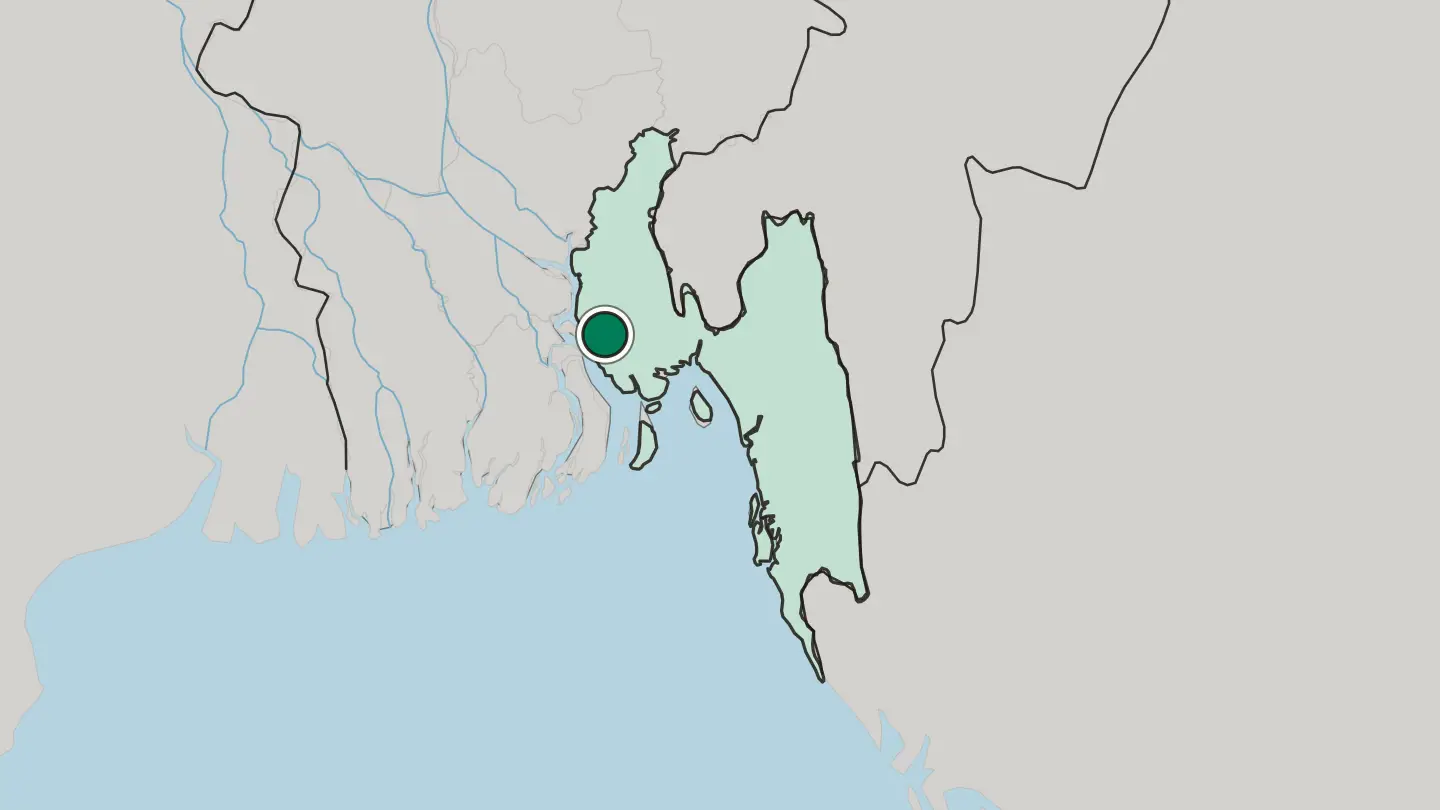
Hotel links are affiliate links: booking through them may earn us a commission, at no extra cost to you. It never affects how places are ranked. How this works
About Chittagong
What is Chittagong known for?
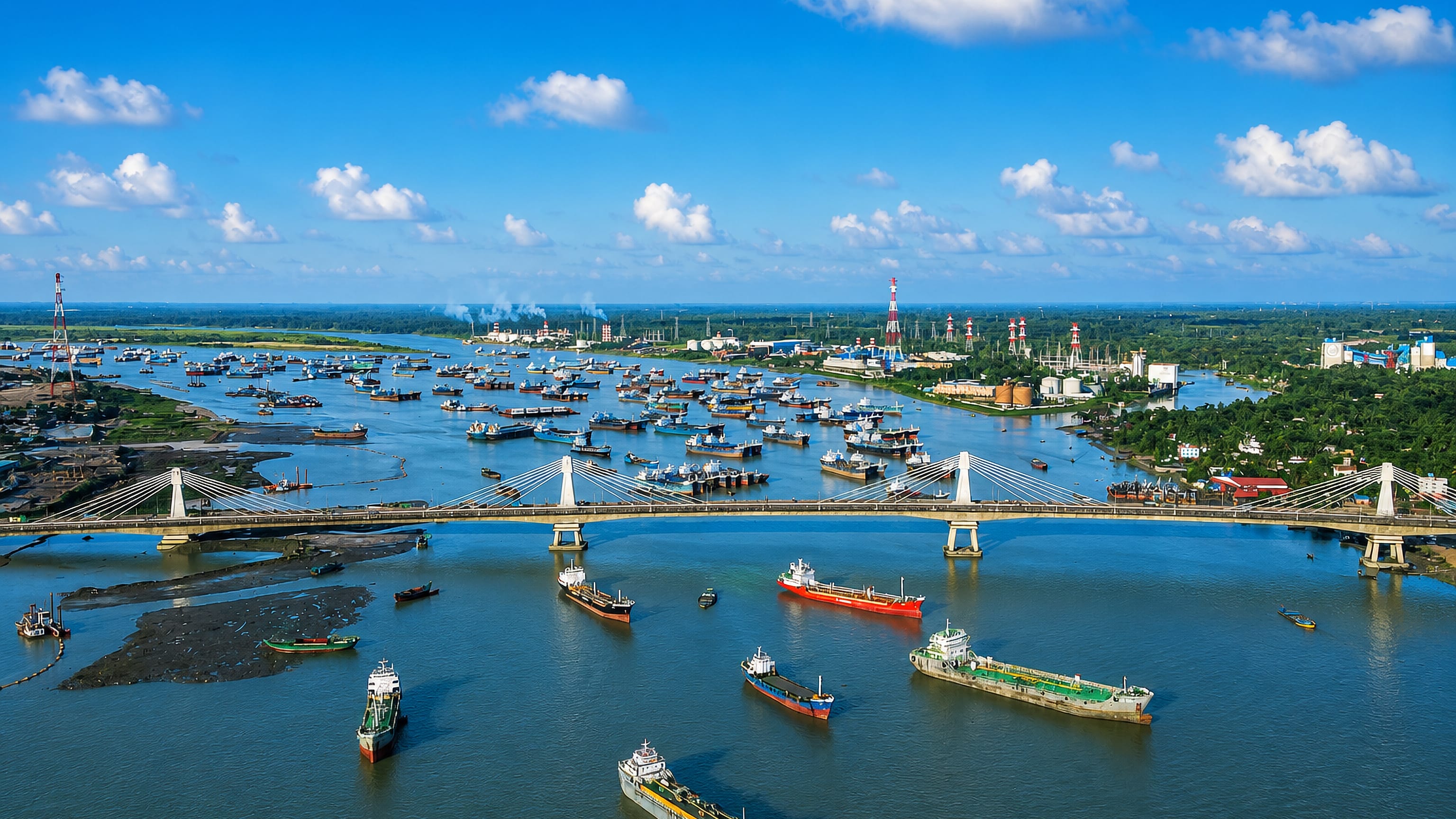
Chittagong runs Bangladesh's busiest port, and the country's second city sits at its heart, loading tea, jute and petroleum onto ships that sail out along the Karnaphuli River. Trade defines it. Inland the ground climbs into the folded green ridges of the Chittagong Hill Tracts, rising toward the borders with India and Myanmar.
Down the coast lies Cox's Bazar and its long unbroken beach on the Bay of Bengal. Sea, port and hills sit side by side. Few corners of the country pack in this much.
Where is Chittagong?
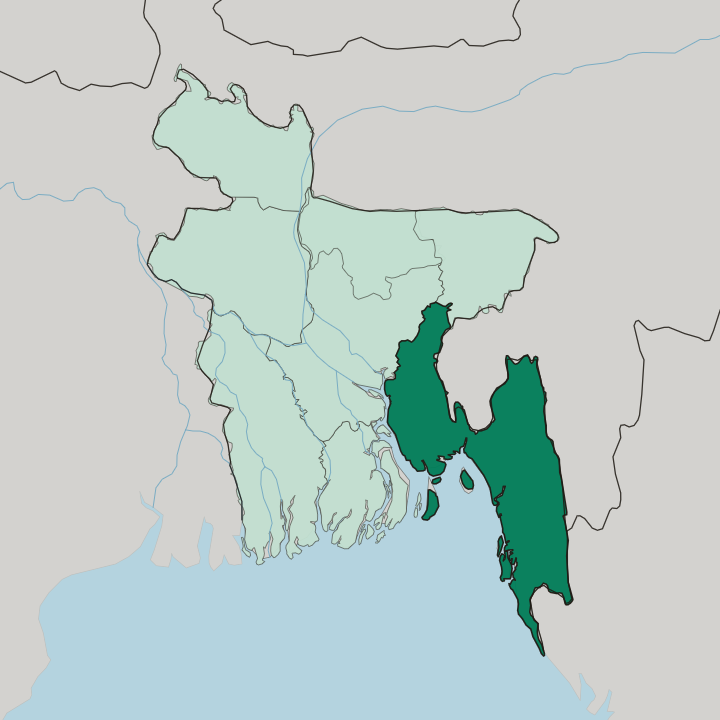
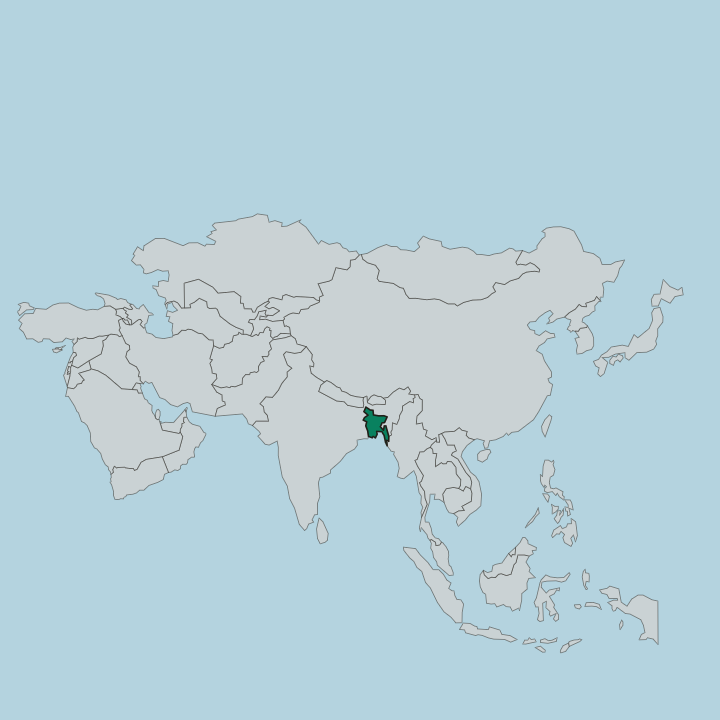
Chittagong is the largest division of Bangladesh, filling the south-eastern corner of the country. It is a long strip. The Bay of Bengal forms its whole western edge, and the land climbs inland toward the borders it shares with India to the north and east and with Myanmar to the south-east.
Between that sea and those frontier hills, the division bends around the coast for hundreds of kilometres. The Karnaphuli River is the thread that ties it together. It rises in the Lushai Hills across the border in Mizoram, then runs south-west through Rangamati and past the port city of Chittagong before spilling into the bay near Patenga.
The east of the division is all hills. The Chittagong Hill Tracts gather three districts, Rangamati, Bandarban and Khagrachhari, into a country of parallel ridges that reach from a couple of hundred metres to over a thousand. Rivers were dammed here, flooding valleys to make Kaptai Lake, the largest man-made lake in Bangladesh.
West of the ridges the land drops to a flat coastal plain and then to the sea. That shore is Cox's Bazar. Its sand runs down the coast in an almost unbroken line, and offshore lies the coral of Saint Martin's Island, the only reef in the whole country.
Sea on one side, hills on the other, the port between them.
What is Chittagong like?
Chittagong speaks its own tongue. The Chittagonian dialect of Bengali is heard across the port and the coast, close enough to the standard language to share a script yet distinct enough that outsiders notice. Centuries of sea trade seasoned the place.
Arab, Persian and Portuguese sailors all put in here, and their traffic left its mark on the food, the surnames and the old quarters near the Karnaphuli River. The city's kitchens run to fiery mezban feasts of beef, a Chittagong signature served at large communal gatherings. The hills tell a different story.
Peoples such as the Chakma and the Marma live in the Chittagong Hill Tracts, many of them Buddhist rather than Muslim, with their own languages, weaving and festivals. Golden Buddhist temples stand above the towns of Rangamati and Bandarban, and the water festivals that mark the new year draw crowds along Kaptai Lake. This is the most plural corner of Bangladesh.
Down on the coast the rhythm turns again to fishing boats, salt pans and the beach crowds of Cox's Bazar. Three worlds share one division.
What is the history of Chittagong?
Chittagong has changed hands more often than almost any port in the region. The Bengal Sultanate held it until 1531, when the rising Arakanese kingdom of Mrauk U pulled it away. Portuguese traders moved in under that Arakanese cover, and for a century their ships out of Goa and Malacca worked the harbour on the Karnaphuli River.
Then the Mughals came. In 1666 the viceroy Shaista Khan drove out the Portuguese and Arakanese and took the port for the Mughal Empire. Bengal, Arakan and the sea all met here.
What is the climate of Chittagong?
Chittagong has a tropical monsoon climate, hot and very wet. Rainfall, not temperature, sets the year. The south-west monsoon soaks the coast from June into October, and over a year the port collects well over two metres of it off the Bay of Bengal.
Winters, from about November to February, stay warm and comparatively dry. The real hazard is the cyclone season either side of the monsoon, when storms spin up over the bay and drive at this low, exposed shore. Come in the dry months if you can.
How do you get to Chittagong?
Most travellers reach the division through the port city of Chittagong, its gateway by air, rail and road. Shah Amanat International Airport handles flights from Dhaka and a scattering of cities around the Gulf and Asia. Trains run down from the capital, and the coastal highway carries buses toward Cox's Bazar.
The hill districts are the hard part. Rangamati and Bandarban lie up winding roads into the Chittagong Hill Tracts, and foreigners need permits to travel there, so plan that leg well ahead.
Common questions
What is the best area to stay in Chittagong?
Chittagong city: the port and first arrivals. Cox's Bazar: the long Bay of Bengal beach. Rangamati: Kaptai Lake and the hill villages. Bandarban: the high ridges near Myanmar.
Good for
More regions in Bangladesh
Updated September 2026