Bolivia · Departamento de Chuquisaca
Where to Stay in Sucre, Departamento de Chuquisaca
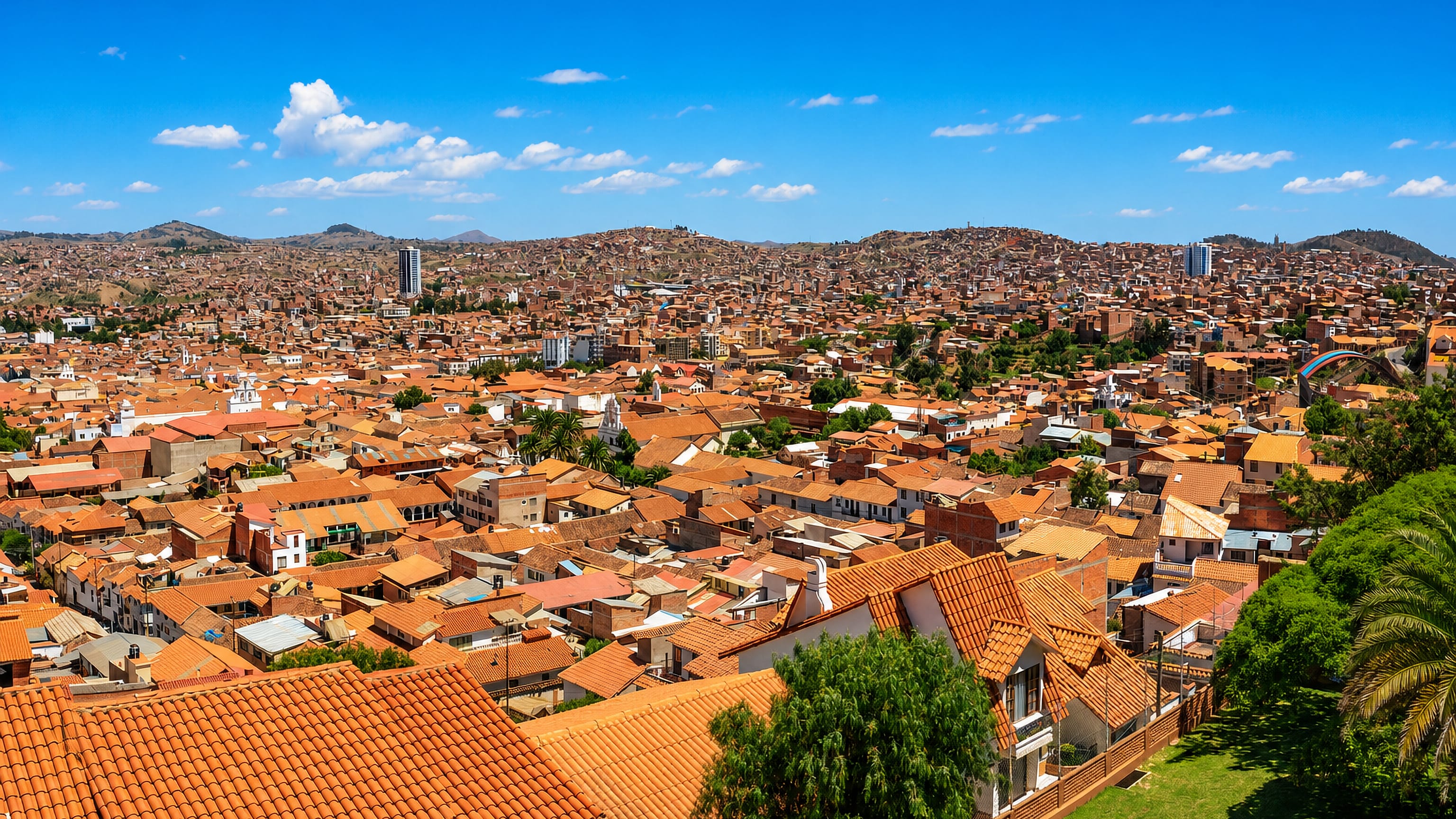
Whitewashed walls climb the hills at Sucre, the constitutional capital of Bolivia and seat of Chuquisaca, known for its UNESCO colonial centre.
Hotel links are affiliate links: booking through them may earn us a commission, at no extra cost to you. It never affects how places are ranked. How this works


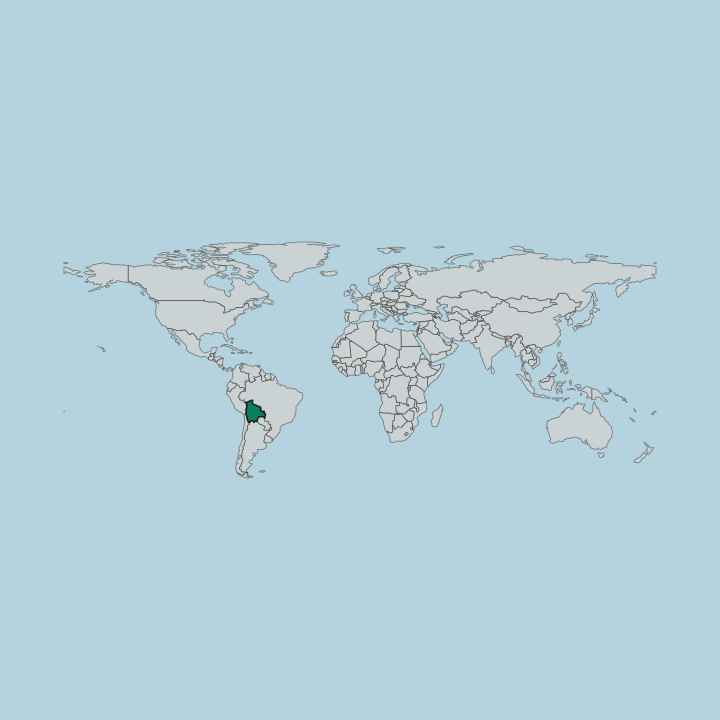
Where to stay in Sucre
Where the beds are, and what that means for the visit.
Sucre keeps its rooms in the whitewashed colonial centre, the UNESCO heart of the constitutional capital of Bolivia. The historic core gathers around the main square, the Sucre Cathedral, and the House of Freedom, with the Basílica de San Francisco and the iglesia de La Merced within easy walking distance. This is where most travellers stay.
It suits you if you want the city on foot, since the centre holds the churches, museums, and cafes within a short, level walk through the pale streets. Uphill from the core the ground rises toward the La Recoleta Monastery, which looks back over the whole of Sucre from its terrace. The slopes here run quieter.
They suit you if you prefer calm and a long view over the colonial roofs, a little apart from the busier lanes below, close to the Museo de la Recoleta and the Museo de Arte Indígena. Wherever you settle, Sucre stays high and cool in the Andes of Chuquisaca, so plan for the thin mountain air and keep the UNESCO centre and the Sucre Cathedral within easy reach.
Find hotels in Sucre
Direct booking searches for these neighbourhoods.
Colonial centre
White streets around the Sucre Cathedral and the House of Freedom, walkable to the Basílica de San Francisco.Find hotels in Colonial centreViews over the white cityLa Recoleta slopes
Quiet uphill streets by the La Recoleta Monastery and its terrace, above the busy central lanes.Find hotels in La Recoleta slopesHotel links are affiliate links: booking through them may earn us a commission, at no extra cost to you. It never affects how places are ranked. How this works
Things to do in Sucre
Ranked by global recognition; descriptions from Wikidata (CC0).
Museums & Galleries
3- House of Freedom Heritage
- Palacete del Guereo Heritage
- Museo Antropológico (Bolivia)
Churches & Religious Sites
3- Sucre Cathedral Heritage
- La Recoleta Monastery Heritage
- Basílica de San Francisco, Sucre, Bolivia Heritage
Castles & Historic Sites
1- Statue of Antonio José de Sucre (Sucre)
worth knowingacross 3 categories in Sucre
About Sucre
What is Sucre known for?
Sucre is known as the constitutional capital of Bolivia and the white city of the Andes. Its colonial centre is a UNESCO World Heritage Site. Around the main square rise the Sucre Cathedral, the Basílica de San Francisco, and the House of Freedom where Bolivian independence was declared, while the hilltop La Recoleta Monastery looks back over the pale-walled city.
High in Chuquisaca, Sucre keeps the churches, mansions, and old university of a colonial capital, and that heritage defines it.
What are the main landmarks in Sucre?
Sucre gathers its landmarks around the colonial church and the birth of a republic. The Sucre Cathedral and the Basílica de San Francisco anchor the centre, the iglesia de La Merced adds its own carved facade, and the House of Freedom holds the room where Bolivian independence was proclaimed. History fills the museums.
The Museo de Arte Indígena keeps the weaving of the region, the hilltop La Recoleta Monastery and its Museo de la Recoleta command the view, and together they make the white city of Chuquisaca a walkable record of the Andes.
What is the history of Sucre?
Sucre was founded in 1538 in the highlands of what is now Bolivia, and it has carried several names across the centuries. It was known in turn as La Plata, as Charcas, and as Chuquisaca before it settled as Sucre. From early on it grew into a seat of colonial administration, law, and learning, one of the chief cities of Spanish South America, its churches and mansions raised on the wealth of the Andes.
Independence was born here. In the House of Freedom the movement for Bolivian independence found its first voice, and the city took the name of the general Antonio José de Sucre in its honour. The white colonial centre survived the centuries largely intact, and it stands as a UNESCO World Heritage Site.
Much of the region remained predominantly Quechua in background, with Aymara communities among its valleys, and that indigenous inheritance ran alongside the colonial capital. From its founding to its role in the republic, the history of Sucre is written into the cathedral, the House of Freedom, and the pale streets of the constitutional capital of Bolivia.
Where is Sucre?
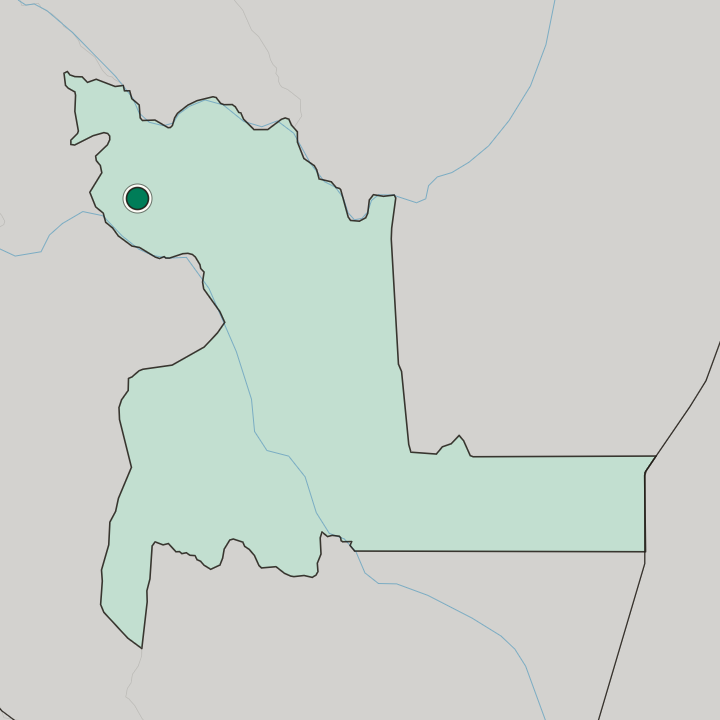
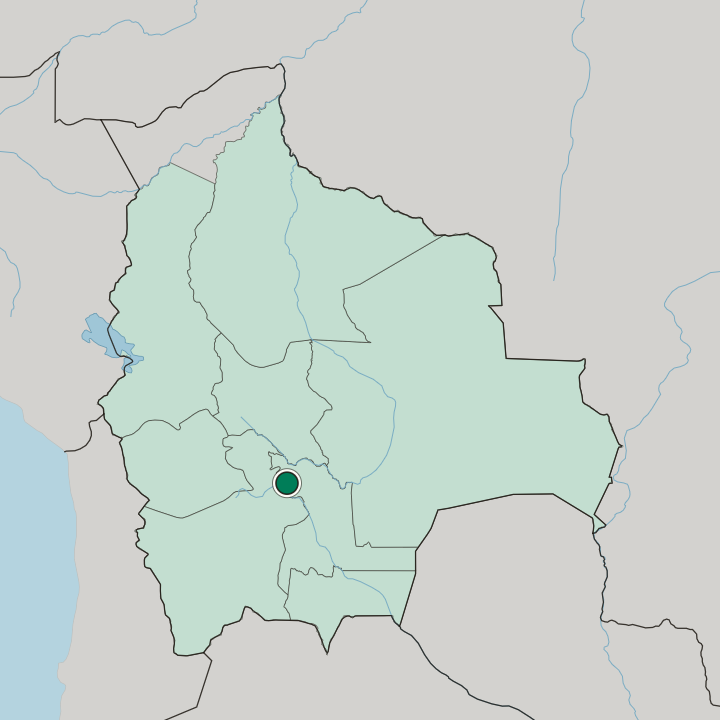
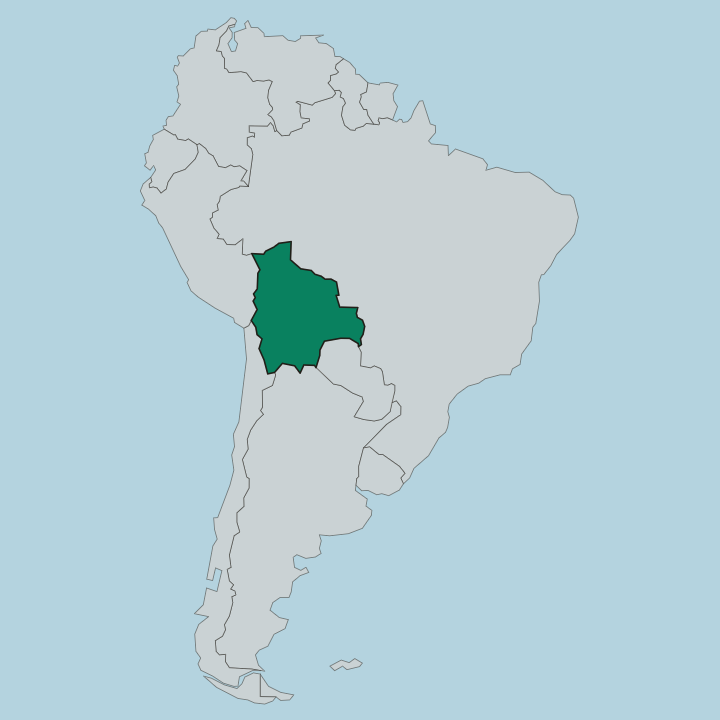
Sucre lies in the south-central part of Bolivia, high in the Andes and the capital of Chuquisaca. The city rests on an upland shelf ringed by hills, one of the loftiest capital cities in the world, second only to Quito in its height. Slopes surround it.
The whitewashed streets climb and drop across the ridges of the sierra, and from the terrace of the La Recoleta Monastery the whole of the pale city spreads out below against the mountains.
What is the climate of Sucre?
Cool the year round. Sucre has a subtropical highland climate, mild and temperate, its warmth held in check by the great altitude of the Andes rather than by its place in the tropics of Bolivia. Days are pleasant and the nights cool, with steadier temperatures through the year than any lowland city.
Seasons divide into a wetter warm spell and a drier stretch, and the thin mountain air keeps the white streets of Sucre cool even under a bright sun.
How do you get to Sucre?
Sucre is reached high in the Andes of Bolivia. As the capital of Chuquisaca it holds an airport and the road links that cross the surrounding sierra, and travellers arrive by air or overland from the other highland cities. Roads run steep and slow.
The altitude and the ridges make every approach a climb, and the routes wind up through mountain country to the whitewashed streets around the Sucre Cathedral.
Common questions
What is the best area to stay in Sucre?
Colonial centre: The UNESCO core on foot. La Recoleta slopes: Views over the white city.
Good for
Updated September 2026