Bolivia
Departamento de Chuquisaca, Bolivia — Towns & Travel Guide
Chuquisaca is a highland department of Bolivia, built around Sucre, the country's constitutional capital and a Quechua heartland.
Hotel links are affiliate links: booking through them may earn us a commission, at no extra cost to you. It never affects how places are ranked. How this works


Towns & cities in Departamento de Chuquisaca
One town here has its own guide — it links to where to stay.
 Bolivia
Sucre
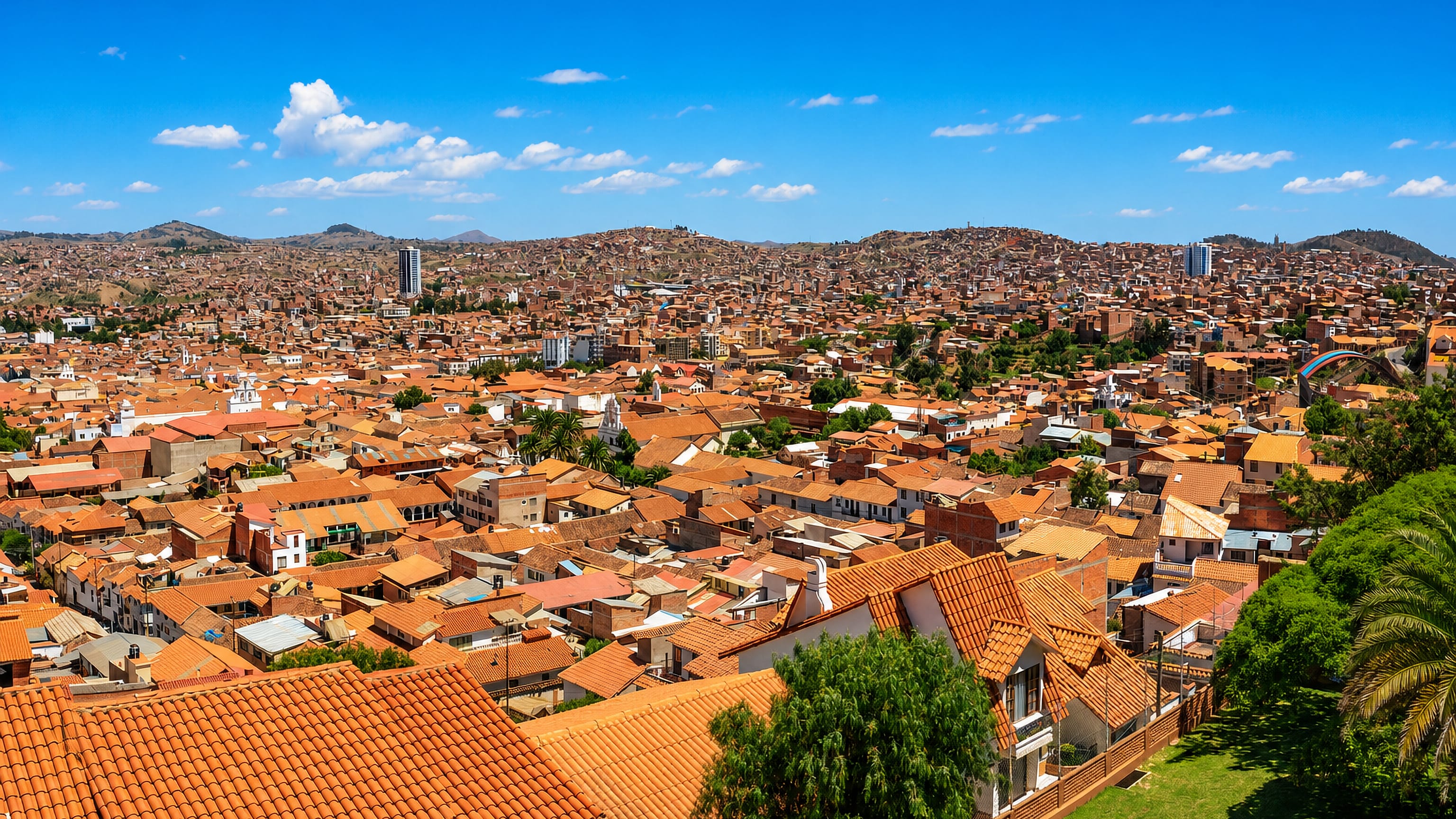
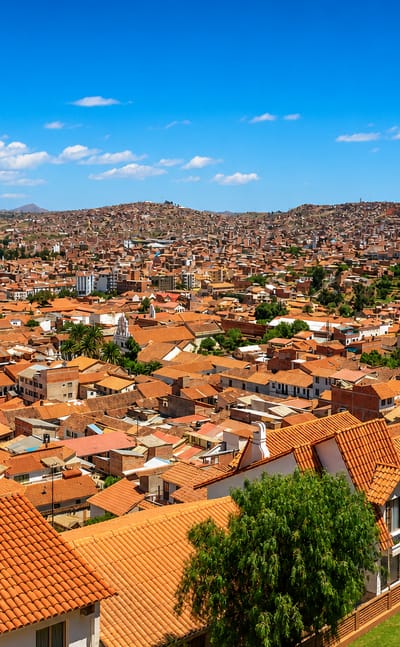
Whitewashed walls climb the hills at Sucre, the constitutional capital of Bolivia and seat of Chuquisaca, known for its UNESCO colonial centre.Where to stay →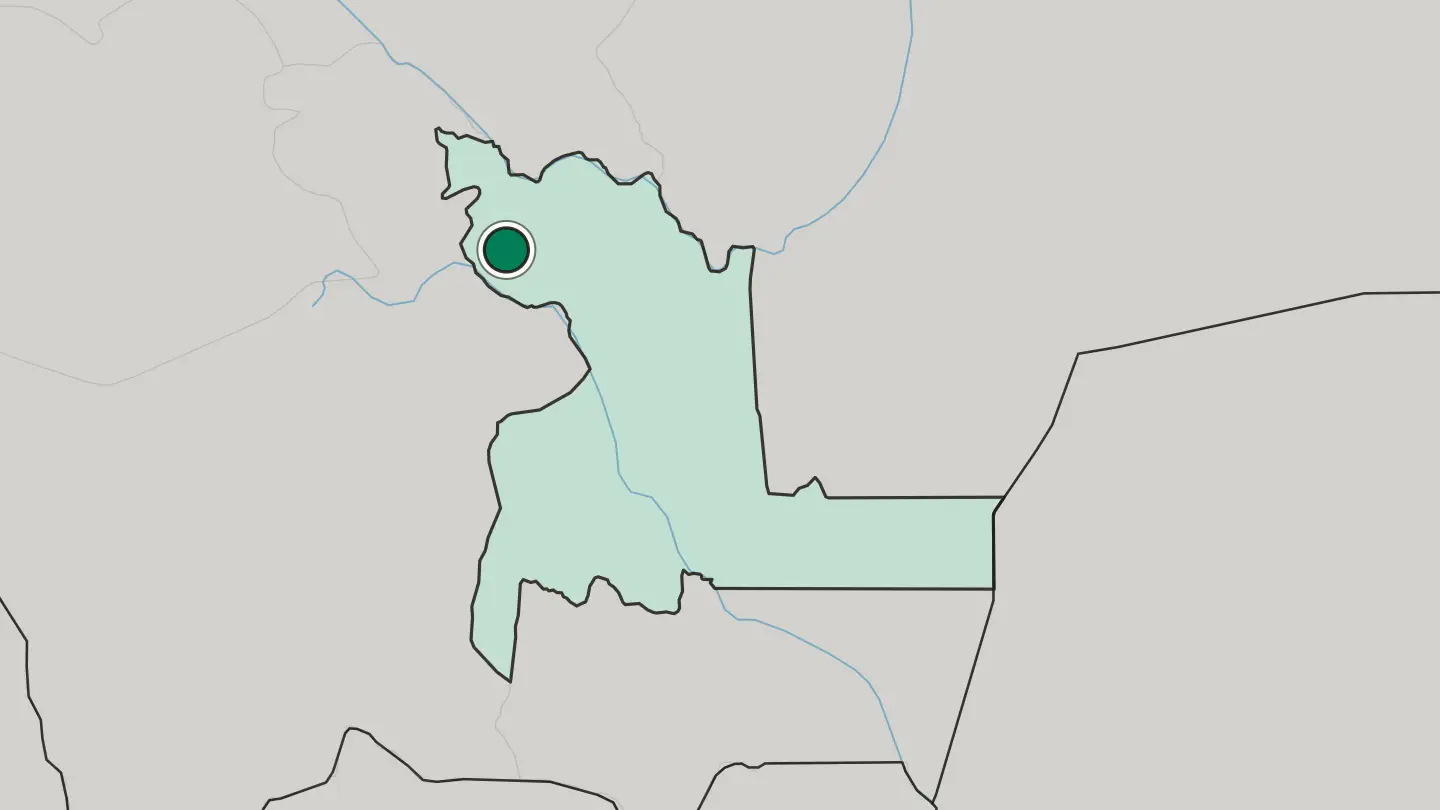
Hotel links are affiliate links: booking through them may earn us a commission, at no extra cost to you. It never affects how places are ranked. How this works
About Departamento de Chuquisaca
What is Departamento de Chuquisaca known for?
Chuquisaca is known above all for Sucre, the constitutional capital of Bolivia and the seat of the department. Its heritage is layered. The old city carries a Spanish colonial core, later the cradle of Bolivian independence, and its centre is inscribed as a UNESCO World Heritage Site.
The wider department stays predominantly Quechua in background, with Aymara communities among its valleys, and that living indigenous culture runs alongside the churches and mansions of Sucre itself.
Where is Departamento de Chuquisaca?
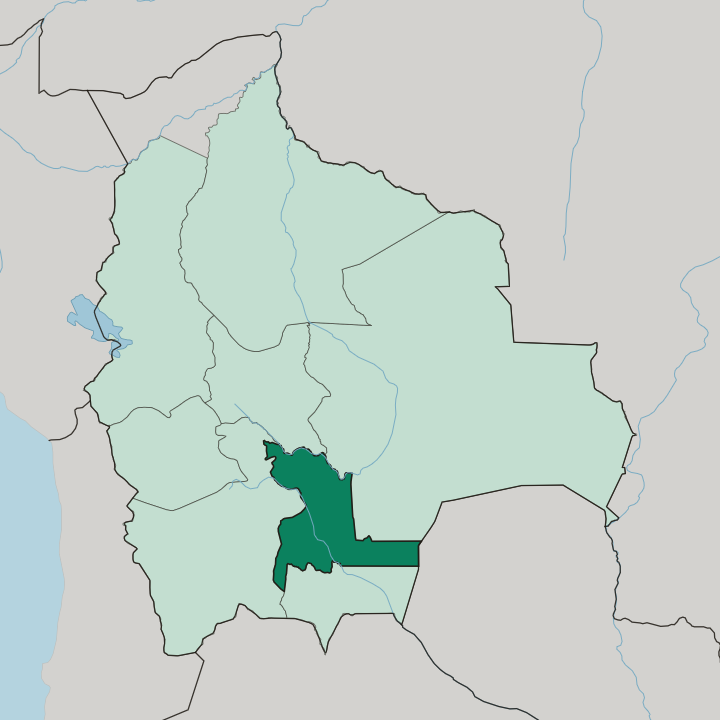
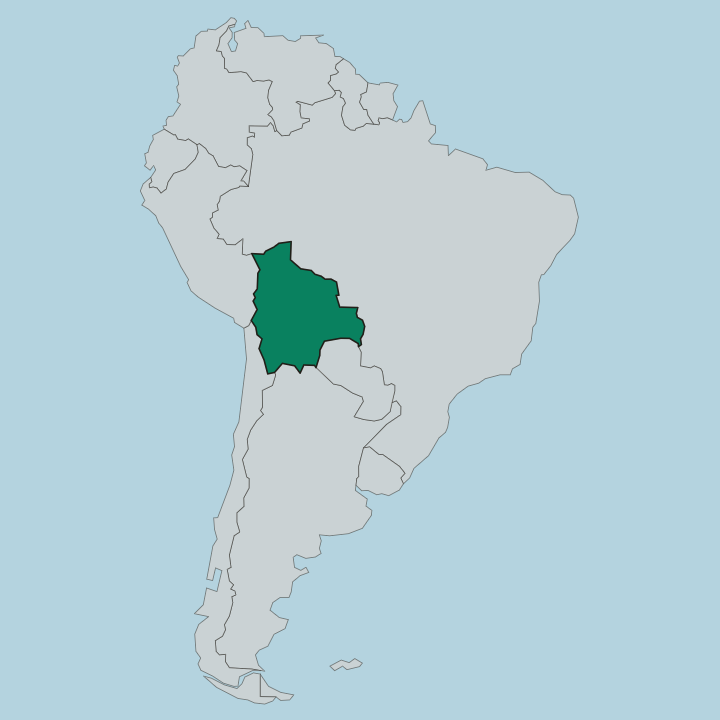
Chuquisaca is a department of highland valleys and broken ranges in Bolivia. Its terrain steps down from the cool Andean uplands, where Sucre sits high enough for cold nights and thin air, toward warmer subtropical country in the lower folds of the land. The department covers a broad interior block of roughly fifty thousand square kilometres, threaded by river valleys that carry water off the sierra.
Sucre commands this landscape. The constitutional capital rests on an upland shelf, ringed by hills, and from it the roads climb and drop through a countryside of terraced slopes and scattered villages. This is Quechua country in the main, with Aymara communities set among the same valleys, and the pattern of settlement follows the water and the arable ground rather than any single plain.
Chuquisaca lies in Bolivia's tropical belt, yet its height rewrites that heat into a temperate mountain register across most of the department.
What is Departamento de Chuquisaca like?
Chuquisaca is predominantly Quechua in background, and that identity shapes daily life across the department. Language, dress, weaving, and the rhythm of the valley communities carry an indigenous inheritance that predates the colonial towns. Alongside it sit Aymara communities, a second thread in the same highland fabric.
The counterweight is Sucre. The capital gathered the wealth and learning of the colonial period, and its churches, mansions, and old university gave the department a reputation as a centre of law and letters, a place where the movement for Bolivian independence first found its voice. Both currents still run.
In the streets of Sucre the colonial and the republican face outward, while in the surrounding valleys the Quechua world keeps its own language and craft, and Chuquisaca reads as the meeting of those two long-settled cultures rather than the erasure of either.
What is the history of Departamento de Chuquisaca?
Chuquisaca's history runs through Sucre, the department's colonial capital and once one of the chief cities of Spanish South America. The town went by several names over the centuries, La Plata and Charcas among them, before settling as Sucre. It grew into a seat of colonial administration and learning, then into the place where the first stirrings of Bolivian independence took shape.
That legacy still defines the department. Around the capital the older Quechua and Aymara valley communities carry a far longer past, one that reaches back well before the Spanish arrival.
What is the climate of Departamento de Chuquisaca?
Altitude rules the weather. Chuquisaca's climate is written by height more than by its place in the tropics. Around Sucre, high on its Andean shelf, the air stays cool and dry, with mild days and cold nights across much of the year.
Lower in the department the valleys warm into a gentler subtropical register. Seasons divide into a wetter warm spell and a long dry stretch rather than into hard summer and winter, and the height keeps the heat off even where Bolivia elsewhere turns hot.
How do you get to Departamento de Chuquisaca?
Chuquisaca is reached through Sucre, the department's capital and its transport focus. The city holds the region's airport and the main road links, so most arrivals pass through it before fanning out into the valleys. Roads climb and wind here.
The mountain terrain makes overland travel slow, and journeys between Sucre and the outer corners of Chuquisaca follow the grain of the sierra rather than any straight line.
Common questions
What is the best area to stay in Departamento de Chuquisaca?
Sucre: The constitutional capital's colonial core.
Good for
More regions in Bolivia
Updated September 2026