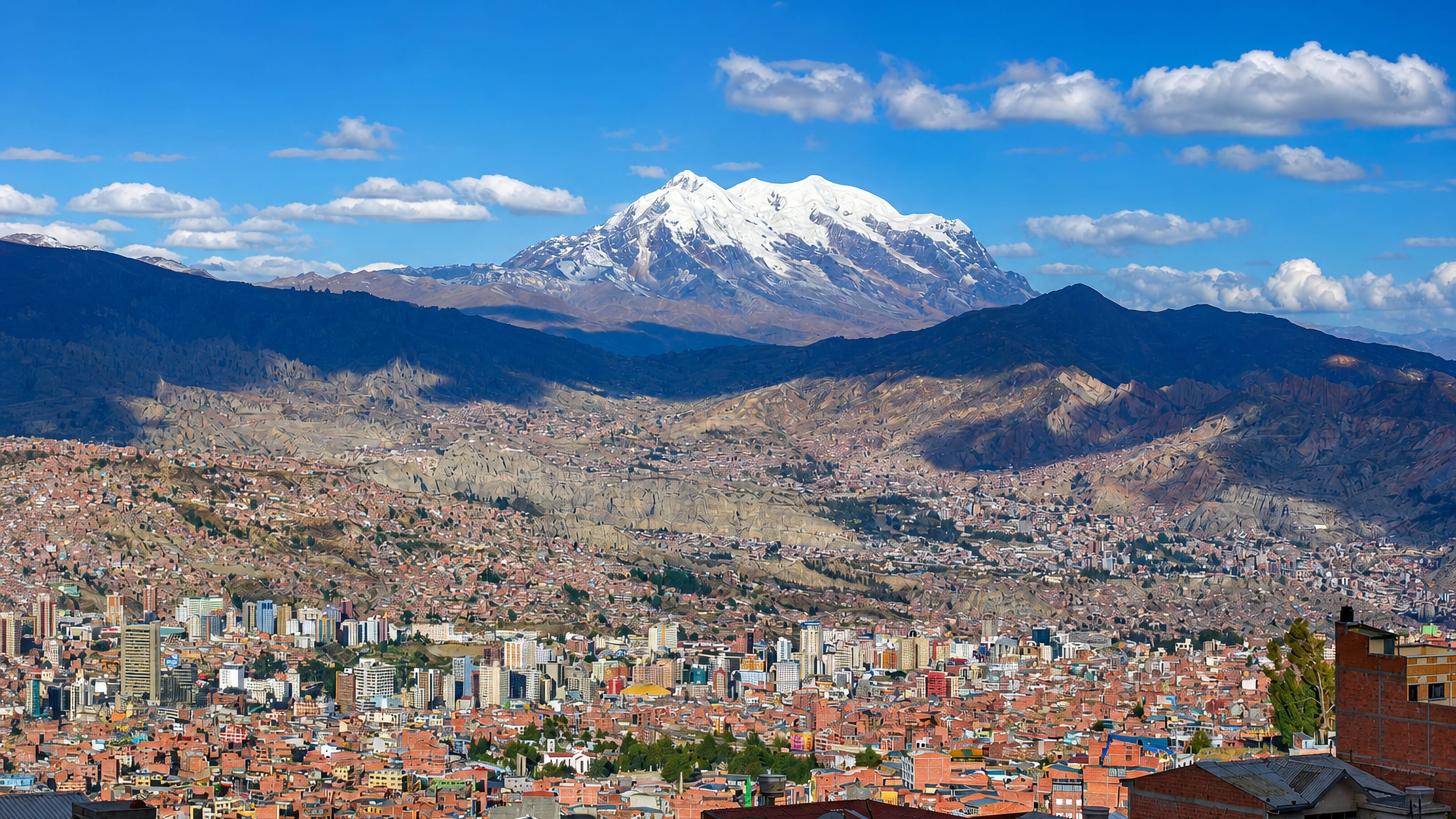
Bolivia · Departamento de La Paz
Where to Stay in La Paz, Departamento de La Paz
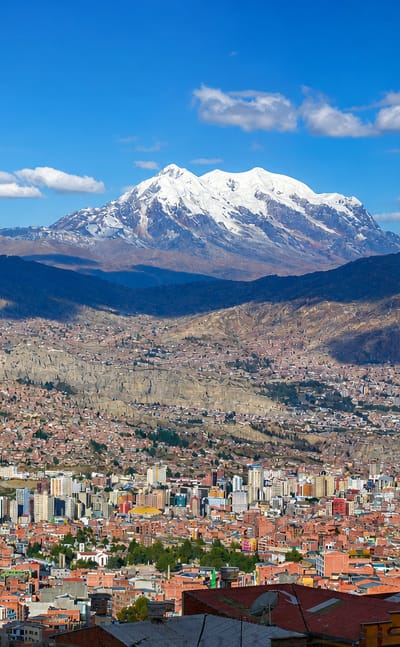
La Paz is the seat of government of Bolivia, a high city of steep streets in Departamento de La Paz, known for the Basilica of San Francisco.
Hotel links are affiliate links: booking through them may earn us a commission, at no extra cost to you. It never affects how places are ranked. How this works


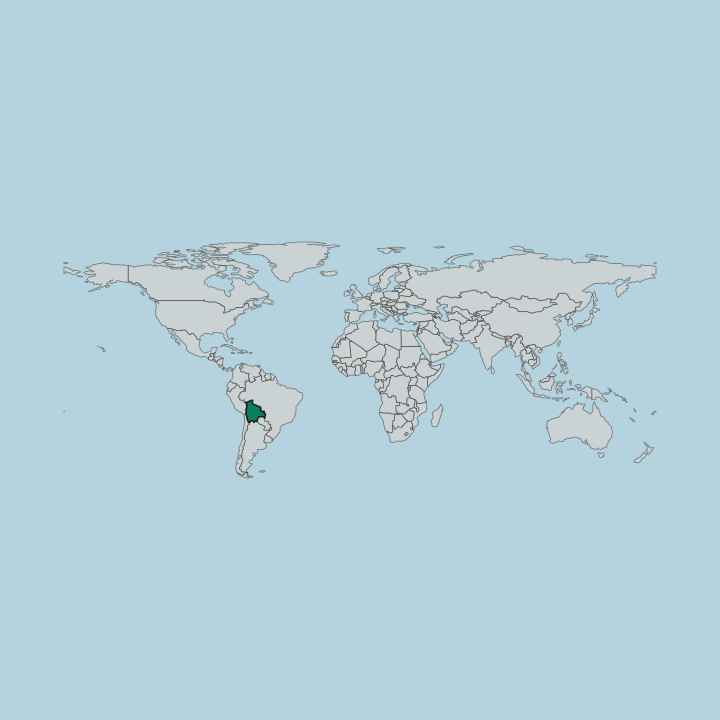
Where to stay in La Paz
Not every neighbourhood fits every trip — here's what each one is good for.
 La PazBolivia
Següencoma
Següencoma is a district on the southern side of La Paz, the seat of government of Bolivia, a short way from neighbouring Calacoto.Where to stay →La PazBoliviaIrpavi
Irpavi, a district of the Bolivian capital La Paz, carries the same name as the Irpavi River and holds the Museo Histórico Militar.Where to stay → La PazBolivia
Calacoto
Calacoto, or Qalaqutu, is a residential neighbourhood in the southern part of La Paz, set in the central zone of the Zona Sur.Where to stay →Hotel links are affiliate links: booking through them may earn us a commission, at no extra cost to you. It never affects how places are ranked. How this works
Find hotels in La Paz
Direct booking searches for these neighbourhoods.
Historic core around San Francisco
The dense old centre around the Basilica of San Francisco, with the National Museum of Ethnography and Folklore and the San Pedro market lanes an uphill walk apart, close to the seat of government of La Paz.Find hotels in Historic core around San Franciscoviews and quiet above the centreKilli Killi slopes
The higher ground near the Mirador Killi Killi, which looks back over the whole bowl of La Paz and trades the din of the core for calm, though the grade is steep and beds are fewer. Beds are limited here, so book early.Find hotels in Killi Killi slopesearly flights near the airportEl Alto rim
The neighbouring city of El Alto on the rim above La Paz, handy for the main airport and dawn departures but removed from the historic streets, better passed through than slept in.Find hotels in El Alto rimHotel links are affiliate links: booking through them may earn us a commission, at no extra cost to you. It never affects how places are ranked. How this works
Things to do in La Paz
Ranked by global recognition; descriptions from Wikidata (CC0).
Museums & Galleries
6- National Museum of Art, La Paz Heritage
- Museo Costumbrista Juan de Vargas Heritage
- National Museum of Ethnography and Folklore Heritage
- Museo Tambo Quirquincho Heritage
- Museo de Arte Contemporaneo Plaza La Paz Heritage
Show 1 more →
- Museo de Instrumentos Musicales de Bolivia Heritage
Churches & Religious Sites
7- Templo Santo Domingo Heritage
- Iglesia de San Pedro Heritage
- Templo de la Merced Heritage
- Basílica María Auxiliadora Heritage
- Templo de San Agustin Heritage
Show 2 more →
- iglesia del Carmen Heritage
- Church of St. John of God Heritage
Stadiums & Sports
1- Estadio Libertador Simón Bolívar
worth knowingacross 3 categories in La Paz
About La Paz
What is La Paz known for?
La Paz is best known as the seat of government of Bolivia, the working capital where the country's institutions sit. Its skyline is a stack of church towers and museums. The Basilica of San Francisco anchors the old core, and the National Museum of Art and the Coca Museum draw visitors into the streets around it, while the Estadio Libertador Simón Bolívar gives the city its stage for football above the surrounding valley.
What are the main landmarks in La Paz?
One landmark leads. The Basilica of San Francisco is the built landmark most people come to La Paz to see, its stone facade rising over the old centre. Around it stand the churches and museums that fill the historic streets: the Iglesia de San Pedro, the Templo Santo Domingo, and the Templo de la Merced among the religious houses, and the National Museum of Art, the Coca Museum, and the Cinemateca Boliviana among the cultural halls.
Above them all, the Mirador Killi Killi gives the long view back across the city.
What is the history of La Paz?
La Paz was founded in 1548, and the city that grew from that founding became the working capital of Bolivia. Its old core still carries the marks of that long past. The Basilica of San Francisco and the colonial churches around it, the Templo Santo Domingo and the Templo de la Merced among them, stand as the built record of the centuries of religious and civic life that shaped the centre of La Paz.
Over time the city rose to hold the seat of government of Bolivia, the role it is best known for, while Sucre kept the country's constitutional capital and its high court. That split still defines the city's standing. The founding of 1548, the colonial churches, and the later arrival of the national institutions together tell the story of how La Paz grew from a colonial town into the political centre it became, a history written across the churches and museums that still fill its streets.
Where is La Paz?
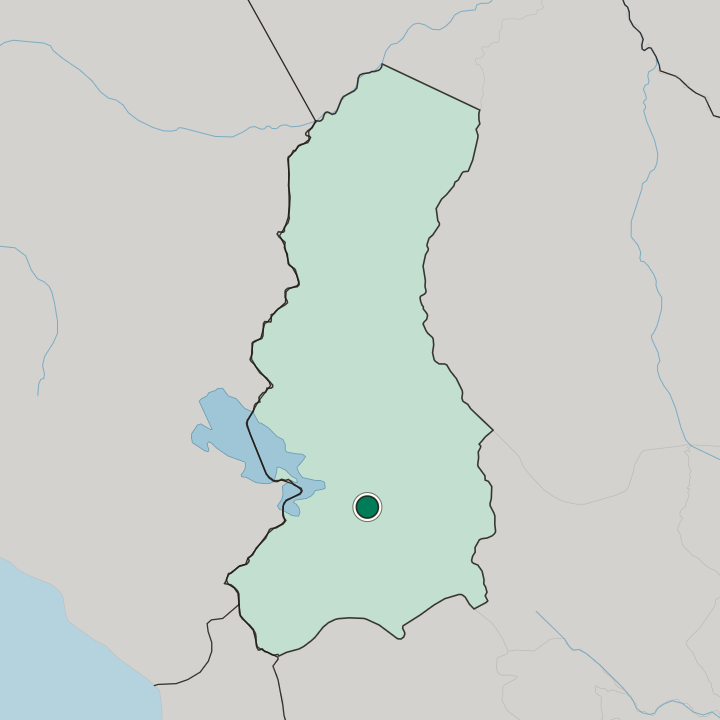
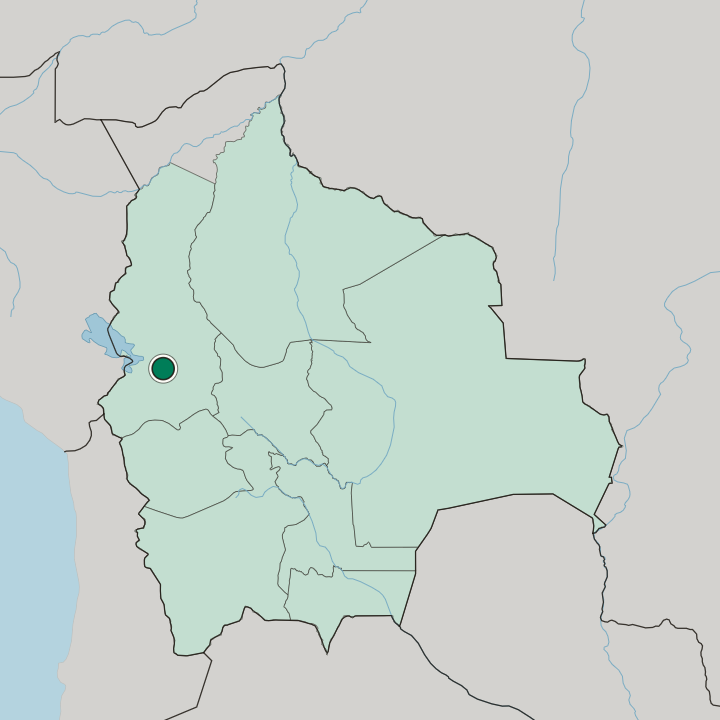
La Paz sits in a deep bowl in Departamento de La Paz, the capital city set into a valley below the rim where the neighbouring city of El Alto spreads out. The ground is steep. From the high vantage of the Mirador Killi Killi the whole city can be seen laid out below, a dense grid of church towers and rooftops filling the valley floor and running up its slopes, with El Alto and its airport on the plateau above.
What is the climate of La Paz?
La Paz sits high in the tropical band of the Southern Hemisphere, so its weather owes more to altitude than to any warmth its position might imply. The seasons turn on wet and dry. The height of the city keeps the air cool and thin through the year, so La Paz stays temperate rather than hot, its days changeable and its nights sharp in a way the tropics alone would never explain.
How do you get to La Paz?
La Paz is reached through the neighbouring city of El Alto, which spreads across the plateau on the rim above the bowl and holds the main airport serving the capital. From that rim the road drops down into the city. Most arrivals land above La Paz and descend into the valley, so the journey in begins on the plateau at El Alto and ends among the church towers and museums of the historic core.
Common questions
What is the best area to stay in La Paz?
Historic core around San Francisco: first-time visitors sightseeing on foot. Killi Killi slopes: views and quiet above the centre. El Alto rim: early flights near the airport.
Good for
Updated October 2026