Bolivia
Departamento de La Paz, Bolivia — Towns & Travel Guide
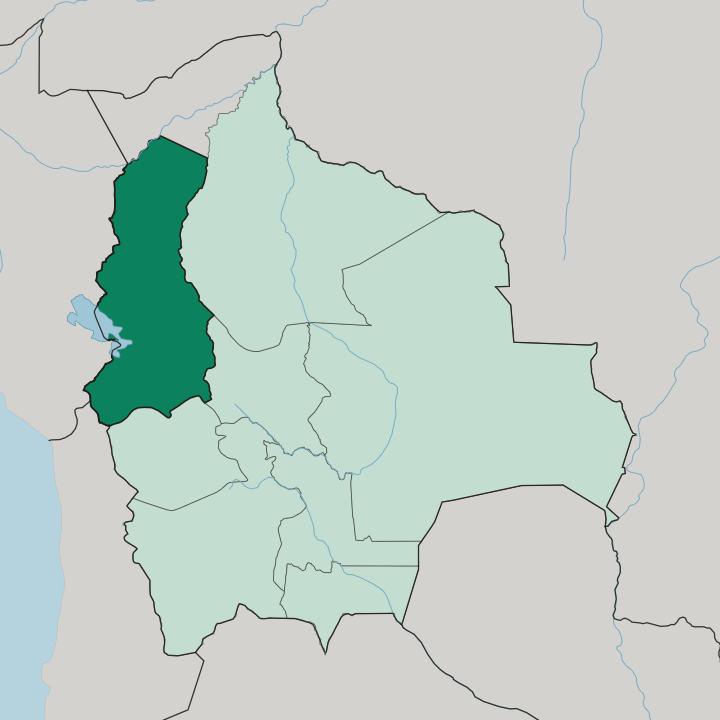
Departamento de La Paz is a large tropical department of Bolivia, wrapped around the city of La Paz that gives the department its name.
Hotel links are affiliate links: booking through them may earn us a commission, at no extra cost to you. It never affects how places are ranked. How this works


Towns & cities in Departamento de La Paz
One town here has its own guide — it links to where to stay.
 Bolivia
La Paz
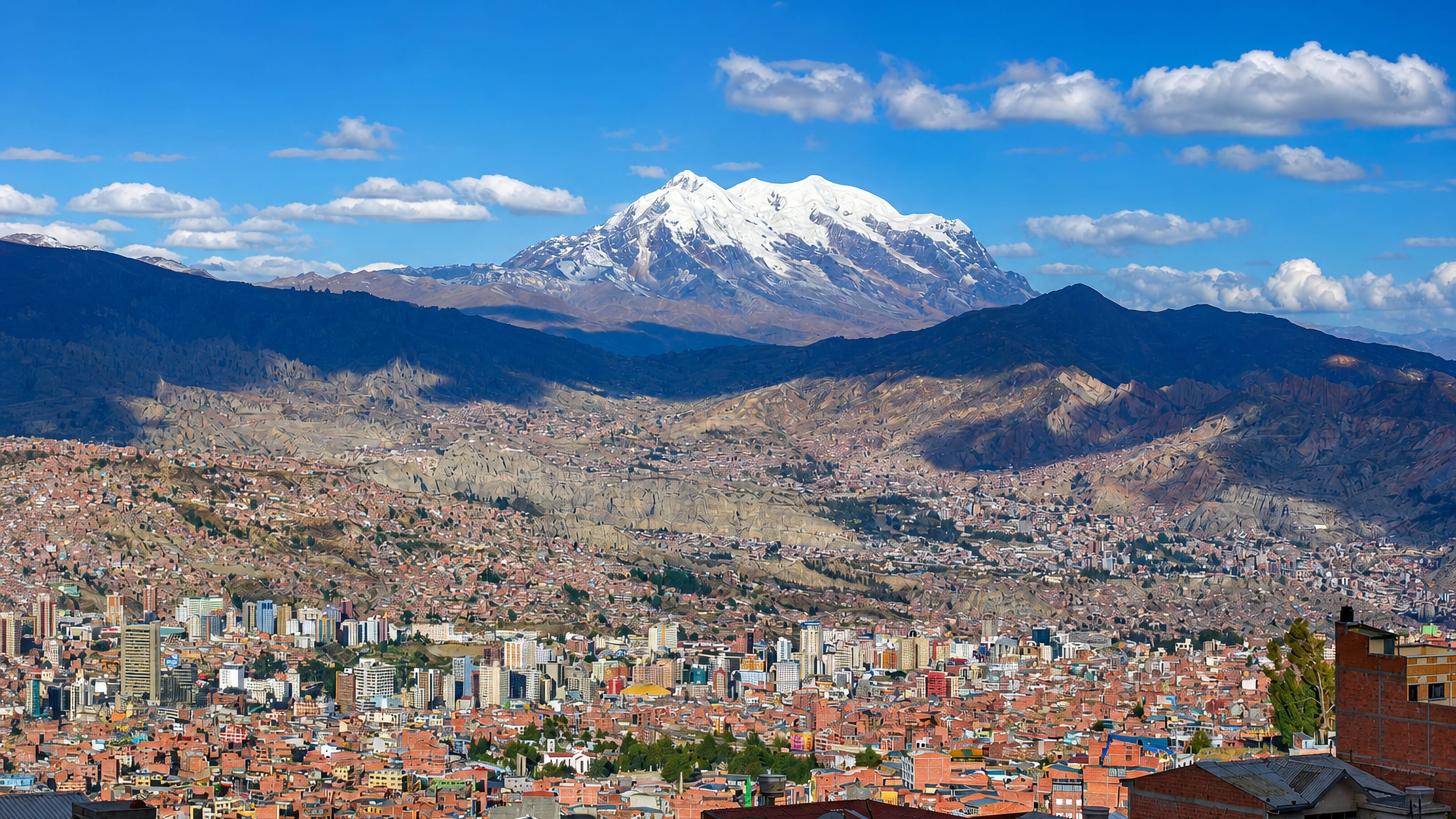
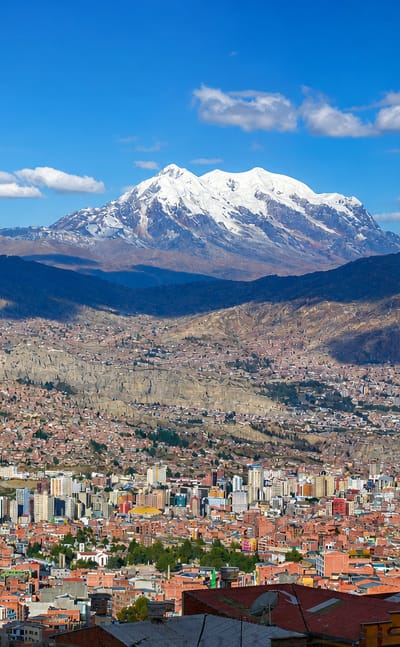
La Paz is the seat of government of Bolivia, a high city of steep streets in Departamento de La Paz, known for the Basilica of San Francisco.Where to stay →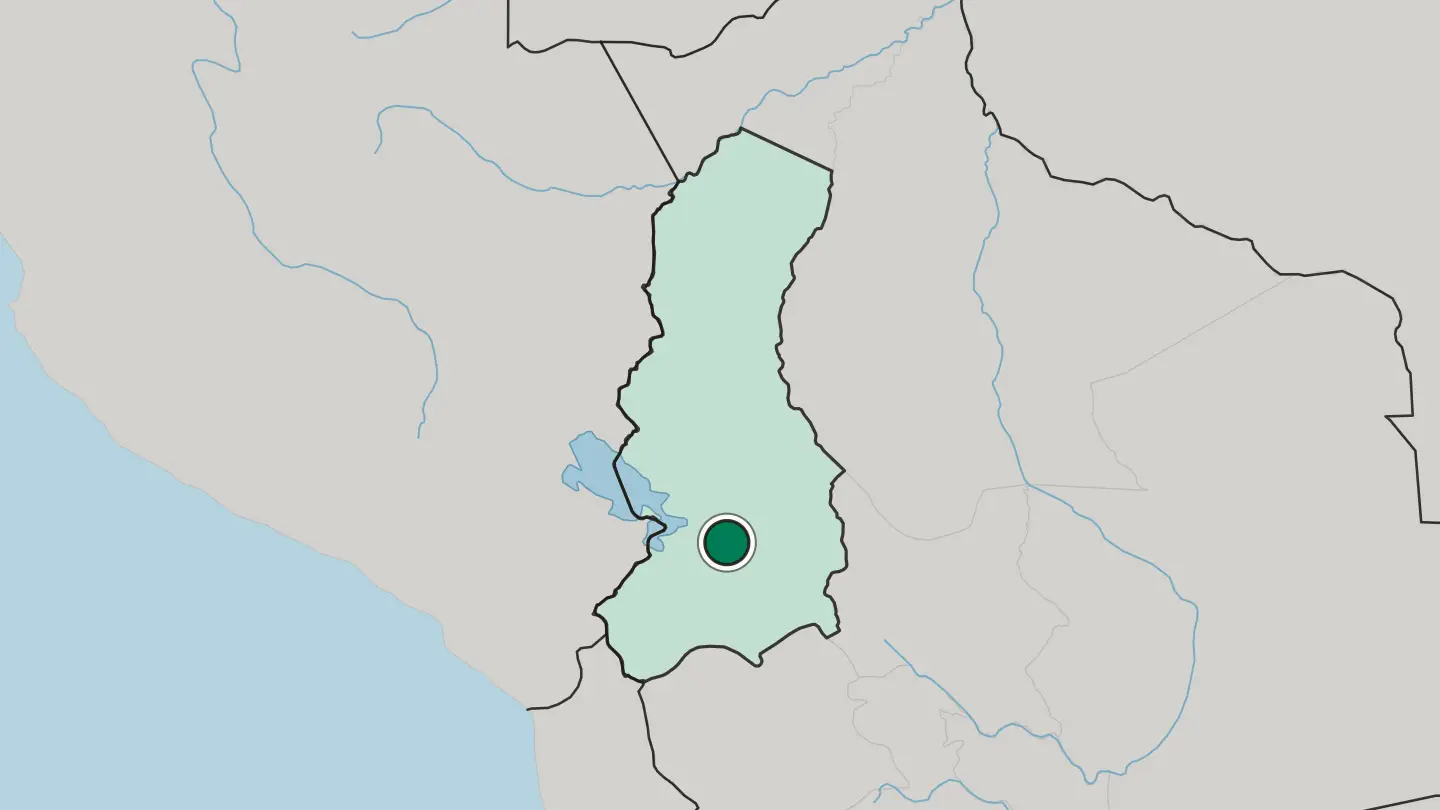
Hotel links are affiliate links: booking through them may earn us a commission, at no extra cost to you. It never affects how places are ranked. How this works
About Departamento de La Paz
What is Departamento de La Paz known for?
Departamento de La Paz is known above all for the city of La Paz at its core. That city is the seat of government of Bolivia, and it is the reason most travellers come to the department in the first place before they venture into the wider territory around it. The name is shared.
It anchors one of the country's larger departments, a broad tropical expanse in the Southern Hemisphere whose land runs far beyond the capital that gives Departamento de La Paz its name.
Where is Departamento de La Paz?
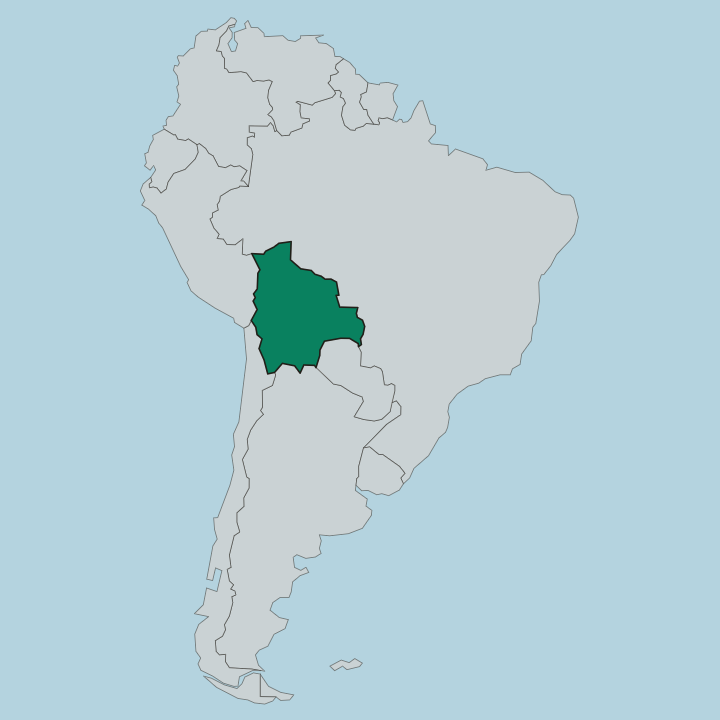
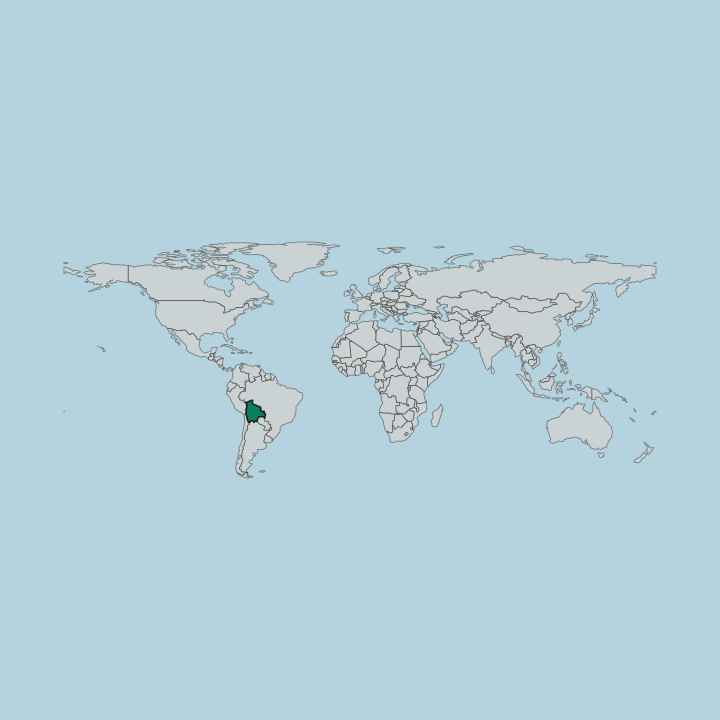
Departamento de La Paz is one of the departments of Bolivia. The department is large. It covers a wide expanse of ground, set in the tropical band of the Southern Hemisphere, though this is a tropical setting shaped as much by altitude as by the warm belt it sits within, since much of the department stands well above the lowlands the tropics might otherwise suggest.
The department takes its name from the city of La Paz, which sits within it and gives the whole territory its centre. From that city the department reaches outward. The distances involved make La Paz the natural hinge of Departamento de La Paz: the point most journeys begin from, and the place the rest of the department is measured against.
What is Departamento de La Paz like?
Departamento de La Paz is a Spanish-speaking department, and that shared language runs from the capital out through the towns of the wider territory. Life here bends toward La Paz. Aymara, Quechua and Guaraní are spoken alongside Spanish, and La Paz draws people, work and travel into the department in a way no other single place within it does, so the rhythm of the department is set in large part by the capital at its heart.
Away from that centre the department climbs into the Cordillera Real and drops through the Yungas towards the Amazon basin. It is quieter ground. The distances are long, the country wide, and the pace slower than in the capital, so the department reads as two things at once: a busy administrative hub in La Paz, and a large surrounding department that keeps its own slower measure across the reach of Departamento de La Paz.
What is the history of Departamento de La Paz?
The department is named for its city. Departamento de La Paz takes its identity from the city of La Paz, founded in 1548, long before the department was ever drawn around it as the administrative territory it is now. That city grew into the seat of government of Bolivia.
The department carries the same name it does, and as an administrative unit it has long stood as one of the divisions of Bolivia, its bounds set around the capital that gives Departamento de La Paz its centre of gravity.
What is the climate of Departamento de La Paz?
Departamento de La Paz sits in the tropical band of the Southern Hemisphere, so its seasons turn on wet and dry rather than on hard cold and heat. Altitude changes that. A tropical setting would suggest warmth throughout, yet this is a department where height tempers the heat so thoroughly that conditions across Departamento de La Paz vary with elevation as much as they do with the calendar.
How do you get to Departamento de La Paz?
Departamento de La Paz is reached through its capital. La Paz is the department's main point of arrival and the hub most travellers pass through first. From that city, roads carry on into the wider department, so onward travel across Departamento de La Paz begins in the capital and fans out from there to the more distant towns.
Common questions
What is the best area to stay in Departamento de La Paz?
La Paz: the department's main sights and onward transport from one base.
Good for
More regions in Bolivia
Updated October 2026