Bolivia · Departamento de Santa Cruz
Where to Stay in Santa Cruz de la Sierra, Departamento de Santa Cruz
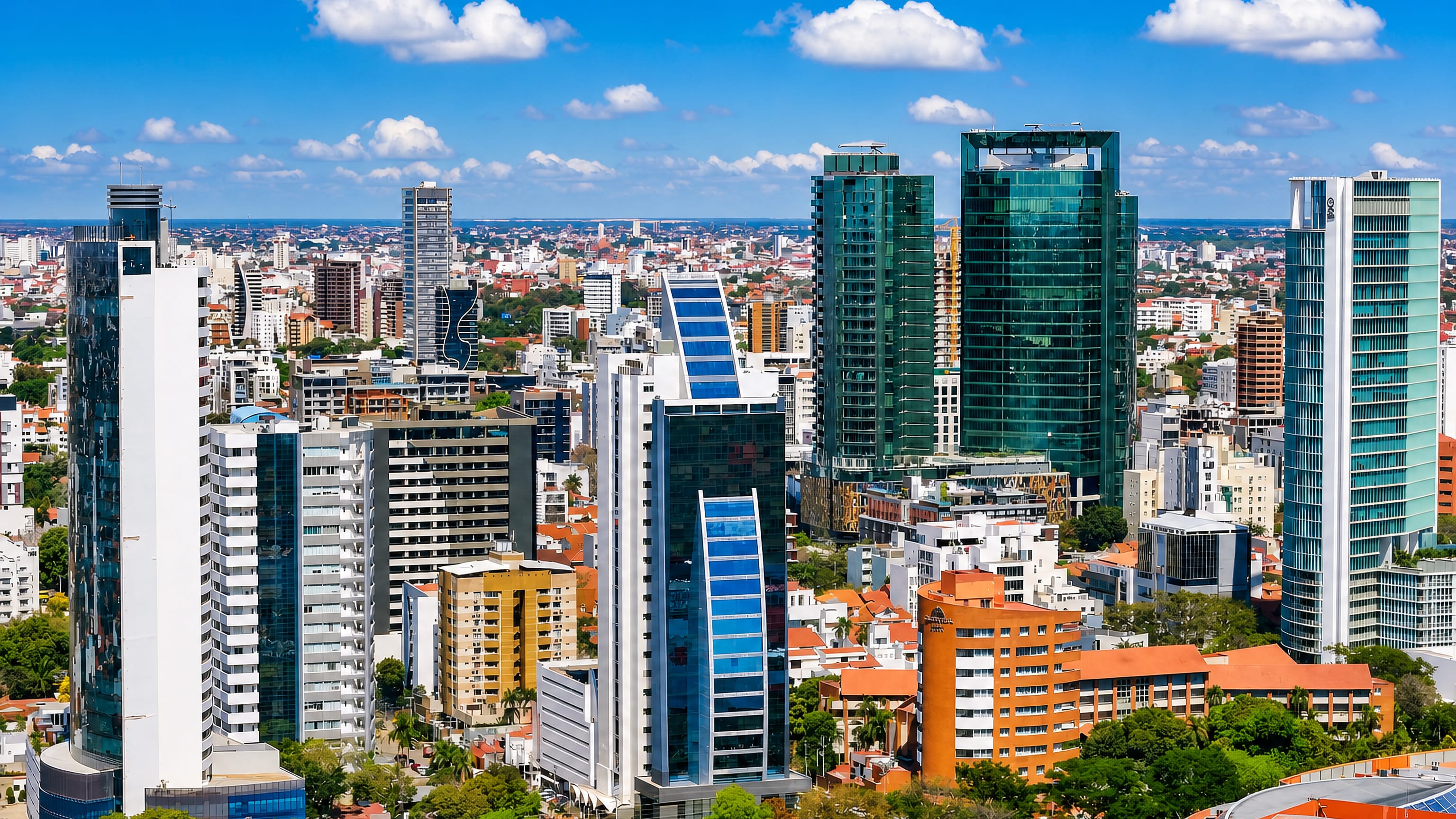
Heat rises off the plains at Santa Cruz de la Sierra, the largest city in Bolivia and capital of the Santa Cruz department, known for the Cristo Redentor.
Hotel links are affiliate links: booking through them may earn us a commission, at no extra cost to you. It never affects how places are ranked. How this works


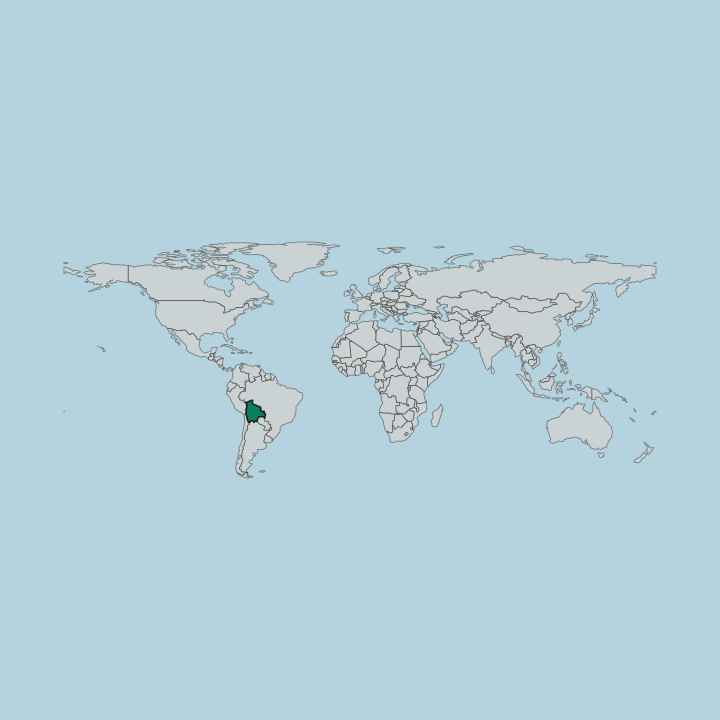
Where to stay in Santa Cruz de la Sierra
Not every neighbourhood fits every trip — here's what each one is good for.

 Santa Cruz de la SierraBolivia
Las Palmas
Las Palmas is a district of Santa Cruz de la Sierra, in Bolivia's Departamento de Santa Cruz, listed beside El Trompillo and Equipetrol.Where to stay → Santa Cruz de la SierraBolivia
Equipetrol
Equipetrol, known in the record as Equipetrol North, is a district of Santa Cruz de la Sierra holding the Zoológico de Fauna Sudamericana.Where to stay →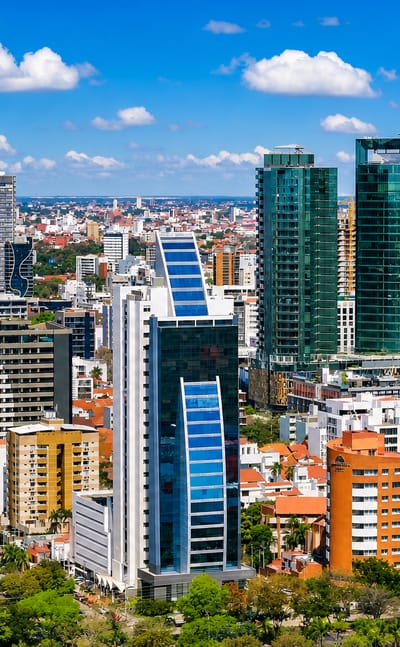 Santa Cruz de la SierraBolivia
El Trompillo
El Trompillo is a quarter of Santa Cruz de la Sierra that shares its name with El Trompillo Airport, roughly 2 km from the central plaza.Where to stay →Hotel links are affiliate links: booking through them may earn us a commission, at no extra cost to you. It never affects how places are ranked. How this works
Find hotels in Santa Cruz de la Sierra
Direct booking searches for these neighbourhoods.
Historic centre
The old core around the main plaza and the Museo de Historia de Santa Cruz, walkable to the Madre India monument.Find hotels in Historic centreSpace near the Cristo RedentorOuter plains districts
Flatter, greener streets toward the Cristo Redentor and the Zoológico de Fauna Sudamericana, quieter than the crowded centre.Find hotels in Outer plains districtsHotel links are affiliate links: booking through them may earn us a commission, at no extra cost to you. It never affects how places are ranked. How this works
Things to do in Santa Cruz de la Sierra
Ranked by global recognition; descriptions from Wikidata (CC0).
Museums & Galleries
3- Museo de Historia de Santa Cruz
- Museo de Arte Contemporáneo de Santa Cruz de la Sierra
- Museo Artecampo
Castles & Historic Sites
2- Cristo Redentor de Santa Cruz de la Sierra Heritage
- Madre India de Santa Cruz de la Sierra
worth knowingacross 2 categories in Santa Cruz de la Sierra
About Santa Cruz de la Sierra
What is Santa Cruz de la Sierra known for?
Santa Cruz de la Sierra is known as the largest city in Bolivia and the capital of the Santa Cruz department. It is the country's lowland metropolis. The city gathers the commerce and culture of the eastern plains, marked by the Cristo Redentor above its streets and the Madre India monument at its heart.
Museums line its centre, from the Museo de Historia de Santa Cruz to the Museo de Arte Contemporáneo, and together they make the warm plains city the cultural anchor of eastern Bolivia.
What are the main landmarks in Santa Cruz de la Sierra?
Santa Cruz de la Sierra centres its landmarks on the plaza and the monuments of the plains. The Cristo Redentor rises above the eastern approaches, while the Madre India stands as a civic emblem in the city itself. Culture gathers in the museums.
The Museo de Historia de Santa Cruz, the Museo de Arte Contemporáneo, and the Museo de Historia Natural Noel Kempff Mercado hold the record of the region, and the Zoológico de Fauna Sudamericana shows the wildlife of the lowlands, together mapping the character of the largest city in Bolivia.
What is the history of Santa Cruz de la Sierra?
Santa Cruz de la Sierra was founded in 1561 as a Spanish outpost on the eastern lowlands of what is now Bolivia. The town began far from the silver wealth of the Andean west, a frontier settlement facing the vast plains and the forests beyond. It grew slowly.
For much of its early life it was a remote borderland, small and isolated, tied to the interior rather than to the mining heartland of the highlands. Over the centuries the city held its ground on the plains and gradually gathered the trade of the eastern country around it. The colonial and republican eras left their mark on the old centre, and monuments such as the Madre India came to stand for the identity of the plains city.
From that long, patient beginning Santa Cruz de la Sierra rose to become the largest city in Bolivia and the capital of the Santa Cruz department, the lowland counterweight to the Andean cities of the west, and its history remains the story of a frontier town that outgrew its origins to command the eastern half of the country.
Where is Santa Cruz de la Sierra?
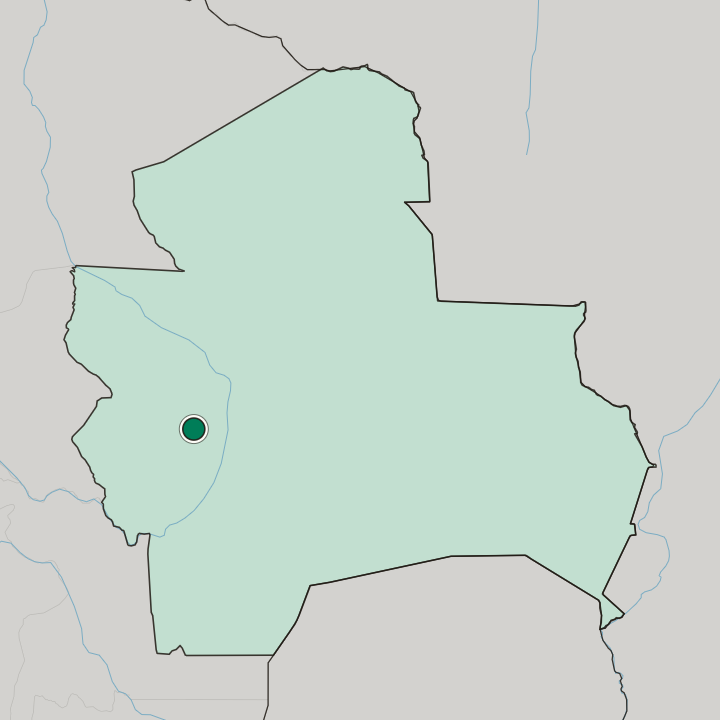
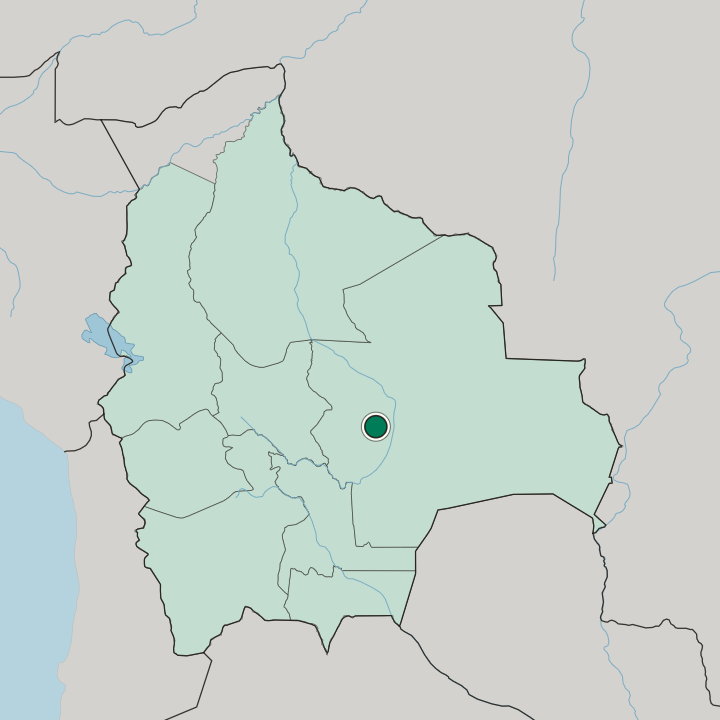
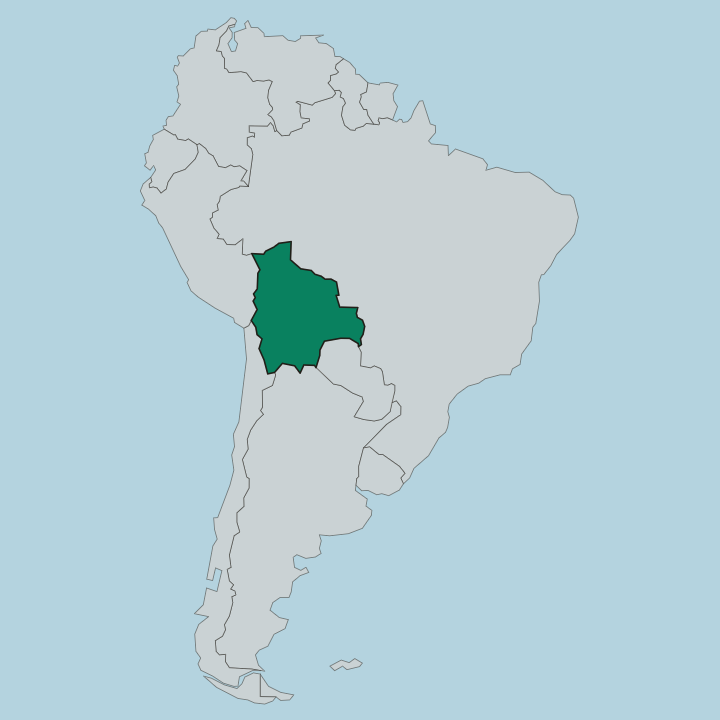
Santa Cruz de la Sierra lies on the warm eastern lowlands of Bolivia, the flat interior heart of the Santa Cruz department. The city rests on open plains, low and level, where the last folds of the Andes give way to tropical forest and savannah stretching toward Brazil. Rivers thread the surrounding country.
The ground here is warm and green, far removed from the cold highland setting of the Andean cities, and the city sprawls outward across the level land beneath the Cristo Redentor.
What is the climate of Santa Cruz de la Sierra?
Warm year-round. Santa Cruz de la Sierra has a tropical lowland climate, the warmest of Bolivia's major cities, set by its position on the eastern plains rather than by any highland altitude. Days run hot and humid across much of the year, with a wetter warm season and a somewhat drier stretch.
Cool surges can sweep up from the south on occasion, but the heat of the plains soon returns to the streets beneath the Cristo Redentor.
How do you get to Santa Cruz de la Sierra?
Santa Cruz de la Sierra is the main point of entry for eastern Bolivia. The largest city in the country holds the principal airport of the lowlands and the road and rail links that cross the plains of the Santa Cruz department. Routes fan out from here.
Roads run toward the frontiers with Brazil and Paraguay, across flat interior country rather than over any Andean pass, making the city the natural arrival hub for the eastern half of Bolivia.
Common questions
What is the best area to stay in Santa Cruz de la Sierra?
Historic centre: Santa Cruz de la Sierra on foot. Outer plains districts: Space near the Cristo Redentor.
Good for
Updated September 2026