Bolivia
Departamento de Santa Cruz, Bolivia — Towns & Travel Guide
Santa Cruz is the largest department of Bolivia, a lowland expanse in the east built around the city of Santa Cruz de la Sierra.
Hotel links are affiliate links: booking through them may earn us a commission, at no extra cost to you. It never affects how places are ranked. How this works


Towns & cities in Departamento de Santa Cruz
One town here has its own guide — it links to where to stay.
 Bolivia
Santa Cruz de la Sierra
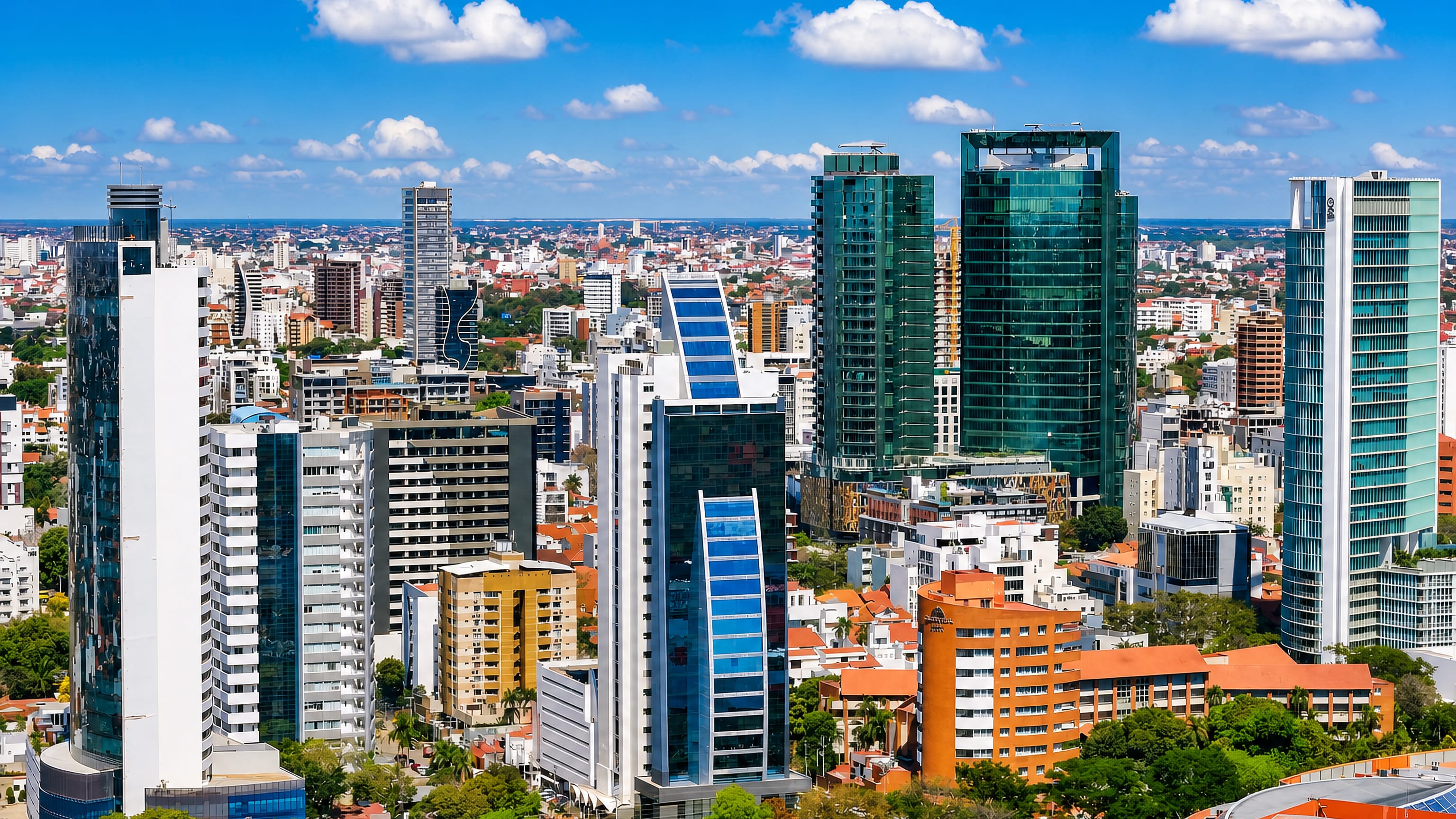
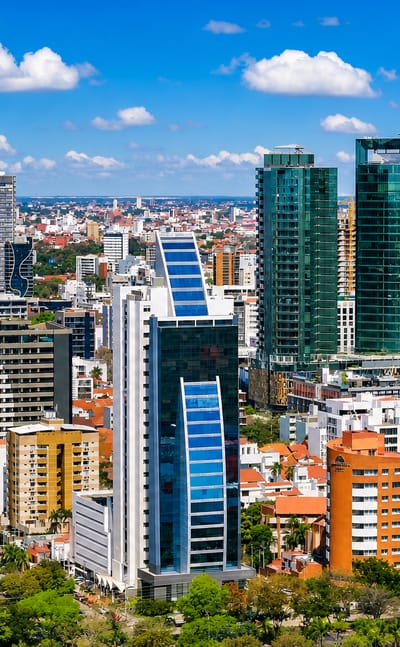
Heat rises off the plains at Santa Cruz de la Sierra, the largest city in Bolivia and capital of the Santa Cruz department, known for the Cristo Redentor.Where to stay →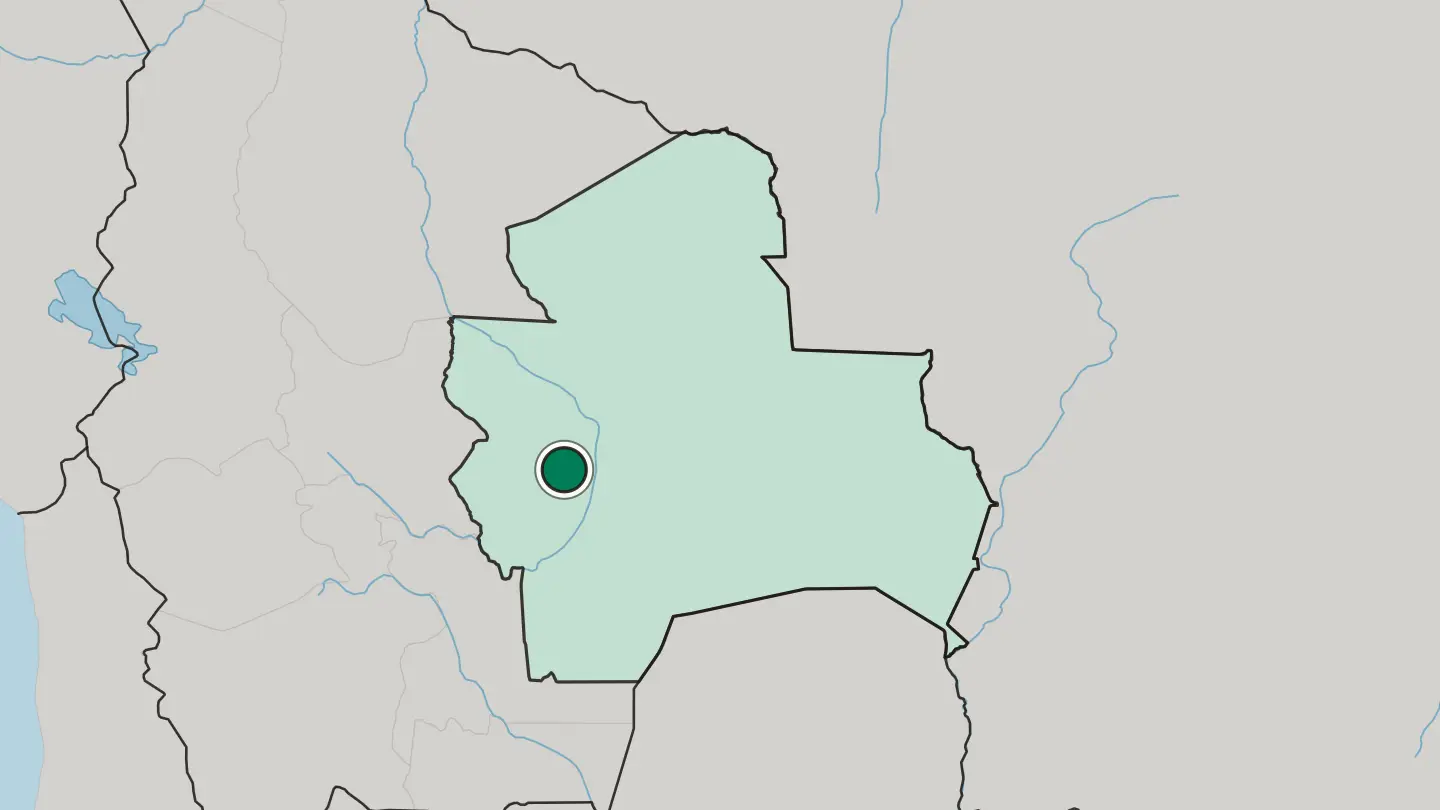
Hotel links are affiliate links: booking through them may earn us a commission, at no extra cost to you. It never affects how places are ranked. How this works
About Departamento de Santa Cruz
What is Departamento de Santa Cruz known for?
Santa Cruz is known as the largest of the departments of Bolivia, taking in roughly a third of the whole country. It is the eastern lowland heart of the nation. Built around Santa Cruz de la Sierra, its capital and most populous city, the department reaches out to the borders it shares with Brazil and Paraguay.
It is warm, low country. Where much of Bolivia climbs into the high Andes, Santa Cruz spreads instead across flat tropical plains, and that sharp contrast between highland and lowland is what defines its place in the republic.
Where is Departamento de Santa Cruz?
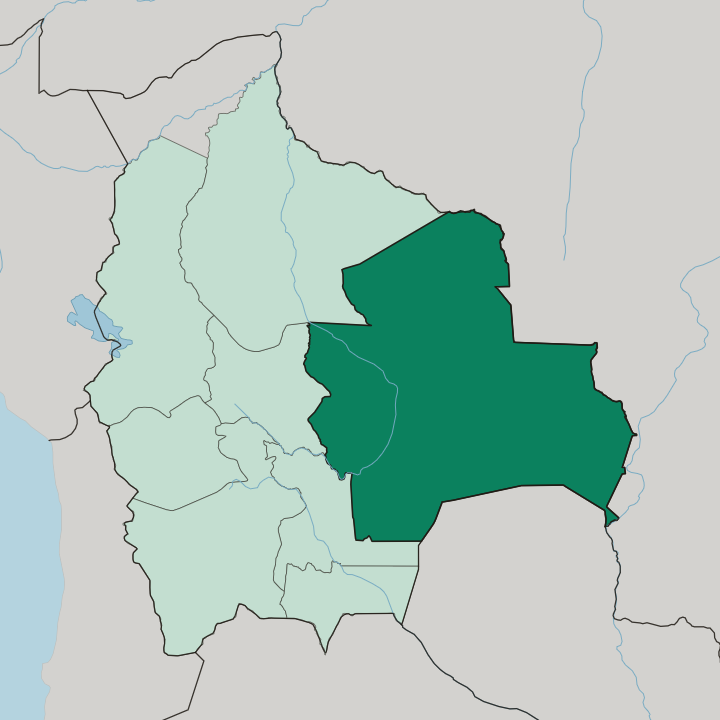
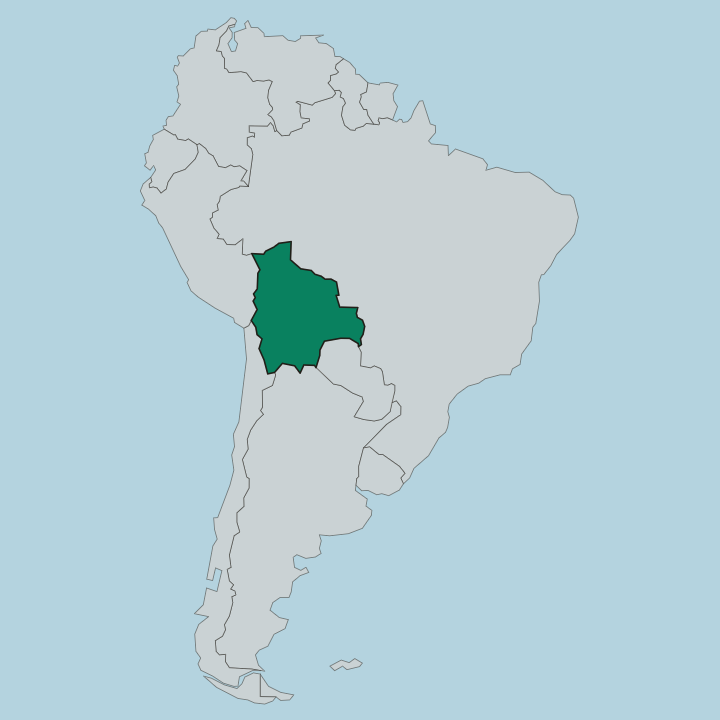
Santa Cruz is by far the largest department of Bolivia, covering close to a third of the entire country. It lies in the eastern part of the nation, a vast sweep of lowland that shares borders in the north and east with Brazil and in the south with Paraguay. The land is low and warm.
Where the Andean departments to the west ride high and cold, Santa Cruz spreads across plains, tropical forest, and open savannah, dropping away from the last folds of the mountains into the flat interior of South America. The city of Santa Cruz de la Sierra sits within this expanse, the department's centre and most populous city, gathered on the warm lowland ground. Rivers thread the plains and the settlement follows them, along with the roads that push toward the frontiers with Brazil and Paraguay.
This is the great lowland counterweight to Andean Bolivia, and its sheer scale, roughly three hundred and seventy thousand square kilometres, sets it apart from every other department in the country.
What is Departamento de Santa Cruz like?
Santa Cruz carries a lowland culture set apart from the Andean highlands of western Bolivia. Grown on the warm eastern plains, its life leans toward the tropical interior rather than the cold sierra, a distinct regional character within the wider country. Santa Cruz de la Sierra is its cultural motor.
As the department's most populous city it gathers the commerce, the music, and the daily rhythm of the plains, while the Cristo Redentor stands above it as a familiar landmark of the lowland east. Frontier country shapes the rest. Toward the borders with Brazil and Paraguay the department shades into a mixed borderland culture, and the whole region reads as the counterpoint to the Andean heart of Bolivia, low where the west is high, warm where the west is cold, and turned outward toward its neighbours across the plains.
What is the history of Departamento de Santa Cruz?
Santa Cruz traces its colonial roots to the sixteenth century. The department is bound to the city of Santa Cruz de la Sierra, founded in 1561 on the eastern lowlands as a Spanish outpost facing the frontier. It grew slowly.
Far from the silver of the Andean west, it remained for centuries a remote borderland on the plains toward Brazil and Paraguay, filling out over time into the largest department of Bolivia, and its history reads as the patient settling of a vast, warm lowland at the country's edge.
What is the climate of Departamento de Santa Cruz?
Warm and low. Santa Cruz has a tropical lowland climate, set by its eastern plains rather than by any highland altitude. The department runs hot and humid across the year, with a wetter warm season and a somewhat drier spell, and the country stays green under the sun.
Around Santa Cruz de la Sierra the heat of the plains holds, a marked contrast to the cold Andean departments that rise to the west.
How do you get to Departamento de Santa Cruz?
Santa Cruz is reached through Santa Cruz de la Sierra, the department's gateway. The capital holds the main airport and the road network of the eastern lowlands, so most arrivals pass through it. From there the routes fan out.
Roads and rail run across the plains toward the frontiers with Brazil and Paraguay, threading the flat interior of the department rather than climbing any mountain pass.
Common questions
What is the best area to stay in Departamento de Santa Cruz?
Santa Cruz de la Sierra: the department capital and lowland hub.
Good for
More regions in Bolivia
Updated October 2026