Brazil · Ceará
Where to Stay in Caucaia, Ceará
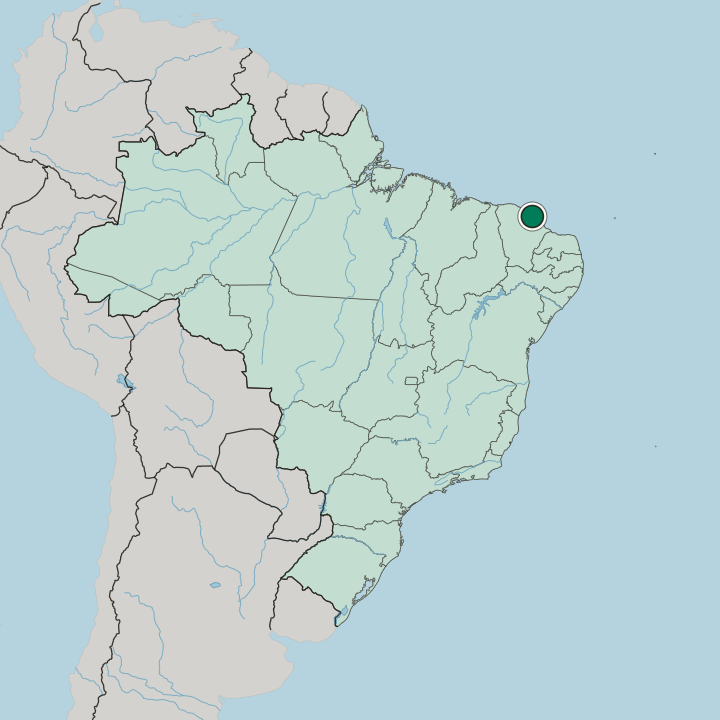
Caucaia adjoins Fortaleza in Ceará, a municipality of beaches at Cumbuco and Icaraí, quilombo communities, and Tapeba villages, dating from 1759.
Hotel links are affiliate links: booking through them may earn us a commission, at no extra cost to you. It never affects how places are ranked. How this works


Where to stay in Caucaia
One neighbourhood here has its own guide — here's what it is best for.
 CaucaiaBrazil
São Gerardo
São Gerardo is a district of Caucaia in Ceará, recorded by name alone, with no landmark, boundary or date attached to it.Where to stay →Hotel links are affiliate links: booking through them may earn us a commission, at no extra cost to you. It never affects how places are ranked. How this works
Find hotels in Caucaia
Direct booking searches for these neighbourhoods.
Cumbuco and the beach strip
The beach rooms stand clear of the administrative town, within walking reach of the seaFind hotels in Cumbuco and the beach stripStays pairing the Museu do Caju with the Tapeba memorialThe old town by the Casa de Câmara e Cadeia
The colonial chamber and jail sits among the shops and offices that run this stretch of CearáFind hotels in The old town by the Casa de Câmara e CadeiaRoad days out to Serra do Juá and Boqueirão das ArarasThe inland serras
The quilombo communities lie well behind the coast, with Serra da Conceição furthest from the beaches. Beds are limited here, so book early.Find hotels in The inland serrasHotel links are affiliate links: booking through them may earn us a commission, at no extra cost to you. It never affects how places are ranked. How this works
About Caucaia
What is Caucaia known for?
Caucaia works as the administrative and commercial centre for a stretch of coast that includes Cumbuco and Icaraí. Beaches are only half of it. The municipality holds nine quilombo communities and villages of the Tapeba, a native group organised in 17 villages around the metropolitan region of Fortaleza, and the Memorial Tapeba Cacique Perna de Pau marks that presence.
Museu do Caju is the odd one out, a museum named for a crop.
What are the main landmarks in Caucaia?
The Casa de Câmara e Cadeia carries the colonial civic function in its name, a council chamber and a jail under one roof. Quilombos account for most of the rest. Boqueirãozinho, Caetanos Em Capuan, Cercadão do Dicetas, Deserto, Porteiras, and Serra da Rajada are recognised communities rather than monuments, and they lie scattered across the municipality instead of gathered into one district.
Two more stand apart. The Memorial Tapeba Cacique Perna de Pau and the Museu do Caju hold the indigenous and agricultural strands.
What is the history of Caucaia?
The municipal date on record is 1759, and the Casa de Câmara e Cadeia belongs to that colonial order, when a council chamber and a jail in one building were what made a town official. People were here long before. The Tapeba, organised in 17 villages around the metropolitan region of Fortaleza, hold a presence in Caucaia that the Memorial Tapeba Cacique Perna de Pau records among the municipality's own landmarks.
Quilombos form a second line of that history. Boqueirão das Araras, Boqueirãozinho, Caetanos Em Capuan, Cercadão do Dicetas, Deserto, Porteiras, Serra da Conceição, Serra da Rajada, and Serra do Juá are all named and recognised, which is a different kind of record from a dated building. Nine of them are listed.
Their names carry hills and gates and dry country, and together they map a rural Caucaia that sits well behind the beaches at Cumbuco and Icaraí. Industry and tourism arrived on top of all that. The port of Pecém drew factories to this part of Ceará, and Caucaia grew into the administrative and commercial centre for a coastal region whose visitors come for Cumbuco and Icaraí.
Cashew has its own museum. Museu do Caju gives the crop a place among the municipality's landmarks, alongside the Casa de Câmara e Cadeia and the Tapeba memorial.
Where is Caucaia?
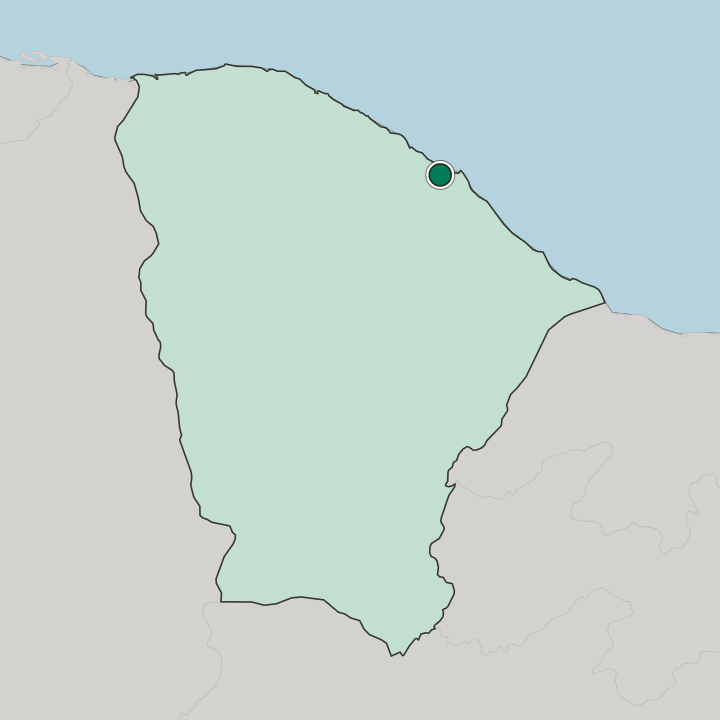
Caucaia covers more than a thousand square kilometres between the sea and the interior of Ceará, with Cumbuco and Icaraí on its coast and Fortaleza on its border. The ground is tropical and mostly low. Behind the beaches the land rises into the small ranges the quilombos are named for, Serra da Conceição, Serra do Juá, and Serra da Rajada, which is where the municipality stops looking like a suburb.
What is the climate of Caucaia?
Wind is the defining element at Cumbuco. The steady blow off the sea keeps the Caucaia coast cooler than the interior of Ceará, and it is dependable enough to interest offshore windfarm developers in the municipality. Inland the air stands still.
Away from Icaraí and the beach strip, tropical heat settles over the ground behind the ranges.
How do you get to Caucaia?
Most arrivals come through Fortaleza, since Caucaia sits directly alongside it and shares its metropolitan region. After that, everything is by road. Cumbuco and Icaraí are reached by the coastal roads out of the city, the port of Pecém pulls the freight traffic, and the inland quilombos at Serra do Juá and Boqueirão das Araras need a vehicle.
Common questions
What is the best area to stay in Caucaia?
Cumbuco and the beach strip: Trips where the sand at Cumbuco or Icaraí is the whole plan. The old town by the Casa de Câmara e Cadeia: Stays pairing the Museu do Caju with the Tapeba memorial. The inland serras: Road days out to Serra do Juá and Boqueirão das Araras.
Good for
More cities in Ceará
Updated September 2026