Brazil · Ceará
Where to Stay in Fortaleza, Ceará
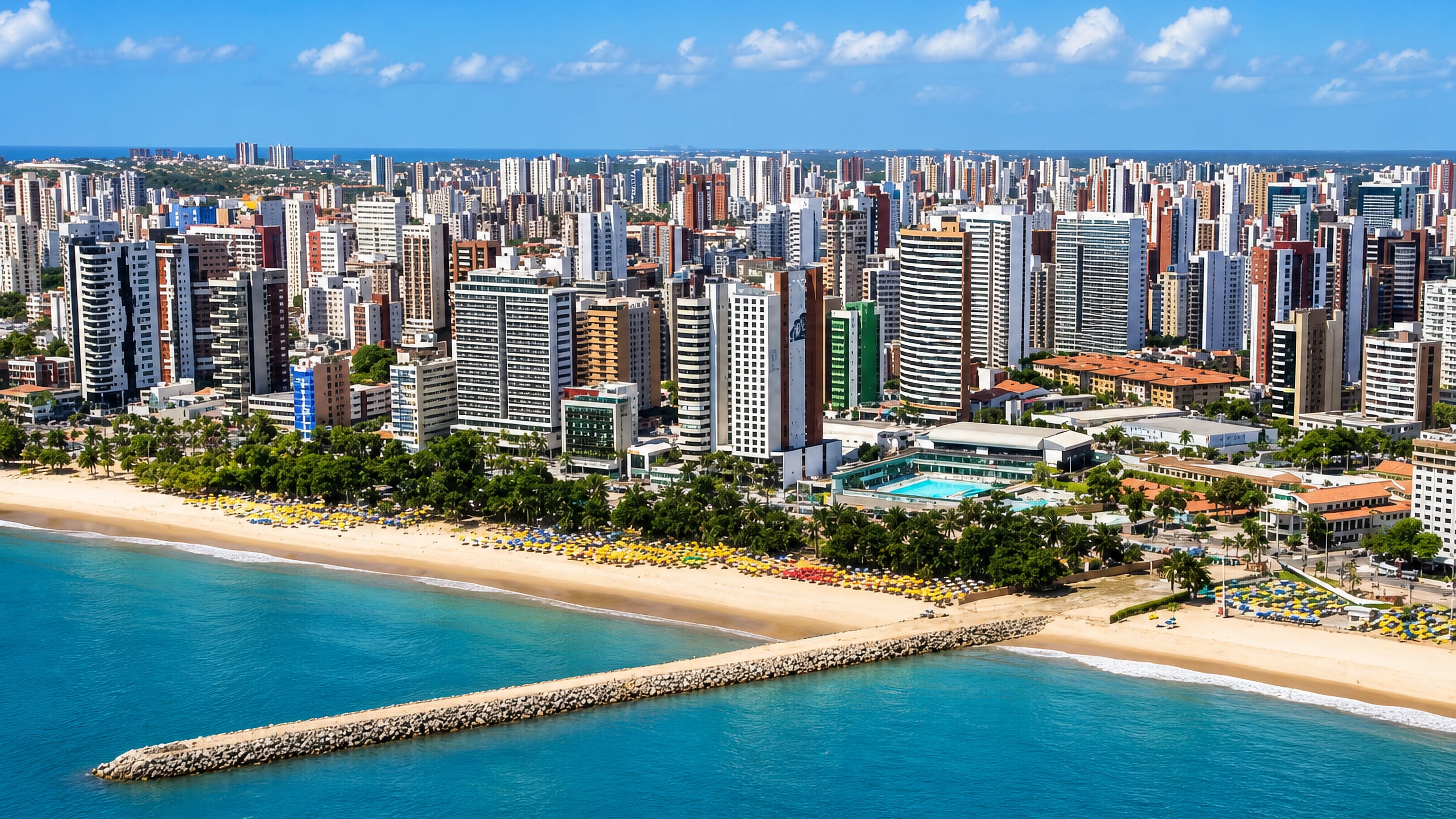
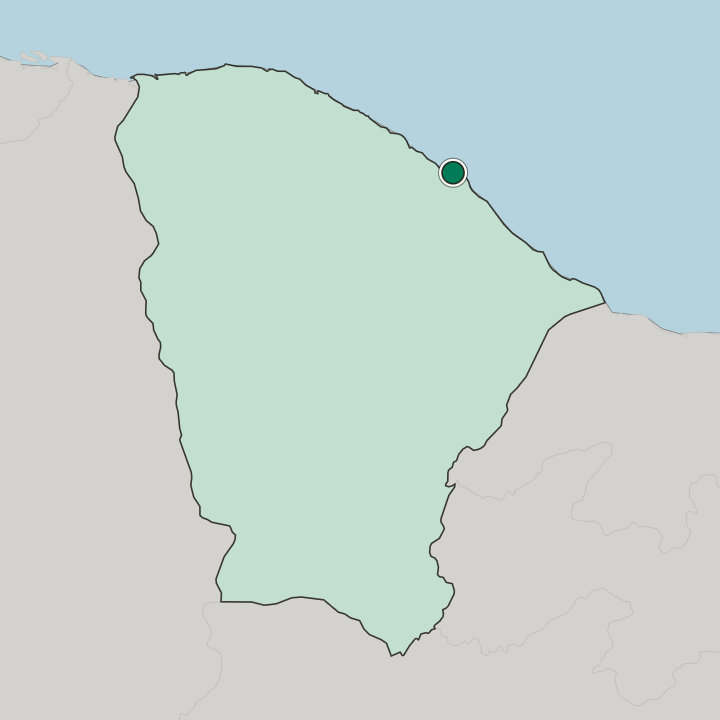
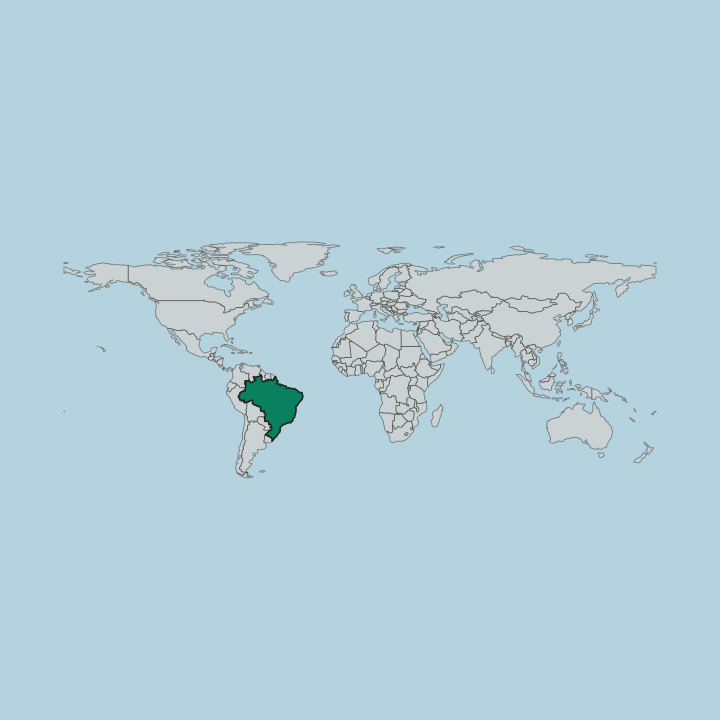
Fortaleza is the capital of Ceará, a large coastal city of northeastern Brazil whose centre fills with museums, dating from 1726.
Hotel links are affiliate links: booking through them may earn us a commission, at no extra cost to you. It never affects how places are ranked. How this works


Where to stay in Fortaleza
Not every neighbourhood fits every trip — here's what each one is good for.

 FortalezaBrazil
Pirambú
Pirambú is a coastal neighbourhood in western Fortaleza, the state capital of Ceará in Brazil.Where to stay →FortalezaBrazilItaperi
Itaperi belongs to Fortaleza, a named district of the Ceará capital whose record runs to a position on the map and very little else.Where to stay →FortalezaBrazilMaraponga
Maraponga is a district of Fortaleza, in Ceará, entered by name and position with no landmark, founding year or watercourse recorded.Where to stay →Hotel links are affiliate links: booking through them may earn us a commission, at no extra cost to you. It never affects how places are ranked. How this works
Find hotels in Fortaleza
Direct booking searches for these neighbourhoods.
The museum blocks around the Coluna da Hora
Museu do Ceará, the Centro Cultural Banco do Nordeste, and Igreja Nossa Senhora do Rosário share these streetsFind hotels in The museum blocks around the Coluna da HoraCoast-first trips where Fortaleza's late nights outrank its galleriesWater-facing rooms
A sea view puts the Museu de Arte Contemporânea and the centre a ride away rather than a walkFind hotels in Water-facing roomsNights timed to an arena fixture rather than to the museumsNear Ginásio Paulo Sarasate
Beds by the Ginásio fill around events, with Sobrado do Doutor José Lourenço nearby. Rooms are few around here — worth securing early.Find hotels in Near Ginásio Paulo SarasateHotel links are affiliate links: booking through them may earn us a commission, at no extra cost to you. It never affects how places are ranked. How this works
Things to do in Fortaleza
Ranked by global recognition; descriptions from Wikidata (CC0).
Museums & Galleries
8- Museu do Ceará Heritage
- Instituto do Ceará Heritage
- Museu da Indústria do Ceará Heritage
- Museu da Imagem e do Som do Ceará Heritage
- Juvenal Galeno's House Heritage
Show 3 more →
- Sobrado do Doutor José Lourenço Heritage
- Museu da Escola Normal Justiniano de Serpa Heritage
- Museu do Corpo de Bombeiros Heritage
Churches & Religious Sites
2- Igreja Nossa Senhora do Rosário Heritage
- Igreja Presbiteriana de Fortaleza
Castles & Historic Sites
3- Coluna da Hora
- Estátua Almirante Tamandaré
- Torre do Cristo Redentor
Stadiums & Sports
1- Ginásio Paulo Sarasate
worth knowingacross 4 categories in Fortaleza
About Fortaleza
What is Fortaleza known for?
Museums crowd the centre of Ceará's capital. Museu do Ceará, the Pinacoteca do Ceará, the Museu da Imagem e do Som do Ceará, and the Museu de Arte Contemporânea sit within a short radius, and the Centro Cultural Banco do Nordeste and Espaço Cultural Correios add exhibition space on top of them. Then there is the sea.
Nightlife runs late in Fortaleza, and the carnival parades run to a maracatu style.
What are the main landmarks in Fortaleza?
Monuments are few beside the museums. The Coluna da Hora, the Estátua Almirante Tamandaré, and the Torre do Cristo Redentor make up most of the outdoor list, while the Igreja Presbiteriana de Fortaleza and the Igreja Nossa Senhora do Rosário cover the churches. Odd collections abound.
Museu do Humor Cearense, Museu do Bode Ioiô, Museu da Escrita, Museu da Maçonaria do Ceará, and Museu do Corpo de Bombeiros show a city that will build a museum for almost anything.
What is the history of Fortaleza?
Fortaleza dates from 1726, and the Sobrado do Doutor José Lourenço and Juvenal Galeno's House are the kind of building that survives from the town before the growth. It is the capital of Ceará. Institutions followed that standing: the Instituto do Ceará, the Museu do Ceará, and the Museu da Escola Normal Justiniano de Serpa all belong to a capital assembling its own record.
Industry and the railway shaped the modern city. The Museu da Indústria do Ceará and the Museu Ferroviário Estação João Felipe both keep that period, one in a collection and the other in a station building, and the Centro Cultural do Transporte works the same subject. Money followed the freight.
Centro Cultural Banco do Nordeste and Espaço Cultural Correios occupy the sort of premises that banks and postal services put up in a regional capital. Culture spread out from there. The Pinacoteca do Ceará, the Museu de Arte Contemporânea, and the art museum of the Universidade Federal do Ceará divide the visual arts between them, while the Museu da Imagem e do Som do Ceará holds the recorded sort.
Humour got its own room. The Museu do Humor Cearense and the Museu do Bode Ioiô are not the collections a capital builds first, and their existence says something about how far the city's museum-making has run.
Where is Fortaleza?
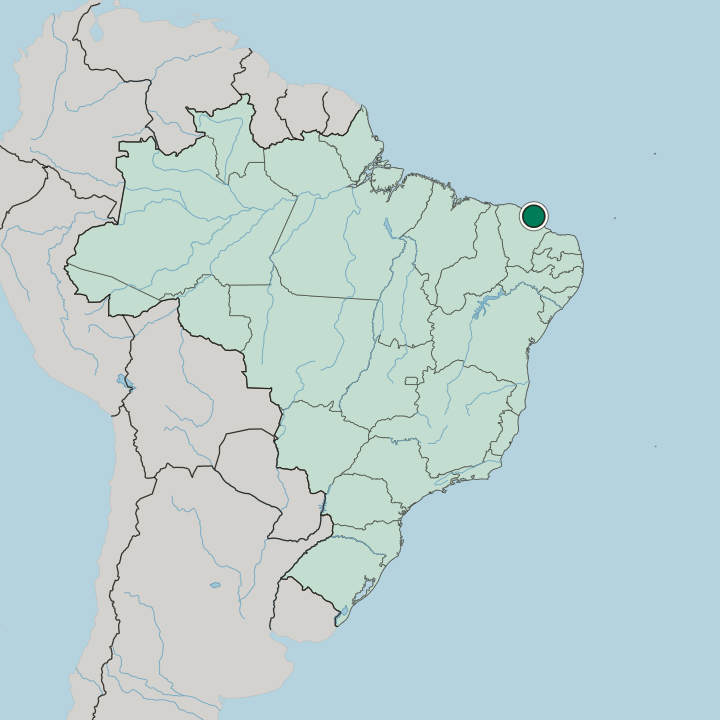
Fortaleza occupies a little over three hundred square kilometres on the coast of northeastern Brazil, small ground for a city of its size. The sea forms one edge. Ceará's capital fills that space densely, with the museums, the Coluna da Hora, and the Ginásio Paulo Sarasate all inside the same built-up area rather than scattered across an outer municipality.
What is the climate of Fortaleza?
The sea keeps Fortaleza's heat in check. Onshore air off the Atlantic moves through the city for most of the year, which is why a tropical capital this close to the equator stays workable in the middle of the day. Evenings are the reward.
Warm air and a breeze off the water are part of why the city's nights run as long as they do.
How do you get to Fortaleza?
Fortaleza takes the traffic of a state capital and of a tourist coast at the same time. Rail is a museum piece. The Museu Ferroviário Estação João Felipe keeps a station building as a collection, and the Centro Cultural do Transporte takes the wider subject, so the city's transport history is better documented in its museums than visible on its streets.
Common questions
What is the best area to stay in Fortaleza?
The museum blocks around the Coluna da Hora: Days walking between the Pinacoteca do Ceará and Espaço Cultural Correios. Water-facing rooms: Coast-first trips where Fortaleza's late nights outrank its galleries. Near Ginásio Paulo Sarasate: Nights timed to an arena fixture rather than to the museums.
Good for
More cities in Ceará
Updated October 2026