Brazil · Ceará
Where to Stay in Juazeiro do Norte, Ceará
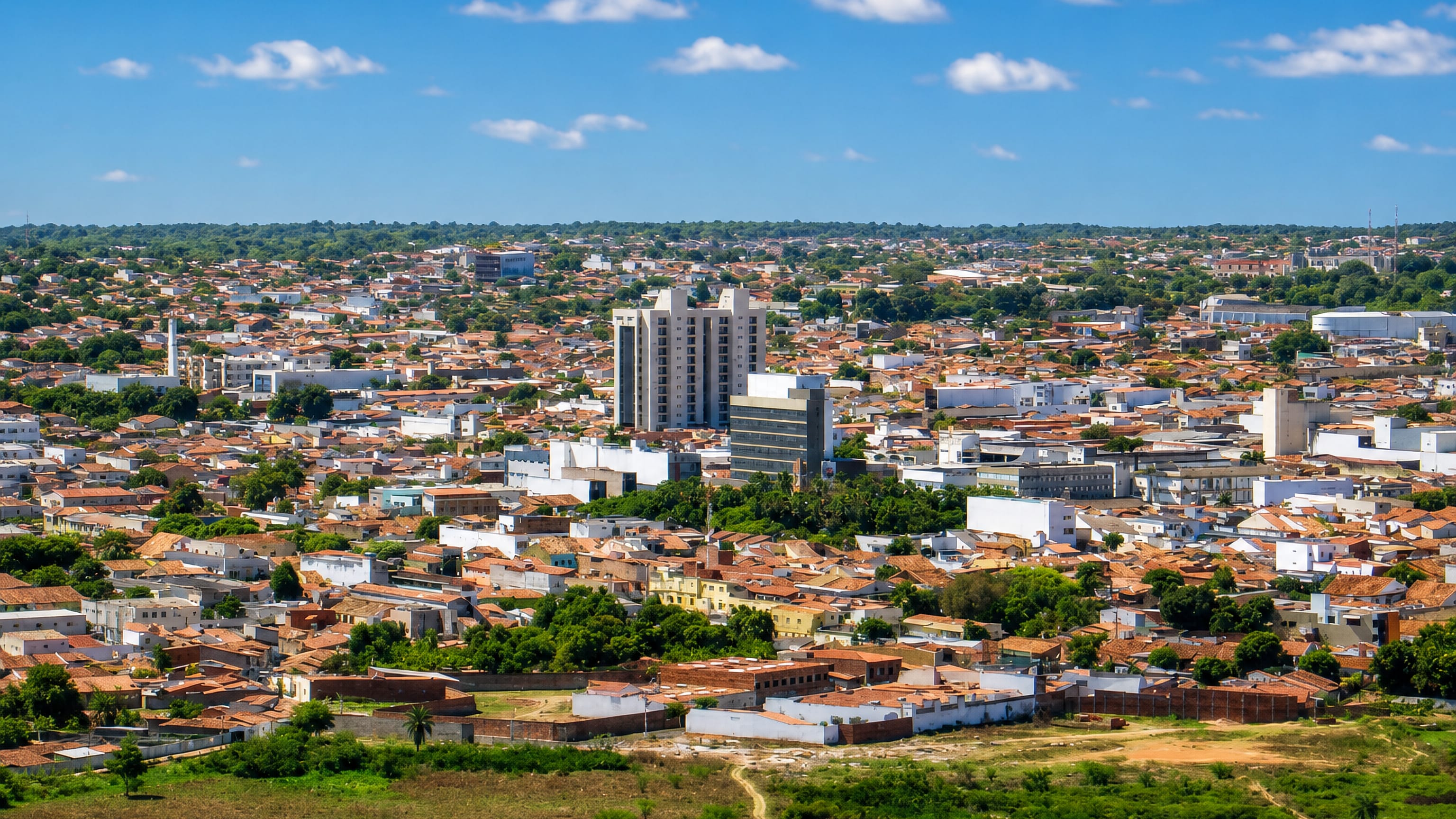
Juazeiro do Norte, a pilgrimage city of the Cariri in Ceará, keeps the memory of Padre Cícero and dates from 1911.
Hotel links are affiliate links: booking through them may earn us a commission, at no extra cost to you. It never affects how places are ranked. How this works


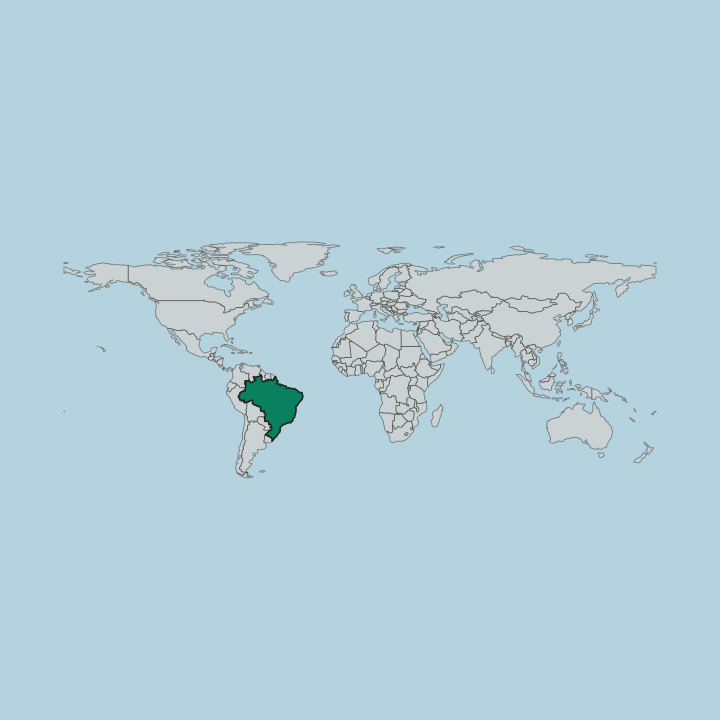
Where to stay in Juazeiro do Norte
The practical side of choosing where to sleep.
The pilgrimage decides most of it. Rooms near the Museu Padre Cícero and the Museu da Fundação Memorial Padre Cícero put you inside the walking radius that matters when devotional crowds arrive, because those weeks fill the streets around the shrines rather than the outskirts of the municipality. Book far ahead for them.
Quieter beds sit further out, across a municipality that spreads over 248 square kilometres of the Cariri, and the trade-off there is a short ride in against a calmer night. CraJuBa is the other frame. Juazeiro do Norte, Crato and Barbalha run together as a single urban area, so a room in one of the three is a room within reach of the other two, and the Museu Histórico do Crato and the Igreja do Rosário de Barbalha both fall inside that span.
The choice is genuinely open. You may want Crato for the museum and the older streets, or Barbalha for the church, or Juazeiro do Norte itself for the shrines and the crowds that come to them. Fossil work pulls the other way, south toward the Chapada do Araripe and the Centro de Pesquisa Paleontológica da Chapada do Araripe, where a stay answers to the tableland instead of to Padre Cícero.
Portuguese runs the desks throughout, and the semiarid sertão around all three towns makes shade and an early start worth more than the exact address.
Find hotels in Juazeiro do Norte
Direct booking searches for these neighbourhoods.
Around the Padre Cícero museums
The devotional collections that carry the name of Padre Cícero stand in the streets the pilgrimage fills first.Find hotels in Around the Padre Cícero museumsTravellers treating CraJuBa as one town instead of threeCrato and Barbalha
The Museu Histórico do Crato and the Igreja do Rosário de Barbalha give the neighbouring halves of the urban area their own reason to stay.Find hotels in Crato and BarbalhaAnyone here for the fossil beds of the Chapada do AraripeToward the Chapada do Araripe
The Centro de Pesquisa Paleontológica da Chapada do Araripe works the tableland south of Juazeiro do Norte. Lodging is scarce in this area; reserve in advance.Find hotels in Toward the Chapada do AraripeHotel links are affiliate links: booking through them may earn us a commission, at no extra cost to you. It never affects how places are ranked. How this works
Things to do in Juazeiro do Norte
Ranked by global recognition; descriptions from Wikidata (CC0).
Museums & Galleries
3- Museu Padre Cícero
- Museu Vivo do Padre Cícero
- Centro de Pesquisa Paleontológica da Chapada do Araripe
Churches & Religious Sites
1- Igreja do Rosário de Barbalha
worth knowingacross 2 categories in Juazeiro do Norte
About Juazeiro do Norte
Pilgrims set the calendar here.
What is Juazeiro do Norte known for?
Devotion to Padre Cícero has made Juazeiro do Norte one of the largest pilgrimage destinations in South America, and three separate collections hold that record: the Museu Padre Cícero, the Museu Vivo do Padre Cícero and the Museu da Fundação Memorial Padre Cícero. Fossils are the other draw. Work on the beds of the Chapada do Araripe is carried out at the Centro de Pesquisa Paleontológica da Chapada do Araripe, on the dry edge of the sertão.
What are the main landmarks in Juazeiro do Norte?
Six named sites make up the register. Three are devotional museums, the Museu Padre Cícero, the Museu Vivo do Padre Cícero and the Museu da Fundação Memorial Padre Cícero, and between them they hold the record of the figure who draws pilgrims to Juazeiro do Norte. The neighbours supply the rest.
The Museu Histórico do Crato and the Igreja do Rosário de Barbalha belong to the two towns beside it, while the Centro de Pesquisa Paleontológica da Chapada do Araripe deals with a past far older than any of them.
What is the history of Juazeiro do Norte?
Juazeiro do Norte counts from 1911. The thread running through everything since is devotion to Padre Cícero, a name that attaches to three separate museums inside one municipality of the Cariri, which is an unusual concentration for a city so young. Pilgrimage did the rest.
What began as a place of the sertão became one of the largest pilgrimage destinations in South America, and the Museu Padre Cícero, the Museu Vivo do Padre Cícero and the Museu da Fundação Memorial Padre Cícero each keep a share of that story. The neighbours have their own record. Crato and Barbalha stand close enough that the three are counted as one urban area under the name CraJuBa, and the Museu Histórico do Crato and the Igreja do Rosário de Barbalha carry the civic and religious memory of those two towns rather than of Juazeiro do Norte.
The land goes back further. Fossil beds of the Chapada do Araripe are studied at the Centro de Pesquisa Paleontológica da Chapada do Araripe, so the deep past of the region is documented alongside the century that built the city, and the distance from the coast shaped both, with Fortaleza lying some 491 kilometres to the north across the interior of Ceará.
Where is Juazeiro do Norte?
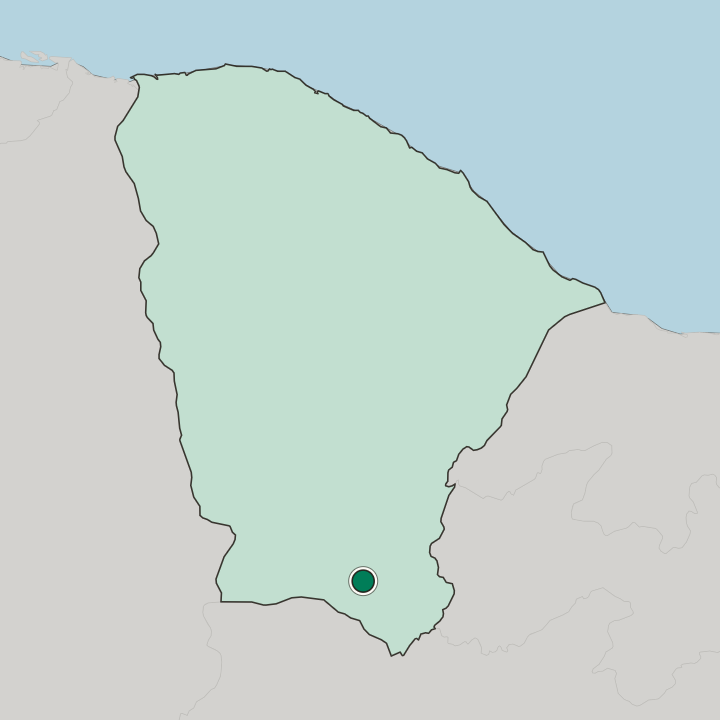
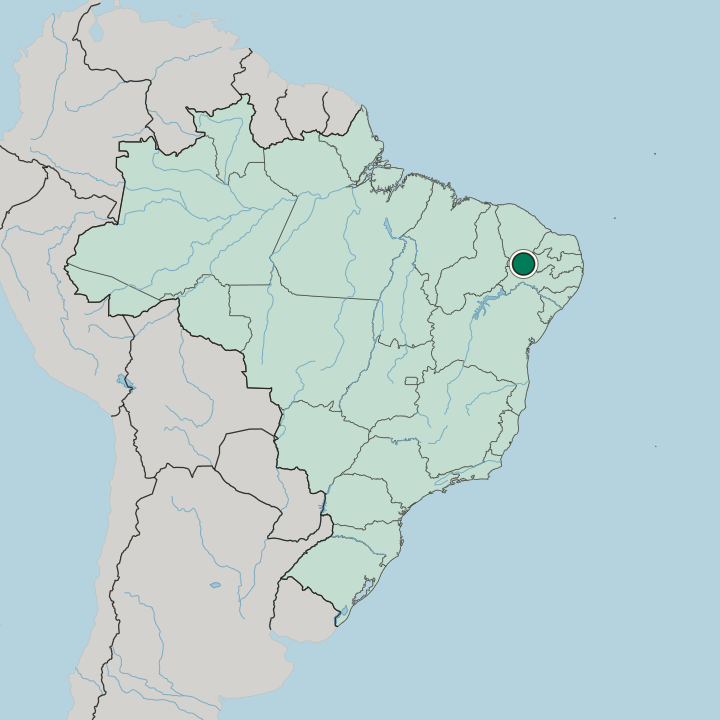
Semiarid country runs in every direction. The municipality covers 248 square kilometres of the Cariri, a long way inland from Fortaleza across the sertão, with the tableland of the Chapada do Araripe standing over it and the built-up ground of Crato and Barbalha pressed against its own edges. Water is the scarce thing.
Juazeiro do Norte lies within the tropics of the southern hemisphere, so what the year turns on is rainfall rather than any swing between cold and warm.
What is the climate of Juazeiro do Norte?
The Chapada do Araripe stands over the dry season. Juazeiro do Norte lies in the semiarid sertão below that tableland, in tropical country where heat holds steady through the year and it is the arrival of rain, not a change of temperature, that separates one part of the calendar from another. Even after dark the heat lingers.
Indoor hours make sense in the worst of the afternoon, and the Museu Vivo do Padre Cícero is the obvious place to spend them.
How do you get to Juazeiro do Norte?
Fortaleza is the reference point. The capital of Ceará lies some 491 kilometres to the north, so an approach from the coast means a long haul across the sertão before the Cariri opens out and the Chapada do Araripe comes into view. Crato and Barbalha sit next door.
Movement inside CraJuBa is a matter of short hops rather than intercity travel, which is why a bed in any one of the three towns serves the whole urban area.
Common questions
What is the best area to stay in Juazeiro do Norte?
Around the Padre Cícero museums: Pilgrims walking between the Museu Padre Cícero and the Museu Vivo do Padre Cícero. Crato and Barbalha: Travellers treating CraJuBa as one town instead of three. Toward the Chapada do Araripe: Anyone here for the fossil beds of the Chapada do Araripe.
Good for
More cities in Ceará
Updated October 2026