Brazil · Pernambuco · Recife
Santo Amaro, Recife — Area Guide & Where to Stay
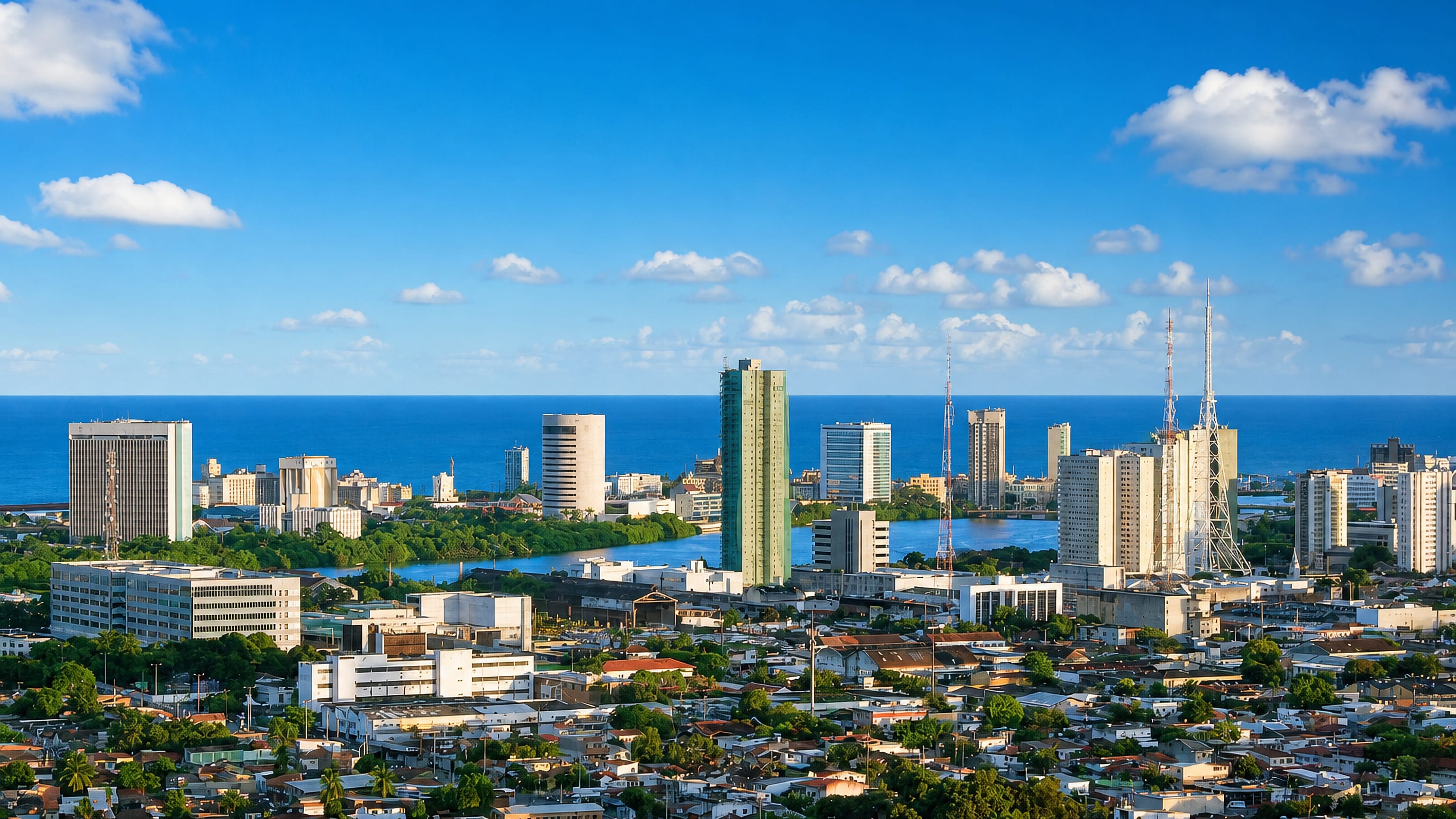
Santo Amaro is a neighbourhood of Recife founded in 1681, holding the Paço do Frevo and the Museu Cais do Sertão among its cultural houses.
Hotel links are affiliate links: booking through them may earn us a commission, at no extra cost to you. It never affects how places are ranked. How this works


Where to stay in Santo Amaro
Where the beds are, and what that means for the visit.
Santo Amaro suits museum days. Rooms here put the Paço do Frevo and the Museu Cais do Sertão within reach of a short ride, and the neighbourhood's spread means the exact address matters more than the district name when booking. Espinheiro sits alongside. Guests wanting quieter streets often look there, or towards Ilha do Leite instead.
Find hotels in Santo Amaro
Direct booking searches for these neighbourhoods.
Museu Cais do Sertão
The museum end of Santo Amaro, built around the Museu Cais do Sertão and Paço do Frevo.Find hotels in Museu Cais do Sertãostays close to Santo Amaro's oldest churchesChurch of Our Lady of Pilar
The older quarter around the Church of Our Lady of Pilar and the Monumento da Cruz do Patrão. Few places to stay nearby — book ahead.Find hotels in Church of Our Lady of Pilarquieter nights on the Espinheiro side of Santo AmaroEspinheiro side
Residential streets where Santo Amaro runs into Espinheiro, away from the museum traffic. Few places to stay nearby — book ahead.Find hotels in Espinheiro sideHotel links are affiliate links: booking through them may earn us a commission, at no extra cost to you. It never affects how places are ranked. How this works
Things to do in and around Recife
Ranked by global recognition; descriptions from Wikidata (CC0).
Museums & Galleries
3- Museu Cais do Sertão
- Paço do Frevo
- Museu de História Natural Louis Jacques Brunet
Churches & Religious Sites
3- Church of the Mother of God Heritage
- Church of Our Lady of Pilar Heritage
- Igreja de Santo Amaro das Salinas Heritage
Castles & Historic Sites
1- Monumento da Cruz do Patrão Heritage
worth knowingacross 3 categories in and around Recife
About Santo Amaro
What are the main landmarks in Santo Amaro?
The museums do the pulling. Paço do Frevo and the Museu Cais do Sertão sit at the front of the neighbourhood's cultural houses, and the Museu Palácio Joaquim Nabuco, the Instituto Cultural Banco Real and Espaço Pasárgada extend the run further than most parts of Recife manage. Churches mark the older layer.
The Church of Our Lady of Pilar, the Church of the Mother of God and the Igreja de Santo Amaro das Salinas stand among them, with the Monumento da Cruz do Patrão and the Museu de História Natural Louis Jacques Brunet close by.
What is the history of Santo Amaro?
Two dates fix it. Santo Amaro was founded in 1681 and incorporated in 1814, the year the Cemitério dos Ingleses was built within the neighbourhood as the first cemetery in Recife. The ground came by donation.
The record has the Provincial Government granting that land to the English Consul in March 1869, and the burial ground has stayed among the older institutions of Santo Amaro.
Where is Santo Amaro?
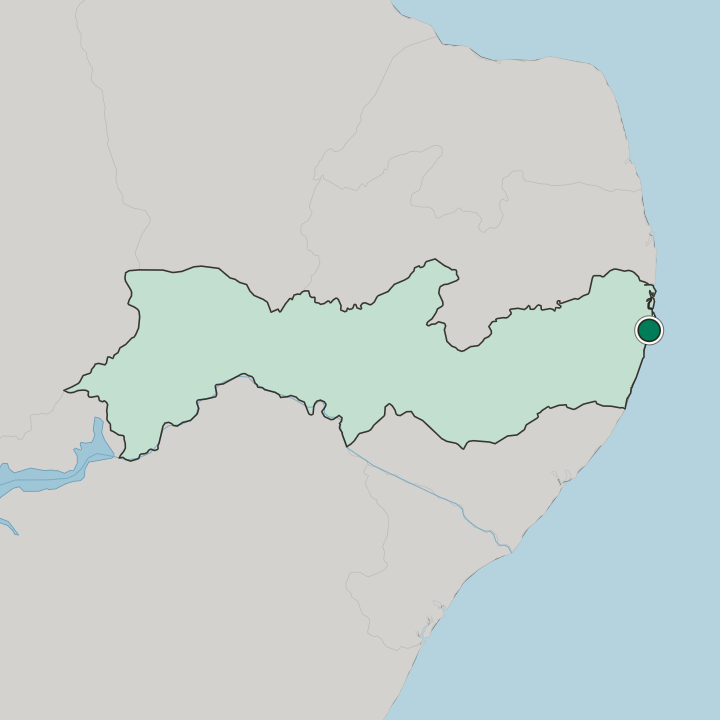
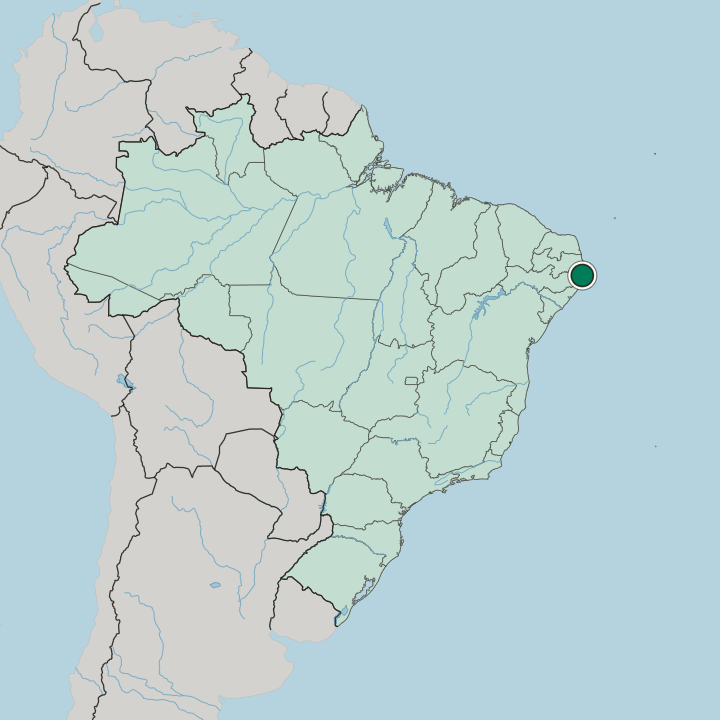
Santo Amaro takes in a wide stretch of Recife beside Espinheiro and Ilha do Leite, ground built on in Pernambuco since the seventeenth century.
Common questions
What is the best area to stay in Santo Amaro?
Museu Cais do Sertão: travellers here for Paço do Frevo and the Cais do Sertão. Church of Our Lady of Pilar: stays close to Santo Amaro's oldest churches. Espinheiro side: quieter nights on the Espinheiro side of Santo Amaro.
Good for
More areas in Recife
Updated October 2026